The Evolution of Contouring Techniques: From Basic to Advanced

The Evolution of Contouring Techniques
In the landscape of cosmetic artistry, contouring has evolved dramatically, going from basic methods to complex techniques that can dramatically alter the perception of facial features. Initially confined to professional makeup artists, contouring has found its way into the daily routines of beauty enthusiasts, becoming a staple trend in personal grooming.
Understanding the journey of this transformative art form can be broken down into several key phases, each marked by significant shifts in techniques and products.
- Basic Techniques: The most rudimentary approach involves the strategic application of bronzers and highlighters. Bronzers are typically darker shades used to create shadow, giving depth to areas like the cheekbones or jawline. Conversely, highlighters are lighter shades that catch the light, enhancing features like the nose bridge and the tops of cheekbones. For example, many beginners start with a simple 3-step process: applying bronzer along the forehead, under the cheekbones, and along the jawline while using highlighter on the brow bone, cheekbone, and center of the chin.
- Intermediate Approaches: As techniques advanced, so too did the formulations. The introduction of cream and liquid products provided makeup artists and enthusiasts the flexibility to blend and build coverage seamlessly. These formulations often lead to a more natural finish, reducing the risk of a cakey appearance that can come from powder products. Popular products like cream contour kits from brands such as Anastasia Beverly Hills have gained prominence, allowing users to customize their contour with varying degrees of opacity.
- Advanced Methods: The latest developments in contouring have seen the integration of various tools and techniques. Beauty blenders, for instance, revolutionized the blending process, helping the product melt into the skin for an airbrushed look. Additionally, stencils help guide users in achieving symmetry and precision. Some artists have gone so far as to employ 3D contouring techniques, which use contrasting colors and shadows to create a more sculpted effect, often resembling celebrity looks showcased on social media platforms.
Today, contouring transcends mere beauty enhancement; it serves as a platform for self-expression and creativity. Individuals are now exploring various styles, whether opting for the trendy “chiseled look” popularized by influencers or embracing softer, more natural contours. This curiosity has led to new innovations in products and techniques, broadening the possibilities of what contouring can achieve.
As we continue to peel back the layers of contouring, anticipate discovering advanced techniques, innovative tools, and trending products that push the envelope of this dynamic beauty practice. The journey through the intricacies of facial sculpting is not only educational but also an invitation to explore personal artistry within the broader canvas of modern beauty.
DIVE DEEPER: Click here to learn more about the effects of sunscreens
Basic Techniques: The Foundations of Contouring
Understanding the basic techniques of contouring is crucial for anyone looking to harness the power of makeup to enhance their natural features. At its core, the simplest form of contouring relies on the principle of light and shadow. The strategic application of darker and lighter shades can create dimension, making the face appear more sculpted and defined. As mentioned, bronzers serve as the darker shadowing agent, while highlighters add a luminous touch, illuminating areas that naturally catch the light.
In this fundamental phase, makeup artists and beauty enthusiasts often follow an uncomplicated routine. The typical steps include:
- 1. Forehead Contouring: To create the illusion of a smaller forehead, bronzer can be applied along the hairline, blending inward to soften the edges.
- 2. Cheekbone Definition: By applying bronzer just below the cheekbone and blending towards the hairline, fuller cheekbones can be enhanced without a heavy application.
- 3. Jawline Sharpening: A light bronzer along the jawline can define the chin, giving the appearance of a more sculpted face.
- 4. Highlighting Key Features: Highlighter should be placed on the high points of the face, including the tops of the cheekbones, brow bone, and the bridge of the nose, to create a radiant effect.
This straightforward method became a favorite for its accessibility and straightforwardness. With products readily available in drugstores or high-end boutiques, beginners could easily experiment and achieve a polished look. However, as awareness around makeup art grew, enthusiasts sought more sophisticated options, prompting the transition to intermediate approaches.
Intermediate Approaches: Expanding Beyond Basics
The evolution from basic to intermediate contouring techniques represents a significant shift in understanding skin textures and product versatility. The introduction of cream and liquid formulations marked a turning point for contouring enthusiasts. Unlike traditional powders, these products allow for a smoother application, providing greater control over blending and buildable coverage.
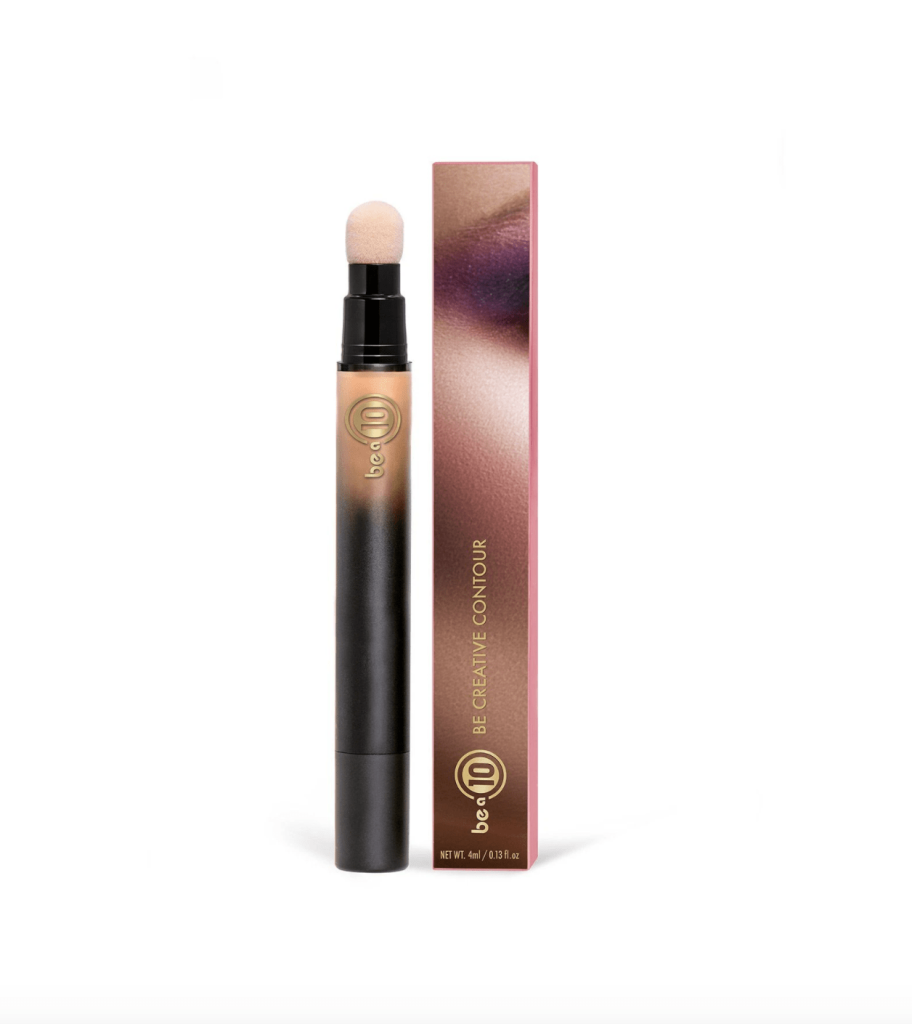
Brands such as Anastasia Beverly Hills and Fenty Beauty capitalized on this demand by introducing cream contour kits. These kits often include a range of shades from light to dark, enabling users to mix and match based on their unique skin tones. Additionally, the use of dual-ended contour sticks simplified the process by combining both bronzer and highlighter in a single product, making it easier to achieve a polished look on the go.
Beyond the products, intermediate techniques often incorporate enhancing tools such as brushes and sponges. The emergence of the Beauty Blender allowed for seamless application, enabling makeup enthusiasts to achieve that coveted airbrushed finish. Users began to understand the importance of proper blending, ensuring that colors melted into the skin harmoniously rather than sitting on the surface. This step was crucial in elevating everyday looks while maintaining a natural appearance.
As contouring techniques continued to flourish, they transformed from mere aesthetics into a medium of personal expression. In the next segment, we will delve into advanced methods that push the boundaries further, revealing how new tools and trends redefine the art of contouring.
The Evolution of Contouring Techniques: From Basic to Advanced
As we delve deeper into the fascinating world of contouring, it’s essential to understand how these techniques have progressed from their rudimentary beginnings to the intricate methods we see today. In the earlier days of makeup artistry, contouring was relatively basic, primarily involving solid bronzers and highlighters applied with little knowledge of the underlying structure of the face. Artists relied heavily on trial and error, often leading to uneven applications and overly harsh lines.The landscape of contouring began to change significantly with the rise of social media platforms such as Instagram and YouTube. Influencers and makeup artists started sharing their techniques, leading to increased awareness and education on the science behind facial geometry. This exposure fueled a demand for products designed for contouring, leading to an influx of specialized kits and formulas. Whether it be cream palettes, stick contouring, or crash courses on blending techniques, the makeup industry responded with innovation, creating products that catered to the need for a flawless look.Innovation also sprouted from advancements in technology. Today, with the availability of virtual tools and augmented reality applications, makeup aficionados can experiment with contouring virtually before trying it on their skin. This technology enhances user experiences, allowing for a direct analysis of how various tones and techniques will appear on an individual’s unique features.Additionally, the introduction of multi-dimensional contouring approaches has remarkably influenced the evolution of techniques. Instead of simply creating shadow and highlight, the focus has shifted towards creating depth and a more natural look that enhances, rather than masks, one’s natural beauty. Products now range from tinted moisturizers to advanced formulations that adapt to different skin types, ensuring that each user can achieve their desired contour without sacrificing their skin’s health.To further appreciate this evolution, let’s take a look at some advantages of modern contouring techniques that highlight their sophistication and accessibility in today’s beauty market:
| Category 1 | Category 2 |
|---|---|
| Precision | Advanced techniques offer enhanced precision with customizable products. |
| Accessibility | A wide variety of products cater to different skill levels, making contouring accessible to all. |
This journey from basic to advanced contouring has made it more than just a makeup trend; it is now an essential aspect of beauty art, empowering individuals to express themselves creatively while embracing their unique features. As contouring continues to evolve, one thing remains clear: the art of highlighting the natural beauty will always be in style.
DISCOVER MORE: Click here to learn about the role of natural ingredients in cultural beauty
Advanced Techniques: Pushing the Boundaries of Contouring
As the beauty industry continues to evolve, advanced contouring techniques have emerged, transforming the application of makeup into an art form. These methods not only enhance traditional contouring principles but also incorporate innovative tools and a deeper understanding of facial anatomy. In essence, this shift reflects a growing desire for uniqueness and customization that goes beyond mere aesthetics.
One major breakthrough in advanced contouring is the introduction of digital and virtual tools. Makeup apps, such as YouCam Makeup and Facetune, enable users to experiment with contouring options in a digital space before committing to physical products. This technology empowers individuals to visualize how different shades and techniques will affect their complexion, paving the way for more complex and nuanced applications that can be tailored to a variety of face shapes and skin tones.
In addition to tech-driven methods, advanced contouring has seen the rise of face mapping. This technique is intricately connected to understanding your unique facial structure. By identifying specific areas to enhance or downplay based on one’s natural features, makeup enthusiasts can apply contour in a way that feels both individualized and elevated. For example, those with round faces may contour strategically to elongate their features, while those with angular faces might choose to soften sharp lines.
Another significant advancement is the application of color theory in contouring. Through this approach, artists are not limited to the traditional warm bronzers and cool highlighters. Instead, they explore a variety of hues, such as deep burgundies for shadows or pearlescent pastels for highlights, enabling a more artistic touch to contouring. The aesthetic variation enhances the depths of shadows and light while presenting a multidimensional visage that reflects a newfound creativity in cosmetic application.
Furthermore, the expansion of makeup artistry into everyday beauty routines has resulted in a richer array of tools designed specifically for contouring. Items such as fan brushes, which allow for precise application, and stipple brushes, which add texture to the face, have become increasingly popular. Additionally, contour palettes that offer a spectrum of shades and finishes cater to the needs of every skin tone, further emphasizing the personalization effect.
The rise of social media has played a crucial role in this transformation as well. Platforms like Instagram and TikTok have demystified advanced contouring, with countless tutorials and trends going viral. Influencers demonstrate complex techniques, such as the “baking” method—a process that involves applying a thick layer of powder to set cream products while highlighting the contours. This visibility has opened up new avenues for inspiration and experimentation, encouraging users to adopt these advanced methods in their daily makeup routines.
As contouring techniques progress into the realm of the sophisticated and avant-garde, the possibilities are endless. Makeup is no longer just a means of enhancement; it has become an avenue for self-expression and artistry, reflecting individual style and embracing diversity in beauty norms. As we continue to explore the evolution of contouring, it is evident that each advancement holds an array of potential waiting to be discovered by makeup lovers around the world.
DISCOVER MORE: Click here to learn about the advantages of natural body treatments
Conclusion: The Future of Contouring in Makeup Artistry
In summary, the journey from basic contouring techniques to the advanced methods thriving today demonstrates a remarkable evolution within the beauty industry. As we have explored, the progression has been fueled by a combination of factors, including technological advancements, social media influence, and an intricate understanding of facial anatomy. These elements have collectively transformed contouring from a mere beauty practice into a canvas for self-expression and creativity.
The integration of digital tools and apps provides users with unprecedented opportunities to experiment and conceptualize their looks before application. This technological shift empowers both novices and professionals to embrace more complex and individualized contouring techniques. In conjunction with innovations such as color theory and face mapping, the makeup artistry landscape is now characterized by diversity and personalization that caters to all skin types and facial structures.
As we look forward, the trend of advanced contouring will likely continue to flourish, driven by ongoing experimentation and the visibility of creativity shared through social media platforms. Influencers and enthusiasts alike will continue to explore and redefine contouring techniques, ensuring that this art form remains dynamic and engaging.
Ultimately, the evolution of contouring not only highlights the artistry behind makeup application but also embraces the notion that beauty is multifaceted and ever-changing. Whether through subtle enhancement or bold artistic expression, the future of contouring invites everyone to participate and discover the endless possibilities that lie ahead in this realm of cosmetic innovation.
Related posts:
Makeup Techniques Inspired by Celebrities: Recreating Iconic Looks at Home
Minimalist Makeup: Tips and Techniques for a Natural and Radiant Look
Makeup for Photography: Techniques for a Perfect Finish in Photos
Makeup Techniques for Different Skin Types: How to Choose the Best Approach
Contouring and Highlighting Techniques to Enhance the Face in Different Face Shapes
Makeup Techniques for Oily Skin: How to Control Shine and Increase Longevity

Linda Carter is a writer and beauty expert specializing in skincare routines, cosmetic ingredients, and holistic self-care practices. With extensive experience helping individuals achieve healthy, radiant skin and make informed beauty choices, Linda shares her knowledge on our platform. Her goal is to empower readers with practical advice and science-backed strategies for lasting beauty and skin health.