Brush vs. Sponge Application Techniques: Which is Best for You?

Understanding the Application Techniques
When it comes to achieving that perfect finish in makeup or painting, the tools you choose matter immensely. Two of the most common application techniques—brush and sponge—each have their distinct advantages and challenges. This article will explore both methods, helping you determine which technique aligns best with your needs.
Brush Application
Brushes offer a wide range of options to suit different products and techniques. Their versatility makes them a staple in both makeup artistry and painting, allowing for precise application and intricate detailing. Here are some key features:
- Variety: Brushes come in various shapes and sizes, from flat foundation brushes to fine-tipped eyeliner brushes. Such diversity allows for specific applications, making it possible to create anything from bold eye looks to seamlessly blended foundation.
- Precision: For detailed work, brushes often shine. For example, a small angled brush can help you create a sharp winged eyeliner look or define your brow shape with accuracy.
- Blendability: Brushes excel at building layers; for instance, when applying eyeshadow, a blending brush can effortlessly create gradient effects by mixing different shades.
However, using brushes requires a bit of technique. The right angle and pressure can greatly influence the outcome, and cleaning brushes regularly is essential to maintain hygiene and performance. While brushes might seem intimidating to novices, their potential for creativity offers experienced users unmatched flexibility.
Sponge Application
On the other hand, sponges have gained popularity for their unique texture and ease of use. Particularly in the realm of beauty, tools like beauty blenders have revolutionized how makeup is applied. Here are some notable benefits:
- Fluidity: Sponges provide a natural-looking finish that minimizes harsh lines and edges. For makeup lovers seeking an effortless glow, a damp sponge allows for seamless blending that leaves skin looking dewy and fresh.
- Buildable Coverage: Sponges allow users to layer products easily, whether it’s foundation, concealer, or even blush. The sponge absorbs just the right amount of product, making it easier to achieve the desired coverage without the risk of caking.
- Versatility: Besides liquid foundations, sponges are suitable for creams and powders alike. This versatility makes them a great tool for a variety of formulations, from cream blushes to setting powders.
However, it’s worth noting that while sponges excel in providing a soft finish, they can sometimes absorb more product than brushes, which could lead to wastage. They also require regular cleaning to prevent bacterial growth, especially when used near the face.
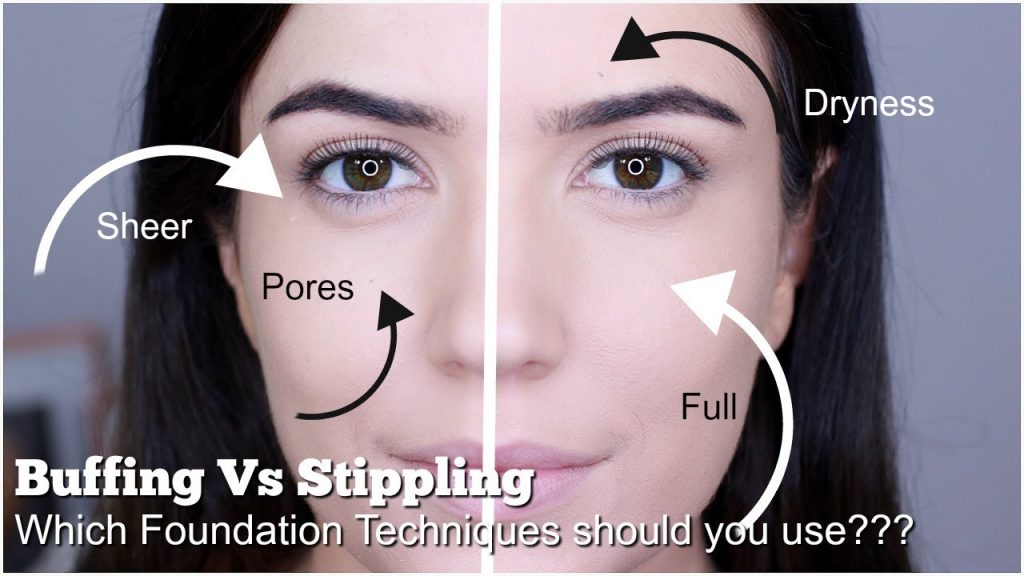
This examination of brush versus sponge application techniques invites you to consider performance, ease, and your personal style. Each method has its own strengths that cater to different needs and preferences. As you delve into the nuances of each technique, you may discover that the best option for you may not be as straightforward as it appears. Some makeup aficionados even find that a combination of both methods yields the best results, allowing for an artful blend of precision and natural beauty.
DIVE DEEPER: Click here to learn more
Comparing Performance and Application Methods
When it comes to the debate surrounding brush versus sponge application techniques, understanding their individual characteristics can illuminate the right choice for your needs. Each method offers unique advantages that can markedly affect the overall finish of your makeup or art project.
Brush Application Techniques
Brushes not only provide versatility but also a nuanced approach to both makeup and painting. With various shapes designed for different tasks, they can add precision to your application. Here are key aspects to consider:
- Control: Using a brush allows for a higher degree of control over the amount of product you apply. For instance, when working with concealer, a small, tapered brush can help achieve coverage precisely where it’s needed, without overdoing it.
- Detailing: Brushes are exceptional for detailed tasks. Whether crafting delicate eye makeup or adding intricate designs in painting, the right brush can make all the difference, providing the ability to create fine lines and defined shapes.
- Layering: The technique of layering product becomes much easier with a brush. For those who want to explore bold eye looks or intricate designs, a series of thinner applications can achieve a more sophisticated depth and finish.
However, mastering brush techniques can be challenging for beginners. Understanding how to utilize different brush types and sizes requires practice. Additionally, regular cleaning is paramount to maintain the brushes’ quality and hygiene, making it crucial for anyone committing to this application method.
Exploring Sponge Application Techniques
Sponges have carved a niche as favorite tools among makeup enthusiasts for their ease of use and unique textural qualities. Here’s why you might consider opting for a sponge:
- Seamless Blend: Sponges are renowned for their ability to create a flawless and skin-like finish. When dampened, they work to blend makeup seamlessly, reducing harsh lines and creating a soft diffusion of color. This makes them particularly popular among those aiming for a natural aesthetic.
- Lightweight and Buildable: With their porous structure, sponges excel in applying products in a light, buildable manner. Whether applying foundation, tinted moisturizer, or cream blush, sponges allow you to layer products effortlessly without resulting in a cakey appearance.
- Multi-Functional: Beyond their use with liquids and creams, sponges can also work well with loose powders. This makes them a multifaceted tool for various textures and products, providing a good return on investment for those looking to streamline their application arsenal.
Despite their advantages, there are a few drawbacks to keep in mind. Sponges can absorb excess product, leading to wastage, which might affect your makeup budget over time. Regular cleaning is also essential to prevent bacteria build-up, especially given their proximity to your skin. As such, both brushes and sponges require maintenance to perform at their best.
Overall, whether you lean towards a brush or sponge application technique depends largely on your individual preferences, the specific look you aim to achieve, and your comfort with each tool. The diversity in these methods leaves room for experimentation, inviting both seasoned professionals and explorative novices to explore the unique finishes they can provide.
| Application Technique | Advantages |
|---|---|
| Brush Application | Provides precise control, ideal for detailed work. |
| Sponge Application | Creates a smooth finish; great for blending and effects. |
| Another Benefit | Brushes can hold more product, allowing for seamless application. |
| Durability | Sponges are disposable and can provide hygiene benefits. |
In the world of makeup application techniques, understanding the differences between brush and sponge techniques can significantly impact your beauty regime. Choosing the right method can ensure flawless makeup application, tailored to your skin type and desired look. Brushes, known for their precise control, are exceptional for intricate detail work. Their versatility extends to various bristle types suited for different products, enabling you to achieve defined strokes or soften edges as needed. Additionally, brushes often hold more product, helping with seamless coverage in larger areas. On the other hand, sponges are celebrated for their ability to deliver a natural finish and blend foundations smoothly into the skin, minimizing telltale edges. Once dampened, these tools create a buildable effect, allowing for easy layering without caking. Their disposability also makes sponges a hygienic choice for those susceptible to breakouts.Both techniques cater to unique needs, and exploring these differences can lead you to discover the method that works best for your style and makeup objectives. Understanding these crucial distinctions can hugely benefit your day-to-day application, opening up a world of makeup artistry.
DIVE DEEPER: Click here to learn how your mental health impacts your skin
Personal Preferences and Practical Considerations
Choosing between a brush and a sponge for your application techniques isn’t solely based on their characteristics; it often intertwines with personal preferences and practical considerations, including skin type, desired finish, and application style.
Skin Types and Product Compatibility
One of the fundamental aspects to consider is your skin type, as different foundations and makeup products may work better with one tool over the other. For oily skin, sponges can sometimes exacerbate shine since they can apply product heavily; whereas brushes, especially those designed for powder applications, can provide a more controlled layer of foundation, helping to absorb excess oil. On the other hand, dry or combination skin may benefit more from a damp sponge, which adds moisture while blending products seamlessly, resulting in a dewy finish that’s hard to achieve with a brush.
Beyond skin type, brand choice plays a significant role in product compatibility. Many high-end foundations are formulated to be used with brushes, allowing for an airbrushed look, while some brands champion sponge applications for their base products, emphasizing soft, fully blended finishes. For example, many makeup artists recommend using a fluffy brush for powder blushes and a sponge for liquid highlighters, underscoring the importance of understanding the characteristics of each product you own.
Application Styles and User Experience
Your application style is another factor that can influence your decision. Beginners may gravitate toward sponges due to their forgiving nature. With less structure than a brush, a sponge can soften mistakes and allow for more creative latitude, which is ideal for those still mastering makeup techniques. Conversely, individuals with more experience might favor brushes for their ability to create defined looks and sharp edges, especially in eye makeup.
Moreover, the ergonomic design plays a role in the choice of application tool. Brushes are often equipped with long handles that allow for intricate work, providing a solid grip for creating precise lines. In contrast, sponges, typically held in the palm, promote a more intuitive, gentle approach—ideal for those who value texture and subtlety in their application process.
Hygiene and Maintenance
Hygiene is a critical component that should not be overlooked when deciding between brushes and sponges. Both tools require consistent cleaning to avoid skin irritations and breakouts. Brushes can be cleaned with soap and warm water, though this process can take considerable time due to the varying sizes of bristles and shapes. Sponges, while easier to wash quickly, require frequent replacement—experts suggest swapping them out every three to six months, especially if used regularly.
Understanding the balance of these factors—skin type, product compatibility, application styles, and maintenance—can aid in making an informed choice. As you evaluate your options, you may find a combination of both brushes and sponges works best for your unique makeup and art application needs.
DISCOVER MORE: Click here for expert tips
Conclusion
When it comes to choosing between brush and sponge application techniques, there is no definitive answer as to which is best; rather, it hinges on individual preferences, skin types, and the specific products used. Understanding the nuances of each tool empowers you to make an informed decision tailored to your needs. For those seeking a flawless finish with liquid foundations, a sponge may be the perfect partner, providing that coveted dewy look. Alternatively, brushes offer precision and versatility, making them ideal for achieving defined contouring and eye makeup styles.
Your personal journey and makeup experience will also shape your choice. Beginners may appreciate the ease of blending with a sponge, while experienced users could favor brushes for their ability to create intricate artistry. As hygiene remains a critical factor, consider your maintenance routine; brushes require a more extensive cleaning method, while sponges demand regular replacements.
Ultimately, the decision is yours. Explore the tools, experiment with various techniques, and discover what feels best on your skin. A combination of both brushes and sponges can also lead to an even more tailored makeup routine. As you navigate the world of application tools, you’ll likely find that the right choice elevates your makeup game, enhancing not just your look, but also your creative expression. Uncover new possibilities and remain open to adapting your technique, ensuring that your makeup routine remains as dynamic as you are.
Related posts:
The Evolution of Contouring Techniques: From Basic to Advanced
Makeup Techniques Inspired by Celebrities: Recreating Iconic Looks at Home
Makeup Techniques for Eyes: From Smoky Eye to Cat Eye
Sustainable Makeup Techniques: Eco-Friendly Products and Ethical Practices for Beauty
Makeup for Mature Skin: Tips to Enhance Beauty at Any Age
Contouring and Highlighting Techniques to Enhance the Face in Different Face Shapes

Linda Carter is a writer and beauty expert specializing in skincare routines, cosmetic ingredients, and holistic self-care practices. With extensive experience helping individuals achieve healthy, radiant skin and make informed beauty choices, Linda shares her knowledge on our platform. Her goal is to empower readers with practical advice and science-backed strategies for lasting beauty and skin health.