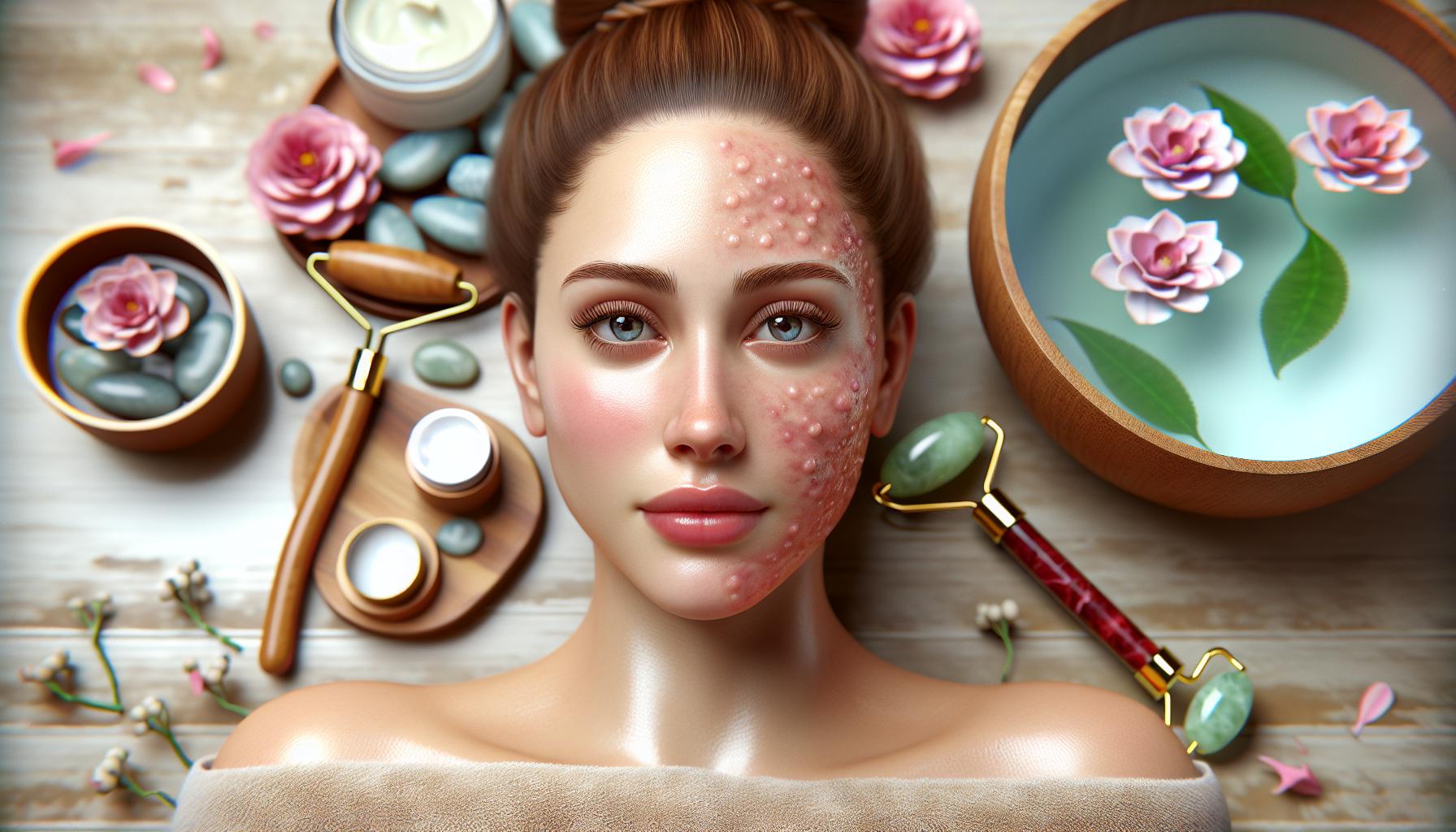
Facial Care for Teens: Building Healthy Habits Early

Building a Lifelong Skin Care Routine
The teenage years represent a crucial phase in life not only for personal development but also for establishing effective facial care habits. With the onset of adolescence, hormonal fluctuations kick in, which can wreak havoc on the skin. Understanding how to care for one’s skin during this transformative time is essential; it lays the groundwork for healthy skin that can last a lifetime.
Statistics reveal that skin problems are common during these years, with acne affecting approximately 85% of adolescents between the ages of 12 and 24. It can manifest in various forms, from mild breakouts to severe cystic acne, often leading to self-esteem issues. This is why developing a structured skincare regimen is not just about aesthetics; it’s also about fostering emotional well-being. Here are some fundamental practices that can help combat skin issues:
- Daily Cleansing: It is crucial to wash the face twice a day, using a gentle cleanser tailored for acne-prone skin. This removes excess dirt, oil, and makeup, reducing the likelihood of clogged pores. For those with oily skin, options containing salicylic acid can be particularly beneficial.
- Moisturizing: Even oily skin needs hydration. A lightweight, oil-free moisturizer can help maintain the skin’s barrier and ensure a healthy, vibrant appearance. Look for products labeled as non-comedogenic, which are less likely to clog pores.
- Sun Protection: Utilizing a broad-spectrum sunscreen with at least SPF 30 is essential to fend off harmful UV rays, which can cause premature aging and skin damage. Ideally, sunscreen should be applied daily, even on cloudy days, to maintain a youthful glow.
Incorporating these steps into a daily routine can dramatically boost the overall condition of one’s skin. Furthermore, education about different skin types—such as oily, dry, combination, and sensitive—can guide teens to choose appropriate products. For example, those with dry skin might benefit from cream-based cleansers, while those with oily skin should opt for gel-based options.
Additionally, understanding the ingredients in skincare products can empower teens to make informed decisions. For instance, products that contain benzoyl peroxide can be effective for treating existing breakouts, while ingredients like niacinamide can help reduce inflammation and redness. With proper guidance, adolescents can turn their skin challenges into an empowering routine that enhances both their physical appearance and inner confidence.
As teenagers navigate the complexities of skincare, they can also take advantage of resources such as dermatologists or skin care specialists for personalized recommendations. Embracing this journey of self-care not only promotes beauty but also nurtures a sense of well-being that can carry into adulthood.
DISCOVER MORE: Click here for insights on anti-aging techniques
Essential Practices for Healthy Skin
As teenagers embark on an exciting journey of self-discovery and growth, one significant aspect often overlooked is the importance of facial care. The teenage years are not only marked by emotional and social changes but also by physical transformations that can have a lasting impact on skin health. It is during this time that instilling healthy skincare habits becomes imperative, enabling teens to nurture their skin effectively while building confidence.
One of the most pressing concerns for teens is the battle against acne. It is more than just a cosmetic issue; acne can significantly affect one’s mental health, leading to anxiety and reduced self-esteem. A survey conducted by the American Academy of Dermatology indicates that nearly 60% of adolescents report feeling less confident due to their skin issues. By implementing practical skincare measures, teens can positively influence not just their appearance but also their emotional well-being.
Here are some crucial tips to consider:
- Regular Exfoliation: Beyond cleansing, gentle exfoliation 1-2 times a week can help remove dead skin cells and prevent clogged pores. Look for exfoliants that are suitable for sensitive skin, such as those with fine bamboo particles or enzymes.
- Avoid Picking or Squeezing: It may be tempting, but manipulating blemishes can lead to scars and prolonged recovery time. Educating teens about the repercussions of this habit is vital in preserving skin integrity.
- Healthy Diet: Nutrition plays a critical role in skin health. A balanced diet rich in fruits, vegetables, whole grains, and lean proteins can enhance skin clarity. Foods high in antioxidants, like berries and nuts, help combat inflammation and promote a radiant complexion.
- Stay Hydrated: Hydration is key. Encouraging teens to drink plenty of water throughout the day helps maintain skin elasticity and overall health. Aiming for at least eight 8-ounce glasses daily is a solid starting point.
A combination of these practices can tremendously enhance a teen’s skin condition while also imparting a sense of responsibility towards personal care. It’s essential for young individuals to understand that achieving healthy skin is a gradual process. Patience and consistency are required to see meaningful results.
Additionally, teenagers should become familiar with common skincare terms and understand the differences between products. For instance, should they choose a gel-based moisturizer for oily skin or a richer cream for dry areas? Learning to identify what works best for their unique skin type can empower them to make informed decisions in the aisles of beauty stores.
As teens continue to explore their identities, personal grooming, including facial care, serves as a self-expressive art form. By fostering a positive relationship with skincare early on, they are likely to develop enduring habits that contribute to healthy, glowing skin well into adulthood.
Understanding Teen Skin and Its Unique Needs
Teen skin is often subject to various changes and challenges, largely due to hormonal fluctuations during puberty. This phase of life brings about an increased production of oil, leading to issues such as acne and breakouts. It is vital for teens to understand their skin type—whether it is oily, dry, or combination—since this knowledge lays the foundation for effective facial care routines. By identifying their unique skin characteristics, they can select appropriate products that address specific concerns, fostering healthier skin from an early age.
The Importance of Consistent Skincare Routines
Establishing a consistent skincare routine is essential for maintaining skin health. Teens should aim for a simple regimen comprising a gentle cleanser, moisturizer, and sunscreen. These three steps can significantly improve the skin’s appearance and protect against harmful UV rays. By incorporating these steps into their daily lives, teens not only enhance their appearance but also build lasting habits that contribute to skin health well into adulthood.
Education on Ingredients and Product Selection
Another crucial aspect of facial care for teens is learning about the ingredients in skincare products. Understanding what to look for, such as non-comedogenic formulas that do not clog pores, can make a significant difference in preventing skin issues. Ingredients like salicylic acid and benzoyl peroxide have proven useful in treating acne, while hyaluronic acid can aid in hydration. This awareness empowers teens to make informed choices, ultimately resulting in better skincare outcomes.
Coping with Acne and Related Skin Issues
Acne can be a pervasive issue for teenagers, often affecting their self-esteem. Engaging in discussions about coping mechanisms and treatment options is crucial. Educational resources should emphasize the importance of not picking or squeezing blemishes, as this can lead to scarring and further irritation. Seeking professional advice from dermatologists is beneficial and should be encouraged among teens facing severe acne challenges.
The Role of Nutrition in Skin Health
Lastly, it’s important to highlight the intersection between nutrition and skin health. A diet rich in fruits, vegetables, and hydration can have a positive impact on the skin. Foods high in antioxidants can assist in the body’s natural healing processes. Educating teens on the beneficial effects of a balanced diet can create a holistic approach to skincare, reinforcing the idea that beauty and health are interconnected.
| Category | Benefits |
|---|---|
| Cleansing | Removes impurities and excess oil, preventing breakouts. |
| Moisturizing | Keeps skin hydrated and balanced, essential for all skin types. |
DIVE DEEPER: Click here to discover effective natural remedies
The Role of Sun Protection
Another crucial element in a teen’s skincare regime is sun protection. Many adolescents underestimate the long-term effects of sun exposure on their skin, often associating skincare primarily with acne or blemishes. However, the truth is that harmful UV rays can cause premature aging and significantly increase the risk of skin cancer later in life. According to the Skin Cancer Foundation, just one severe sunburn in childhood or adolescence can double the risk of melanoma, one of the deadliest forms of skin cancer. Empowering teenagers with knowledge about sunscreen can set the foundation for a lifetime of healthy skin.
- Daily Sunscreen Application: Encourage teens to incorporate a broad-spectrum sunscreen with an SPF of 30 or higher into their daily routine, even on cloudy days. This can be a part of the morning skincare ritual just like brushing teeth.
- Reapplication is Key: Teens often engage in outdoor activities, and it’s essential to remind them to reapply sunscreen every two hours, especially after swimming or sweating. Products designed for sports or water-resistant formulas can help.
- Understanding UV Index: Teach teens about the UV Index and its significance in determining when sun protection is necessary. Many local news channels or weather apps provide this information, making it easy to stay informed.
The Importance of Tailored Products
As young skin varies widely in type and sensitivity, it’s essential for teenagers to understand that skincare is not a one-size-fits-all approach. Many off-the-shelf products are too abrasive for delicate teen skin, which can lead to irritation or exacerbation of problems like acne. Instead, focusing on formulated products that cater to specific skin needs can make all the difference.
- Recognizing Skin Types: Teens should learn to identify their skin type—whether oily, dry, combination, or sensitive. Using the right products—such as non-comedogenic makeup or oil-free moisturizers—can help maintain skin balance.
- Ingredient Awareness: Encourage teens to familiarize themselves with ingredients. Salicylic acid is beneficial for acne-prone skin, while hyaluronic acid can provide much-needed hydration for dry complexions. Understanding these components enables informed choices in product selection.
Seeking Professional Guidance
While many teens can start on a personal skincare journey, consulting with a dermatologist can provide a tailored approach that addresses unique concerns. Educating teens about when to seek professional advice—such as persistent acne, unusual skin changes, or severe dryness—can encourage proactive engagement with their skin health.
Regular check-ups with a dermatologist not only foster suitable treatment plans but also familiarize adolescents with the skincare industry as they begin to explore more advanced products and techniques, like chemical peels or microdermabrasion. This knowledge can instill confidence and help debunk myths surrounding skincare practices.
As teenagers carve out their identities, understanding and nurturing their skin through these informed practices can significantly influence their confidence and self-image. The earlier they establish their skincare routine, the better equipped they will be to confront the challenges of skin health as they transition into adulthood.
DISCOVER MORE: Click here for insights on selecting the perfect skincare for your skin type
Conclusion: The Foundations of Lifelong Skincare
In summary, establishing a dedicated skincare routine during the teenage years is essential for cultivating healthy habits that extend into adulthood. As young people encounter skin challenges, such as acne and sensitivity, it becomes crucial to adopt a well-rounded approach that encompasses proper cleansing, moisturizing, and sun protection. However, these practices aren’t just about immediate aesthetic satisfaction; they are about fostering a deep-seated appreciation for skin health and wellness.
Moreover, teens should be encouraged to understand their unique skin types and to select products that align with their individual needs. By becoming informed consumers—recognizing beneficial ingredients and learning the significance of tailored products—adolescents can make smarter choices in their skincare routines, ultimately enhancing their natural beauty. The impact of early intervention and knowledge cannot be overstated, as proactive skin management can lead to fewer issues later in life.
As a final thought, the journey to healthy skin is not solely a solitary endeavor but can be enhanced through guidance from qualified professionals like dermatologists. Regular consultations offer tailored solutions and empower teens to take control of their skin health in an informed and confident manner. By investing in these early habits and understanding the intricacies of skincare, teenagers lay a robust foundation for a lifetime of healthy skin—contributing not just to their aesthetic appeal but also to their overall confidence and self-esteem.