
Trends in Sustainable Cosmetics and Their Anti-Aging Effects
The Rise of Sustainable Cosmetics
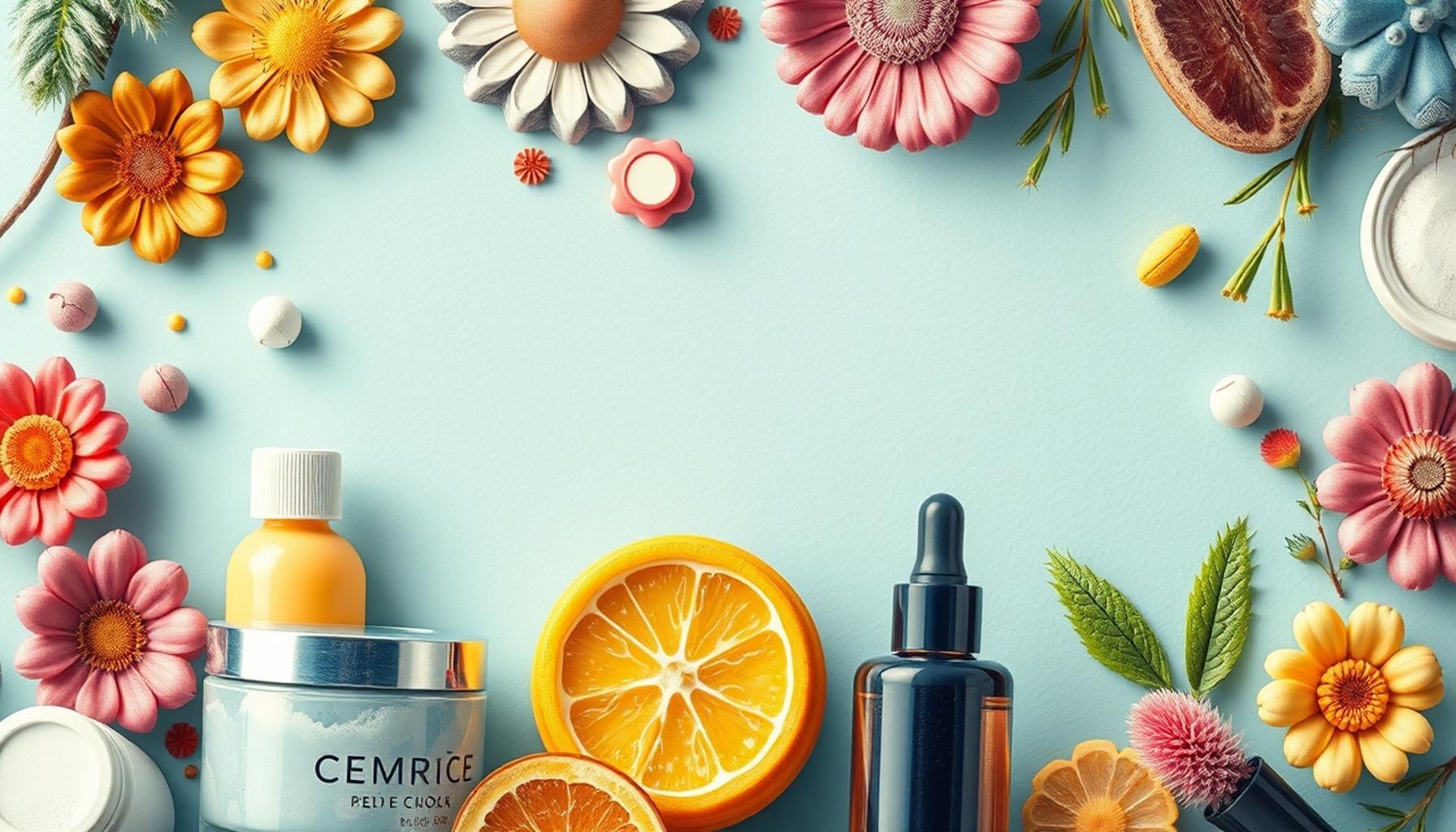
As the demand for environmentally conscious beauty products skyrockets, the world of cosmetics is undergoing a remarkable transformation. Sustainable cosmetics are stepping into the spotlight, merging ethical practices with cutting-edge science to address the needs of modern consumers. This shift reflects a notable change in consumer behavior, with an increasing number of individuals prioritizing products that align with their values of sustainability, health, and social responsibility.
Not only do these products aim to minimize ecological impact, but they also promise impressive anti-aging effects. With the baby boomer generation leading the charge in this market, there is a growing demand for effective skincare solutions that are both good for the skin and the planet. As a result, many brands are innovating in ways that cater to these dual desires, emphasizing ingredients that offer not just superficial benefits but also contribute to long-term skin health.
Key Trends Driving Sustainable Cosmetics
- Natural Ingredients: Brands are increasingly utilizing organic and plant-based components, which are known for their nourishing properties and ability to counteract signs of aging. Ingredients such as aloe vera, argan oil, and green tea extract have gained popularity for their antioxidant-rich formulations. For example, companies like Tata Harper and Herbivore Botanicals are leading the way by incorporating high-quality, sustainably sourced components into their products.
- Eco-Friendly Packaging: Innovative packaging solutions focus on recyclability and biodegradability, helping to reduce waste and plastic pollution. Brands like Lush and Ethique have developed packaging-free cosmetics or use recyclable materials for their containers, appealing to a consumer base that is becoming increasingly disenchanted with traditional packaging waste. Such initiatives not only help the planet but also resonate with consumers looking to make eco-conscious choices.
- Transparency and Ethics: As consumers become more informed, they are demanding that brands disclose their ingredient sourcing and production methods. Brands like Beautycounter lead the movement towards greater transparency, providing information about the safety of ingredients and the ethical sourcing practices behind them. This shift encourages companies to be more accountable, ultimately fostering trust between the consumer and the brand.
These trends reflect a growing awareness of sustainability and its significance in the fight against aging skin. The intersection of sustainability and skincare is reshaping the industry, offering both consumers and brands opportunities to create a lasting impact. For instance, regenerative agriculture practices are being adopted by some beauty brands, ensuring that the ingredients are not only beneficial for personal care but also contribute positively to the ecosystem.
With advances in biotechnology and a rise in conscious consumerism, the future of cosmetics looks promising. As brands continue to merge the twin objectives of sustainability and skin health, it becomes essential for consumers to engage with these products critically. This article will delve deeper into how these trends are redefining beauty standards and their implications for anti-aging solutions, inviting consumers to discover more about the synergy between personal health and environmental stewardship.
DISCOVER MORE: Click here for natural exfoliant recipes
Innovations in Sustainable Beauty Choices
The emergence of sustainable cosmetics has paved the way for innovative formulations that not only respect the environment but also effectively address the aging process. Consumers today are more informed than ever, seeking out products that serve dual purposes: enhancing their beauty and preserving the planet. In this context, the beauty industry is responding by integrating sustainable practices that ensure quality, efficacy, and environmental responsibility.
One notable trend is the move towards clean beauty. This term encompasses products made without harmful chemicals, artificial fragrances, or synthetic dyes. Instead, brands are harnessing the power of nature to deliver potent anti-aging properties. The use of botanical extracts and essential oils in lieu of traditional preservatives can yield remarkable benefits. For instance, rosehip oil, revered for its high levels of vitamins A and C, offers regenerative properties that help reduce fine lines and improve skin texture.
Ingredient Spotlight: Nature’s Best for Youthful Skin
As the conversation around anti-aging skincare evolves, certain natural ingredients have surfaced as heroes in the quest for youth. Here are some ingredients that epitomize the intersection of sustainability and efficacy:
- Bakuchiol: Often hailed as a plant-based alternative to retinol, bakuchiol has shown promising results in reducing the appearance of wrinkles and improving skin elasticity without the irritation commonly associated with synthetic retinols.
- Squalane: Derived from olives or sugarcane, this lightweight oil moisturizes while providing antioxidant protection, making it ideal for maintaining skin’s youthful glow.
- Sea Buckthorn: Rich in omega fatty acids and vitamins, this superfruit helps to rejuvenate and repair skin, providing potent anti-aging benefits while promoting biodiversity through sustainable sourcing practices.
Moreover, many brands are positioning their products to cater to specific skin concerns that emerge with age, such as dryness, loss of elasticity, and uneven skin tone. By focusing on holistic skin care, these brands emphasize the importance of nourishing and revitalizing the skin with biodegradable and ethically sourced ingredients that do not compromise on quality.
Another important aspect of sustainable cosmetics is the commitment to ethical sourcing. Many brands are beginning to engage in partnerships with local communities, ensuring that the harvesting of ingredients is done responsibly. This approach not only empowers these communities but also guarantees that consumers receive products rooted in sustainable practices, further enhancing their anti-aging benefits.
As more brands adopt these sustainable practices, the landscape of cosmetics is rapidly shifting. With the goal of delivering outstanding anti-aging results while prioritizing the health of our planet, consumers are witnessing a new era of beauty that aligns with their values. This intersection of sustainability and anti-aging skin care continues to gain momentum, inviting consumers to explore products that promise lasting beauty both inside and out.
| Advantages of Sustainable Cosmetics | Relevant Features |
|---|---|
| Eco-Friendly Ingredients | Derived from natural sources, these materials minimize environmental impact and reduce exposure to harmful chemicals. |
| Reduced Aging Effects | Formulations often include antioxidants and vitamins that target signs of aging, such as fine lines and wrinkles. |
| Transparency in Labeling | Brands now prioritize clear communication about their ingredients and sourcing practices, building trust with consumers. |
| Cruelty-Free Testing | Sustainable brands often commit to cruelty-free practices, ensuring no animals are harmed during product development, appealing to ethical consumers. |
The landscape of cosmetics is undergoing a transformative shift towards sustainability, intertwining environmental responsibility with revolutionary anti-aging solutions. Eco-friendly ingredients not only enhance skin health but also contribute to a greener planet. With emphasis on natural formulations, such products deliver a dual benefit: nourishing the skin whilst protecting ecosystems. Furthermore, the incorporation of antioxidants in these cosmetics is proven to effectively combat the damaging effects of free radicals, a leading cause of skin aging. Brands are adopting greater transparency by sharing sourcing and ingredient information, thus fostering consumer trust. Shoppers are increasingly attracted to brands that uphold ethical standards, including cruelty-free practices, aligning beauty routines with personal values. These trends signify a growing demand for cosmetics that promise not just aesthetic improvements, but also a commitment to sustainable practices that resonate with eco-conscious consumers, creating a compelling case for exploring what sustainable cosmetics can offer.
DISCOVER MORE: Click here
Eco-Conscious Packaging: A Step Towards Sustainability
In addition to innovative formulations, the packaging of sustainable cosmetics plays a crucial role in the overall impact of beauty products on the environment. As concerns about plastic waste grow, many brands are investing in eco-friendly packaging solutions. Biodegradable materials, recycled content, and refillable containers are emerging as popular options that not only reduce environmental footprints but also appeal to conscientious consumers.
For instance, several cosmetic companies are transitioning to glass containers, which are infinitely recyclable compared to traditional plastic. Brands such as Ilia Beauty and RMS Beauty are leading the way by using glass and aluminum in their packaging, thereby reducing reliance on fossil fuels and lowering their carbon emissions. Refillable systems are also gaining traction, allowing consumers to purchase refill pouches instead of new containers, effectively decreasing waste production.
Formulations That Care for the Earth
As the demand for sustainable cosmetics rises, many brands are prioritizing formulations that not only deliver exceptional anti-aging results but also actively contribute to environmental health. Ingredients sourced responsibly from the earth, such as sustainably harvested seaweeds and algae, are gaining popularity. These superfoods are rich in antioxidants and vitamins that combat skin aging while promoting marine biodiversity.
One fascinating example is the use of marine collagen, derived from fish scales or algae. Companies like Algenist utilize this ingredient to support skin elasticity and hydration. By leveraging ocean-derived ingredients, these brands underscore the importance of protecting marine ecosystems while creating products that deliver visible benefits.
Transparency and Education: An Informed Consumer Base
As sustainable cosmetics continue to grow, brands are recognizing the need for transparency in their ingredient sourcing and product formulation processes. The modern consumer values education and often seeks detailed information about the origins of the ingredients and the sustainability practices employed. Third-party certifications such as Leaping Bunny for cruelty-free products and USDA Organic seals indicate a brand’s commitment to ethically sourced ingredients, giving consumers confidence in their purchasing choices.
Educational campaigns are becoming essential as brands communicate the benefits of their sustainable practices. Social media and digital platforms serve as effective tools for brands to connect with consumers, sharing stories about the communities they support and the ecosystems they protect. Brands like The Ordinary utilize platforms to break down complex ingredient lists, making it easier for consumers to understand the significance of every component in their products, especially when it comes to anti-aging benefits.
Moreover, as the beauty industry embraces the digital age, many companies are turning to augmented reality (AR) and artificial intelligence (AI). These technologies help customers visualize how products work on their skin or recommend products aligned with their ethical values, thus enhancing the shopping experience and promoting informed choices.
By championing sustainable practices, innovative formulations, and transparent communication, the beauty industry is poised to not only fight signs of aging but also lead the way in environmental stewardship. This multifaceted approach fosters consumer trust, paving the way for a new era in cosmetics that prioritizes both personal beauty and planetary health.
DISCOVER MORE: Click here to uncover the secrets
Conclusion: The Future of Beauty is Sustainable
The evolution of sustainable cosmetics has reshaped the beauty landscape, introducing trends that marry environmental responsibility with quests for ageless skin. Consumers are increasingly drawn to products that not only beautify but also reflect their values regarding eco-friendliness and ethical sourcing. The rise of formulations featuring ingredients like marine collagen and algae not only offers potent anti-aging benefits but also highlights the critical need to protect marine ecosystems as a part of their brand ethos.
Additionally, eco-conscious packaging innovations are transforming how beauty products impact our planet. By favoring glass and recycled materials, brands like Ilia Beauty and RMS Beauty demonstrate that sustainability can coexist with modern aesthetics and functionality. Refillable options further this cause, allowing consumers to actively participate in reducing waste.
In this new era, transparency in ingredient sourcing and responsible practices has become paramount. Today’s consumers seek clarity about what they put on their skin, often turning to brands that provide comprehensive educational tools and certifications. This trend empowers informed purchasing decisions, fostering a deeper connection between brands and consumers.
Ultimately, the trend toward sustainable cosmetics not only addresses anti-aging concerns but reshapes consumer expectations regarding the beauty industry at large. As brands continue to innovate and adapt to these conscious choices, a path emerges toward a cosmetic world that nourishes both skin and planet. Embracing this dual mission reinforces the notion that true beauty thrives not just in how products perform, but in how they respect and protect the world we inhabit.