The Rise of Inclusive Beauty Products: Representativity and Diversity in the Cosmetic Industry
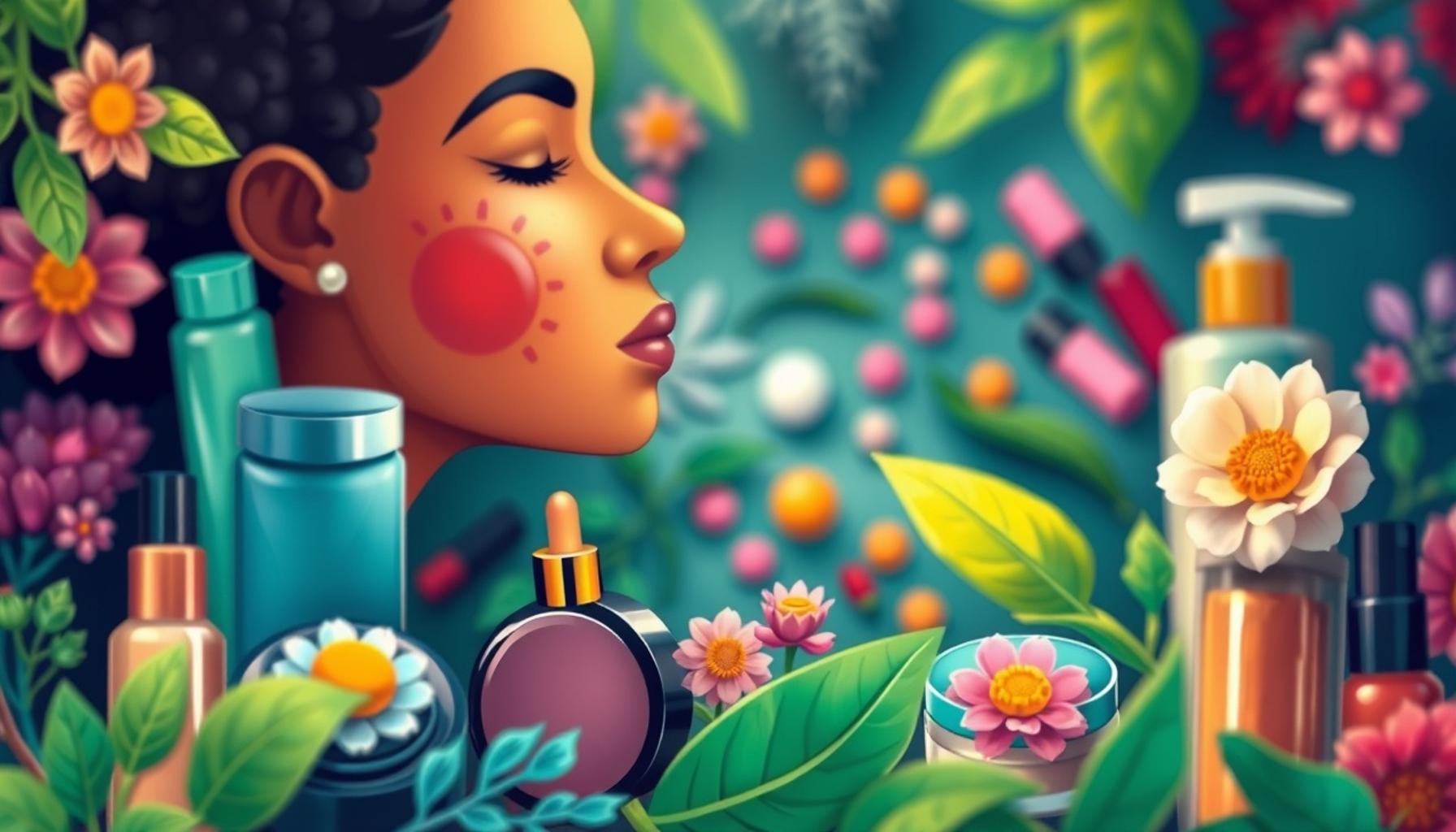
Understanding the Shift in the Cosmetic Industry
The landscape of the cosmetic industry is evolving as consumers increasingly seek out brands that mirror their diverse identities and experiences. The movement towards inclusivity and diversity is not simply a marketing strategy; it signifies a profound redefinition of beauty standards and industry norms.
One of the most visible manifestations of this shift is the expansion of product lines. Brands such as Fenty Beauty have set a new standard by introducing extensive shade ranges for foundations and concealers that accommodate a multitude of skin tones. Launched by pop icon Rihanna, Fenty Beauty began with an impressive 40 shades, and this number has since grown, pushing competitors to follow suit. As a result, consumers previously overlooked by traditional makeup lines now have the opportunity to find products that match their unique skin tones, fostering a sense of belonging and acceptance.
Moreover, enhanced representation is evident not only in products but also in marketing campaigns. Brands are increasingly showcasing models of various ethnicities, body types, and gender identities. This shift challenges the narrow beauty ideals of the past and promotes a broader understanding of what beauty can be. For example, campaigns from brands like Dove and Aveda have made waves by featuring real people rather than professional models, celebrating diverse beauty through authenticity.
The impact of this evolution extends far beyond aesthetics. According to a recent survey, a striking 60% of consumers reported that they actively seek out brands that prioritize diversity in their advertising. Furthermore, the rise of social media influencers from various backgrounds has amplified this demand for representation. Influencers can resonate with specific demographics, allowing them to foster communities that embrace diverse standards of beauty and encourage authentic discussions around cosmetics.
As the United States continues to grow more multicultural, the imperative for brands to cater to a wider audience becomes increasingly apparent. The implications of this emphasis on inclusivity are significant, suggesting a deeper connection between consumer behavior and brand loyalty. Brands that champion diversity not only attract customers but also cultivate lasting relationships rooted in mutual respect and shared values.
Looking ahead, the cosmetic industry stands at a crucial juncture. The rise of inclusive beauty products is reshaping market dynamics and prompting innovation. As brands adjust to meet the needs of a more diverse consumer base, they are likely to explore new formulations, develop more creative marketing strategies, and engage in socially responsible practices. The ongoing evolution of beauty signifies a more egalitarian landscape—one that benefits and uplifts all individuals, regardless of their background.
LEARN MORE: Click here for insights on sun exposure and skin aging
Redefining Beauty Standards
The rise of inclusive beauty products signifies a crucial turning point in the cosmetic industry, moving away from outdated beauty paradigms towards a more equitable representation of various identities. As consumers increasingly advocate for diversity and authenticity, brands are being compelled to respond effectively, not just from a commercial standpoint, but also from a cultural perspective. This evolution is not merely about products but also encompasses the entire brand ethos.
At the heart of this movement is the recognition that beauty is subjective, influenced by societal norms, personal experiences, and individual preferences. The traditional standards have often favored a narrow definition, which predominantly suited a limited demographic. However, with the growing emphasis on inclusivity, brands now strive to represent a full spectrum of beauty, from skin tones and textures to unique features.
Recent data underscores the shifting landscape. A survey conducted by the American Marketing Association revealed that 76% of respondents feel positively about brands that prioritize diversity in their campaigns. This response highlights an important shift—consumers not only want to see diversity but are also more likely to support brands that embrace it. Additionally, a significant percentage of beauty consumers are now actively discussing their preferences online, pinpointing their desire for authenticity in product offerings and marketing messages.
Key Changes in Product Offerings
This shift towards inclusion has led to a remarkable expansion in the variety of products that cosmetic companies offer. Some notable changes include:
- Foundation Shades: A more extensive array of foundation shades now dominates the market. Brands such as MAC Cosmetics and Maybelline have launched high-coverage foundations that cater to deeper skin tones, ensuring that every consumer finds their perfect match.
- Textural Variety: Acknowledging that all skin types have different needs, companies are increasingly formulating products suited to different skin textures—balancing moisture, oil control, and sensitivity.
- Gender-Neutral Products: As societal norms evolve, there is a growing demand for gender-neutral products that cater to a wider audience, such as unisex fragrances and makeup lines that transcend traditional gender boundaries.
These advancements are not merely superficial changes; they reflect a deeper commitment to representation and equality. The acknowledgment of diverse beauty preferences is reshaping consumer expectations and compelling brands to innovate in ways previously unconsidered. Additionally, the conscious effort to include diverse figures in marketing campaigns speaks volumes. By spotlighting influencers from different backgrounds, brands generate meaningful connections with their audiences that are rooted in shared experiences.
As the beauty industry embraces these transformations, its ongoing journey towards inclusivity illuminates broader societal shifts. The recognition that beauty is multifaceted fosters a sense of community among consumers, encouraging them to feel valued and represented. Moving forward, it is essential for brands to maintain this momentum, ensuring that the voice of diversity remains central in the evolving narrative of beauty.
The Rise of Inclusive Beauty Products: Representativity and Diversity in the Cosmetic Industry
The shift towards inclusive beauty products represents a significant evolution in the cosmetic industry, addressing the diverse needs of all consumers. Companies are increasingly acknowledging that beauty is not a monolithic standard, but rather a rich tapestry that celebrates differences in skin tones, types, cultural backgrounds, and gender identities. This transformation is influenced by a growing body of research that highlights the value of representation and diversity in marketing and product offerings.
Inclusive beauty challenges the long-standing norms that have often marginalized underrepresented communities. The beauty industry has seen the launch of brands dedicated solely to providing products for darker skin tones, offering a wide range of foundation shades that cater to various hues. For instance, major cosmetics brands have expanded their product lines significantly, some boasting 40 or more shades of foundation to ensure that every skin type and tonal variation is catered to, thereby dismantling previous barriers that limited options for many consumers.
Moreover, the narratives surrounding beauty are changing. New marketing strategies prioritize real stories from diverse individuals rather than stereotypical beauty ideals. This not only emphasizes authenticity but also allows consumers to identify with the products on a personal level. As a result, many brands are now engaging with their audiences through social media platforms, encouraging feedback and fostering communities where clients can share their experiences and beauty tips, further enriching the dialogue around inclusivity.
As we explore this paradigm shift, it becomes evident that the move towards inclusive beauty products is not just a trend but a necessary response to a global demand for innovation and equality. Timely and relevant discussions around representation and ethics in beauty will shape the future of the industry, paving the way for continued growth and empowerment across the board.
| Category | Key Features |
|---|---|
| Representation of All Skin Tones | Expanded shade ranges that meet the needs of diverse consumers. |
| Cultural Inclusivity | Brands consider cultural nuances in marketing and formulation. |
| Empowerment and Engagement | Social media interactions foster community and feedback. |
| Diverse Role Models | Advertising campaigns feature authentic stories from individuals. |
This dynamic is not only reshaping consumer expectations but also encouraging companies to be more ethical, transparent, and socially responsible in their business practices. The rise of inclusive beauty products signifies an exciting time for the industry, igniting a movement that will hopefully continue to dismantle barriers and redefine beauty standards for generations to come.
DISCOVER MORE: Click here to learn about optimal skin health through diet
Empowering Voices in The Industry
In tandem with the development of inclusive beauty products, the rise of authentic voices within the industry has significantly influenced the discourse around diversity and representation. As the narrative of beauty evolves, it is increasingly important to acknowledge the contributions made by influencers, activists, and brand founders who come from diverse backgrounds. These individuals share a unique perspective on beauty standards that challenge conventional norms and contribute to a richer tapestry of representation.
One company that epitomizes this change is Fenty Beauty, founded by the music artist Rihanna. Upon its launch in 2017, the brand made headlines with its remarkable range of 40 foundation shades, catering to an unprecedented array of skin tones. Fenty’s approach toward inclusivity has not only set a benchmark for other brands but has also inspired consumers to demand similar offerings. A report from Mintel indicated that the brand saw an astonishing $72 million in sales within its first month. This tremendous success underscores the market’s hunger for products that reflect diversity.
Beyond product offerings, the representation of models in advertising campaigns is another area where substantial change is being manifested. Campaigns featuring individuals from different ethnicities, body types, abilities, and ages are becoming increasingly common, challenging the long-standing tendency of brands to utilize a homogenous set of models. Companies like Aerie, with their #AerieREAL campaign, have taken bold steps by showcasing unretouched images of models of varying sizes and backgrounds, appealing to consumers seeking authenticity. The initiative resulted in a 20% rise in sales, demonstrating the efficacy of embracing true representation.
Furthermore, social media platforms have emerged as significant venues for voices advocating for inclusivity. Hashtags such as #BeautyForAll and #NoMakeupMovement have resonated with millions, fostering conversations around acceptance and appreciation of diverse beauty. Influencers like Josh Katz and Kerry Washington utilize their platforms to speak out about the importance of inclusivity, pushing brands to adopt more equitable practices. With their reach, these advocates have the power to reshape consumers’ perceptions and expectations, encouraging brands to align their missions with these evolving standards.
The Role of Consumer Activism
As the pendulum of change swings, consumer activism plays a pivotal role in driving brands toward more inclusive practices. The recent trend of social media campaigns calling for brands to offer more diverse products and to showcase models representing a wider array of identities signals a shift in consumer expectations. According to a survey by McKinsey & Company, brands that prioritize diversity not only benefit from increased loyalty but also capture the attention of younger consumers—who constitute a significant portion of the market and are more inclined to support brands whose values align with their own.
Historical data suggests that the push for inclusivity has tangible economic impacts on brands. A study published by Deloitte indicated that companies with diversity and inclusion initiatives are 83% more likely to outperform their competitors. This clearly demonstrates that inclusivity isn’t merely a moral obligation; it’s an economic strategy that can yield significant returns.
As the industry gradually awakens to the necessity of inclusivity, it’s essential to recognize that these transformative shifts create pathways to deeper connections between brands and their consumers. With every product launch and marketing campaign, the cosmetic industry inches closer to a reality where beauty is seen as a diverse spectrum, embracing everyone rather than catering solely to one demographic. This ongoing journey promises a more vibrant, equitable future for all participants in the beauty landscape.
DISCOVER MORE: Click here to learn about stress and skin health
Conclusion: A New Era of Beauty
The rise of inclusive beauty products marks a transformative era within the cosmetic industry, where representativity and diversity are no longer mere marketing buzzwords, but essential components of brand identity and consumer trust. As we have explored, the powerful narratives contributed by diverse voices—from influencers to activists—underscore the growing demand for a beauty landscape that resonates with all individuals, regardless of their backgrounds.
Brands are increasingly recognizing that catering to a broad spectrum of skin tones, body types, and identities is not only a response to consumer activism but also a lucrative business strategy. The impressive sales figures of companies like Fenty Beauty and consumer engagement with campaigns such as Aerie’s #AerieREAL serve as concrete evidence that patrons value and seek authenticity. This shift drives the industry towards an inclusive ethos, prompting brands to rethink their marketing strategies and product lines.
Moreover, as younger consumers cultivate their buying habits rooted in inclusivity and representation, it is clear that brands prioritizing diversity stand to gain both loyalty and profitability. The data highlights that companies embracing these values are better positioned to outperform their competitors significantly. It suggests that the future of beauty is not only about aesthetics but also about building deeper connections and fostering trust with an increasingly discerning and diverse consumer base.
In closing, as the cosmetic industry continues to evolve, this commitment to inclusivity remains paramount for lasting success. Moving forward, the integration of varied perspectives in beauty will undoubtedly create a richer, more vibrant market that celebrates every facet of individuality. The question remains: will your favorite brand rise to the occasion?