The Evolution of Facial Care: How History Influences Modern Practices

The Evolution of Facial Care
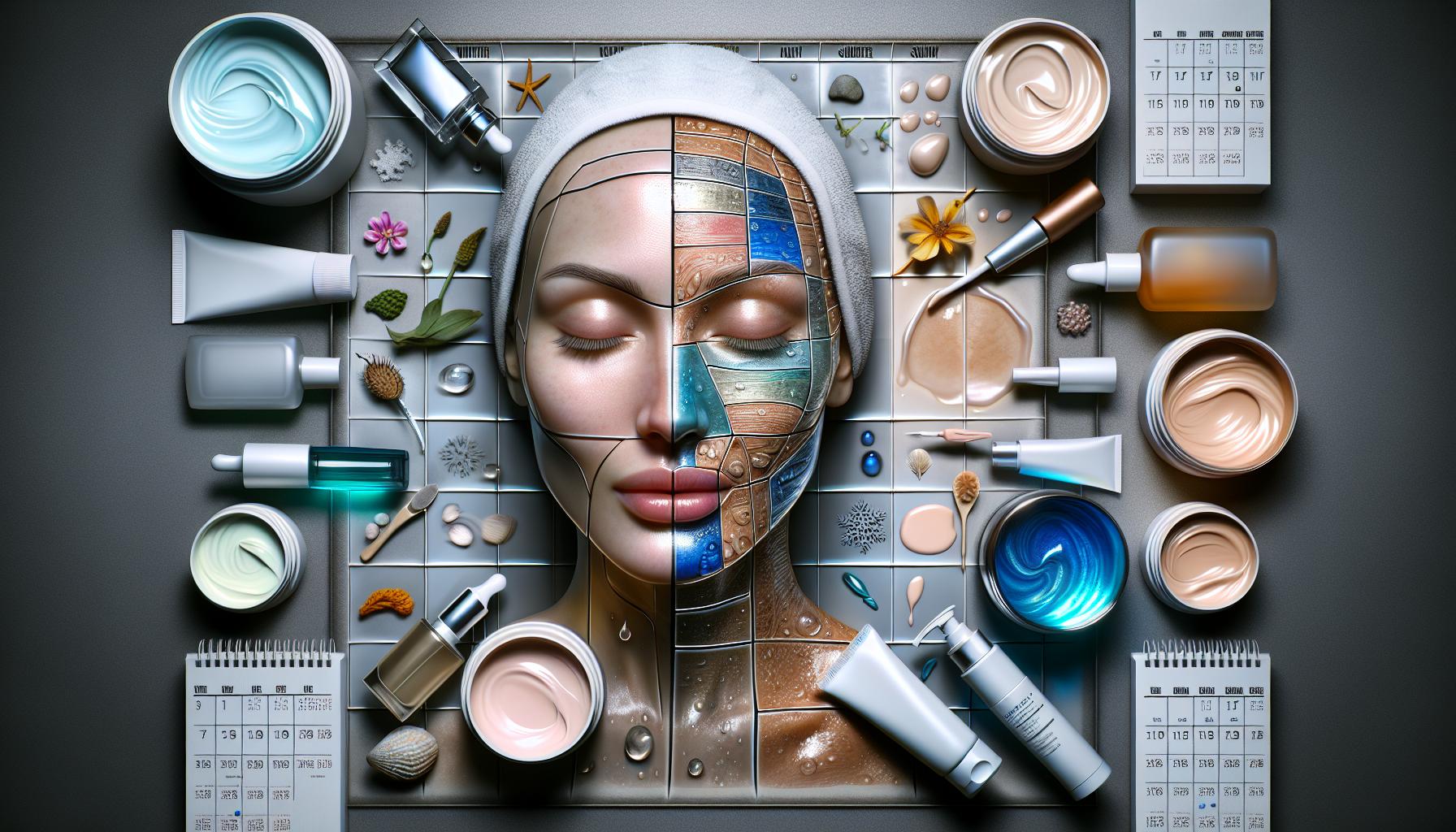
The narrative of facial care is rich and multifaceted, encompassing centuries of practices that reflect cultural values, scientific discoveries, and societal shifts. This saga is not merely about creams and cleansers; it reveals the profound relationship humanity has with beauty and self-nurturing methods.
One pivotal factor in the evolution of skincare is ingredient innovations. Ancient civilizations often relied on locally sourced natural substances. For example, in ancient Egypt, the use of olive oil and honey served a dual purpose not only for hydration but also for their antibacterial properties. Similarly, the use of rice bran in Asian cultures has been known for centuries for its nourishing effects, effectively laying the groundwork for contemporary ingredients like ceramides and antioxidants. Today’s modern formulations often blend these traditional practices with synthetic compounds that enhance efficacy, such as retinoids and peptides, allowing for tailored solutions to a myriad of skin issues.
Cultural influences have also played a significant role in shaping beauty standards worldwide. Across the globe, what is deemed attractive can vary dramatically. In the United States, for example, the 20th-century emphasis on achieving a sun-kissed glow led to a boom in bronzers and tanning products. Conversely, in other cultures, pale skin has been associated with beauty and social status, prompting the popularity of skin-lightening creams in certain regions. The interplay of these standards informs consumer choices and market trends in ways that are often fascinating to explore.
Furthermore, scientific advances have redefined our understanding of skin health, transforming the skincare landscape into a more clinical and evidence-based field. The emergence of dermatology as a specialized discipline in the 19th century was a game-changer, providing a platform for detailed research into skin conditions and paving the way for innovations such as laser treatments and targeted therapies. The public’s growing knowledge of skin anatomy and the impact of lifestyle factors on skin health further emphasizes the importance of informed skincare regimens.
As we analyze these intricate layers, it becomes clear that tradition and modernity coalesce in the skincare choices we make today. The rituals of Japanese Geishas, for instance, resonate in the meticulous care that many individuals now employ, emphasizing the significance of both prevention and treatment in maintaining skin health. This exploration into the history of facial care not only enriches our understanding but also inspires us to be more conscientious consumers in an era flooded with choices.
By delving into where we have been, we gain valuable insights that can guide our future in the expansive world of facial care. Whether one opts for high-end serums or budget-friendly moisturizers, each choice encapsulates rich traditions and innovations that deserve appreciation and understanding.
DISCOVER MORE: Click here to learn about the latest in anti-aging technologies
Historically Rooted Practices in Modern Facial Care
The journey of facial care stretches back thousands of years, revealing an enduring connection between cultural practices and the ongoing quest for beauty. At its core, skincare routines served not just aesthetic purposes but were often intertwined with rituals and traditions that reflected the spiritual and social values of the times. In this exploration, we can identify several historical practices that have laid the groundwork for the sophisticated products we use today.
One of the most notable historical influences on modern skincare is the concept of beauty rituals. Ancient Romans, for instance, were pioneers of beauty treatments, creating elaborate rituals that included facial masks made from ingredients such as eggs and milk. Freely applying these treatments was seen as a status symbol, exemplifying how beauty was not merely a personal endeavor but a societal hallmark. This inclination towards rituals can be seen in contemporary practices, where multi-step routines and luxurious masks have become a staple in many people’s lives.
Furthermore, the use of botanical ingredients has deep roots in various civilizations. For example, the ancient Greeks turned to olive oil, not only for nourishment but also for its protective properties against the elements. Likewise, the herbal wisdom of Indigenous peoples across North America emphasized the use of plants like aloe vera and sage for both skin healing and protection. This knowledge has evolved and is now reflected in the widespread incorporation of natural botanicals in modern formulations, capturing a blend of tradition and efficacy.
Key Historical Influences on Skincare Practices
- Ancient Egypt: The use of kohl for eye makeup and fragrant oils for moisturization set a precedent for beauty practices centered on enhancing appearance.
- Chinese Dynasties: The practice of acupuncture and ingredient infusions using ginseng demonstrated the early understanding of holistic health and its correlation to skin vitality.
- Victorian Era: This period saw an emphasis on modesty and restraint, leading to the rise of face powders and creams that aimed for a delicate, pale appearance, influencing societal beauty standards.
In addition to these historical practices, societal attitudes toward beauty have evolved dramatically. The early 20th century in the United States marked a significant shift as commercialism took center stage in the beauty industry. The introduction of mass-produced products provided wider access to skincare, democratizing beauty care while simultaneously laying the groundwork for marketing trends that would continue to shape consumer perceptions. As advertisements targeted distinct demographics, they further established ideals that continue to influence modern beauty practices, challenging individuals to align with shifting standards.
Understanding the historical context of facial care practices not only illuminates the past but also reveals how intertwined our beauty habits are with history. Each product choice, from high-end serums to herbal remedies, echoes centuries of tradition, pushing us to consider the roots of what we apply to our skin today. As consumers navigate through this rich tapestry of beauty, the echoes of history remain crucial in the quest for healthy and radiant skin.
The evolution of facial care is deeply intertwined with cultural practices, societal norms, and advancements in technology. Throughout history, various civilizations have contributed to what we recognize today as modern facial care. Ancient Egyptians were among the first to document skincare rituals; they utilized natural ingredients like honey, oils, and herbs to enhance skin health. These methods weren’t merely cosmetic; they also served protective functions against the harsh environments.As we moved into classical antiquity, Greeks and Romans utilized a variety of techniques, such as steam treatments and thermal baths, fostering a communal approach to skincare. The Romans especially emphasized cleanliness and would often mix oils with fragrances, which set the precedent for many modern facial treatments. In contrast, during the Middle Ages, European beauty regimens took a more austere turn, often influenced by religious ideals where natural beauty was suppressed, and the use of cosmetics became stigmatized.In Asia, particularly in China and Japan, facial care practices were heavily influenced by philosophies such as Traditional Chinese Medicine (TCM), which emphasizes balance and harmony. This historical context has seen the integration of ingredients like ginseng and green tea into contemporary products, highlighting the importance of holistic wellness in skincare.The 20th century marked a significant shift towards scientific approaches in skincare. Advances in dermatology led to the development of chemical exfoliants, antioxidants, and a range of active ingredients that address specific skin concerns. Today, we see a resurgence of clean beauty trends, with consumers gravitating towards sustainable and organic products reminiscent of ancient practices. This ongoing journey through time reveals that the quest for beauty is not just about aesthetics; it reflects a deeper understanding of health, social values, and, ultimately, our connection to history. As modern skincare continues to evolve, it builds upon these rich legacies, combining tradition with innovation to cater to diverse skin needs and preferences. The next phase in this evolution is marked by the impact of technology and social media, which have transformed how consumers interact with skincare. Digital platforms facilitate the sharing of knowledge and experiences, allowing individuals worldwide to discover and implement cultural practices in their own regimes. The importance of informed choices, personalized treatments, and the integration of global skincare wisdom signals a dynamic future for facial care, one that respects its roots while boldly stepping into new realms of efficacy and sustainability.
DIVE DEEPER: Click here for insights on adjusting your skincare routine</
The Impact of Technological Advancement on Facial Care
As we delve deeper into the evolution of facial care, it becomes increasingly clear that technological advancements have played a pivotal role in shaping today’s skincare landscape. From the invention of the first commercial beauty products to the digital age of personalized skincare, technology continues to influence not just the efficacy of products, but also the way consumers engage with their beauty routines.
The late 19th and early 20th centuries marked a revolutionary era for skincare. With the advent of the industrial revolution, the mass production of beauty products began in earnest. No longer confined to boutique apothecaries, skincare items became readily available at drugstores and department stores. Brands like Helena Rubinstein and Estée Lauder emerged, propelling the movement towards premium skincare that catered to a broad audience. This period saw the introduction of formulations like cold creams and toners that, while simple, set templates for the innovative products that would follow.
Fast forward to the digital age, and we witness a new wave of innovation driven by science and technology. Research into skin biology has led to a greater understanding of how ingredients interact with various skin types. For example, the introduction of hyaluronic acid as a hydrating agent found its roots in medical science. This key ingredient now saturates many modern facial care products, a fact that underlines the growing appreciation for biomimicry in skincare—using ingredients that naturally occur in the skin may enhance both efficacy and safety.
Digital Tools Revolutionizing Skincare
- Skin Analysis Technology: Applications like SkinVision and Dermify allow users to analyze their skin in real-time, providing tailored recommendations that echo the individualized beauty routines of past civilizations.
- Personalized Skincare: The rise of subscription-based models, exemplified by brands like Curology and Function of Beauty, caters to specific skin needs, democratizing access to skincare that addresses individual concerns just as traditional herbalists of old would have done.
- The Role of Social Media: Platforms like Instagram and TikTok serve as not just inspiration but education hubs, where historical tips resurged through trends can be seamlessly integrated into daily routines, enhancing the cycle of influence across generations.
Moreover, the popularity of DIY skincare trends reflects an era where consumers merge historical knowledge with contemporary practices. Inspired by ancient rituals, many are turning to kitchen ingredients—think masks made of avocados, honey, or oatmeal—as they seek a more natural, less chemically laden skincare experience. This embrace of natural ingredients draws on a legacy that dates back to the botanical practices of early civilizations and underscores a continued preference for the plant-based formulations that modern brands are eager to market.
The exploration of sustainable practices in facial care is another noteworthy trend shaped by history. Historically, many cultures engaged with their environment sustainably, using local and seasonal ingredients for their beauty rituals. In the 21st century, this ethos has resurfaced, powered by a heightened awareness of climate change and environmental responsibility. Brands are now investing in eco-friendly packaging and sourcing practices, reminiscent of how ancient civilizations cultivated their beauty treatments while respecting nature.
As the landscape of facial care continues to shift beneath our feet, it is essential to recognize that history is not simply a backdrop but plays an active role in shaping modern practices. From technological innovations to a resurgence of traditional wisdom, the evolution of facial care serves as a reminder of our shared journey through beauty and self-care.
DIVE DEEPER: Click here to uncover the facts
Conclusion: Bridging the Past to the Present in Facial Care
In exploring the evolution of facial care, we uncover a fascinating tapestry woven from the threads of history, culture, and innovation. From the ancient practices of herbal remedies to the sophisticated formulations of today, the journey of skincare has always echoed the values and knowledge of its time. The merging of historical wisdom with modern technology not only enriches our understanding but also inspires an ongoing dialogue about beauty and well-being.
The profound impact of technological advancements, particularly in skin analysis and personalized product offerings, reflects a significant shift towards individualized care that resonates with ancient practices. Just as the herbalists of the past catered to the unique needs of their communities, today’s brands are striving to provide tailored solutions that consider each person’s distinct skin profile.
Moreover, the renaissance of DIY skincare and sustainable practices highlights our collective desire to reconnect with nature and revive the botanical wisdom of our ancestors. As we embrace the natural world, we remind ourselves of the importance of ingredients that respect both our skin and the environment.
As we move forward, the evolution of facial care continues to spotlight the interplay between history and modernity. The beauty industry stands at a crossroads,where the reverberations of the past inform the innovations of the future. By understanding this rich legacy, consumers can navigate their skincare journeys with insight, honoring the traditions that have shaped the products they use today. Ultimately, the evolution of facial care is a compelling reminder that while our methods may change, the quest for beauty and self-care remains timeless.