The Benefits of Herbal Oils in Skincare: Nature’s Elixirs for Radiant Skin
Unlocking the Power of Nature
In a world bustling with chemical-laden products, herbal oils stand out as a natural alternative for achieving radiant skin. These potent elixirs, derived from various plants, offer a treasure trove of benefits that can transform your skincare routine. From ancient traditions to modern wellness trends, the popularity of herbal oils is undeniably soaring.
Why Choose Herbal Oils?
Herbal oils are packed with essential nutrients that work synergistically to nourish the skin. Their appeal lies in their ability to:
- Moisturize: Many herbal oils provide deep hydration, combating dryness. For example, almond oil is rich in fatty acids that lock in moisture, making it an ideal choice for dry skin types.
- Heal: Certain oils possess anti-inflammatory and healing properties. A prime example is calendula oil, widely used for its ability to soothe irritated skin and promote healing in cuts and abrasions.
- Boost Radiance: Regular use can lead to a natural glow. Users of facial oils, such as jojoba oil, often report brighter and more even-toned skin.
In addition to these benefits, herbal oils like tea tree, lavender, and rosehip have specific advantages that cater to different skin concerns:
- Tea Tree Oil: Known for its antibacterial properties, it is excellent for acne-prone skin. The oil’s ability to reduce inflammation and kill acne-causing bacteria makes it a staple in many American households.
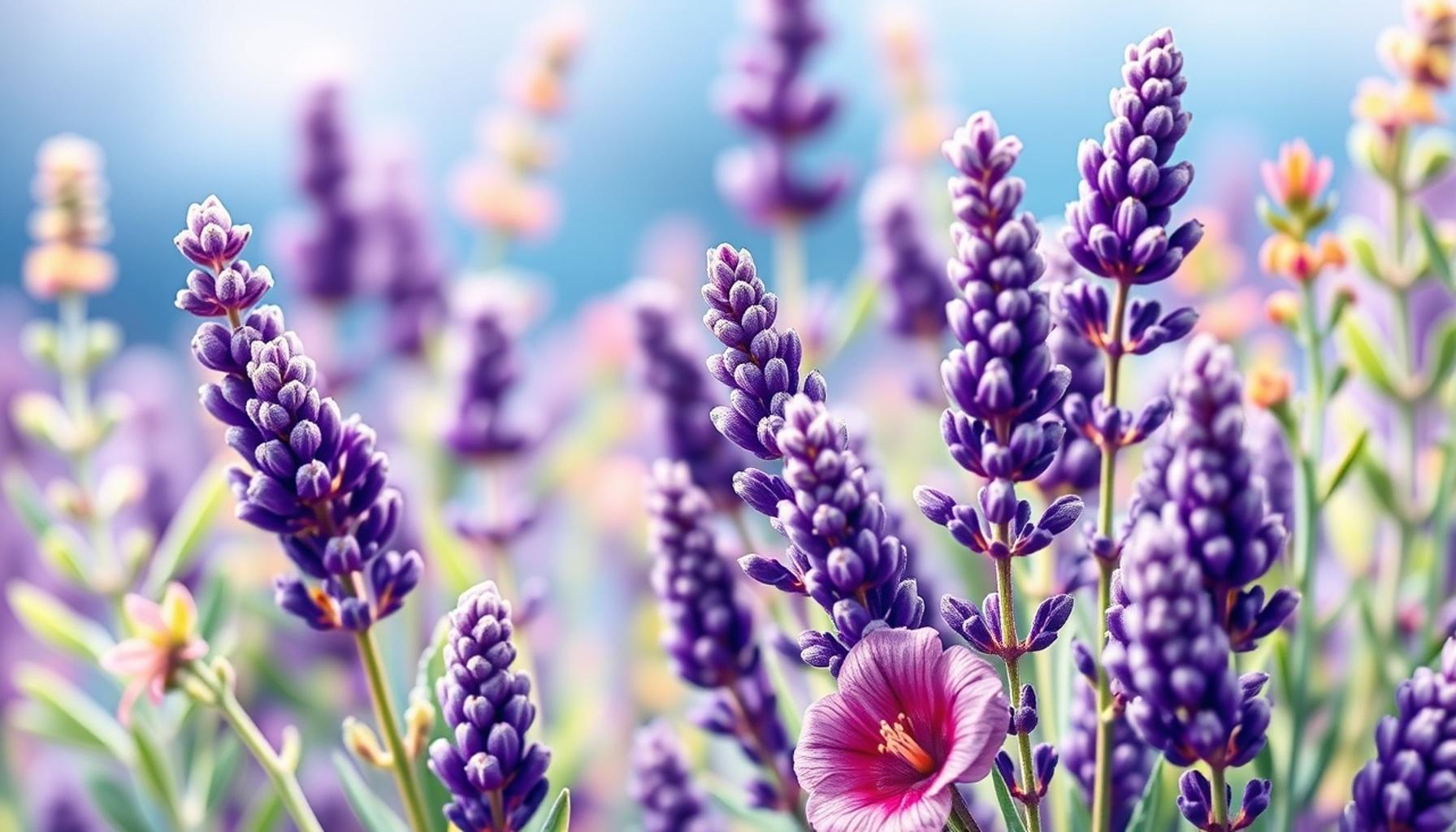
- Lavender Oil: Offers soothing effects, perfect for reducing redness and irritation. Lavender is not only beloved for its calming scent but also for its ability to promote a sense of relaxation after a long day.
- Rosehip Oil: Packed with antioxidants, it helps in reducing fine lines and scars. Its rich content of Vitamin A and fatty acids makes it a popular choice among those looking to refine their skin texture and diminish the signs of aging.
With their rich array of benefits, herbal oils present an exciting opportunity for skincare enthusiasts. The versatility of these oils allows them to be easily incorporated into any routine—in oils, creams, or serums—making them accessible to everyone. Moreover, the growing trend of self-care in the United States has sparked widespread interest in natural beauty products. Many consumers find joy in experimenting with different herbal oils to customize their skincare regimens.
In our comprehensive exploration of these nature’s elixirs, you’ll uncover more about how these potent oils can work wonders for your skin. As you embrace the natural, consider the remarkable potential of herbal oils to enhance not only your beauty but also your overall wellness.
LEARN MORE: Click here to uncover the connection
The Potency of Plant-Based Ingredients
The allure of herbal oils in skincare is grounded in their natural origins and the myriad benefits they bring to the skin. These oils, extracted from seeds, nuts, leaves, and flowers, are not only a hallmark of holistic beauty but are also backed by centuries of traditional wisdom and contemporary research. As consumers increasingly seek alternatives to synthetic products, herbal oils emerge as a beacon of natural wellness, promising tangible results with fewer side effects.
A Closer Look at Key Herbal Oils
Different herbal oils offer specific advantages that can cater to various skin types and concerns. Here’s a closer look at some of the most revered oils:
- Argan Oil: This Moroccan gem is renowned for its ability to hydrate and restore elasticity thanks to its high levels of Vitamin E and essential fatty acids. Argan oil is particularly beneficial for mature skin, helping to minimize the appearance of fine lines and enhance overall texture.
- Coconut Oil: Often celebrated for its versatility, coconut oil possesses excellent moisturizing properties while also acting as a natural antibacterial agent. Its lipid content helps maintain skin hydration, making it a popular choice for dry or flaky skin conditions.
- Marula Oil: Known for its ultra-light texture, marula oil is rich in antioxidants and is absorbed quickly by the skin. This exceptional oil minimizes redness and hydrates without clogging pores, making it ideal for combination or oily skin types.
- Hemp Seed Oil: With its perfect balance of Omega-3 and Omega-6 fatty acids, hemp seed oil is a fantastic choice for those with sensitive or acne-prone skin. It regulates oil production and provides hydration, promoting a healthier complexion without leaving a greasy residue.
The advantages of these oils extend beyond mere hydration and nourishment. They are celebrated for their ability to tackle specific skincare issues, ensuring that users can find a solution tailored to their unique needs. In addition, many herbal oils also boast antioxidant properties, which help defend against environmental stressors such as pollution and UV radiation—a significant concern for urban dwellers in the United States.
Aside from their remarkable skin benefits, the use of herbal oils aligns with the growing trend towards sustainability and environmentally-friendly practices. Many consumers are not just looking for effective products but are also conscious of their impact on the planet. By choosing herbal oils, users can indulge in a form of skincare that is inherently less toxic and more aligned with nature.
As we continue to explore the fascinating world of herbal oils, it becomes evident that these nature’s elixirs not only present a path to radiant skin but also foster a mindful approach to self-care. Embracing herbal oils might just lead you to uncover the most effective and holistic way to nurture your skin’s health.
The Benefits of Herbal Oils in Skincare: Nature’s Elixirs for Radiant Skin
Herbal oils have gained considerable attention in recent years, not just for their aromatic properties but also for their profound benefits when it comes to skincare. These natural elixirs are packed with nutrients, antioxidants, and anti-inflammatory properties, making them invaluable components of any skincare regimen.One of the primary advantages of using herbal oils is their ability to nourish and hydrate the skin. For instance, jojoba oil closely mimics the skin’s natural sebum, providing moisture without clogging pores. This makes it an excellent choice for those with oily or acne-prone skin, as it helps balance oil production while delivering nutrients effectively. Furthermore, oils like rosehip oil are rich in essential fatty acids and vitamins, particularly vitamin A, which promotes skin regeneration and improves overall skin texture.Another compelling reason to incorporate herbal oils into your skincare routine is their remarkable healing properties. Tea tree oil, for instance, is widely recognized for its potent antibacterial and anti-inflammatory capabilities, which can aid in reducing acne and soothing irritated skin. Similarly, lavender oil not only provides a calming aroma but also benefits the skin by promoting healing and reducing redness.In addition to their therapeutic effects, herbal oils can also enhance skin appearance. Oils such as argan oil are rich in antioxidants and vitamin E, which work to protect the skin from environmental damage while imparting a radiant glow. This glow isn’t just superficial; consistent use of these oils can lead to improved skin elasticity and a reduction in the appearance of fine lines and wrinkles.As you delve deeper into the realm of herbal oils, you’ll discover the myriad ways they can revolutionize your skincare routine. By embracing these natural elixirs, not only do you nourish your skin, but you also invest in its long-term health and beauty. With many options available, it’s worth exploring which herbal oils can become your skin’s best allies.
| Category | Benefits |
|---|---|
| Hydration | Herbal oils like jojoba oil mimic natural skin oils to maintain moisture balance, making them perfect for oily or dry skin types. |
| Healing Properties | Oils such as tea tree oil and lavender oil possess antibacterial and anti-inflammatory properties, aiding in acne relief and skin healing. |
DIVE DEEPER: Click here to discover more about your skin’s needs
The Synergy of Herbal Oils with Other Natural Ingredients
While each herbal oil offers its unique set of benefits, the true magic often lies in their ability to enhance and complement other natural ingredients. When combined with botanicals, vitamins, and essential oils, these herbal elixirs create a powerhouse of nourishment, resulting in synergistic effects that amplify their individual advantages. Understanding how to blend these ingredients can open a treasure trove of possibilities for skincare enthusiasts in the United States and beyond.
The Power of Blends
Utilizing herbal oils in conjunction with other natural extracts not only elevates their efficacy but also allows for personalized skincare routines tailored to specific needs. For example:
- Tea Tree Oil: Renowned for its anti-inflammatory and antibacterial properties, tea tree oil acquires incredible potency when blended with hemp seed oil. This pairing can help combat acne and soothe irritated skin while providing deep hydration without clogging pores.
- Lavender Oil: Combining lavender oil, known for its calming scent and skin-healing properties, with jojoba oil—which mimics the skin’s natural sebum—creates an excellent moisturizer ideal for balancing oily skin types and alleviating stress-induced breakouts.
- Rosehip Oil: This oil, rich in vitamins A and C, combines beautifully with marula oil to improve skin tone while keeping it hydrated. Together, they work to reduce the appearance of scars and hyperpigmentation while promoting an overall glow.
The incorporation of herbal oils into skincare formulations feels both luxurious and indulgent. However, the personalization it offers empowers users to address issues ranging from eczema to rosacea effectively. This self-care approach encourages individuals to explore their skin’s unique needs and provides the tools to cultivate a routine that promotes healing and rejuvenation from within.
The Role of Aroma in Skincare
Beyond their topical benefits, many herbal oils add a sensory dimension through their therapeutic aromas. Aromatherapy, gaining recognition for its psychological and emotional benefits, can be seamlessly integrated into skincare routines. The scent of essential oils such as bergamot can elevate mood and reduce stress, while chamomile can calm the mind and soothe the skin simultaneously. This holistic approach to skin wellness encompasses both the physical and emotional aspects of skincare, reinforcing the connection between mind and body.
Moreover, studies suggest that aromatic constituents in herbal oils possess properties that enhance skin absorption and efficacy. For instance, the molecular structure of essential oils can interact with skin receptors, which may assist in activating certain skin functions, optimizing nutrient delivery for improved skin health. Knowledge of these interactions is vital for brands and consumers alike as they delve deeper into the herbal oil market.
Consumer Awareness and Education
As demand for herbal oils increases, so does the necessity for transparency and education regarding sourcing practices and product quality. Consumers are urged to seek out products that are organic, sustainably sourced, and free from synthetic additives. Labels claiming 100% pure herbal oils should be examined closely to avoid diluted or adulterated products lacking in potency.
Additionally, understanding the extraction methods, such as cold-pressing or steam distillation, can significantly impact the oil’s therapeutic properties. Ethically produced and high-quality herbal oils not only deliver efficacy but also resonate with environmentally conscious consumers seeking to make eco-friendly choices.
In summary, the exploration of herbal oils in skincare reveals a world of possibilities where nature can provide solutions to various skin concerns. Whether enjoyed alone or layered into a rich blend, these oils deliver targeted benefits while nurturing the skin and connecting users to nature. As this trend evolves, continual education around herbal oils and their uses will empower individuals to take control of their skincare journeys.
LEARN MORE: Click here for insights on climate change and your skin
Conclusion: Embracing Nature for Skincare
In an age where synthetic solutions often dominate the beauty industry, the resurgence of herbal oils as effective skincare elixirs offers a refreshing alternative grounded in nature. Their rich composition of vitamins, antioxidants, and anti-inflammatory properties makes herbal oils invaluable for achieving and maintaining radiant skin. As highlighted throughout this article, these oils not only address common skin concerns such as dryness, acne, and pigmentation but also promote a holistic approach to wellness by integrating their therapeutic aromas into daily routines.
The potential of herbal oils is further enhanced when blended with other natural ingredients, creating unique formulations tailored to individual skin needs. This flexibility empowers consumers to personalize their skincare regimen, ensuring that it resonates with their specific issues and preferences. Beyond the physical benefits, the emotional solace that aromatherapy provides contributes significantly to an overall sense of well-being, ultimately enhancing the skincare experience.
As the demand for organic and sustainably sourced products continues to grow, consumer awareness is paramount. By choosing high-quality herbal oils and understanding proper usage, individuals can harness the full spectrum of benefits these elixirs offer. In conclusion, exploring the world of herbal oils unveils a vast reservoir of potential for skincare enthusiasts in the United States and beyond, encouraging a journey where nature leads the way to healthier, more vibrant skin.