How to Use Sunlight to Create Microclimates in Your Home Garden
Understanding Microclimates
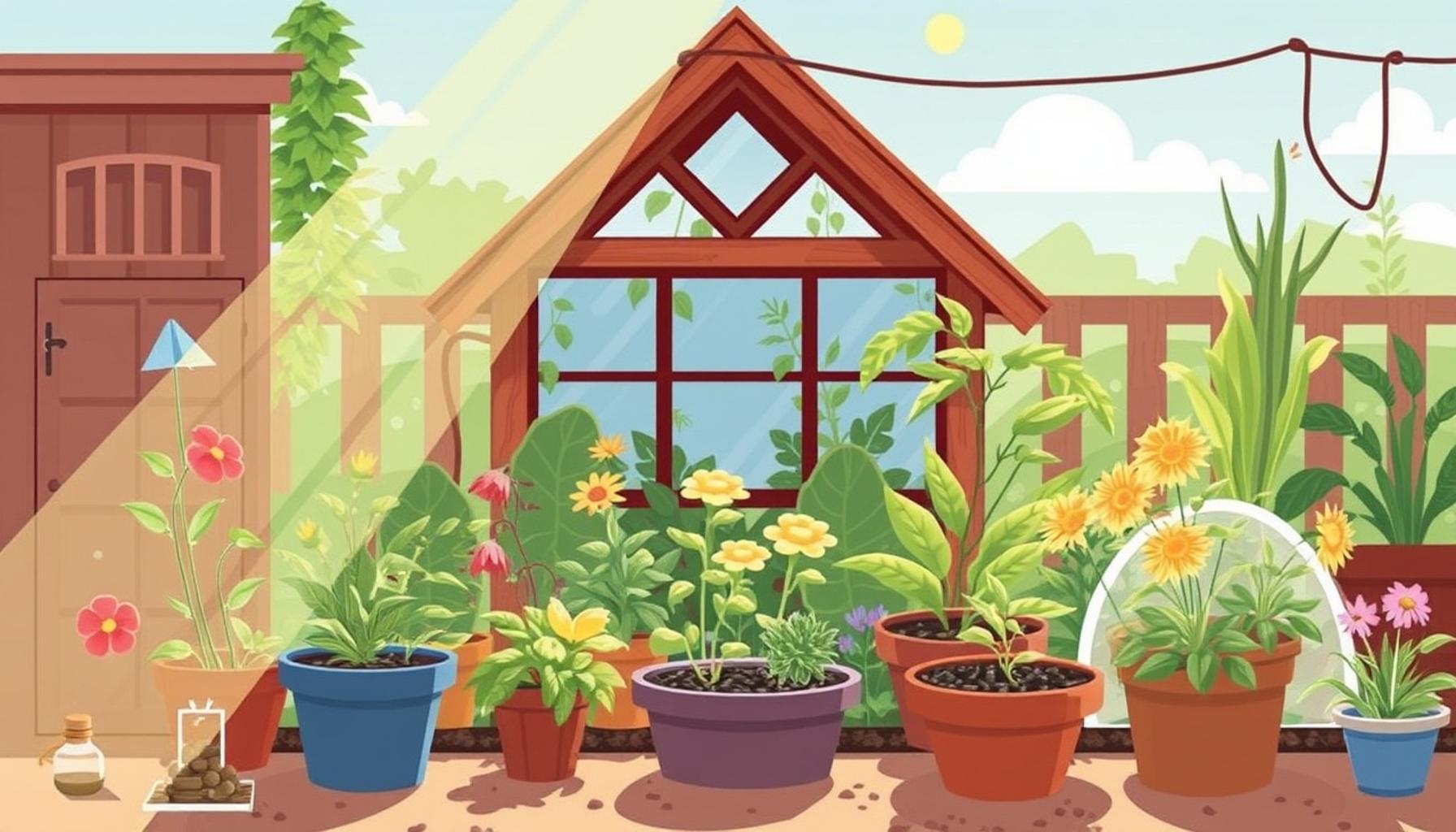
Creating a thriving garden hinges on more than just soil health and watering practices; it requires a keen understanding of your garden’s unique microclimates. A microclimate refers to a small, localized area where the climate differs from that of the broader area surrounding it. Factors such as sun exposure, wind protection, and the influence of nearby structures can create pockets of favorable conditions for plant growth. For instance, a garden situated next to a south-facing brick wall can experience elevated temperatures due to sunlight absorption, allowing you to grow a wider variety of plants, including heat-loving ones like tomatoes and peppers, even in cooler climates.
Techniques to Maximize Sunlight
To harness sunlight effectively in your garden, consider employing a variety of techniques aimed at enhancing its presence.
- Sun Trap Features: Incorporating structures such as walls, fences, or trellises can serve as sun traps, capturing and retaining heat. For example, a wooden trellis can absorb sunlight during the day and release it at night, providing a stable environment for climbing vegetables or flowering plants that prefer warmer conditions.
- Plant Selection: Choosing the right plants is essential for maximizing sunlight exposure. In sun-drenched areas, opt for sun-loving varieties like lavender, zinnias, and sunflowers. In contrast, shade-tolerant options—such as hostas and ferns—thrive in cooler, shadier parts of your garden. This strategic selection ensures that each plant can flourish in its designated microclimate.
- Shade Management: Effective management of shade can greatly influence plant health. Utilizing shade cloths or strategically placing taller plants to provide filtered sunlight can help moderate temperature in sensitive areas. For instance, if you have seedlings that are particularly vulnerable to intense afternoon sun, using shade cloth can protect them while they acclimate.
Benefits of Proper Sunlight Management
The proper balance of sun and shade in your garden does more than just promote aesthetic beauty; it fosters a healthier ecosystem. By understanding and manipulating sunlight, you create an environment conducive to better growth, vibrant blooms, and potentially even extended growing seasons. This means that with thoughtful planning, you could enjoy fresh produce from spring through fall, even in variable climates like those found across various regions in the United States.
Conclusion
As you embark on this journey of gardening, remember that seemingly minor adjustments—like repositioning a trellis or selecting the right plant species—can lead to significant improvements in plant health and yield. Whether you are cultivating a rooftop garden in a bustling city or nurturing a backyard plot in the suburbs, understanding how to leverage sunlight will undoubtedly enhance your gardening experience. So gather your tools and get ready to turn sunlight into your greatest ally in creating a thriving garden!
DISCOVER MORE: Click here to learn about companion planting
Utilizing Sun Placement for Optimal Growth
One of the cornerstone principles in creating effective microclimates in your home garden is understanding the sun’s trajectory throughout the day and across different seasons. The placement of sunlight shifts dramatically based on both seasonal changes and local geography. Consider your garden’s orientation—south-facing areas generally receive the most sunlight, making them ideal for growing heat-loving plants. In contrast, north-facing gardens might have limited direct sunlight exposure, necessitating thoughtful adjustments to plant selection and layout.
To capitalize on sunlight, gardeners need to observe their plots at various times of the day. Early morning and late afternoon light tends to be softer and less intense, while midday rays can be blistering. This means that certain tender plants may benefit from afternoon shade to prevent scorched leaves, while sturdier varieties can bask in full sunlight without issue. Documenting these patterns will allow you to map out the sunniest areas and position your plants appropriately.
Creating Heat Islands
Another innovative technique to harness sunlight is through the creation of heat islands in your garden. These are areas where heat is concentrated, often generated by materials that absorb and radiate warmth, such as stone, brick, or concrete. By incorporating these materials into the garden design, you can effectively elevate the temperature in localized spots. For example, a paved patio or a stone pathway can absorb heat during the day and release it in the evening, making adjacent planting beds more favorable for heat-sensitive plants.
- Soil Management: Ensuring that your soil is dark and rich can further enhance heat retention. Dark soils absorb more sunlight, creating a microclimate that advantages warmer-loving plants.
- Water Features: While water typically cools an area, strategically placed shallow ponds or stone basins can also retain warmth, especially when the sun shines down on their surfaces.
- Container Gardening: Using dark-colored pots for your potted plants will not only amplify aesthetic appeal but serve as an effective tool for heat retention, encouraging rapid growth in your flora.
Maximizing Vertical Space
In addition to understanding sunlight orientation and creating heat islands, maximizing vertical space can produce remarkable results in your garden’s microclimates. Vertical gardening techniques, such as installing shelves, trellises, or green walls, not only save ground space but also optimize light exposure for different plant varieties. Climbing plants such as peas and cucumbers can benefit immensely from this approach. By elevating them, you allow them to access sunlight that might be obstructed at ground level.
Moreover, consider the placement of your vertical elements to deflect sunlight effectively; strategically positioned trellises can filter excessive light during the hottest parts of the day, creating a balance between sun and shade. In essence, vertical gardening provides diverse microclimates within a compact space, promoting a richer gardening experience.
Continuing with the theme of using sunlight to create microclimates in your home garden, it’s essential to consider the positioning and the variety of plants you choose. Each plant species has its own sunlight requirements, which means that careful planning can lead to more effective utilization of available sunlight, thereby enhancing the overall health of your garden.For instance, placing taller plants on the northern side of your garden beds can effectively shade shorter plants from the harsh afternoon sun. This is particularly helpful in hot climates, where too much sun can lead to wilting and decreased growth rates. Additionally, incorporating various plant heights introduces vertical layers into your garden, maximizing light capture while providing shelter to understorey plants that thrive in partial shade.Furthermore, using reflective surfaces, such as light-colored walls or fences, can enhance sunlight distribution in your garden. These surfaces can bounce light back into shadowy corners, allowing more light-loving plants to flourish where they otherwise may struggle. Integrating these reflective elements alongside strategically placed foliage can create ideal spots for planting more delicate species or growing seedlings.Utilizing containers also offers an intriguing method to create microclimates. By positioning pots in sheltered areas with adequate sunlight exposure, you can cultivate varieties that may otherwise not thrive directly in the ground. This controlled environment allows for more precise temperature and moisture management, enabling you to extend your growing season significantly. The essence of creating microclimates doesn’t stop at just utilizing sunlight; it firmly rests on understanding the interplay between plants, light, and environmental factors. Through practical applications of these methods, you can foster a thriving garden ecosystem that provides bountiful harvests while maintaining ecological balance.
DISCOVER MORE: Click here for vibrant ideas
Enhancing Sunlight Through Strategic Planting
Building on the knowledge of sunlight exposure and creating heat islands, one of the most transformative ways to develop microclimates in your home garden is through strategic planting. Selecting the right plants and positioning them wisely can yield a host of benefits, not only optimizing their growth conditions but also improving the overall health and aesthetics of your garden.
Consider companion planting, where certain plants are grouped together to enhance each other’s growth, and some provide shade to others that require it. For instance, pairing tall sunflowers with delicate lettuce can create a shaded area that keeps the lettuce cool during the scorching afternoon sun while simultaneously providing a vibrant lookout in the garden. This kind of planting promotes biodiversity, ultimately creating resilient microclimates that can withstand fluctuating temperatures.
Harnessing Natural Windbreaks
Windbreaks can significantly impact the overall microclimate by protecting delicate plants from harsh winds while optimizing sunlight access. Strategically placing tall shrubs or even a row of small trees along the perimeter of your garden can create a sheltered environment that conserves heat and moisture. For example, planting native evergreens such as Eastern Red Cedar or Pine can provide effective barriers that shield your garden from the cold winds during winter months.
Additionally, these windbreaks can also serve a double purpose by attracting beneficial wildlife, such as birds and pollinators, fostering a supportive ecosystem. Deciding on the height and density of your windbreaks is crucial; they should be positioned at a slight angle, allowing sunlight to filter through without completely obstructing it. This delicate balance is essential in maintaining the warmth and inviting nature that these plants can provide.
Utilizing Reflective Surfaces
Another innovative technique to enhance your garden’s microclimate is the use of reflective surfaces to redirect sunlight. Materials like white walls, reflective garden ornaments, or even strategically placed mirrors can amplify light intensity in darker spaces of your garden. This method can be particularly beneficial during the early spring or late fall when sunlight is limited.
- Fencing: A white-painted wooden fence can not only serve as a visual boundary but can reflect sunlight and warmth onto adjacent planting beds, effectively extending your growing season.
- Garden Decor: Items such as silver or chrome garden art can double as functional elements that aid in light distribution while adding aesthetic charm to your garden.
Seasonal Adjustments for Continued Success
The changing seasons require constant attention to how sunlight interacts with your garden. As summer fades and autumn rolls in, consider repositioning containers or temporary shade structures—a simple tarp or mesh can work wonders—as the sun’s angle changes. Seasonal planting can also play a vital role; planting cold-hardy vegetables, such as kale or Brussels sprouts, as summer crops are harvested can ensure that your garden remains productive through the colder months.
Adaptability and vigilance in understanding how sunlight affects each corner of your garden are key to creating thriving microclimates. By continually assessing and adjusting your garden layout based on sun exposure, wind patterns, and plant interactions, you can curate an environment that boasts prolific plant growth and a self-sustaining ecosystem.
DON’T MISS: Click here to discover essential watering techniques
Conclusion: Cultivating Your Ideal Microclimate
In summary, mastering the art of creating microclimates in your home garden hinges upon understanding the dynamic relationship between sunlight, plant selection, and environmental structure. From strategic planting that maximizes companion relationships to leveraging natural windbreaks for protection, each element contributes to a more resilient and productive garden. By utilizing reflective surfaces, such as light-colored fences or ornaments, you can enhance sunlight distribution, ensuring even the shadier corners of your garden thrive.
Moreover, the importance of seasonal adjustments cannot be overstated. As the seasons shift, so too must your gardening strategies. By remaining adaptable—rearranging planters, implementing shade structures, or introducing new plants—you can cultivate an environment that is not only visually appealing but one that supports biodiversity and productivity throughout the year.
Ultimately, the journey to optimizing sunlight in your garden is one of continuous exploration and learning. Embrace the interplay of light, shadow, and nature, and you’ll discover a plethora of opportunities to nurture your plants. As you delve deeper into creating microclimates, consider documenting your garden’s progress; not only will this aid in refining your techniques, but it also allows you to share and inspire others in the gardening community. With thoughtful application of these strategies, your garden can flourish—transforming each season into a testament to the ingenuity of harnessing sunlight effectively.