Lighting and Irrigation: How to Create an Ideal Environment for Your Indoor Garden
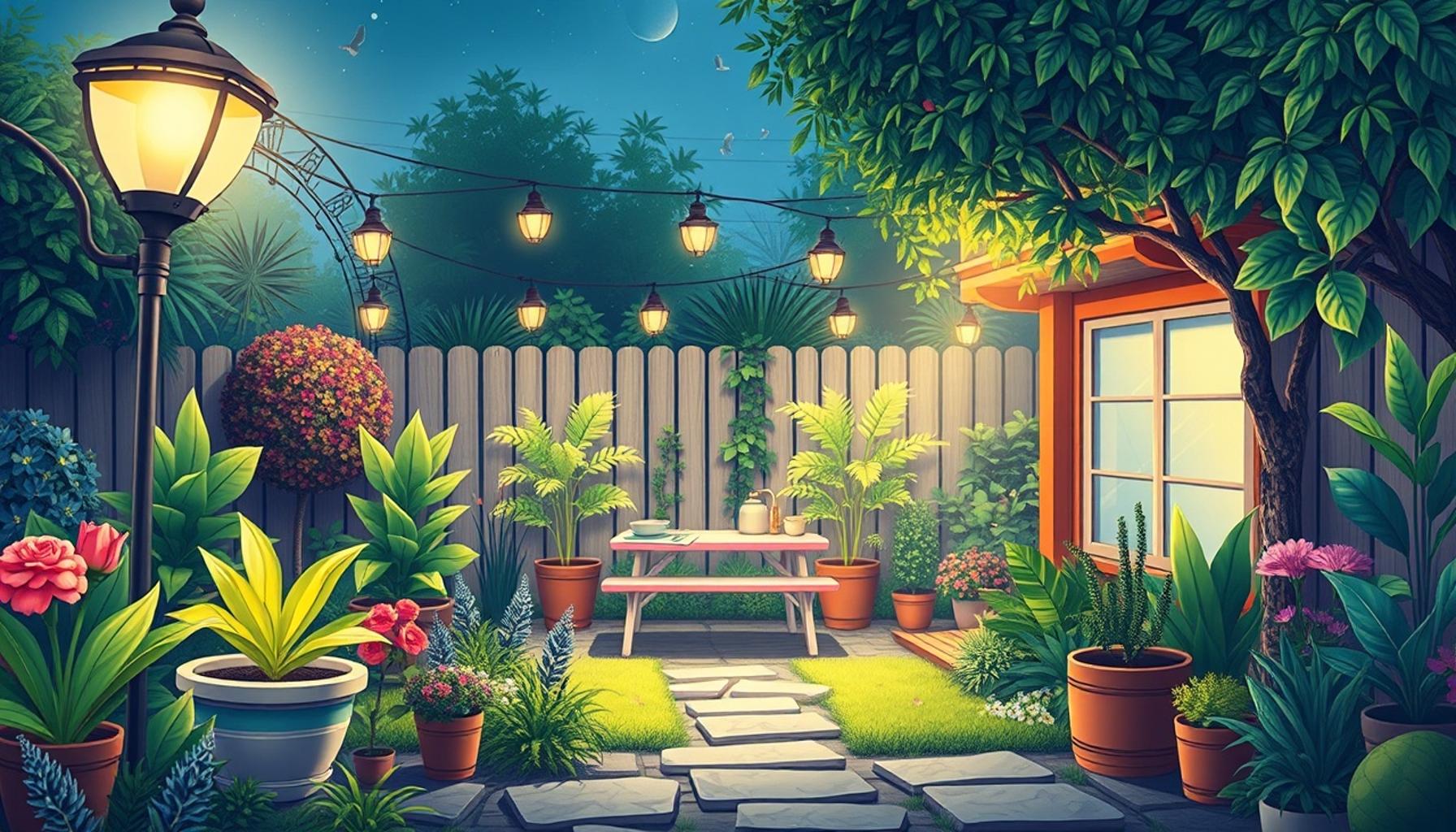
Creating the Perfect Environment for Your Indoor Garden
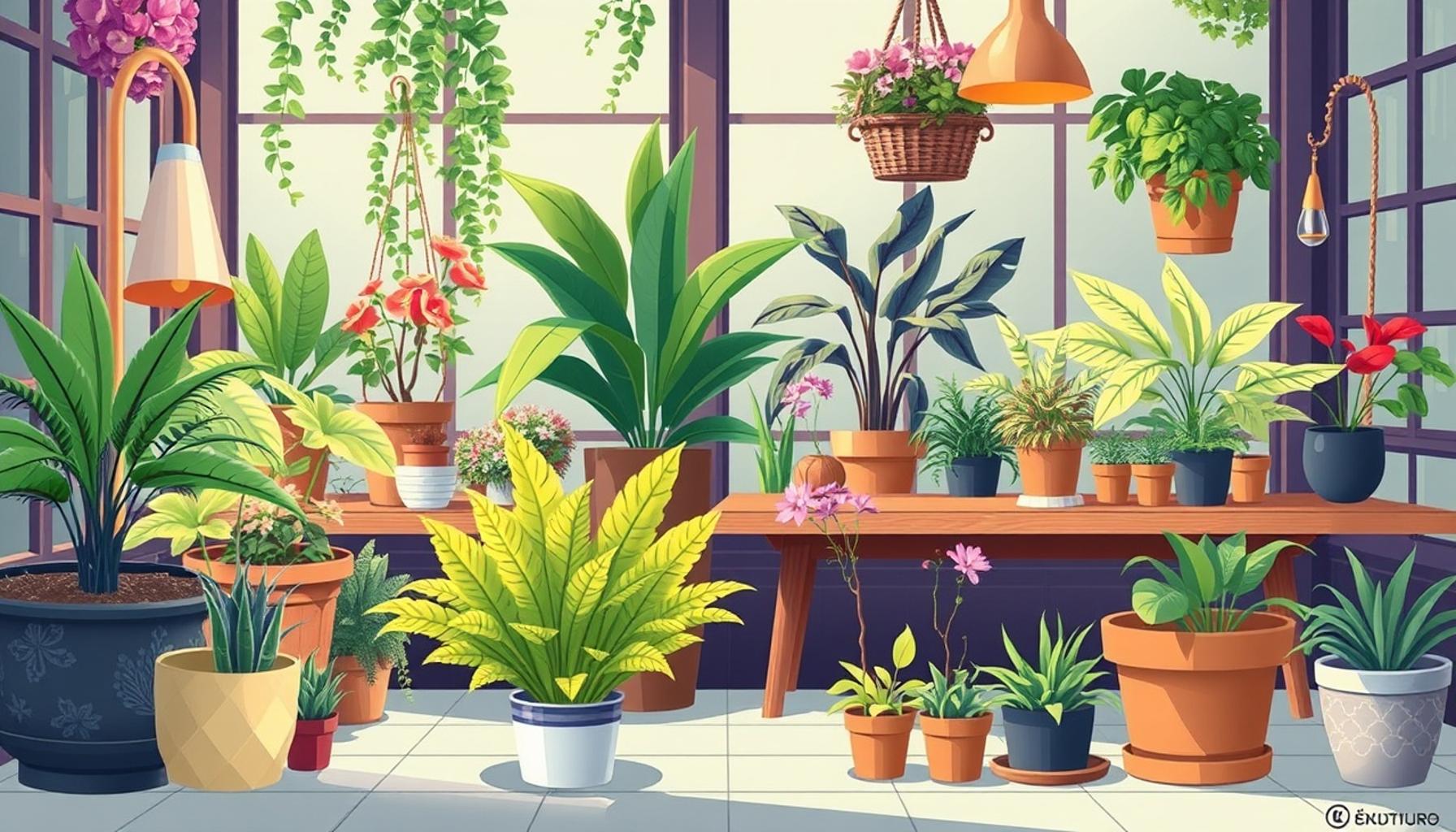
Indoor gardening is more than just a hobby; it’s a journey into a world of vibrant greenery and blossoming beauty. However, achieving a thriving indoor garden hinges on two crucial elements: lighting and irrigation. Understanding how to properly manage these elements can lead to unparalleled growth and aesthetic appeal. Let’s explore what every indoor gardener should consider:
Lighting
The role of lighting in an indoor garden cannot be overstated. As the primary energy source for plants, adequate lighting is fundamental for successful photosynthesis. Different types of plants have varying light requirements, making it essential to choose the right lighting solution that suits your plant selection. Options include:
- Natural light – maximizing window exposure: Utilize south or west-facing windows to take advantage of the sun’s rays. Placing plants closer to these windows can provide them with the bright light they crave, especially during the winter months. Plants like succulents and cacti thrive in direct sunlight, while others, such as ferns, prefer filtered light.
- LED grow lights – energy-efficient and customizable: These lights simulate sunlight and are ideal for those with limited natural light. They come in various spectrums to aid different growth stages. For instance, a blue spectrum promotes vegetative growth, while red spectrum light encourages flowering and fruiting. Additionally, they consume less electricity and have a longer lifespan than traditional bulbs, making them sustainable.
- Fluorescent bulbs – great for seedlings and young plants: Tubular fluorescent bulbs offer a soft yet effective light that supports the growth of delicate seedlings. They are excellent for starting plants indoors, especially during early spring when the natural light is still limited. Make sure to keep the lights a few inches above the plants for optimal results.
Irrigation
Equally important to your indoor garden’s success is effective irrigation, which maintains optimum moisture levels critical for plant health. The method of watering can greatly influence soil moisture and the overall well-being of your plants. Key methods to consider are:
- Drip irrigation – precision watering for individual plants: This method delivers water directly to the roots, reducing water waste and preventing overwatering. By installing a simple drip system, you can ensure that each plant receives the exact amount of moisture it needs, promoting healthier growth.
- Self-watering pots – lower maintenance: Ideal for busy gardeners, self-watering pots can help maintain consistent moisture levels. These containers typically have a reservoir that supplies water to the soil as needed, allowing for less frequent watering and minimizing the risk of plant stress.
- Humidity trays – beneficial for tropical plants: Many indoor plant enthusiasts overlook the importance of humidity. A humidity tray filled with water and pebbles can help increase moisture levels in the air, which is especially beneficial for tropical plants, such as peace lilies and spider plants, that thrive in higher humidity environments.
With the right approach to lighting and irrigation, you can cultivate a lush indoor garden that flourishes year-round. Delving deeper into these aspects not only enhances your gardening experience but can also lead to a stunning indoor oasis that brightens up any living space. Whether you’re growing a small herb garden in your kitchen or a collection of ornamental plants in your living room, mastering these fundamentals can transform your indoor gardening journey into a rewarding adventure.
DISCOVER MORE: Click here to learn about easy-to-grow plants
Understanding the Importance of Lighting and Irrigation
The transformation of your indoor space into a flourishing garden begins with a deep understanding of its essential components, namely lighting and irrigation. Both play pivotal roles in ensuring that your plants not only survive but thrive, creating an inviting atmosphere filled with life. Let’s delve into each aspect to provide a foundation for a successful indoor gardening experience.
The Role of Lighting in Indoor Gardening
Lighting is undoubtedly one of the most critical factors in determining the health and success of your indoor garden. Plants rely heavily on light for photosynthesis, a process that converts light energy into chemical energy needed for growth. Be mindful that different plants have diverse lighting needs, and understanding these requirements can significantly enhance their development. Here are key considerations regarding lighting:
- Photoperiod – Understanding light duration: Different plants require varying lengths of light exposure. For example, some flowering plants thrive on longer light durations, while others may flourish under shorter daylight conditions. Recognizing and adjusting the photoperiod helps create a balanced environment for your garden.
- Light intensity – Assessing the luminosity needs: The distance from your light source plays a crucial role in light intensity. Generally, plants positioned closer to a light source receive more intense light. However, care must be taken not to place them too close, as this could lead to burning. Utilizing light meters can aid in determining the appropriate distance for your specific plants.
- Supplemental lighting – Extending natural light: If your home lacks adequate sunlight, especially during winter months, consider implementing supplemental lighting strategies. LED and fluorescent grow lights are excellent for ensuring all plants receive the light durations and intensities they require, allowing you to explore more plant varietals in your indoor garden.
Navigating Effective Irrigation Techniques
Irrigation is another cornerstone of nurturing your indoor garden. An efficient watering system not only ensures proper moisture levels but also prevents problems such as root rot and nutrient deficiency. The following techniques can help refine your irrigation approach:
- Watering schedule – Find the right frequency: Establishing a consistent watering schedule tailored to each plant species is vital. Factors such as humidity, temperature, and plant size influence how often you need to water. Stick your finger into the soil; if it feels dry an inch below the surface, it’s time for a drink.
- Soil moisture meters – A tool for precision: Employing a soil moisture meter can take the guesswork out of watering. This handy instrument allows you to measure the moisture levels in your soil accurately, ensuring that your plants are neither over-watered nor under-watered.
- Water quality – The importance of clean water: The type of water used can also impact plant health. Tap water often contains chlorine and other chemicals that may harm sensitive plants. Consider filtering your water or using rainwater for irrigation to offer your plants the purest source for optimal growth.
Through proper management of lighting and irrigation, you can create an ideal environment for your indoor garden. By blending your knowledge of light dynamics with effective watering techniques, you pave the way for a lush, healthy indoor ecosystem that truly enhances your living space. Explore the nuances of these elements to discover the perfect balance that suits your gardening aspirations and plant favorites.
| Category | Description |
|---|---|
| Lighting Quality | Proper lighting ensures plants receive adequate photosynthesis for growth. |
| Controlled Irrigation | Automated systems regulate water levels, preventing overwatering and optimizing nutrient absorption. |
| Customized Spectrums | Use of LED technology allows gardeners to provide specific light spectrums needed for different plants. |
| Humidity Control | Maintaining humidity levels aids in preventing disease and promoting healthy growth. |
Creating an ideal environment for your indoor garden requires understanding the intricate balance of light and water. The right lighting not only enhances plant aesthetics but also boosts growth productivity through effective photosynthesis. Utilizing advanced lighting solutions like LEDs allows for tailored spectrums that different plants need, ensuring a thriving indoor garden.Equally important is the irrigation system. Implementing controlled and automated irrigation can significantly reduce the chances of overwatering, which is often detrimental to plant health. Constant monitoring of moisture levels ensures that plants receive just the right amount of water, further aiding in nutrient absorption. Additionally, managing humidity is crucial as it can prevent the onset of diseases, providing a healthy atmosphere for your plants to flourish. Understanding these core elements can lead to a successful indoor gardening experience, prompting gardeners to delve deeper into innovative agricultural techniques.
DISCOVER MORE: Click here to uncover the secrets of proper watering
Creating a Balanced Ecosystem: Integrating Lighting and Irrigation
With the fundamental elements of lighting and irrigation addressed, the next step in cultivating your indoor garden lies in the integration of these two components. Establishing a synergistic relationship between lighting and watering regimes molds not only the environment but also the survival and flourishing of your plants. Here’s how to weave them together effectively:
Monitoring Environmental Conditions
To optimize your indoor garden, maintaining the right environmental conditions is essential. Beyond just light and water, your plants thrive in a harmonious balance of temperature, humidity, and air circulation. Here are strategic ways to monitor and adjust these factors:
- Temperature control – Keeping it cozy: Most indoor plants flourish within a temperature range of 65°F to 75°F during the day and can tolerate slightly cooler temperatures at night. Use thermometers placed near your plants and adjust your heating or cooling systems as necessary to avoid exposing your plants to temperature extremes.
- Humidity levels – Creating moisture-rich air: Indoor spaces can often become dry, especially in climates where heating systems are used year-round. Using a humidifier can help maintain optimal humidity levels, ideally between 40% and 60%, to prevent issues like leaf curling and brown tips. Grouping plants together can also create a localized humid microclimate.
- Ventilation – Ensuring air flow: Healthy air circulation is crucial for preventing mold and pests. Adequate airflow helps to evaporate excess moisture while allowing fresh air to exchange, thus ensuring that your indoor plants receive sufficient carbon dioxide. Consider using small fans during the warmer months to increase airflow around your plants.
Understanding Nutrient Requirements
While light and water are fundamental, they must also be supported by an effective fertilization strategy. Plants extract nutrients from the soil, and if their nutrient needs are not met, even the best lighting and irrigation practices can lead to poor growth. Here’s how to approach nutrient management:
- Choosing the right fertilizer – Matching nutrients to needs: Different plant species have varying nutrient requirements. A balanced fertilizer with equal parts nitrogen, phosphorus, and potassium may suffice for general plant health, while specialized fertilizers designed for flowering or fruiting plants offer targeted nutrients to enhance growth.
- Application frequency – Timing matters: Fertilizing during the active growing season (spring and summer) ensures your plants get the necessary boost. As light levels decrease in the fall and winter, plants typically enter a dormant phase, leading to a decrease in their nutrient uptake.
- Organic vs. synthetic – Making informed choices: Organic fertilizers, such as compost or worm castings, can build soil health over time while synthetic options may offer a more immediate nutrient release. By understanding the benefits and drawbacks of each, you can find the best balance for your garden.
Decoding Plant-Specific Needs
To truly harness the power of lighting and irrigation, it’s essential to recognize that each plant has its own unique set of needs. Conducting research through trusted gardening resources or local horticultural societies will help you uncover specifics on:
- Preferred lighting conditions – Some plants, like succulents, enjoy full sun, while leafy greens like lettuce thrive in partial shade. Grouping plants with similar requirements can simplify your setup and ensure each one receives adequate care.
- Watering preferences – Certain plants prefer consistently moist soil, while others like their roots to dry out thoroughly between waterings. Adjusting your irrigation based on plant type is vital for preventing water-related issues such as rot or wilting.
- Growth habits – Understanding how plants grow can affect both their lighting and irrigation needs. For instance, climbing plants may need support to stretch toward the light, while bushy plants might require more careful watering to avoid over-saturation at their bases.
By merging your approach to lighting, irrigation, environmental conditions, nutrient management, and plant-specific needs, you can cultivate an indoor garden that not only looks stunning but also thrives in its artificial environment. Engaging deeply with these elements encourages a rewarding gardening experience that can transform your indoor space into a serene sanctuary.
DISCOVER MORE: Click here to get tips on selecting the best plants for your indoor garden
Conclusion: Cultivating Success in Your Indoor Garden
Creating an ideal environment for your indoor garden is a multifaceted endeavor that harmonizes lighting, irrigation, and a range of other environmental factors. By actively engaging with the specific needs of your plants, from their lighting preferences to their watering habits, you lay the groundwork for a thriving green space within your home. Understanding the intricate balance of temperature, humidity, and ventilation strengthens this foundation. Monitoring these conditions with precision allows you to identify the optimal climate for your indoor flora.
Moreover, nutrient management through effective fertilization strategies adds an essential layer to your gardening approach. Whether you choose organic or synthetic fertilizers, ensuring that your plants receive the right nutrients at the appropriate time elevates the health and vibrancy of your indoor garden. Recognizing that each plant species has unique requirements allows for tailored care, ensuring that your garden flourishes irrespective of the challenges of indoor conditions.
As you embark on this journey of indoor gardening, remember that experimentation and observation play a crucial role. Each garden is a unique ecosystem, and adapting your strategies based on real-time feedback can lead to unforeseen success. Diving deeper into the world of indoor gardening not only enhances your skills but also transforms your living space into a beautiful and refreshing sanctuary. By blending the art and science of lighting and irrigation, you can cultivate an indoor garden that not only survives but truly thrives, enriching your home and your life.