
The Impact of Climate on Hair Health: Adapting Your Hair Care Routine for Different Seasons
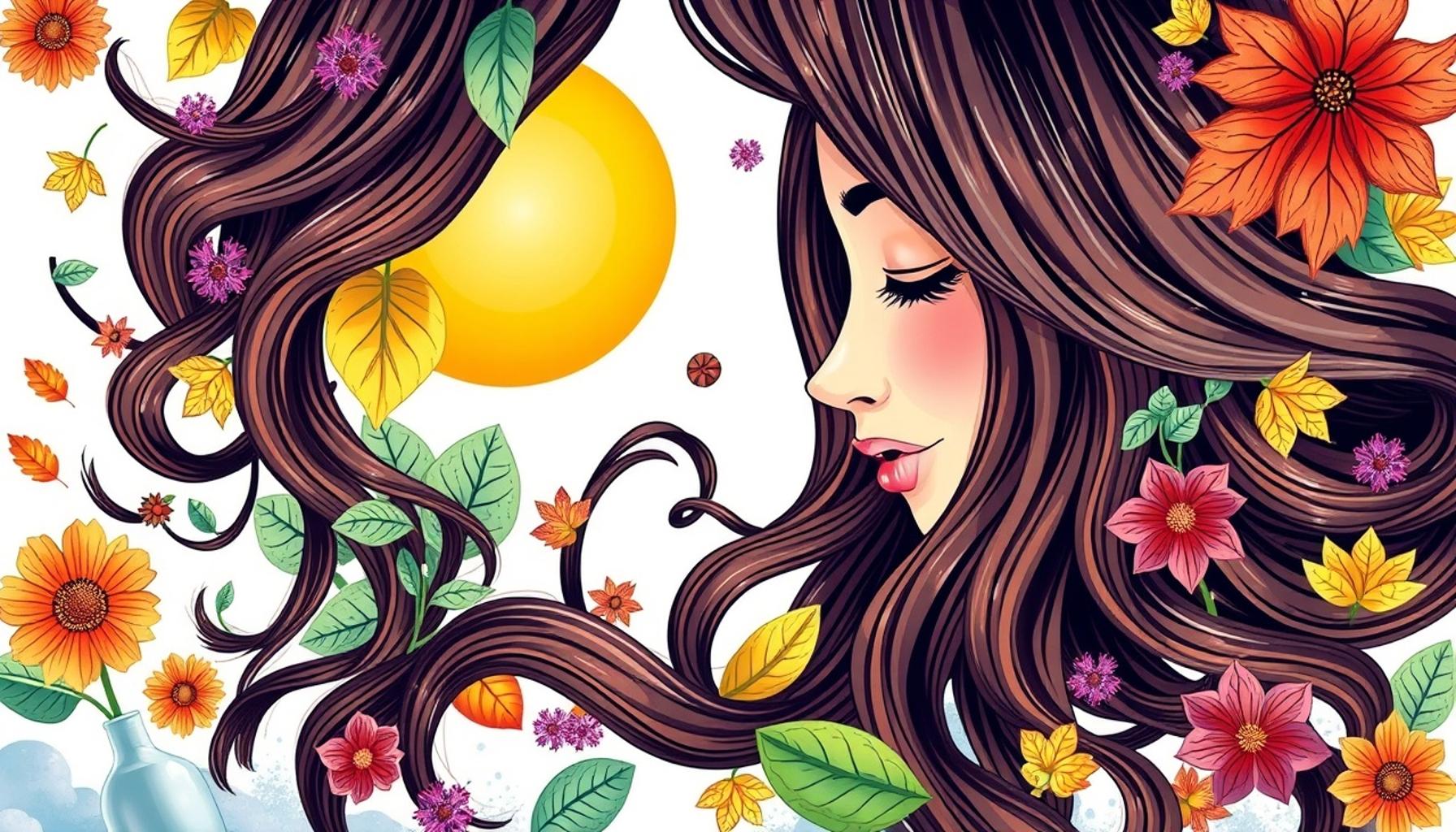
The Relationship Between Climate and Hair Health
The climate we experience every day significantly impacts our hair. From the scorching heat of summer to the biting cold of winter, each season presents unique challenges and requires adjustments in our hair care routine. Understanding the relationship between weather conditions and our hair’s needs is crucial for maintaining its structure and overall health.
Different weather patterns can have varying effects on our hair:
- Humidity can be a double-edged sword. While some may welcome the added moisture, high humidity levels often lead to frizz and a loss of defined styles. Curly hair can respond particularly dramatically to humid conditions, as the moisture in the air can cause curls to puff out and lose their shape.
- Dry air, prevalent during winter months, can be detrimental to hair health. It draws moisture out from the hair shafts, resulting in brittleness and increased breakage. This leads to a common winter ailment: split ends, which can make hair look lifeless and unhealthy.
- Sun exposure can gradually fade hair color and compromise its structural integrity. UV rays can damage hair proteins, leading to weakened strands. This is of particular concern for those who spend significant time outdoors during the summer months; hair can become dry and faded much like sun-bleached fabric.
- Cold temperatures can also cause scalp dryness, which may lead to irritation and flaking. Furthermore, the use of heating indoors further exacerbates this, creating an environment that may not only dry out skin but also leave hair dull and lifeless.
Given these seasonal changes, adapting your hair care routine is not just beneficial; it’s essential for maintaining gorgeous, healthy hair. Recognizing whether your strands need more hydration or protection from the elements can guide you in selecting the right products. For example, during humid months, lightweight anti-frizz serums and curl creams can be lifesavers. Conversely, in the winter, deep conditioning treatments and scalp oils can fortify the hair and soothe irritation.
Moreover, external factors such as lifestyle choices, diet, and even the use of heated styling tools can further influence how your hair reacts to different climates. Regular trims, balanced nutrition, and using heat protectants can all contribute to stronger hair, regardless of the season.
In this exploration of climate and hair health, we will delve into seasonal trends and provide effective tips for adapting your hair care routine. Whether you’re facing a sweltering summer day or a frigid winter night, our guide will equip you with strategies to protect your locks and maintain their beauty throughout the year.
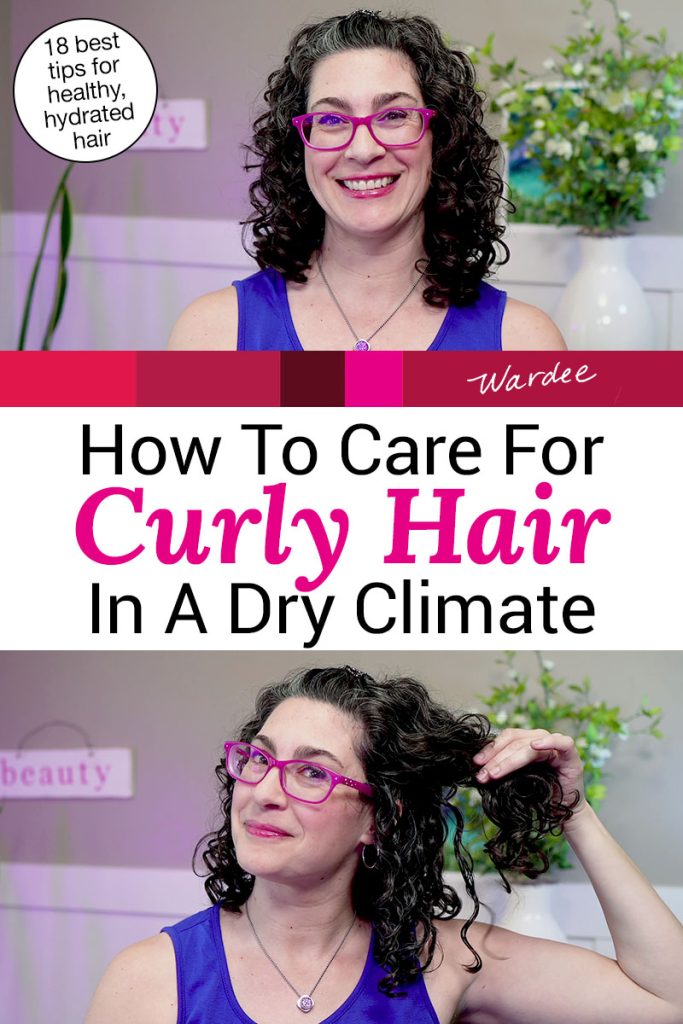
DISCOVER MORE: Click here to master your shine control
Seasonal Hair Challenges and Solutions
As the seasons change, so do the specific challenges our hair faces, and understanding these challenges is key to maintaining hair health. Each season requires precise adjustments to your hair care routine to combat the various effects that different weather conditions impose on your hair. Here, we explore how to tailor your regimen to fit the needs of your locks throughout the year.
Summer: Beat the Heat and Humidity
As temperatures rise and humidity increases, it’s essential to focus on hydration and frizz control. In summer, the combination of sweat and moisture can lead to frizzy hair that is difficult to manage. To combat this issue:
- Use lightweight, hydrating products: Opt for hydrating shampoos and conditioners that won’t weigh your hair down. Look for ingredients like aloe vera or coconut oil, which can help maintain moisture levels without adding extra heaviness.
- Seal in moisture: Applying leave-in conditioners or light styling creams can create a protective barrier against humidity. These products can help keep your hair hydrated while maintaining its shape.
- Protect from sun damage: Incorporate hair products with UV filters to guard against harmful sun exposure, which can lead to discoloration and weakened strands. A stylish hat can also serve as a chic line of defense.
Fall: Transition and Nourish
As summer fades into fall, hair begins to transition. The decrease in humidity can lead to dryness, making this the perfect time to adjust your routine:
- Increase moisture: Consider using richer, cream-based conditioners and hair masks to restore hydration levels. Look for products containing essential fatty acids to nourish and repair the hair shaft.
- Regular trims: This is an ideal time for a haircut. Trimming the ends will help remove any damaged hair and encourage healthy growth as the colder months approach.
- Embrace oil treatments: Incorporating natural oils like argan or jojoba can help counteract the effects of drier air while giving your hair a sleek and polished finish.
Winter: Combat Dryness and Protect
When winter arrives, many of us face the dual adversities of cold outdoor air and the drying effects of indoor heating. To keep your hair healthy during these harsher months:
- Deep conditioning: Invest in deep conditioning treatments that penetrate the hair shaft to provide lasting hydration. Look for proteins like keratin, which can strengthen and protect your hair as it faces winter’s challenges.
- Warm your hair: Avoid very hot showers that can strip moisture; lukewarm water is preferable. Also, consider reducing the frequency of hair washing to preserve natural oils.
- Scalp care: Don’t forget your scalp! Cold weather can lead to dryness and itchiness. Use gentle exfoliators or a scalp oil to keep your scalp healthy and flake-free.
Recognizing the seasonal shifts and their impact on hair allows for a strategic approach to hair care. By adapting to these changes, you can ensure your hair remains vibrant and healthy year-round. In the next sections, we will offer more insights and product recommendations tailored for each season, setting you up for hair success regardless of the climate conditions outside.
The Impact of Climate on Hair Health: Adapting Your Hair Care Routine for Different Seasons
As we transition through the seasons, the climate can significantly impact the health of our hair. Understanding how temperature and humidity affect your hair allows for more effective hair care strategies that adapt to changing environmental conditions. In winter, the cold air strips moisture from our hair, leaving it dry and prone to breakage. This season demands a focus on hydration; utilizing deep conditioning treatments and hydrating hair oils can provide the necessary moisture. Consider using a humidifier indoors to combat the dryness from heating systems, and opt for gentle shampoos and conditioners that nourish rather than strip essential oils from your hair.Conversely, summer introduces high humidity levels, which can lead to frizz and unruly locks. To tackle this, lightweight leave-in conditioners and anti-frizz serums can help maintain your hair’s smoothness. Additionally, remember to protect your hair from the sun; UV rays can damage hair strands just as they can skin. Wearing hats or using hair products with UV filters will help preserve your hair’s integrity during this sun-soaked season.Transitioning to fall, the changing temperatures and falling leaves can also lead to increased hair shedding. Incorporating supplements rich in vitamins A, C, and E may help strengthen hair from the inside out. Implementing a nourishing hair mask routine can also lay the groundwork for healthy hair as we approach winter again.In adapting our hair care routines, it is essential to remain mindful of how the changing climates affect not just the look and feel of our hair, but also its long-term health. By recognizing these seasonal changes and tailoring our hair care practices accordingly, we can ensure our locks stay vibrant and strong throughout the year.
| Category | Advantages |
|---|---|
| Winter Hair Care | Focus on hydration to combat dryness. Use deep conditioning treatments. |
| Summer Protection | Utilize lightweight products and UV protective gear for healthy shine. |
By understanding these seasonal hair health effects, readers can become more proactive in managing their tresses, ensuring that their hair care routine remains effective regardless of the season.
DISCOVER MORE: Click here to learn how to choose the perfect hairbrush for your hair type
Spring: Revitalize and Repair
As winter’s chill gives way to the gentle warmth of spring, it’s time to rejuvenate your hair health after the harsh months. Spring is often synonymous with renewal and growth, making it an optimal season for focusing on recovery and revitalization in your hair care routine.
Restore and Refresh
During spring, as temperatures begin to rise, the air may still hold remnants of winter dryness. To combat this, consider the following:
- Switch to lighter products: As the weather warms, transitioning to lightweight shampoos and conditioners can help maintain moisture without overwhelming your hair. Products formulated with green tea or citrus extracts can invigorate hair and offer a refreshing scent.
- Introduce a clarifying shampoo: After a season laden with heavier conditioners and oils, it might be time to cleanse your hair of buildup. Using a clarifying shampoo once a month can remove impurities and restore your hair’s natural shine.
- Protect your strands: With increased wind often accompanying spring, your hair can become brittle and damaged. Protective hairstyles, such as braids or buns, can help shield your hair from harsh conditions while reducing friction.
Attention to Allergies and Scalp Health
Spring is also a time when many people experience heightened allergies due to pollen and other allergens, which can contribute to scalp sensitivity. It’s essential to address these issues to maintain a healthy scalp:
- Choose hypoallergenic products: Opt for shampoos and conditioners free of common allergens like sulfates and parabens. These gentle formulas will help prevent irritations and keep your scalp calm.
- Exfoliate regularly: Incorporate a scalp scrub into your routine to help remove dead skin cells and allergens. Gentle exfoliation can promote scalp health and stimulate hair growth.
- Stay hydrated: Remember that just like your skin, your hair and scalp benefit from hydration. Drinking plenty of water during the warmer months can enhance hair moisture and vigor.
The Power of Nutrition
Another important aspect of hair health during spring is nutrition. Many may overlook the fact that dietary choices directly impact the vitality of your hair:
- Incorporate vitamins and antioxidants: Foods rich in vitamins A, C, E, and omega-3 fatty acids bolster hair strength and shine. Fruits and vegetables like avocados, spinach, and berries can significantly elevate your hair’s condition.
- Limit processed foods: A diet high in sugars and unhealthy fats can result in poorer hair health. Focusing on whole foods not only benefits your hair but also contributes to overall wellness.
- Consult professionals: If you notice significant changes in your hair or scalp condition, consider consulting a nutritionist or trichologist. They can offer advice tailored to your specific needs and help address underlying issues.
As you tailor your hair care routine for spring, remember that this season is an opportunity to nurture and revitalize your locks after the trials of winter. With careful adjustments and conscientious care, you can welcome the new season with healthy, vibrant hair ready to face the challenges of warmer days ahead.
DISCOVER MORE: Click here to learn about sustainable beauty techniques
Conclusion: Embracing Seasonal Adaptations for Healthier Hair
Understanding the impact of climate on hair health is crucial for anyone seeking to maintain vibrant, manageable locks year-round. Each season presents unique challenges and opportunities for hair care that can significantly influence the vitality of your mane. From the dry, heated air of winter that may require added moisture to the humidity of summer that necessitates frizz control, adapting your hair care routine is essential.
As we explored, spring offers a perfect chance for rejuvenation and renewal, allowing us to replenish hair health after the harsh winter. Incorporating light products, addressing allergy-related scalp sensitivities, and focusing on nutrition can lead to improved hair vitality during this season. Meanwhile, summer calls for protective measures against sun damage and an increase in hydration to combat humidity effects. In contrast, the fall season is a time to prepare for the incoming winter, emphasizing moisture retention and protection.
By tailoring your routine to align with the demands of each season, you can ensure that your hair remains healthy, resilient, and beautiful. Awareness of climatic influences is not just about immediate relief; it’s about forming long-lasting habits that promote hair health over time. As you adapt, consider observing how your hair responds and don’t hesitate to tweak your approach based on its needs. After all, the journey to healthy hair is often about continuous learning and adapting. Embrace the seasons, nurture your hair, and watch it thrive!

Linda Carter is a writer and beauty expert specializing in skincare routines, cosmetic ingredients, and holistic self-care practices. With extensive experience helping individuals achieve healthy, radiant skin and make informed beauty choices, Linda shares her knowledge on our platform. Her goal is to empower readers with practical advice and science-backed strategies for lasting beauty and skin health.