How Stress Affects Skin Health and Facial Care Tips to Combat It

The Influence of Stress on Your Skin
In today’s fast-paced world, stress has become an unavoidable part of life. The consequences of stress span across various facets of health, impacting everything from your mood and cognitive abilities to your physical health. Skin health is no exception. As a reflection of both internal well-being and external care, our skin often shows the first signs of distress in response to mounting pressures.
Research underscores that stress can trigger a spectrum of skin conditions, suggesting a biological link between our emotional state and dermatological health. Here are some conditions commonly linked to stress:
- Acne: Stress stimulates the adrenal glands, which in turn produces excess hormones like cortisol. This hormonal surge can lead to increased oil production in the skin, resulting in clogged pores and breakouts.
- Eczema: Individuals with a history of eczema may notice exacerbated symptoms during stressful periods. Stress can lead to inflammation and itching, further aggravating flare-ups and discomfort.
- Psoriasis: This autoimmune condition is known to be triggered by stress, with flare-ups often coinciding with periods of heightened emotional strain, making management even more crucial.
Moreover, chronic stress can accelerate the aging process of the skin, manifesting as:
- Fine lines and wrinkles: Prolonged stress can lead to hormonal changes that weaken collagen and elastin fibers in the skin, resulting in premature aging.
- Dull skin: Stress can decrease blood circulation, lowering the flow of essential nutrients and oxygen to the skin, leading to a tired, lackluster complexion.
- Excessive dryness: Heightened stress levels can disrupt the skin’s barrier function, causing moisture loss and leaving the skin feeling parched and irritated.
So how can you combat these detrimental effects and maintain a healthy, glowing complexion? Integrating effective facial care tips and stress management techniques into your routine can serve as a powerful shield against stress-related skin issues. Approaches such as practicing yoga, meditative breathing, or even simply taking breaks away from technology can significantly reduce stress levels.
In this article, we will delve into practical strategies that not only counteract stress but enhance your skincare regimen. From selecting products that nourish the skin to adopting mindfulness practices that promote relaxation, you’ll discover ways to achieve not just healthy skin, but a revitalized sense of well-being. By treating your skin with care and addressing underlying stressors, you can pave the way to a luminous and resilient complexion.
DISCOVER MORE: Click here to learn about hydration
Understanding the Connection Between Stress and Skin Health
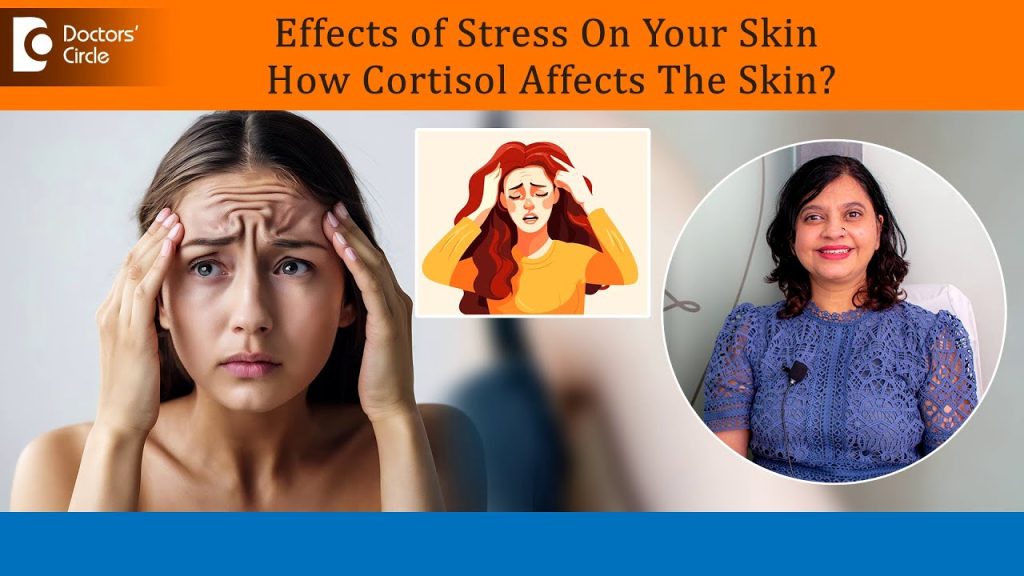
The relationship between stress and skin health is complex and multifaceted, rooted in the intricate workings of our body’s endocrine, nervous, and immune systems. When faced with stress, our bodies engage in a fight-or-flight response, releasing a cascade of hormones, particularly cortisol, which can wreak havoc on the skin. Cortisol’s primary role is to regulate blood sugar levels and facilitate the body’s response to stress; however, in excess, it leads to unfortunate dermatological consequences.
Stress can also disrupt the body’s natural balance, leading to a variety of skin conditions. Here are some mechanisms through which stress impacts skin health:
- Inflammatory Responses: When stress is high, inflammatory markers in the body increase, which may aggravate existing skin conditions or contribute to new ones. Inflammation can manifest in flare-ups of conditions such as acne and eczema, making it imperative to address stress proactively.
- Disrupted Sleep Patterns: Stress often disrupts sleep, and lack of restorative rest can lead to visible signs of aging, uneven skin tone, and an overall unhealthy appearance. Quality sleep is crucial for the skin to repair and regenerate.
- Unhealthy Habits: During stressful times, many people turn to unhealthy coping mechanisms, such as excessive drinking, smoking, or poor dietary choices, all of which can further compromise skin health and trigger breakouts.
Additionally, stress can severely impact the skin’s moisture levels, leading to a compromised skin barrier, which is vital for maintaining hydration and protecting from external irritants. When skin loses its moisture, it not only becomes dry and flaky but is also more susceptible to irritants, allergens, and bacteria. This creates a vicious cycle: dry skin becomes stressed, which in turn worsens the skin’s condition.
Beyond physical changes, stress also alters our perception of self-image. This can lead to a negative feedback loop, where poor skin health exacerbates stress, further impacting mental well-being. Recognizing these connections is paramount to begin implementing solutions that harmonize stress management with effective skincare practices.
In addressing these challenges, it is essential to incorporate both skincare routines and stress relief techniques into daily life. This is where targeted facial care tips can play a significant role. A regimen that focuses on nourishing the skin while simultaneously calming the mind can create a synergy that combats the impacts of stress.
As we progress through this article, we will explore straightforward yet effective strategies—from choosing the right skincare products to cultivating a mindful approach to self-care—that can restore balance, ensuring that both skin and spirit thrive despite life’s pressures.
| Category | Details |
|---|---|
| Stress Response | Stress hormones, particularly cortisol, can lead to various skin issues including acne, eczema, and psoriasis by increasing oil production and inflammation. |
| Skin Care Strategies | Implementing relaxation techniques such as yoga and meditation can significantly enhance your skin health, as they help lower stress levels and subsequently reduce skin flare-ups. |
Understanding how stress affects your skin is vital for achieving a healthy appearance. The chemical reactions generated by stress create a domino effect that impacts collagen production, causing premature aging and a lack of elasticity in the skin. Furthermore, the body’s inflammatory response can exacerbate conditions like rosacea and acne.One way to combat these effects is through the use of stress-reducing skincare products, featuring soothing ingredients such as chamomile and aloe vera, which provide nourishment while calming irritated skin. Additionally, adopting a daily skin care routine that incorporates adequate hydration and sun protection can help bolster the skin’s resilience against stress-induced damage. Incorporating these elements into your lifestyle not only transforms your skin but also empowers you to regain control over your overall well-being.
LEARN MORE: Click here to discover how to protect your hair
Effective Facial Care Tips to Combat Stress-Related Skin Issues
To combat the negative impacts of stress on skin health, it’s essential to embrace a comprehensive skincare regimen coupled with techniques for stress relief. The objective is to create a balanced approach that not only uplifts the skin’s appearance but rejuvenates the overall well-being. Below are effective facial care tips aimed at addressing stress-related skin issues:
- Hydration is Key: Keeping the skin well-hydrated is critical for maintaining its integrity. Using a good moisturizer that suits your skin type can help form a protective barrier, locking in moisture and preventing dryness. Consider hydrating products infused with ingredients like hyaluronic acid or glycerin, which have proven efficacy in drawing moisture to the skin.
- Gentle Cleansing: During stressful times, your skin may become more sensitive. Opt for gentle, sulfate-free cleansers that do not strip the skin of its natural oils. Cleansing your face twice daily will remove impurities without exacerbating irritation, thus maintaining a calm complexion.
- Incorporate Antioxidants: Products rich in antioxidants, such as vitamin C and E, can enhance your skin’s ability to protect itself against oxidative stress induced by cortisol. These ingredients help to reduce inflammation and can brighten the skin, providing relief from stress-induced dullness.
- Regular Exfoliation: Exfoliating the skin helps remove dead skin cells and promotes cell turnover. However, it’s important to choose an exfoliant that fits your skin type; consider gentle chemical exfoliants like glycolic or lactic acid. Regular exfoliation aids in better product absorption and a brighter complexion.
- Face Masks for Nourishment: Incorporating face masks into your skincare routine can be both a delightful experience and a beneficial practice. Look for masks with calming agents such as aloe vera, chamomile, or green tea, which help soothe irritated skin while providing intense hydration.
In addition to these skincare essentials, managing stress through holistic practices can be a game changer for both skin health and emotional well-being. Stress reduction techniques can play a supportive role in the healing process:
- Mindfulness and Meditation: Engaging in mindfulness practices or meditation can significantly lower stress levels, positively impacting skin health. Even a few minutes of deep breathing or focused meditation can promote relaxation and foster a sense of calm.
- Physical Activity: Regular exercise releases endorphins, nature’s stress relievers. Activities such as yoga, pilates, or even a brisk walk not only enhance your mood but also improve blood circulation, promoting healthier skin.
- Healthy Nutrition: Consuming a balanced diet rich in omega-3 fatty acids, vitamins, and minerals can have profound effects on skin health. Foods high in antioxidants, such as berries, nuts, and leafy greens, assist in combating oxidative stress, ensuring your skin remains resilient.
- Quality Sleep: Prioritizing sleep is paramount, as restorative slumber is crucial for skin regeneration. Establishing a calming pre-sleep routine and maintaining a consistent sleep schedule can lead to noticeable improvements in skin texture and appearance.
By merging targeted skincare practices with lifestyle adjustments, individuals can effectively manage stress and its impact on the skin. The combination of nourishing the skin and nurturing the mind empowers a more holistic approach, enabling one to confront life’s challenges with confidence and radiance.
DIVE DEEPER: Click here to learn about protecting your skin from pollution
Conclusion
In conclusion, the intricate connection between stress and skin health reveals how our emotional well-being directly influences our complexion. As we navigate the complexities of modern life, the implications of stress manifest not just in our mental state but also in the quality and appearance of our skin. Stress can exacerbate conditions such as acne, eczema, and premature aging, making it essential to adopt proactive strategies.
By implementing a targeted skincare routine with practices like hydration, gentle cleansing, and the incorporation of antioxidants, we can fortify our skin against the damaging effects of stress. Furthermore, integrating holistic approaches such as mindfulness, regular exercise, nutritious diets, and prioritizing quality sleep can create a formidable defense system for both our skin and our overall health.
Ultimately, the journey to resilient skin involves recognizing stressors, making lifestyle adjustments, and practicing self-care diligently. By adopting these methods, we not only enhance the vibrancy of our skin but also promote mental well-being. Remember, the path to a radiant complexion is intertwined with a calm and balanced mind, illuminating the idea that true beauty radiates from within. For anyone looking to dive deeper into skin health or explore natural remedies, there’s a wealth of information available to empower you on this transformative journey.
Related posts:
Facial Care Trends in 2023: What's Popular?
Men's Facial Care: Demystifying the Beauty Routine for Men
The Impact of Seasonal Changes on Facial Skincare Routines
Facial Care Trends in 2024: Innovations and Emerging Technologies
The Importance of Facial Care Routines for Different Skin Types
The Importance of a Facial Care Routine for Different Skin Types

Linda Carter is a writer and beauty expert specializing in skincare routines, cosmetic ingredients, and holistic self-care practices. With extensive experience helping individuals achieve healthy, radiant skin and make informed beauty choices, Linda shares her knowledge on our platform. Her goal is to empower readers with practical advice and science-backed strategies for lasting beauty and skin health.