The Efficacy of Natural Ingredients in Combating Skin Aging: What Science Says

As consumers become more conscious of the ingredients in their skincare products, there is a palpable shift towards using natural ingredients in the battle against skin aging. A wealth of research supports the notion that these botanical and naturally derived components may provide effective solutions for maintaining youthful skin. With an overwhelming array of options on the market, a solid understanding of which ingredients are backed by science can empower individuals to make informed choices.
Key Natural Ingredients
- Retinol: This powerhouse ingredient, derived from vitamin A, has been well-documented for its remarkable anti-aging properties. Retinol promotes cell turnover, helping to reduce the appearance of fine lines and wrinkles. Research has shown that regular use can lead to firmer skin and improved texture, making it a staple in many anti-aging regimens.
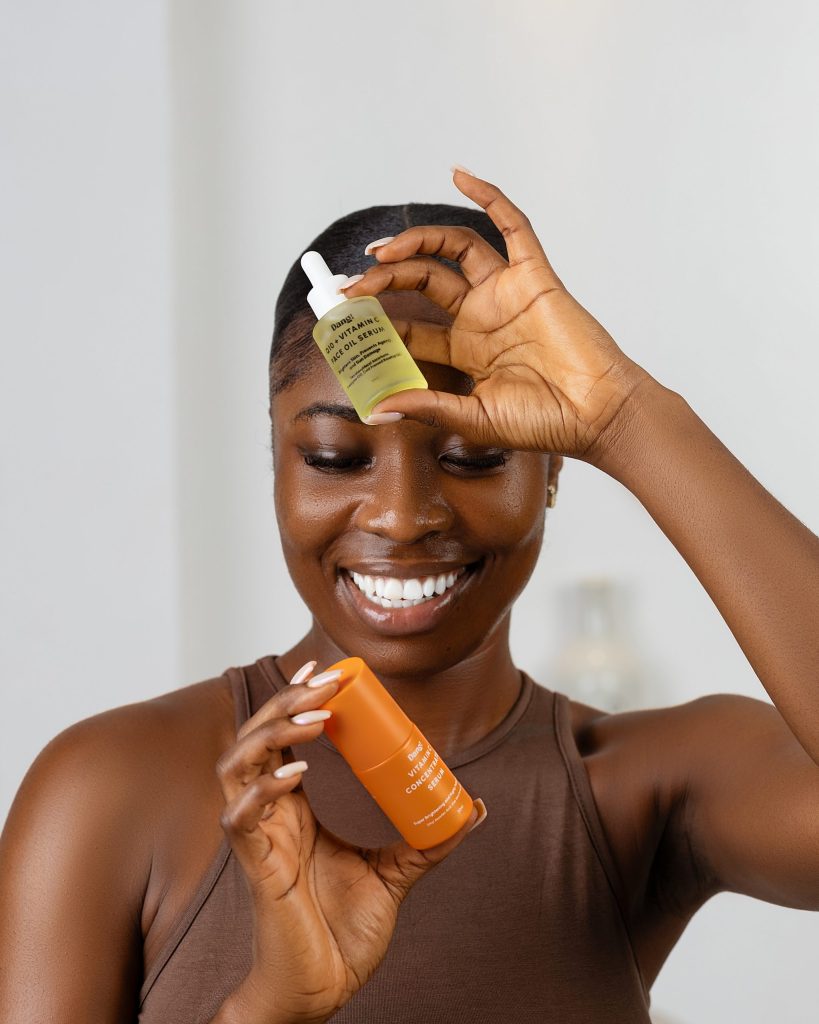
- Vitamin C: A frequent hero in many skincare formulations, vitamin C is renowned for its ability to boost collagen production, which is crucial for maintaining skin elasticity. Additionally, its brightening properties help to even skin tone and diminish the appearance of dark spots. Studies suggest that topical application of vitamin C can significantly enhance skin brightness and texture over time, making it a desirable ingredient in serums and creams.
- Hyaluronic Acid: Known for its impressive moisture-binding capabilities, hyaluronic acid is a staple in hydration-focused products. This ingredient can hold up to 1,000 times its weight in water, making it a formidable ally in combating dryness and enhancing skin plumpness. Scientific studies indicate that regular use can lead to improved skin hydration, thus reducing the appearance of fine lines and giving the skin a youthful glow.
- Green Tea Extract: Celebrated for its rich antioxidants, green tea extract may protect the skin against damage from sun exposure, pollution, and environmental stressors. Compounds like epigallocatechin gallate (EGCG) in green tea have shown promise in reducing inflammation and promoting skin healing. Research has indicated that topical application can help reduce the signs of photoaging while providing a soothing effect.
These ingredients represent just a small sampling of what nature offers in the fight against aging. Variety in skincare options allows consumers to tailor their routines according to their specific skin types, desired outcomes, and lifestyle choices, optimizing the potential benefits.
Scientific Insights
Diving deeper into the science behind these natural components reveals their complexities and advantages. Recent advancements in dermatological research and technology have shed light on how these ingredients interact with skin cells, driving positive changes at a molecular level. For instance, studies have demonstrated that vitamin C not only aids in collagen synthesis but also acts as an antioxidant, neutralizing free radicals that contribute to premature aging.
As the discourse around skincare evolves, an increasing number of consumers are encouraged to explore the intersection of science and nature in their approaches. The growing field of dermatological research invites individuals to investigate how these natural ingredients can be integrated effectively into daily routines to promote skin health and vitality. The allure of natural skincare lies not only in its potential efficacy but also in the shift towards sustainability and eco-consciousness, important values for many consumers today.
DIVE DEEPER: Click here to discover more
The Science Behind Natural Ingredients in Skincare
As the quest for youthful skin continues, the efficacy of natural ingredients has gained traction in the realm of skincare. Many consumers are shifting their focus from synthetic compounds to nature-derived alternatives, prompting scientists to delve deeper into how these substances can effectively combat skin aging. Understanding their mechanisms is not only enlightening but also critical in determining their potential benefits.
Retinol: Nature’s Time Machine
Among the top contenders, retinol stands out for its scientifically proven ability to rejuvenate aging skin. A derivative of vitamin A, retinol works by encouraging cellular turnover—essentially speeding up the skin’s natural exfoliation process. A study published in the Journal of Cosmetic Dermatology highlighted that regular use of retinol can lead to a significant reduction in fine lines and wrinkles, contributing to an overall firmer skin appearance. The molecule infiltrates deep into the skin, prompting the production of new skin cells while simultaneously shedding older, damaged ones. Consequently, it holds a respected place in modern anti-aging regimens.
Vitamin C: The Brightening Antioxidant
Vitamin C is another natural powerhouse revered for its role in maintaining skin vitality. Not only does it enhance collagen production—integral for maintaining elasticity—but its antioxidant properties combat oxidative stress caused by environmental factors. A notable research study in Dermatologic Surgery indicated that consistent application of vitamin C can brighten skin tone and reduce hyperpigmentation while significantly improving overall texture. This dual action aids those interested in not just reversing, but also preventing signs of aging.
Hyaluronic Acid: The Moisture Magnet
In the battle against dryness and loss of volume, hyaluronic acid dominates with its ability to retain moisture. This polysaccharide is naturally found in the skin, where it binds to water molecules, providing essential hydration. Studies reveal that topical application of hyaluronic acid can improve skin elasticity and reduce the appearance of fine lines. Its efficacy lies in its capacity to attract moisture from the environment, making it a vital component in skincare products designed to maintain a youthful, plump complexion.
Green Tea Extract: The Protective Shield
With the rise in environmental stressors, the protective benefits of green tea extract cannot be overstated. Rich in polyphenols, particularly epigallocatechin gallate (EGCG), this extract provides significant antioxidant properties. Research published in Photochemistry and Photobiology demonstrates that green tea can mitigate the effects of photoaging while providing an anti-inflammatory effect that soothes the skin. As consumers become aware of the damaging effects of UV exposure and pollution, incorporating products with green tea extract becomes an appealing option for skin defense.
These key ingredients underscore the potential of natural remedies to address aging concerns effectively. As the science behind these ingredients continues to evolve, so too does our understanding of how they can be harnessed to foster healthier skin. The interplay between skin biology and natural compounds offers a compelling narrative for those seeking to turn back the clock on their skin in a holistic and informed manner.
| Category | Key Features |
|---|---|
| Antioxidant Properties | Natural ingredients such as green tea and vitamin C are rich in antioxidants that combat free radicals, effectively preventing skin damage and signs of aging. |
| Hydration and Nourishment | Ingredients like aloe vera and hyaluronic acid help retain moisture, ensuring that skin remains plump and youthful while reducing the appearance of fine lines. |
Natural ingredients are gaining attention for their scientifically-backed efficacy in combating skin aging. For instance, studies have shown that the inclusion of resveratrol, found in grapes, can significantly improve skin elasticity and firmness due to its anti-inflammatory properties. Furthermore, the presence of natural oils, such as argan oil and jojoba oil, not only hydrates but also supports the skin’s barrier function, protecting it from environmental stressors.Dermatological research also highlights the role of peptides, derived from natural sources, in stimulating collagen production, leading to a visible reduction in wrinkles and fine lines. Notably, using natural extracts, such as rosehip oil, has shown promising results in skin regeneration, leveraging its high content of essential fatty acids and vitamins.As consumers increasingly seek safer and more holistic options in their skincare routines, the efficacy of these natural components continues to underpin significant advancements in anti-aging treatments. These ingredients not only promote youthful skin but also align with a growing movement towards sustainability and natural wellness, making them a compelling choice for those looking to maintain a vibrant complexion.
DISCOVER MORE: Click here for insights on the connection between mental health and skin
Additional Natural Ingredients Making Waves in Anti-Aging Skincare
While retinol and vitamin C remain iconic in the skincare arena, a plethora of other natural ingredients is gaining recognition for their anti-aging benefits. As consumers become more discerning about what they apply to their skin, brands are honing in on scientific research to ensure effectiveness, safety, and sustainability in their formulations.
Peptides: The Building Blocks of Youth
Peptides are short chains of amino acids that serve as the building blocks of proteins such as collagen and elastin, which are crucial for maintaining skin structure and firmness. Research published in the International Journal of Cosmetic Science has shown that topical application of peptide-rich formulations can enhance skin barrier function, stimulate collagen synthesis, and improve the overall firmness and elasticity of the skin. The rapid advancement of biotechnology has brought forth various plant-derived peptides that are not only effective but also align with growing consumer demands for cruelty-free options. As a result, these compounds have become a staple in many skincare regimens aimed at combating signs of aging.
Coenzyme Q10: The Cellular Energy Booster
Another notable ingredient is coenzyme Q10 (CoQ10), a powerful antioxidant present in the skin. This fat-soluble compound plays a vital role in energy production within skin cells. A study published in Photodermatology, Photoimmunology & Photomedicine revealed that CoQ10 can not only reduce oxidative stress but also improve skin texture and reduce the depth of wrinkles. With continued exposure to environmental stressors, the levels of CoQ10 naturally decline, leading to aging signs. Topical formulations containing CoQ10 have shown promise in replenishing this essential nutrient, thereby improving skin resilience and vitality.
Niacinamide: The Multi-Tasking Marvel
Niacinamide, or vitamin B3, is rapidly gaining traction due to its multiple benefits. It is known to enhance the skin’s barrier function, reduce inflammation, and even out skin tone. According to a clinical trial published in the Journal of Clinical and Aesthetic Dermatology, participants who incorporated niacinamide into their skincare routines reported improvements in wrinkles and overall skin texture within just a few weeks. This versatility makes niacinamide not just a remedy for aging skin, but also an ally in addressing issues such as acne and enlarged pores, thus appealing to a broader audience.
Botanical Oils: Nature’s Nourishing Elixirs
The efficacy of botanical oils should not be overlooked when discussing natural anti-aging ingredients. Oils such as argan, rosehip, and jojoba are rich in fatty acids and antioxidants that nourish and protect the skin. For instance, a study published in the American Journal of Clinical Dermatology highlighted the beneficial effects of rosehip oil on skin texture and hydration levels. These oils contain essential vitamins and promote skin repair, rendering them effective in minimizing the appearance of fine lines and providing a youthful glow.
- Argan oil: Packed with vitamin E, this oil hydrates and softens skin while combating oxidative damage.
- Rosehip oil: Rich in essential fatty acids and antioxidants, it helps reduce scars and hyperpigmentation.
- Jojoba oil: Its structure resembles the skin’s natural sebum, making it an excellent moisturizer and barrier enhancer.
As the interest in holistic skincare continues to rise, the integration of these natural ingredients into mainstream products is becoming more common. The ongoing research into their properties not only strikes a chord with consumer preferences but also helps scientists to substantiate the claims associated with natural skincare. This dynamic is likely to usher in a new era of effectiveness and innovation in products designed to counteract skin aging.
DISCOVER MORE: Click here to learn about the evolution of natural ingredients
Conclusion: Embracing Nature’s Solutions for Youthful Skin
As we delve deeper into the realm of skincare, the evidence supporting the use of natural ingredients for combating skin aging grows increasingly compelling. Ingredients like peptides, coenzyme Q10, niacinamide, and botanical oils illustrate the powerful synergy between nature and science. Research validates their effectiveness in enhancing skin resilience, reducing fine lines, and promoting an overall youthful appearance. This burgeoning interest in natural skincare is not merely a fleeting trend but a reflective response to consumer demands for effective, sustainable, and cruelty-free options.
The scientific community’s ongoing exploration into these natural compounds equips consumers with the knowledge to make informed choices about their skincare regimens. As brands innovate and formulate new products, the ability to harness the strengths of nature becomes a powerful tool in the fight against skin aging. By prioritizing functionality alongside natural sourcing, these ingredients facilitate accessible solutions for diverse skincare needs.
Nevertheless, while natural ingredients offer promising anti-aging benefits, it is essential for consumers to keep an eye on individual product formulations and their suitability for their skin types. The journey towards maintaining youthful skin transcends mere product selection; it involves an overall commitment to a comprehensive skincare routine, healthy lifestyle choices, and regular consultation with skincare professionals. With a foundation of knowledge and the right tools at their disposal, individuals can proudly embrace their skin at every age, equipped with the efficacy of nature at their side.
Related posts:
The Challenges in Obtaining Sustainable Natural Ingredients
Natural Ingredients as Solutions for Common Skin Problems: Case Studies
The Impact of Natural Ingredients on Skin Health: Benefits and Challenges
The Role of Natural Ingredients in the Customization of Skincare Products
Homemade Skincare Recipes with Natural Ingredients for Different Skin Types
Trends in Natural Ingredients in Anti-Aging Products

Linda Carter is a writer and beauty expert specializing in skincare routines, cosmetic ingredients, and holistic self-care practices. With extensive experience helping individuals achieve healthy, radiant skin and make informed beauty choices, Linda shares her knowledge on our platform. Her goal is to empower readers with practical advice and science-backed strategies for lasting beauty and skin health.