
How Diet Affects Facial Skin Health
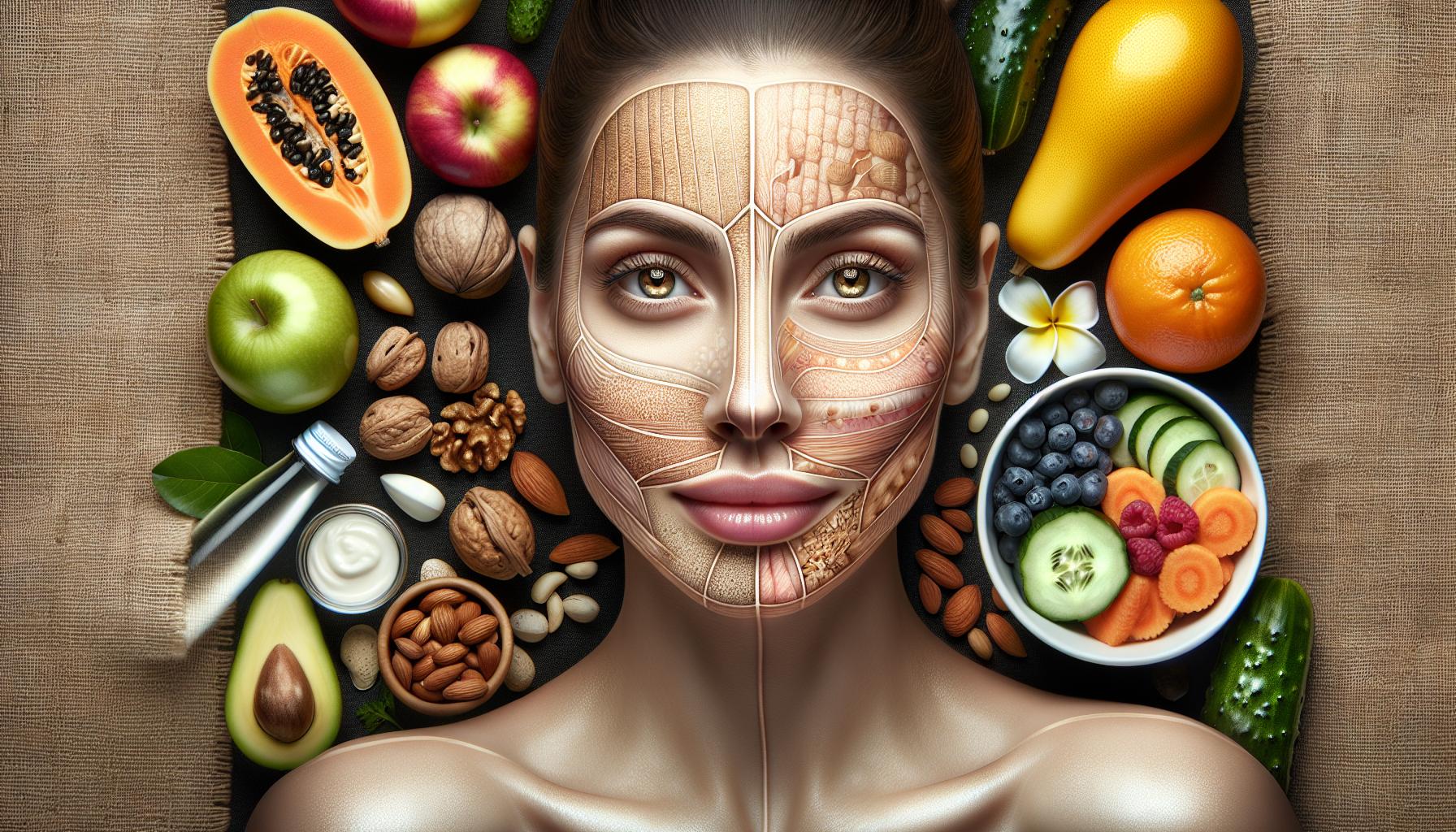
Understanding the Connection Between Diet and Facial Skin Health
Your skin reflects what you eat, making dietary choices pivotal in achieving that radiant glow. The link between nutrition and skin health is supported by emerging science and traditional wisdom. Optimal skin health goes beyond topical treatments; it starts from within. Recent studies underline how dietary choices can lead to significant differences in skin condition, demonstrating the importance of a balanced diet rich in essential nutrients.
Several key nutrients play vital roles in maintaining healthy skin, including:
- Vitamins A, C, and E: These essential vitamins are powerful antioxidants that protect the skin from harmful free radicals while promoting repair and regeneration. For instance, Vitamin A, found in leafy greens and carrots, aids in skin cell production and turnover, enhancing overall skin texture. Vitamin C, abundant in fruits like oranges and strawberries, is crucial for collagen synthesis, which helps keep skin firm and youthful. Vitamin E, prevalent in nuts and seeds, helps protect skin from sun damage.
- Omega-3 Fatty Acids: Found in fatty fish like salmon, walnuts, and flaxseeds, omega-3 fatty acids aid in maintaining the skin’s moisture barrier. This is particularly important in preventing dryness and enhancing skin elasticity, which is vital as we age. Studies show that diets rich in omega-3s can also reduce inflammation and may even help in conditions like eczema and psoriasis.
- Hydration: Staying hydrated is crucial for skin health. Water is necessary for maintaining skin elasticity and suppleness; dehydration can lead to a dull complexion and exacerbate the appearance of fine lines. Aim for at least eight glasses of water a day, and consider hydrating foods like cucumbers and watermelon, which can further bolster your skin’s moisture levels.
Conversely, certain dietary habits can lead to skin issues. Common culprits include:
- Excess Sugar: High sugar intake can provoke acne breakouts and accelerate skin aging. Sugar promotes glycation, a process that harms collagen and elastin, leading to premature wrinkles. Reducing soda and candy consumption can mitigate these effects, providing a clearer complexion in the long run.
- Processed Foods: Often high in unhealthy fats and sugars, processed foods can lead to inflammation, which may exacerbate skin issues like acne and rosacea. Incorporating whole foods, such as fruits, vegetables, and whole grains, is a healthier choice that offers more nutrients for skin vitality.
- Low Nutrient Intake: A diet lacking essential vitamins can leave skin looking dull and lifeless. It is crucial to prioritize a wide variety of foods to ensure adequate nutrient intake. Consider adding a rainbow of fruits and vegetables to your meals for a comprehensive range of vitamins and minerals.
Exploring how different foods affect your complexion can unlock secrets to healthier skin. By making small dietary changes, such as incorporating more whole foods and limiting processed snacks, you can significantly enhance facial skin health. The journey to radiant skin may begin with your grocery list and plate. Embrace the connection between diet and skin care, and witness the profound impact of nourishing your body from the inside out. Taking the time to educate yourself about what you eat can lead to not only better skin but improved overall health and well-being.
DIVE DEEPER: Click here to discover the truth about natural ingredients

The Role of Nutrients in Skin Vitality
The health of your facial skin is not solely determined by skincare products; it is profoundly influenced by what you put into your body. The nutrients derived from food can either enhance or compromise your skin’s health, underscoring the importance of making informed dietary choices. A deeper understanding of how certain vitamins, minerals, and compounds affect your skin can empower you to curate a diet that promotes a radiant complexion.
Vitamins are among the most critical nutrients for skin health. For instance, Vitamin A plays a pivotal role in skin repair and regeneration. By promoting cell turnover, it prevents congestion and can effectively reduce the appearance of fine lines and wrinkles. Foods rich in Vitamin A, such as sweet potatoes, spinach, and egg yolks, should be included in your diet to bolster your skin’s natural renewal processes.
Vitamin C is another powerhouse nutrient essential for collagen production. Collagen is vital for maintaining the skin’s elasticity and youthfulness. A deficiency in Vitamin C can lead to slowed healing processes and increased susceptibility to skin damage. Citrus fruits, bell peppers, and strawberries are excellent sources of this nutrient, providing both benefits and a burst of flavor to your meals.
Vitamin E acts as a shield against oxidative stress caused by free radicals, increasing overall skin resilience. Incorporating nuts, seeds, and avocados into your diet can significantly enhance your intake of this skin-loving vitamin, helping to combat signs of aging and sun damage.
In addition to vitamins, minerals also play a vital role in skin health. For example, zinc is crucial for skin healing and inflammation control. A deficiency in zinc may lead to acne flare-ups and delayed wound healing. Foods high in zinc, such as beans, lentils, and whole grains, can be beneficial for maintaining clear skin.
Fatty acids, particularly omega-3 fatty acids, contribute significantly to skin health by aiding in moisture retention and reducing inflammation. These essential fats help maintain the skin’s lipid barrier, keeping it supple and hydrated. Including fatty fish, walnuts, and chia seeds in your diet can provide a substantial source of these beneficial acids.
In summary, the significance of a balanced diet rich in key nutrients for sustaining healthy and glowing skin cannot be overstated. By prioritizing the foods that nourish and support your skin from the inside out, you facilitate its natural healing processes and enhance your overall appearance. Moreover, steering clear of nutrient-depleting choices can prevent many common skin ailments. Embracing a nutrient-dense diet is not just a pathway to better skin; it also promotes holistic well-being and vitality.
Dietary Pitfalls to Avoid
As much as certain foods can support skin health, others can pave the way for dermatological distress. It’s crucial to identify dietary pitfalls that can trigger skin issues, leading to a less than luminous complexion. Here are common offenders to consider:
- High Sugar Intake: Foods laden with refined sugars can lead to increased sebum production, clogging pores and provoking acne breakouts. Additionally, sugar can accelerate glycation, damaging collagen fibers and contributing to premature aging.
- Trans Fats: Found in many processed snacks and fast foods, trans fats can promote inflammation within the body, manifesting as acne and redness on the skin. Cutting back on these unhealthy fats can support overall skin clarity.
- Excessive Dairy Consumption: Some studies suggest a connection between dairy products and the exacerbation of acne. Individual responses may vary, but monitoring dairy intake could benefit those struggling with breakouts.
Understanding how your diet influences facial skin health opens up a world of possibilities for achieving a glowing complexion. By fostering good eating habits and avoiding problematic foods, you can lay a solid foundation for skin vitality that radiates from within.
Diet plays a pivotal role in influencing the health of our facial skin. By understanding the relationship between what we consume and the appearance of our skin, we can make informed choices that promote a radiant complexion. Specific nutrients and foods can significantly impact skin vitality, supporting not only its appearance but also its overall health.One of the most critical components of skin health is hydration. Consuming an adequate amount of water is essential for maintaining moisture balance in the skin. Dehydration can lead to dryness, flakiness, and an increase in the appearance of fine lines. Fruits and vegetables with high water content, such as cucumbers, tomatoes, and oranges, not only provide hydration but also deliver vital vitamins and antioxidants.Another key aspect is the inclusion of healthy fats in the diet. Foods rich in omega-3 fatty acids, like salmon, walnuts, and flaxseeds, can help maintain the skin’s lipid barrier, which is essential for keeping it plump and youthful. Studies suggest that a higher intake of these healthy fats can reduce inflammatory skin conditions such as acne and eczema.Antioxidants also play a significant role in protecting the skin from oxidative stress caused by environmental factors like UV radiation. Incorporating foods high in antioxidants, such as berries, green tea, and nuts, can help combat free radicals that damage skin cells. Vitamin C, for instance, is crucial not just for collagen production but also for overall skin brightness.Conversely, certain dietary choices can detrimentally affect facial skin health. Diets high in sugar and refined carbohydrates can lead to glycation—a process that damages collagen and elastin, contributing to premature aging. Additionally, dairy products have been linked to increased acne in some individuals, prompting discussions about their role in skin health.As we delve deeper into how diet affects facial skin health, it becomes evident that embracing a balanced, nutrient-rich regimen is not merely a superficial upgrade but a fundamental approach to achieving vibrant, healthy skin. By integrating whole foods and being mindful of dietary triggers, individuals can foster an environment where their skin thrives. In the next section, we will explore specific foods that bolster facial skin health and how these dietary changes can be both transformative and easy to incorporate into our daily lives.
DISCOVER MORE: Click here to learn about the impact of social media on cosmetic purchases
Identifying Beneficial Foods for Radiant Skin
While understanding pitfalls is essential, knowing which foods to incorporate into your diet for enhanced facial skin health is vital. Certain superfoods have garnered attention for their skin-nurturing properties, offering a blend of nutrients that can dramatically affect your complexion.
Leafy Greens, such as kale and swiss chard, are rich in phytonutrients and antioxidants that can combat oxidative stress. They are also an excellent source of chlorophyll, which can help detoxify the body and improve skin health. Incorporating smoothies or salads packed with these greens can provide a refreshing way to boost your skin’s vitality.
Red, Orange, and Yellow Vegetables are not just visually appealing; they are brimming with carotenoids, which can protect the skin from sun damage. Carrots, bell peppers, and pumpkin contain beta-carotene, which converts to Vitamin A in the body, essential for skin repair. Moreover, these vegetables can nourish your skin from within, giving it a natural glow.
Fruits like blueberries, pomegranates, and avocados deserve special mention for their skin-loving properties. Blueberries are particularly high in antioxidants, which can help alleviate inflammation and reduce the signs of aging. Pomegranates, known for their anti-inflammatory effects, can promote collagen synthesis, helping to keep your skin plump and youthful. Avocados, rich in healthy fats and Vitamin E, provide hydration, making your complexion smoother and more radiant.
Moreover, the importance of hydration cannot be overlooked when discussing skin health. Drinking adequate amounts of water supports skin elasticity and suppleness. However, incorporating hydrating foods, such as cucumbers, celery, and watermelon, can further enhance hydration levels. These foods not only contribute to overall hydration but can also add additional vitamins and minerals beneficial for the skin.
The Power of Probiotics and Gut Health
Another fascinating area where diet affects skin health is through the gut-skin connection. Emerging research suggests that maintaining a healthy gut microbiome can positively impact your skin’s appearance. Probiotics, found in fermented foods like yogurt, kimchi, and sauerkraut, can help balance gut flora, promoting better digestion and nutrient absorption. This, in turn, can translate to clearer skin.
Additionally, consuming prebiotic foods such as onions, garlic, and leeks can feed the beneficial bacteria in your gut, further supporting skin health. A strong gut microbiome can help reduce inflammation and combat common skin issues, including acne and eczema.
Furthermore, incorporating a variety of antioxidant-rich foods into your diet is essential. Foods such as green tea and dark chocolate are not just tasty but are also packed with high levels of antioxidants that can protect your skin from environmental stressors. Regular consumption of green tea has been linked to improved skin hydration and elasticity, making it an excellent addition to your daily routine.
In essence, enriching your diet with nutrient-dense foods while minimizing processed options can create a profound impact on your facial skin health. By focusing on fresh fruits, vegetables, healthy fats, and probiotics, you can significantly enhance your complexion, leading to a more vibrant and youthful appearance. Grasping the importance of these dietary elements opens avenues for deeper exploration into how food plays a pivotal role in our skin’s narrative.
DISCOVER MORE: Click here to learn how to adapt your skincare
In Conclusion: Nourishing Your Skin from Within
Understanding how diet affects facial skin health is not only crucial for achieving a radiant complexion but also for promoting overall well-being. As we explored, the foods we consume can be powerful allies—or adversaries—in our quest for vibrant skin. A diet abundant in antioxidants, healthy fats, and probiotics can enhance your skin’s resilience and appearance, while processed foods and sugar can lead to inflammation and premature aging.
The connection between nutrition and skin health is underscored by the diversity of beneficial foods. Incorporating leafy greens, colorful vegetables, and antioxidant-rich fruits can provide fundamental nutrients that support skin repair and hydration. Furthermore, paying attention to gut health through fermented foods and prebiotics can yield astonishing benefits for facial clarity and texture.
We often seek out topical solutions for skin issues, but the journey to a glowing complexion starts from within. By acknowledging the significance of a nutrient-dense diet and the role of hydration, we can make informed choices that promote skin vitality. Remember, every meal is an opportunity to nourish your body, including your skin. Delving deeper into the implications of dietary choices not only transforms our skin but also enhances our overall quality of life.
As research continues to unfold in this fascinating area, consider taking the next step: make mindful dietary adjustments and observe how your skin responds. With a holistic approach and the right ingredients, your skin can truly reflect the vibrant health that you cultivate from within.