The Impact of Nutrition on Skin Health and Aging
The Intricate Connection Between Nutrition and Skin Health
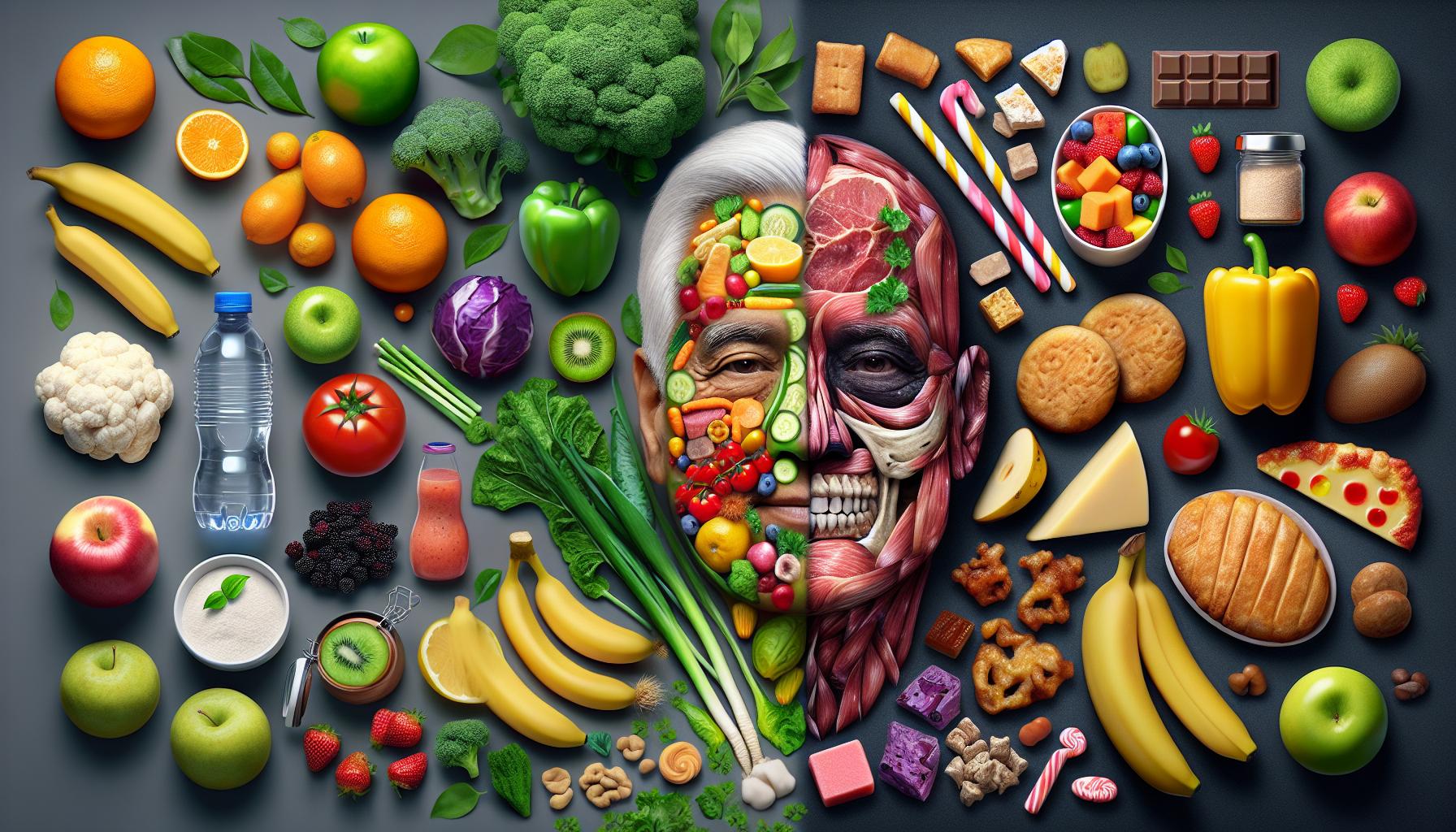
Can what you eat really affect your skin? The answer is a resounding yes! The connection between nutrition and skin health is profound and multi-faceted. A balanced diet not only enhances internal wellness but also plays a vital role in maintaining youthful, vibrant skin. The skin is often considered a reflection of our overall health, and nutrition plays a pivotal role in its condition.
Key nutrients offer remarkable benefits for skin health, such as:
- Vitamin C: This essential vitamin is vital for collagen production, promoting elasticity, and reducing wrinkles. Foods rich in vitamin C, such as oranges, bell peppers, and strawberries, can help to rejuvenate the skin and combat signs of aging.
- Omega-3 fatty acids: Found in fatty fish like salmon, walnuts, and flaxseeds, omega-3s help maintain skin barrier function, reducing dryness and inflammation. These fatty acids also have anti-inflammatory properties that can benefit conditions like psoriasis and eczema.
- Antioxidants: Powerhouses in the fight against free radicals, antioxidants can delay the aging process and improve skin texture. Foods rich in antioxidants include dark chocolate, kiwi, and artichokes, which contribute to a more radiant complexion.
Choosing the right foods can provide powerful anti-aging benefits. Incorporating foods rich in these nutrients into your daily diet can result in noticeable improvements in your skin. For example, leafy greens like spinach and kale are not only high in nutrients but also help detoxify the body, resulting in healthier skin. Fatty fish such as salmon and sardines are excellent options, loaded with omega-3 fatty acids that promote hydration and elasticity. Meanwhile, berries like blueberries and strawberries are bursting with vitamin C and antioxidants, perfect for giving your skin a youthful glow.
As the science of nutrition evolves, it becomes increasingly clear that a holistic approach to diet can seamlessly integrate with skincare routines. Understanding the impact of nutrition on skin health and aging encourages individuals to rethink their food choices. It’s not just about what you apply to your skin, but also about what you nourish your body with from the inside.
Join us as we delve deeper into the ways nutrition influences our skin. Discover how making informed dietary choices can lead to lasting benefits in skin vitality and appearance. By embracing a diet rich in vital nutrients, you can support not only your health but also the luminous quality of your skin, helping you look and feel your best.

DISCOVER MORE: Click here to dive deeper
Nutritional Powerhouses for Skincare
Understanding the impact of nutrition on skin health goes beyond the mere consumption of vitamins and minerals; it involves grasping how certain nutrients interact with skin cells to effect change. Nutrients function like tiny soldiers, playing a significant role in maintaining the skin’s integrity, hydration, and appearance as we age. So, which nutrients should you prioritize to achieve that glowing, youthful complexion?
Let’s explore the powerhouse nutrients that deserve a front-row seat in your diet:
- Vitamin E: Often dubbed the “skin vitamin,” vitamin E is renowned for its anti-inflammatory and antioxidant properties. It helps minimize the appearance of scars and supports the skin in fighting oxidative stress from environmental factors. Nuts, seeds, and spinach are excellent sources of vitamin E.
- Zinc: An essential mineral for skin repair and functionality, zinc contributes to proper skin cell production and helps combat acne and inflammation. Rich sources of zinc include oysters, beans, and whole grains, making these foods invaluable for not just skin health but overall wellness.
- Collagen: While not technically a food, collagen supplements and collagen-rich foods like bone broth provide amino acids that are critical in forming new skin, giving it a plump and youthful appearance. As we age, collagen production decreases, making dietary support essential.
Moreover, it’s important to consider the impact of hydration alongside nutrition. Dehydrated skin can appear dull and accentuate fine lines. Therefore, water intake should not be overlooked. Herbal teas and fruits with high water content, such as cucumbers and watermelon, can be excellent allies in achieving healthy skin hydration.
Delving deeper into the world of nutrition and skin health, it’s interesting to note that the way certain foods are prepared can influence their nutritional efficacy. For instance, cooking tomatoes in olive oil increases the bioavailability of lycopene, an antioxidant known for its skin-protective benefits.
The intersection of skin science and nutrition also brings to light the role of inflammation in skin aging. Diets high in refined sugars and processed foods can lead to elevated inflammation, a key player in accelerating aging. A focus on whole, unprocessed foods, including plenty of fruits, vegetables, and healthy fats, can help to reduce inflammation, making a substantial difference in how our skin ages over time.
In summary, while topical treatments can enhance skin appearance, the foundation of healthy skin is firmly rooted in what we eat. By choosing nutrient-dense foods, along with adequate hydration, not only can we improve skin health but also slow down the aging process. This comprehensive approach can yield transformative results, allowing our skin to reflect the vitality within.
| Nutrition Component | Benefits for Skin Health |
|---|---|
| Antioxidants | Protects skin cells from oxidative stress, reducing signs of aging. |
| Omega-3 Fatty Acids | Improves skin hydration and elasticity, lessening the appearance of wrinkles. |
| Vitamins C and E | Enhances collagen production, giving skin a firmer texture and promoting healing. |
| Hydration | Flushes out toxins, providing a plump and youthful appearance to the skin. |
The role of nutrition in skin health and aging cannot be overstated. By incorporating a variety of nutrient-rich foods into one’s diet, individuals can significantly impact the overall health and appearance of their skin. For instance, antioxidants such as vitamins A, C, and E help combat oxidative stress caused by free radicals, which can accelerate skin aging. Foods high in polyphenols, like berries and dark chocolate, can fight inflammation and promote a healthier complexion. Another important nutrient, Omega-3 fatty acids, known for their ability to reduce skin inflammation and maintain hydration, can be found in fatty fish, flaxseeds, and walnuts. These essential fats play a key role in maintaining the skin’s lipid barrier, helping to preserve moisture and reduce flakiness.Moreover, the synthesis of collagen, vital for skin elasticity and firmness, is achievable through adequate intake of vitamin C, available in citrus fruits and leafy greens. Regularly consuming these vitamins can contribute to a younger-looking skin texture and help in the healing process of existing skin damage. Additionally, staying well-hydrated not only supports overall health but contributes to skin vitality. Water aids in transporting nutrients to skin cells and removing toxins, leading to a fresher and plump appearance. Thus, focusing on a balanced, nutrient-dense diet is essential for those looking to improve their skin health as they age.
DIVE DEEPER: Click here to learn about the latest in facial care technology
Foods to Include for Radiant Skin
As we consider the impact of nutrition on skin health and aging, it becomes evident that not all foods are created equal regarding their benefits for our skin. Understanding which foods to incorporate into your diet can lead to visible improvements in skin texture, tone, and vitality. Beyond personal preference, cultural diets also offer a treasure trove of nutritional wisdom that can enhance skin health. Here are some foods worthy of a prominent place on your plate:
- Fatty Fish: Rich in omega-3 fatty acids, fatty fish like salmon, mackerel, and sardines are not just delicious but also incredibly beneficial for skin hydration and elasticity. The omega-3s help maintain the skin’s lipid barrier, keeping it plump and hydrated. Additionally, these fish combat inflammation that can lead to acne and other skin issues.
- Avocados: These creamy fruits are a powerhouse of healthy fats alongside vitamins E and C. The monounsaturated fats present in avocados support skin elasticity and moisture retention. With their high content of carotenoids, avocados also act as antioxidants, guarding against skin damage.
- Green Tea: Often hailed as a super drink, green tea contains polyphenols that effectively fight inflammation and protect against UV damage. Incorporating green tea into your daily routine can enhance skin quality and even offer protective benefits against photoaging.
- Sweet Potatoes: Packed with beta-carotene, sweet potatoes can be a game-changer for skin health. Once consumed, beta-carotene converts to vitamin A, a nutrient essential for skin repair and regeneration. This not only aids in healing wounds but also invigorates skin tone, rendering it more radiant.
- Berries: Strawberries, blueberries, and blackberries are loaded with antioxidants that thwart skin aging by combating free radicals. Their low glycemic index also means they won’t spike insulin levels as much as other fruits, thus helping in reducing inflammation related to acne.
In addition to the specific benefits of these foods, it is essential to consider meal timing and balance in relation to skin health. Consistent meals rich in fiber, healthy fats, and protein can stabilize blood sugar levels, which is particularly important for maintaining youthful skin. High glycemic index foods, prevalent in sugary snacks and white bread, can lead to insulin spikes, increasing oil production and potential breakouts. Aim to replace such foods with those loaded with nutrients.
The significance of probiotics is another essential factor in the domain of nutrition and skin health. Fermented foods like yogurt, kimchi, and kombucha introduce beneficial bacteria to the gut, fostering a balanced microbiome. This balance is not only pivotal for digestive health but has also been linked to improved skin conditions like eczema and psoriasis. Emerging research suggests that a healthy gut can manifest visibly through improved skin tone and texture.
Moreover, vitamin D, often acquired through sunlight, can also be supportive in maintaining skin health. Diets rich in fortified foods, such as dairy products, or exposure to the sun can help achieve desired levels. This vitamin is linked to skin barrier function, and adequate levels can help in preventing aging indicators.
Ultimately, recognizing the power of nutritional choices provides an avenue not just for better skin today, but a proactive approach to aging gracefully. Integrating these foods into your daily meals presents an opportunity to let the body’s natural processes enhance your skin’s appearance, ensuring it remains a reflection of your inner health.
DIVE DEEPER: Click here to uncover the effects of stress on your skin
Conclusion: Embrace Nutrition for Timeless Skin
The intricate connection between nutrition and skin health serves as a reminder that what we consume profoundly influences our outward appearance. As we age, it becomes even more crucial to pay attention to our dietary choices, as they hold the key to a radiant and youthful complexion. The natural decline in skin vitality necessitates the incorporation of nutrient-rich foods that bolster skin repair, hydration, and overall health. From fatty fish rich in omega-3 fatty acids to the antioxidant-packed benefits of berries, our daily meals can be tailored to support our skin’s needs.
A holistic approach that emphasizes balance and meal timing further underscores the impact nutrition can have on our skin. By steering clear of high glycemic index foods, we can aid in stabilizing blood sugar levels and reduce the risks of acne and other skin concerns. Moreover, the role of gut health, facilitated by probiotics and fermented foods, highlights another vital avenue for enhancing our skin’s appearance and resilience, confirming that true beauty radiates from within.
Interestingly, the modern dietary trends and cultural practices provide vast resources to inspire healthy eating habits that foster skin vitality. Prioritizing foods rich in essential vitamins and minerals not only defies aging but also enhances our mood and energy levels. As we deepen our understanding of the impact of nutrition on skin health and aging, we empower ourselves to make informed choices that promote both longevity and beauty.
In pursuit of radiant skin, let us embrace the philosophy that what we eat is not just sustenance but a potent tool in our arsenal against the effects of time. By investing in our nutrition, we pave the way for a future of luminous skin and enduring confidence.