Homemade Skincare Recipes with Natural Ingredients for Different Skin Types
The Benefits of Natural Skincare Ingredients
The beauty industry has long been dominated by a plethora of commercial skincare products, many containing synthetic additives that may do more harm than good. In contrast, homemade skincare recipes utilize the power of nature, enabling you to concoct your own products from ingredients you likely already have in your kitchen. This not only fosters a deeper understanding of your skin’s needs but also empowers you to take control of your skincare journey with ingredients that are safe and nourishing.
One of the most compelling advantages of homemade skincare solutions lies in their cost-effectiveness. Premium skincare lines often come with hefty price tags that can strain your budget. By mixing simple, natural ingredients, you can create high-quality products at a fraction of the cost. For example, a jar of organic coconut oil can serve multiple purposes, from moisturizer to makeup remover, proving to be a versatile staple in your skincare arsenal.
Moreover, homemade skincare is customizable. Every individual’s skin is unique, varying in needs based on factors such as skin type, climate, and personal preferences. For those with oily skin, incorporating ingredients like lemon juice or witch hazel can help regulate oil production and tighten pores. On the other hand, individuals combating dryness can turn to the richly hydrating properties of ingredients such as avocado, known for its high-fat content and vitamins. This allows you to truly cater your skincare routine to what works best for your skin.
Another essential aspect of homemade skincare is its eco-friendliness. With increasing awareness of environmental impact, creating your skincare products at home allows you to significantly reduce packaging waste. Opting for glass containers instead of plastic, and using bulk ingredients, also promotes sustainable living practices. Besides, many natural ingredients, like coffee grounds and sugar, can be readily found in your pantry and are much better for the planet.
Finding the Right Ingredients for Your Skin
Exploring various natural ingredients can lead to discovering solutions tailored specifically for your skin type. Here’s a quick reference for choosing the right components:
- For Oily Skin: Ingredients such as lemon juice, which possesses astringent properties, can effectively balance oiliness and combat breakouts. Tea tree oil is another excellent choice, known for its antibacterial qualities that help in fighting acne.
- For Dry Skin: Honey is a humectant, which means it attracts moisture from the air, while coconut oil provides deep hydration and can form a protective barrier to keep skin supple. Combining these ingredients can yield a luxurious mask that restores moisture.
- For Sensitive Skin: Aloe vera features soothing properties and can reduce inflammation, while oatmeal acts as a gentle exfoliator and offers relief from irritation. Together, they create a calming face mask suitable for even the most delicate skin.
Embarking on the journey of natural skincare not only allows for creativity and personalization but also fosters a connection between you and the ingredients. Knowing precisely what you are putting on your skin can lead to greater trust in your regimen and often, profound improvements in your skin’s overall health. So gather your ingredients, explore the world of homemade skincare recipes, and unlock the secrets to radiant skin naturally, one recipe at a time.
DISCOVER MORE: Click here for essential tips
Understanding Your Skin Type
Before diving into homemade skincare recipes, it’s crucial to identify your skin type. Skin can generally be categorized into five main types: normal, oily, dry, combination, and sensitive. Each type has distinct characteristics that dictate the kind of ingredients and recipes that will work best for you. Understanding these differences can be transformative, both in terms of skincare efficacy and the overall health of your skin.
Normal Skin is well-balanced—it’s neither too oily nor too dry and has a smooth texture. People with normal skin may experience fewer issues like breakouts and irritation, making their ingredient choices more flexible. Natural oils like almond or jojoba oil, as well as simple homemade masks with yogurt or honey, can maintain moisture without overwhelming the skin.
Oily Skin, on the other hand, is characterized by excess oil production, often resulting in shine and the potential for acne. Striking a balance is essential for those with oily skin. Homemade toners with witch hazel or clay masks combining bentonite clay and water can help absorb excess oil and minimize the appearance of pores. Including ingredients like lemon juice ensures that your skin stays cleaner and less congested.
For those experiencing dry skin, the key is hydration. This skin type often feels tight and flaky, necessitating soothing and moisturizing ingredients. A simple blend of mashed avocado and honey not only hydrates but also provides essential nutrients. Additionally, oatmeal baths can relieve redness and irritation while further contributing to moisture retention.
Combination skin can be particularly tricky to manage since it exhibits characteristics of both oily and dry skin. To create a balanced routine, consider using Aloe vera to soothe dry patches while a gentle clay mask can tackle oiliness in the T-zone. Recipes that incorporate both hydrating and clarifying ingredients are ideal for achieving that equilibrium we all desire.
Lastly, those with sensitive skin must approach skincare with caution. Avocado oil and chamomile not only soothe irritation but also provide hydration without causing breakouts. A simple mask made with pureed banana and natural yogurt can help to calm redness and inflammation, while being gentle enough for even the most reactive skin types.
Essential Natural Ingredients for DIY Recipes
To get you started on your homemade skincare journey, here are some common natural ingredients you can utilize, regardless of your skin type:
- Coconut Oil: A versatile ingredient acting as both a moisturizer and makeup remover.
- Honey: A natural humectant that provides moisture and has antimicrobial properties.
- Aloe Vera: Ideal for soothing irritated skin and providing hydration.
- Avocado: Packed with fatty acids and vitamins, great for dry skin.
- Jojoba Oil: Closely resembles the skin’s natural sebum, suitable for all skin types.
By understanding your unique skin type and harnessing the power of natural ingredients, you can embark on a journey to achieve healthy and radiant skin through homemade skincare recipes. With a little experimentation, the possibilities are limitless!
| Category | Details |
|---|---|
| Oily Skin | Utilizing ingredients like aloe vera and lemons helps to control excess oil production while providing hydration. |
| Acne-Prone Skin | Recipes featuring tea tree oil and honey are known for their antimicrobial properties, promoting clearer skin. |
| Dry Skin | Incorporating coconut oil and avocado enriches skin with moisture and essential nutrients. |
| Sensitive Skin | Gentle recipes using oatmeal and chamomile can soothe irritation and provide calming effects. |
Exploring various homemade skincare recipes allows individuals to tailor their skincare routines effectively, based on their unique skin concerns. Each skin type benefits differently from natural ingredients, promoting a personalized approach to skincare. By utilizing these natural ingredients, not only can one avoid harsh chemicals typically found in commercial products, but also embrace the eco-friendly aspect of DIY skincare. This journey into the world of homemade skincare encourages further discovery and creativity, letting people experience the joy of crafting their own solutions for healthier skin. As the trend of natural skincare continues to gain momentum, it’s worth delving into how specific ingredients work, amplifying their benefits for overall skin health.
DISCOVER MORE: Click here for rejuvenating hair remedies
Crafting Your Homemade Skincare Recipes
Now that you have a foundational understanding of your skin type and some essential natural ingredients, it’s time to dive into homemade skincare recipes tailored to your specific needs. These recipes not only celebrate the beauty of natural ingredients but also empower you to create skincare solutions with minimal effort and maximum results.
Recipes for Normal Skin
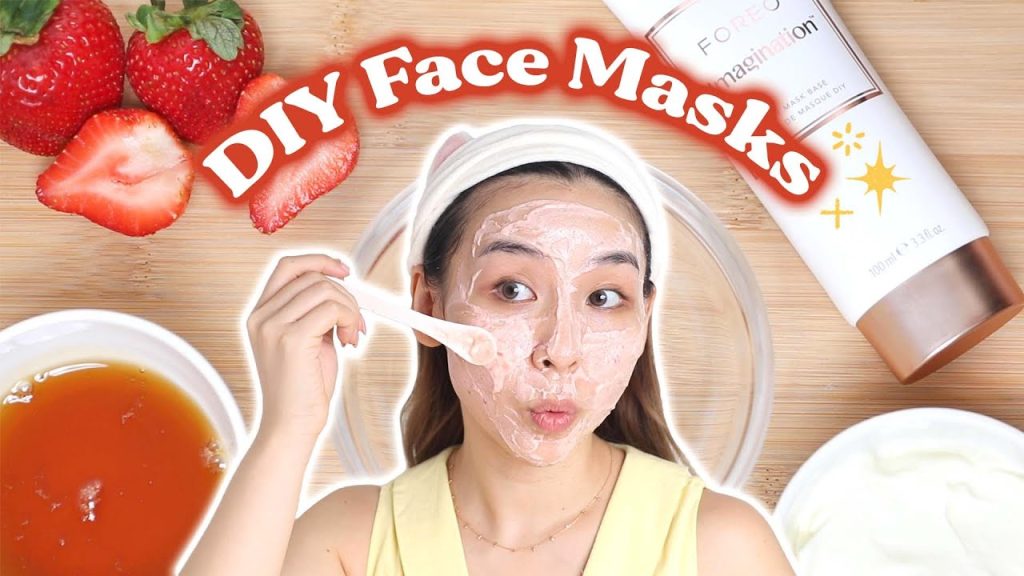
If you have normal skin, keeping your routine simple and effective is key. A delightful DIY face mask can be made using yogurt and honey. Mix two tablespoons of plain yogurt with one tablespoon of honey, apply it to your face, and leave it on for about 15 minutes. This mask not only hydrates but also brightens your skin due to the natural acids found in yogurt.
Recipes for Oily Skin
For individuals struggling with oily skin, the goal is to reduce excess grease while maintaining hydration. A clay mask featuring bentonite clay can work wonders. Combine two tablespoons of bentonite clay with one tablespoon of apple cider vinegar and enough water to create a paste. Apply it to the skin and leave it for 10-15 minutes before rinsing. This recipe not only helps to absorb excess oil but also draws out impurities, leaving your skin looking fresh.
Recipes for Dry Skin
Those with dry skin need recipes that focus on deep moisture. A sumptuous blend of avocado and honey can be a game-changer. Mash half an avocado and combine it with one tablespoon of honey. After applying this creamy mask for about 20 minutes, your skin will feel rejuvenated and nourished. Additionally, adding a few drops of coconut oil to your moisturizer can create a hydrating barrier that locks in moisture throughout the day.
Recipes for Combination Skin
Managing combination skin calls for a dual approach. A balanced toner can harmonize different areas of the face. Create a simple mixture of equal parts rosewater and witch hazel, applying it with a cotton pad, especially on the oily T-zone. For a mask, use two tablespoons of plain yogurt mixed with a teaspoon of honey on dry areas, while applying a clay mask to the oily regions. This versatile recipe encourages balance without compromising hydration.
Recipes for Sensitive Skin
If you have sensitive skin, opt for gentle, soothing recipes. A calming face mask can be made using pureed banana and natural yogurt. Simply mash one ripe banana and mix it with three tablespoons of yogurt. This blend is not only nourishing but also helps in reducing redness and irritation. Another effective option is a simple mixture of oatmeal and honey. Combine two tablespoons of ground oatmeal with one tablespoon of honey, adding water to achieve a paste. This mask can soothe and help restore your skin’s barrier function.
By experimenting with these tailored homemade skincare recipes, you can discover what works best for your unique skin needs. Embrace the natural ingredients at your disposal to rejuvenate your skincare routine and achieve that glowing complexion you’ve always desired!
LEARN MORE: Click here to discover how to protect your skin
Final Thoughts on Homemade Skincare Recipes
Creating homemade skincare recipes with natural ingredients is not only a cost-effective alternative to commercial products but also a fabulous way to cater to your individual skin needs. In a world increasingly influenced by synthetic formulations, the return to natural ingredients offers a holistic approach to skin health that resonates with many seeking clean beauty solutions.
By understanding your unique skin type—whether it be normal, oily, dry, combination, or sensitive—you can strategically incorporate these tailored recipes into your skincare regimen. Recipes using everyday ingredients like honey, yogurt, avocado, and oatmeal capitalize on the natural benefits of their properties, helping you address specific issues such as dryness, irritation, or excess oil production. This hands-on approach not only empowers you to take control of your skincare but also fosters a deeper connection to your overall wellness.
Furthermore, experimenting with these natural formulations allows for a personalized experience that can adapt to changes in your skin or even the seasons. Embracing DIY skincare encourages creativity and self-care, reminding you that taking a few moments for your skin can be both fulfilling and transformative.
As you venture into the world of homemade skincare, consider researching additional natural ingredients that resonate with your skin’s needs and preferences. By continually expanding your knowledge and trying new recipes, you can achieve the luscious, glowing skin you’ve always desired—all while celebrating the power of nature.
Related posts:
The Comparison between Natural and Synthetic Ingredients in Skincare Products
The Efficacy of Natural Ingredients in Combating Skin Aging: What Science Says
Natural Ingredients as Solutions for Common Skin Problems: Case Studies
The Rise of Natural Ingredients in Skincare: A Deep Dive into Their Benefits and Efficacy
How to Create an Effective Skincare Routine Using Only Natural Ingredients
The Influence of Natural Ingredients on the Perception of Cultural Beauty

Linda Carter is a writer and beauty expert specializing in skincare routines, cosmetic ingredients, and holistic self-care practices. With extensive experience helping individuals achieve healthy, radiant skin and make informed beauty choices, Linda shares her knowledge on our platform. Her goal is to empower readers with practical advice and science-backed strategies for lasting beauty and skin health.