
The Importance of Identifying Your Skin Type to Choose Effective Beauty Products
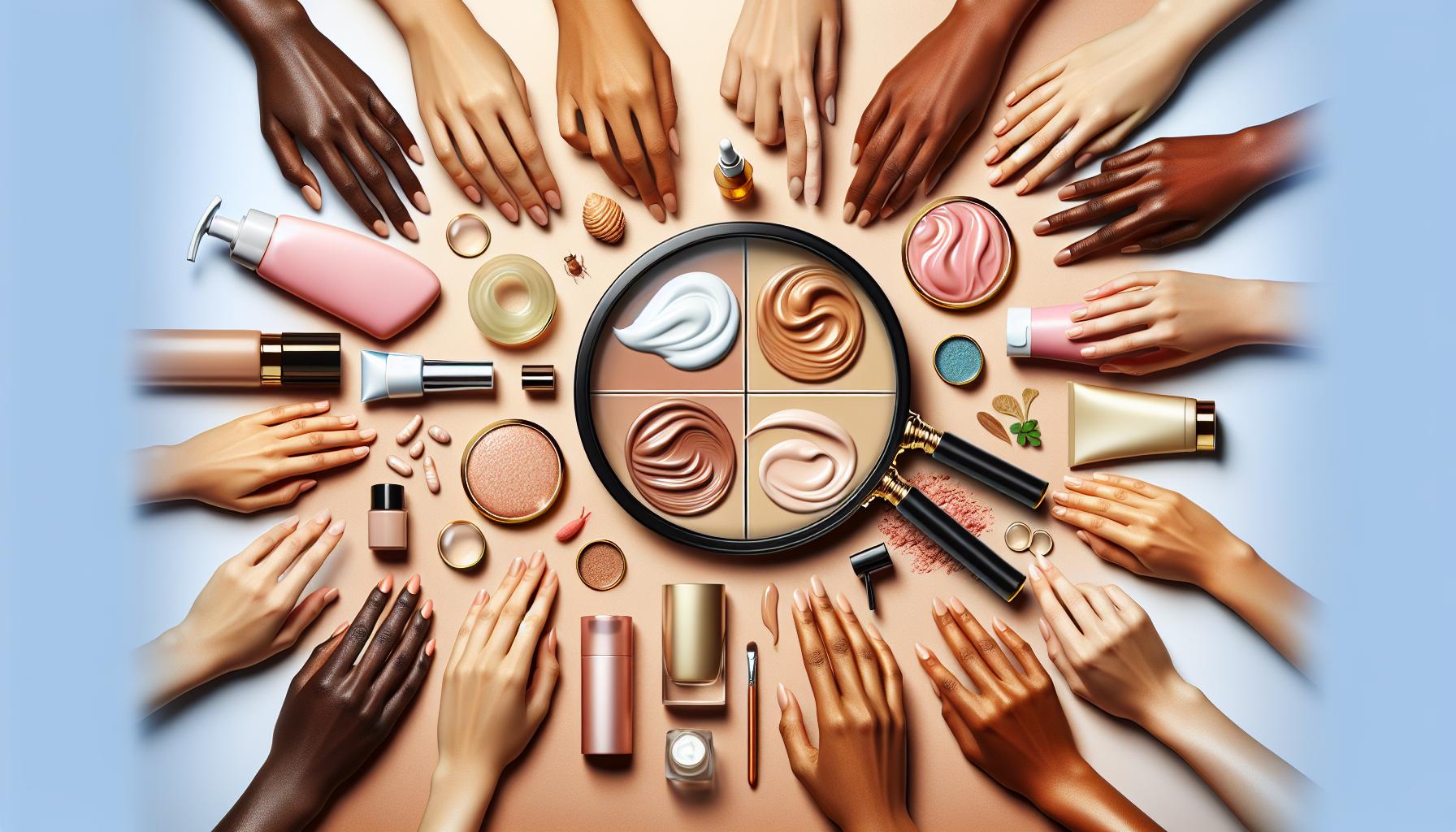
The Importance of Identifying Your Skin Type
Understanding your skin type is crucial for selecting the right beauty products. By recognizing your skin’s unique characteristics, you empower yourself to make informed decisions that can significantly enhance your natural beauty. Different skin types can exhibit varying features and respond differently to various treatments, making the knowledge of your skin type a powerful tool in your beauty arsenal.
Categories of Skin Types
There are several skin types you might have, including:
- Oily – This skin type is characterized by excess sebum production, leading to a shiny appearance and enlarged pores. Oily skin is often prone to acne and breakouts. For those with oily skin, lightweight, non-comedogenic products are recommended, such as gel-based moisturizers and oil-free foundations.
- Dry – Individuals with dry skin often experience tightness and flakiness. Environmental factors like cold weather or indoor heating can exacerbate dryness. It is advisable for those with dry skin to opt for creamy, hydrating products that include ingredients like hyaluronic acid and glycerin to lock in moisture.
- Combination – This skin type presents both oily and dry areas, often with an oily T-zone (forehead, nose, and chin) and dryness on the cheeks. Using a balanced skincare regimen that addresses both aspects, such as applying different products to different areas, can be effective.
- Sensitive – Sensitive skin is easily irritated and may react negatively to certain products or ingredients, leading to redness or discomfort. Gentle formulations, often labeled as hypoallergenic, are ideal for sensitive skin. Products that contain soothing ingredients like aloe vera or chamomile can help calm irritation.
- Normal – Normal skin is characterized by a balanced state, neither too oily nor too dry. People with normal skin have fewer issues with sensitivity or breakouts, which means they can typically explore a wider range of products without adverse reactions.
Choosing the Right Products
The *specific* needs of each skin type dictate the right products to use. For instance, while a heavy, creamy moisturizer might work wonders for dry skin, it can cause breakouts on oily skin. This not only hampers your skin’s natural look but can also lead to additional skin concerns. Therefore, selecting products that accurately align with your skin type can help you avoid adverse reactions, ensuring your skin both looks and feels its best. Additionally, the right beauty products can lead to improved hydration levels, a clearer complexion, and enhanced overall skin health.
By recognizing your skin type, you open the door to an array of products specifically tailored to meet your individual needs. The journey of understanding and caring for your skin is not just about aesthetics but also about health and wellbeing. As you become more aware of how your skin reacts, you can fine-tune your beauty routine, experimenting with targeted treatments, and truly unlocking the potential of your skin.
Stay with us as we delve deeper into the significance of knowing your skin type and how this knowledge can radically transform your beauty practices!

DISCOVER MORE: Click here to learn about the importance of transparent labeling in cosmetics
Understanding the Nuances of Skin Types
In the diverse world of skincare, acknowledging your skin type is not merely a matter of preference; it’s a vital step toward achieving your desired skin health and appearance. Each skin type has its unique requirements and responds distinctly to treatments and products. Being oblivious to your skin’s needs can lead to a costly cycle of trial and error, resulting in wasted resources and potential skin issues.
It’s essential to delve deeper into the characteristics of your skin, as paying close attention to its behavior can reveal hidden patterns that could inform your product choices. For example, a common error among many consumers is assuming that all moisturizers will provide the same benefits. The truth is, a product that suits one skin type may wreak havoc on another. Therefore, understanding the nuances of different skin types can enhance your beauty routine and contribute to an overall healthy glow.
The Biological Basis of Skin Types
Your skin type is influenced by various factors, including genetics, age, hormonal fluctuations, and environmental exposure. Let’s explore some of these factors:
- Genetic Factors – Your genetics play a fundamental role in determining your skin type. If your parents had oily skin, there’s a chance you may too. Conversely, a family history of dryness or sensitivity may suggest a predilection toward those skin types.
- Environmental Influences – Changes in weather, humidity, and exposure to pollutants can significantly affect your skin’s condition. For instance, skin may become drier in winter months or oily during hot, humid summer days. Being mindful of these factors can help you adjust your beauty products seasonally.
- Hormonal Changes – Hormonal shifts due to menstruation, pregnancy, or age can lead to acne flare-ups or changes in skin texture. Identifying these correlations allows for proactive alterations in your skincare regimen.
By understanding these factors, you become equipped to make decisions that cater specifically to your skin, maximizing the benefits. Choosing products formulated for your skin type can result in responsive, effective care rather than aggravating existing concerns or introducing new issues.
Moreover, prioritizing the right ingredients tailored to your skin type can significantly enhance your daily routine. For instance, if you’re dealing with oily skin, look for products that include salicylic acid or tea tree oil to help manage excess sebum production. In contrast, those with dry skin should seek out hyaluronic acid or ceramides that promote moisture retention and hydration.
The journey to a radiant complexion does not have to be overwhelming. As you educate yourself on the intricacies of your skin type, you’ll find a clearer path to selecting effective beauty products. An informed choice not only leads to better skin health but also nurtures your self-confidence and overall wellbeing. So let’s continue our exploration into the significance of skin type identification and transform your beauty practices for the better!
| Skin Type | Benefits of Knowing Your Skin Type |
|---|---|
| Oily Skin | Helps in choosing oil-free, non-comedogenic products that prevent breakouts. |
| Dry Skin | Identifying this promotes the selection of moisturizing and hydrating products, leading to a radiant complexion. |
| Combination Skin | Understanding needs allows for targeted treatments, ensuring both balanced hydration and oil control. |
| Sensitive Skin | Knowing this enables avoiding irritating ingredients, leading to less redness and improved skin health. |
Identifying your skin type is essential not just for choosing products; it’s about understanding your skin’s unique requirements. Each skin type—whether oily, dry, combination, or sensitive—has specific characteristics that can significantly influence how your skin reacts to products. For instance, those with oily skin often face challenges like excess shine and breakouts, making it crucial to select products that are specifically formulated to combat these issues without adding additional oil. Conversely, individuals with dry skin may struggle with flakiness and tightness, necessitating the use of more moisturizing formulas that can lock in hydration. This knowledge is incredibly powerful as it empowers consumers to navigate the vast beauty product landscape with confidence. Tailoring your choices based on skin type not only enhances product efficacy but also fosters healthier skin over time. Thus, gaining an understanding of your skin type is a stepping stone towards achieving your desired beauty goals.
DIVE DEEPER: Click here for more insights
Choosing the Right Products for Your Skin Type
Once you’ve established your skin type, the next step is to understand how to choose effective beauty products that address your specific needs. With an array of options available in the beauty market, from cleansers to serums and moisturizers, the selection can be daunting. However, recognizing the importance of your skin type will simplify the process and lead to more beneficial choices.
Tailoring Your Skincare Routine
Each skin type has distinct characteristics that necessitate a tailored approach to skincare. Here’s how to navigate the product landscape based on your skin type:
- Oily Skin – Look for lightweight, oil-free formulations. Products containing glyceryl monostearate or alpha-hydroxy acids can help minimize shine and prevent breakouts. Incorporating oil-controlling ingredients such as clay masks once a week can further help manage excess sebum production.
- Dry Skin – Opt for creams or ointments rich in hydrating ingredients such as glycerin, shea butter, or oils like argan and jojoba. Deeply nourishing treatments like overnight masks or serums containing retinol may also be beneficial to restore hydration and balance.
- Combination Skin – This skin type may require a multi-faceted approach. Consider a gel-based cleanser that removes oil without over-drying areas of your face. Spot treatments can also be effective – using one designed for oily zones without disturbing the drier sections of your skin.
- Sensitive Skin – Fragrance-free and hypoallergenic products are crucial for this skin type. Ingredients like chamomile and aloe vera can be soothing, while avoiding alcohol-based formulas helps minimize irritation. Look for soothing creams that reduce redness and keep the skin’s barrier intact.
- Normal Skin – Those with normal skin can enjoy a wider variety of products but should still aim for balance. Look for lightweight moisturizers with antioxidants like vitamin C to maintain a healthy glow without clogging pores.
Understanding Product Labels
Being knowledgeable about ingredients is part of the beauty product selection process. Many consumers may overlook product labels, but a quick review can make a significant difference in effectiveness. For instance, a moisturizer labeled as “non-comedogenic” is less likely to cause breakouts, making it a great choice for oily and acne-prone skin types.
Another critical aspect is recognizing how to layer products correctly. For example, the rule of thumb is to apply from thinnest to thickest—lighter serums should go on before heavier creams. Failing to follow this rule could lead to product pilling or ineffective absorption, diminishing the results.
Further, understanding how to incorporate exfoliation into your routine can vastly impact your skin health. Exfoliating can remove dead skin cells, allowing other products to penetrate more effectively. However, it’s essential to select exfoliators that align with your skin type; gentle enzyme peels may be appropriate for sensitive skin, while stronger physical scrubs can benefit oilier complexions.
Finally, it’s vital to routinely evaluate your skin’s response to products. Just as your skin type may change due to environmental factors or hormonal shifts, your product choices may also need to adjust. Keeping a skincare journal can help track how your skin responds to different formulations, leading to greater efficacy in choosing future products.
By prioritizing these elements in your beauty routine, you empower yourself to select products that complement your skin type, resulting in radiant, healthy skin where you can feel confident.
DIVE DEEPER: Click here to uncover the latest trends
Conclusion: The Key to Effective Beauty Choices
In conclusion, identifying your skin type is not just a cosmetic preference; it is a fundamental step in establishing a successful beauty routine that promotes healthy and vibrant skin. Armed with the knowledge of whether your skin is oily, dry, combination, sensitive, or normal, you can make informed decisions about which products to incorporate into your regimen. This awareness allows you to avoid wasteful purchases and minimize skin-related issues, such as breakouts or irritation, resulting from using unsuitable items.
Moreover, understanding product labels and the significance of specific ingredients empowers consumers to navigate the ever-expanding beauty landscape with confidence. As you dedicate time to research and identify the right products tailored to your skin type, you’ll find that the investment pays off, leading to improved skin health and enhanced self-esteem.
Don’t forget that our skin can change due to various factors, including hormonal shifts, lifestyle changes, and environmental influences. Thus, incorporating a practice of regularly assessing your skin’s needs can keep your beauty routine effective and relevant. Keep a skincare journal, observe how your skin reacts to different products, and be proactive in adjusting your choices as necessary.
Ultimately, when you prioritize understanding your skin type and its unique requirements, you lay the groundwork for achieving the radiant and healthy complexion you desire. In the world of beauty, informed choices are the foundation of success, helping you shine in your natural beauty.