
The Benefits of Natural Ingredients in Skincare Routine

Discover the Power of Nature in Skincare
As the demand for healthier lifestyle choices continues to rise, consumers are increasingly drawn to the benefits of natural ingredients. These plant-based components are being embraced not only for their mild effects on the skin but also for their scientifically backed advantages. The prevalence of synthetic products in the skincare market has led to a growing interest in more wholesome alternatives that harness the power of nature.
- Gentle on the Skin: Natural ingredients often cause fewer allergic reactions compared to their synthetic counterparts. For example, products containing aloe vera have been shown to soothe and heal minor burns and rashes, making them suitable for even the most sensitive skin types. This gentleness is a vital benefit for those susceptible to reactions from chemical-laden products.
- Rich in Nutrients: Ingredients like coconut oil are lauded for their high content of vital vitamins, such as vitamin E, which acts as an antioxidant protecting skin from damage. Similarly, shea butter is famous for its moisturizing properties due to its rich fats, while green tea is celebrated for its anti-inflammatory and anti-aging properties, illustrating how natural components can enhance skin health.
- Eco-Friendly: Many natural ingredients are sourced sustainably, which not only benefits the environment but also promotes biodiversity. Support for brands that prioritize sustainability can positively impact ecological health, making purchasing decisions more meaningful for consumers who care about the planet.
To truly appreciate the power of nature in skincare, it is crucial to explore a variety of essential oils and botanical extracts that can provide targeted benefits. For instance, tea tree oil is well-known for its antibacterial properties that can effectively help combat acne while chamomile is revered for its ability to calm and soothe irritation. Understanding the purpose behind each ingredient will empower consumers to choose products that align best with their specific skincare concerns.
Customize Your Skincare Routine
Embracing natural ingredients offers an exciting opportunity to craft a personalized skincare routine tailored to individual skin types and needs. Here are a few suggestions to inspire your journey into natural skincare:
- A honey mask for hydration: Honey not only attracts moisture but also has natural antibacterial properties that can help maintain skin clarity.
- A scrub with sugar and olive oil for exfoliation: This combination provides the perfect mix of gentle scrubbing and deep hydration, ensuring fresh and smooth skin.
- Jojoba oil as a natural moisturizer: Known for its ability to mimic the skin’s natural oils, jojoba oil is excellent for balancing moisture levels without clogging pores.
The transition towards natural skincare is more than just a passing trend; it reflects a fundamental shift in consumer priorities. As more individuals emphasize the importance of health and environmental impact, exploring natural options can uncover newfound potential for skin vitality. Investigating the benefits of different natural ingredients may lead you to personalized solutions that enhance your skin’s overall health and well-being.
LEARN MORE: Click here to discover how to safeguard your hair
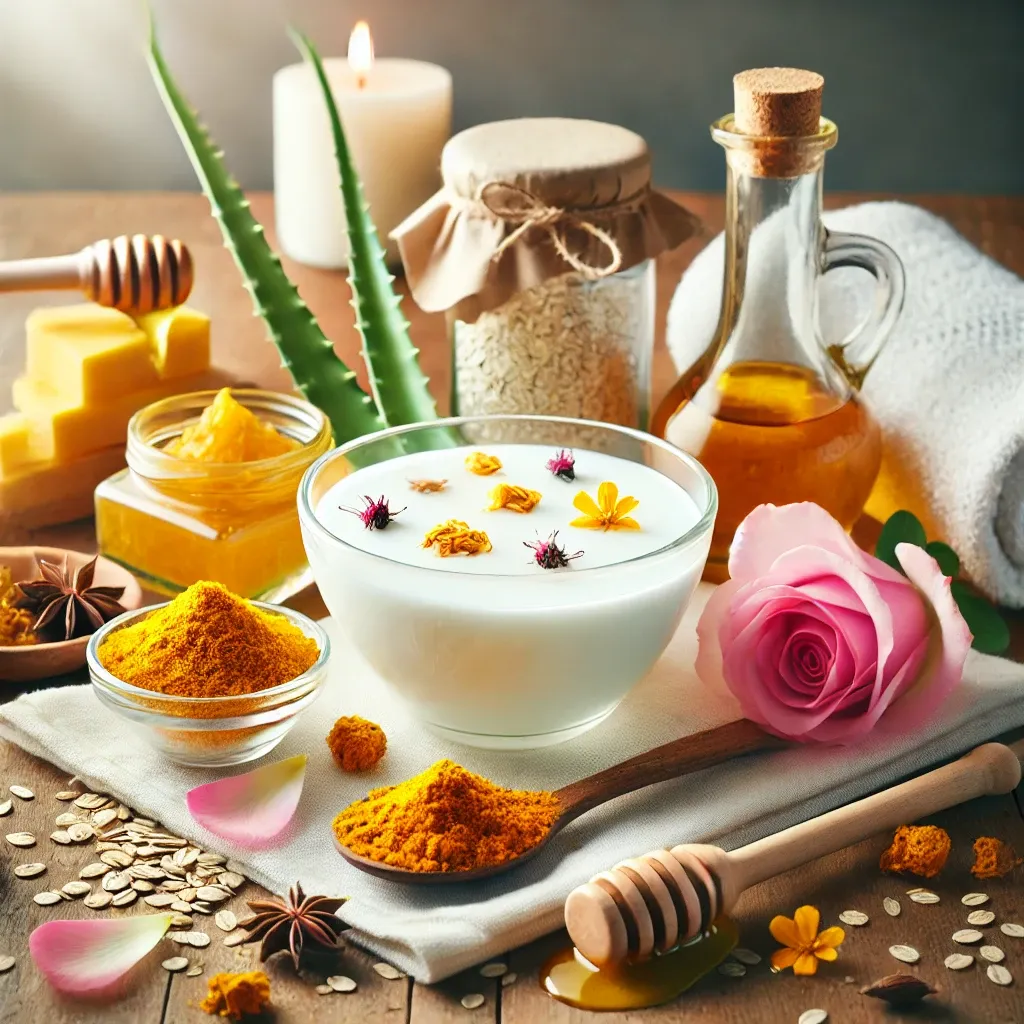
Unlocking Nature’s Secrets: Why Natural Ingredients Matter
The skincare industry has undergone a significant transformation, with consumers gradually shifting their focus toward products that are not just effective but also derived from nature. The integration of natural ingredients into skincare routines brings forth a multitude of benefits that resonate with health-conscious individuals seeking gentle yet powerful alternatives. By harnessing the potential of botanical ingredients, people can address their skincare concerns while embracing eco-friendly practices.
One of the most compelling aspects of using natural ingredients is their ability to nurture the skin without the harsh side effects commonly associated with synthetic formulations. For example, oils extracted from plants such as argan and rosehip are known for their nourishing properties. Argan oil, often referred to as “liquid gold,” is rich in fatty acids and vitamin E, providing superior hydration and helping to improve skin elasticity. On the other hand, rosehip oil is packed with antioxidants and essential fatty acids that promote healing and minimize the appearance of scars, offering a potent remedy for a common skincare issue.
Nature’s Array of Solutions
Another compelling reason to incorporate natural ingredients into your regimen is their inherent ability to address specific skin problems. Many plants and herbs possess remarkable properties that can bring targeted results. Here are a few notable ingredients to consider:
- Lavender: Renowned for its calming scent, lavender oil also has antimicrobial properties that can help soothe skin irritations and acne.
- Aloe Vera: This succulent plant is not only hydrating but also contains enzymes that promote cell regeneration, making it an excellent choice for sunburned or damaged skin.
- Calendula: Often used in salves and oils, calendula is famous for its potent anti-inflammatory effects, aiding in the healing of cuts and bruises while soothing sensitive skin.
The scientific community is increasingly validating the benefits of these natural components. Research indicates that ingredients like antioxidants found in blueberries and vitamin C in citrus fruits are effective in defending against environmental stressors, such as pollution and UV radiation. For instance, studies show that vitamin C can significantly brighten the complexion and reduce the appearance of hyperpigmentation, making it a sought-after ingredient in brightening serums.
Exploring the myriad benefits of natural ingredients reveals the potential for optimal skin health. Not only do these ingredients provide essential nutrients that promote a radiant complexion, but they also encourage a holistic approach to skincare. As consumers become more informed about what they apply to their skin, the shift to natural products underscores a broader interest in wellness that extends beyond skincare into the overall lifestyle choices people make.
| Category | Benefits |
|---|---|
| Moisturization | Natural ingredients such as aloe vera, shea butter, and coconut oil are known for their deep moisturizing properties. |
| Anti-inflammatory | Ingredients like chamomile and calendula help reduce skin irritation, making them ideal for sensitive skin. |
| Antioxidant Protection | Natural extracts from berries and green tea are rich in antioxidants that combat free radical damage. |
| Gentle on Skin | Unlike synthetic chemicals, natural ingredients are less likely to cause adverse reactions, promoting a healthier skincare routine. |
The rising interest in using natural ingredients in skincare routines stems from a desire for safer, cleaner, and more effective beauty products. These ingredients not only provide valuable nutrients to the skin but also play an essential role in sustaining overall skin health. From moisturizing effects to soothing inflammation, they contribute to a holistic approach to skincare that favors well-being over quick fixes. As more consumers become aware of the potential dangers associated with synthetic components, understanding the benefits of natural alternatives becomes ever more critical. Exploring options like herbal extracts and organic components can lead to remarkable improvements in skin texture and appearance, turning everyday routines into rewarding experiences. This shift towards embracing nature’s bounty in skincare could fundamentally change the beauty industry’s landscape, especially as consumers seek transparency and efficacy in the products they use.
DISCOVER MORE: Click here to learn about sunscreens and skin aging
Embracing Sustainability: The Environmental Edge of Natural Skincare
As consumers become more aware of their impact on the environment, the demand for sustainable skincare solutions grows. One of the key benefits of natural ingredients lies in their eco-friendly sourcing and biodegradable nature. Unlike synthetic compounds requiring complex chemical processes, many naturally-derived ingredients are cultivated through sustainable farming practices. For instance, organic shea butter sourced from African initiatives not only nourishes the skin but also supports local economies and fosters biodiversity.
Moreover, natural skincare brands often prioritize transparency in their supply chains. By choosing products that highlight their natural ingredients, consumers can feel more confident in their purchases, knowing they support brands that value environmental stewardship. This shift toward sustainability is not just a trend; it signifies a movement towards a more conscious lifestyle, where what we apply on our skin aligns with our values.
Enhancing Skin Functionality with Transdermal Benefits
The skin, our body’s largest organ, possesses a unique ability to absorb substances. Many synthetic ingredients can create barriers, preventing effective penetration and absorption. Natural ingredients, particularly those that are in harmony with our body’s chemistry, can have positive transdermal effects. For example, when a product contains ingredients like jojoba oil—a substance that closely resembles our skin’s own sebum—it can help balance oil production and improve moisture retention. This quality makes natural oils and butters a prime choice for hydration without clogging pores.
Additionally, some natural ingredients have the capacity to enhance skin barrier function. For instance, ceramides derived from plant sources can help maintain the skin’s lipid bilayer, preventing moisture loss and dullness. When combined with botanical extracts known for their anti-inflammatory properties, such as chamomile or green tea, these formulations can support sensitive skin and reduce irritation.
Customizable Skincare Solutions
Another enticing aspect of using natural ingredients is their versatility. They allow individuals to tailor their skincare routines based on personal skin needs and preferences. With the rise of DIY skincare enthusiasts, many are finding that they can create effective formulations at home using simple ingredients like honey, oatmeal, or avocado.
For instance, honey is not only a natural humectant—drawing moisture to the skin—but it also offers antibacterial properties that help combat breakouts. Mixing it with ground oats can create a gentle exfoliating mask, harnessing the soothing qualities of both ingredients to rejuvenate the skin. Such customization opens the door for creativity while ensuring users are aware of exactly what goes into their skincare products.
Furthermore, natural ingredients often boast fewer potential allergens. Many consumers are turning to fragrance-free, paraben-free, and sulfate-free products as they seek to minimize irritants in their routine. The simplicity and pureness of natural skincare can significantly reduce the risk of adverse reactions, thus catering to even the most sensitive skin types.
In an era where consumers are continuously educated about their purchases, the allure of natural ingredients in skincare resonates strongly. The benefits are not solely rooted in efficacy; they extend to safety, sustainability, and personalization. In exploring the power of nature in personal care, individuals can discover a path to healthier skin that harmonizes with their life philosophy
DISCOVER MORE: Click here for insights on natural ingredients
Conclusion: A Natural Approach to Skincare
In conclusion, the embrace of natural ingredients in skincare routines presents a remarkable opportunity for individuals looking to enhance their beauty regimen through efficacy, sustainability, and customization. As we navigate a landscape filled with chemical-laden options, the allure of nature’s offerings stands out not only for their ability to nourish and heal the skin but also for their alignment with eco-conscious values.
From improving moisture retention with oils that mimic our own skin’s sebum to soothing inflammation with botanical extracts, natural ingredients are essential allies in maintaining optimal skin health. Additionally, the personal touch of customizing skincare products empowers users to engage with their beauty routines meaningfully. With the increasing transparency and ethical sourcing of natural products, individuals can feel assured that their choices positively impact both their skin and the environment.
As consumers in the United States and beyond continue to seek out safer, greener alternatives, it’s critical to remain informed about the benefits of natural ingredients. Ultimately, harnessing the capabilities of nature not only addresses personal skincare needs but also champions a holistic lifestyle that prioritizes well-being and sustainability. The journey towards healthier skin can thus become a celebration of nature’s potency and a commitment to responsible consumption. Exploring natural skincare options paves the way for informed decisions that reflect a deeper understanding of how beauty and nature can coexist harmoniously.
Related posts:
How to Identify Effective Natural Ingredients in Beauty Products
The Efficacy of Natural Ingredients in Combating Skin Aging: What Science Says
The Influence of Natural Ingredients on the Perception of Cultural Beauty
The Rise of Natural Ingredients in the Beauty Industry: Trends and Innovations
The Sustainability of Natural Ingredients in the Beauty Industry
How to Create an Effective Skincare Routine Using Only Natural Ingredients

Linda Carter is a writer and beauty expert specializing in skincare routines, cosmetic ingredients, and holistic self-care practices. With extensive experience helping individuals achieve healthy, radiant skin and make informed beauty choices, Linda shares her knowledge on our platform. Her goal is to empower readers with practical advice and science-backed strategies for lasting beauty and skin health.