
Contouring and Highlighting Techniques to Enhance the Face in Different Face Shapes

The Transformative Power of Contouring and Highlighting
In today’s beauty landscape, contouring and highlighting have emerged as essential techniques that can dramatically redefine one’s appearance. By skillfully applying different shades of makeup, individuals can sculpt their facial features, creating shadows and dimensions that enhance their natural beauty. These techniques, once reserved for professional makeup artists, have now become accessible to everyone, thanks to an abundance of tutorials and products available on the market.
What makes contouring and highlighting effective is the unique shape of each face, which influences how these techniques can be applied. Understanding your face shape is crucial for achieving flattering results. Let’s delve deeper into how contouring can be tailored to different face shapes:
- Oval: Characterized by a balanced structure, an oval face typically benefits from a light application of contour along the cheekbones to further emphasize their natural beauty. A subtle highlight on the forehead and under the eyes can add radiance without overwhelming the proportions.
- Round: For round faces, the goal is often to create a more angular appearance. This can be achieved by contouring the sides of the forehead and along the jawline. Adding highlight to the center of the forehead and cheekbones will draw attention upwards, creating an illusion of length.
- Square: Those with square jawlines can soften their features by contouring along the jawline and temples. Highlighting above the cheekbones can introduce softness, balancing the strong angles of the face elegantly.
- Heart: A heart-shaped face often has a wider forehead and a narrow chin. Contouring the forehead and chin can help create a more harmonious balance, while strategically placed highlights on the cheeks and bridge of the nose can draw focus to the center of the face.
Mastering the art of contouring and highlighting requires practice and understanding, but the rewards are well worth the effort. With the right tools—be it creams, powders, or sticks—you can learn to sculpt your face like a canvas, bringing out features that may often go unnoticed. As you dive deeper into these techniques, consider experimenting with different products and brushes to see what works best for your skin type and personal style.
This exploration of contouring and highlighting is not just about beauty; it’s also about empowerment. By honing these skills, you can reveal a more confident version of yourself, feeling ready to take on the world. Whether you’re preparing for a special occasion or enhancing your everyday look, the power of makeup lies in its ability to help you express who you are. As you embark on this journey, remember that the ultimate goal is to feel beautiful in your skin, and these techniques are merely tools to help you achieve that vision.
DISCOVER MORE: Click here to learn about the amazing benefits of natural oils for your hair
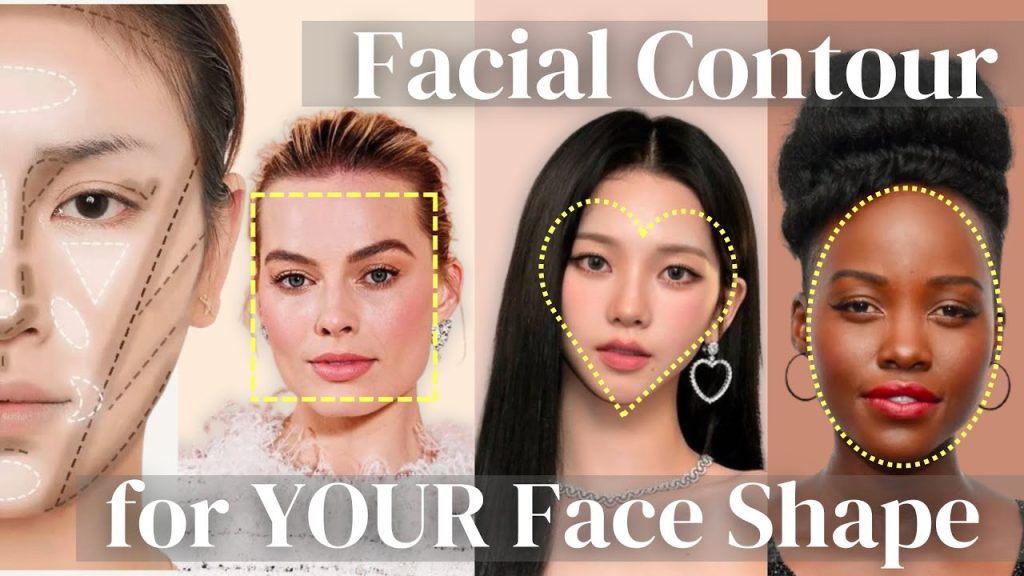
Tailoring Techniques to Your Unique Face Shape
Understanding contouring and highlighting techniques is essential for anyone looking to enhance their natural beauty and refine their facial structure. Each face shape presents its own unique features, which means it’s crucial to adapt your techniques accordingly. By recognizing the distinct characteristics of your face shape, you can emphasize your best attributes and create a beautiful, balanced appearance.
Below are some key contouring and highlighting strategies tailored for various face shapes:
- Diamond: The diamond-shaped face is characterized by a narrow forehead and chin, with wider cheekbones. To contour a diamond face, apply a darker shade along the forehead and jawline to create a more oval appearance. Highlighting the cheekbones and brow bones will accentuate their natural prominence, helping to balance the face.
- Long: A long face typically features a longer forehead and chin. The goal here is to create the illusion of width. Contour along the sides of the forehead, and under the chin, while avoiding heavy contouring on the cheeks. Highlighting the center of the cheeks and the areas around the eyes will help draw attention to a brighter, more vibrant aspect of the face.
- Oblong: Similar to long face shapes but usually with a more pronounced length. To contour an oblong face, focus on applying contour along the jawline, along the sides of the forehead, and under the cheekbones. Highlighting the brow bone and the apples of the cheeks will bring the facial focus back toward the center, creating a visually appealing balance.
- Triangle: For those with a triangular face shape, featuring a narrow forehead and wider jaw, contouring should be focused on the jawline and temples. This will soften the angles and give an illusion of width where needed. Applying highlighter on the cheekbones and forehead can lift the features, creating a more harmonious shape.
The impact of properly executed contouring and highlighting techniques is substantial. They not only reshape how your face appears but also enhance your confidence and sense of self. As you progress in mastering these methods, remember the importance of blending—this ensures your makeup looks seamless and natural. Choosing the right tools, whether it’s cream-based products or powders, can make a significant difference in how easily you can achieve your desired results.
Additionally, experimenting with different colors and techniques opens up a world of possibilities for creativity and self-expression. The spectrum of shades available allows you to tailor your look to any occasion—whether you’re aiming for a subtle daytime glow or a dramatic evening appearance. Each stroke of makeup becomes an opportunity to redefine your unique beauty, reflecting who you are.
In this journey of exploring contouring and highlighting, it’s vital to embrace the idea that beauty is diverse. Each face shape tells a different story, and that’s what makes them all captivating. With the right techniques, everyone can learn to love their reflection in the mirror, seeing not just a canvas but a work of art ready to shine.
| Face Shape | Contouring Techniques |
|---|---|
| Oval | Focus on enhancing features with soft contouring along the jawline. |
| Round | Apply contour on the sides of the forehead and edges of the face for a slimmer appearance. |
| Square | Use higher cheekbone contouring to soften the jawline and create balance. |
| Heart | Contour the sides of the forehead and under the jawline, focusing on drawing attention to the eyes. |
Understanding facial shapes is vital for effectively deploying contouring and highlighting techniques. Each shape benefits from tailored approaches that enhance natural beauty while creating the illusion of structure. Oval faces, for instance, embrace softer contouring, allowing natural features to shine, while round faces benefit from contouring at the forehead and jawline, yielding a more sculpted look. Square faces often see best results with targeted cheekbone contouring to soften the angular jawline, whereas heart-shaped faces should focus on drawing attention upward and adding dimension to the cheeks. As you delve deeper into these techniques, remember that experimentation is key. Adjust your methods according to your specific face shape and personal style to find what truly works for you. Explore tools, products, and tutorials to elevate your makeup skills to a professional level, ensuring your techniques are always on point.
DISCOVER MORE: Click here to learn about the benefits of natural ingredients
Practical Techniques for Every Face Shape
While recognizing your face shape is an essential step in mastering the art of contouring and highlighting, the techniques themselves can be broken down further into practical methods that anyone can implement. This ensures you can achieve your desired look seamlessly and effectively, no matter your experience level with makeup. Below, we delve into contouring and highlighting strategies specific to some additional face shapes.
- Square: For a square face shape, characterized by a strong jawline and equal width across the forehead and jaw, the goal is to soften the angular features. Apply a contour shade along the jawline and temples, blending well to avoid harsh lines. Highlight the center of the forehead, cheekbones, and chin to draw attention away from the jaw’s sharpness, making the overall facial structure appear more rounded.
- Heart: Those with a heart-shaped face typically have a wider forehead and narrow chin. Contour the sides of the forehead and along the jawline to create more balance. Focus on the cheekbones by applying highlighter to their highest point to emphasize their structure, thereby drawing attention toward the center of the face.
- Round: If you possess a round face with soft, youthful features, the aim is to create an illusion of length. Contour the sides of the forehead and under the chin, as well as the edges of the cheeks to shape them more sharply. Highlight the center of the forehead and top of the cheekbones to add dimension and lift the overall appearance, drawing the eye upwards and away from the roundness.
- Oval: An oval face shape is considered the ideal template for contouring because of its natural proportions. However, softening certain features can enhance an already balanced structure. Apply contour under the cheekbones and along the jawline for subtle definition. Use highlighter to elevate the center of the forehead, cheekbones, and chin, drawing attention to the natural symmetry of your face.
In addition to these specific techniques, the choice of tools can significantly affect your outcome. For a natural look, a damp beauty sponge can help achieve seamless blending, while a brush may offer more precision, especially for defined contouring. Selecting the right product, whether creams, powders, or sticks, can be a game changer. Cream-based products offer a dewy finish suitable for dry skin types, whereas powders can give a matte appearance perfect for oily skin.
Color selection also plays a vital role. Consider using contour shades one or two shades darker than your skin tone and highlighters that possess a slightly iridescent quality for a radiant effect. Integrating color psychology can further enhance your look; subtle undertones can help in achieving perfect harmony with your complexion.
Lastly, makeup artists often emphasize the importance of adapting your techniques based on lighting. Natural light can provide a true representation of your makeup application, ensuring that contouring and highlighting remain subtle and not overdone. For evening events, you can afford to intensify your application, as more dramatic effects will translate better in dim light.
As you refine your contouring and highlighting skills, remember to have fun with it! The process should feel rewarding rather than stressful. Everyone’s face is a unique canvas, and with these tailored techniques, you can explore enhancing your beauty in a way that aligns with your individual style and personality.
DISCOVER MORE: Click here for essential body exfoliation tips
Conclusion
In the world of makeup, contouring and highlighting techniques serve as transformative tools, capable of elevating one’s natural beauty while enhancing the uniqueness of different face shapes. By understanding the distinct features of your face—be it square, heart, round, or oval—you empower yourself with the knowledge to make informed choices about where to apply contour and highlight. Each technique discussed offers insights into softening angles or enhancing symmetry, allowing anyone, regardless of their skill level, to craft a refined visage.
Moreover, the integration of the right products—ranging from creams and powders to choosing suitable brushes or sponges—can greatly affect the final outcome of your makeup application. This meticulous attention to detail not only enhances your face shape but also ensures a polished and seamless finish. Remember, the art of makeup is as much about personal expression as it is about technique. Exploring different products and methods opens doors to creativity, encouraging you to adapt your application based on lighting and occasion for the best effect.
Ultimately, the journey of perfecting your contouring and highlighting skills should be enjoyable and inspiring. Embrace the versatility that makeup offers and approach it with curiosity and confidence. Whether preparing for a casual outing or a special event, your face is a canvas—your canvas. Dive deeper into the world of contouring and highlighting, and discover the artistry that can enhance your natural features and present your unique beauty to the world.
Related posts:
Makeup for Mature Skin: Tips to Enhance Beauty at Any Age
Makeup for Photography: Techniques for a Perfect Finish in Photos
Brush vs. Sponge Application Techniques: Which is Best for You?
Minimalist Makeup: Tips and Techniques for a Natural and Radiant Look
Long-Lasting Makeup: Strategies to Keep Your Look Perfect All Day
The Evolution of Contouring Techniques: From Basic to Advanced

Linda Carter is a writer and beauty expert specializing in skincare routines, cosmetic ingredients, and holistic self-care practices. With extensive experience helping individuals achieve healthy, radiant skin and make informed beauty choices, Linda shares her knowledge on our platform. Her goal is to empower readers with practical advice and science-backed strategies for lasting beauty and skin health.