Edible Plants for Small Spaces: How to Start a Kitchen Garden in Your Apartment
Creating Your Own Urban Garden
Transforming your apartment into a lush urban oasis can be both achievable and rewarding. Imagine stepping into your kitchen and grabbing a handful of fresh basil or a ripe tomato—straight from your own garden. Edible plants not only enhance your cooking but also contribute to a sustainable lifestyle by reducing the carbon footprint associated with store-bought produce.
Many urban dwellers find that starting a kitchen garden in limited space may seem daunting. However, numerous options cater to compact living environments, allowing even the smallest apartments to embrace the joy of gardening. For beginners, consider these popular choices for edible plants that thrive indoors:
- Herbs: Plants like basil, parsley, and mint can flourish in small pots on sunny windowsills. These herbs not only add flavor to meals but can also improve air quality within your home.
- Leafy Greens: Vegetables such as lettuce and spinach are ideal for indoor gardening, growing quickly and providing nutritious greens for salads or smoothies.
- Tomatoes: Dwarf varieties of tomatoes, like ‘Tiny Tim’ or ‘Patio Princess’, can flourish on sunny windowsills and yield delicious fruits that can make any dish burst with flavor.
The Benefits of Growing Your Own Food
Creating a small space garden extends beyond the simple act of growing food; it offers a unique opportunity to connect with nature and develop valuable gardening skills. According to the National Gardening Association, nearly 35% of households in the U.S. are now growing their own food, showcasing the growing trend of home gardening as a way to promote both self-sufficiency and sustainability.
Engaging in gardening activities can have positive mental health benefits, providing stress relief and a sense of accomplishment as plants flourish under your care. Gardening also promotes mindfulness, allowing individuals to focus on nurturing living things and appreciating the beauty of growth. Furthermore, the joy of harvesting your own fresh ingredients can make meal preparation more gratifying.
Getting Started with Your Kitchen Garden
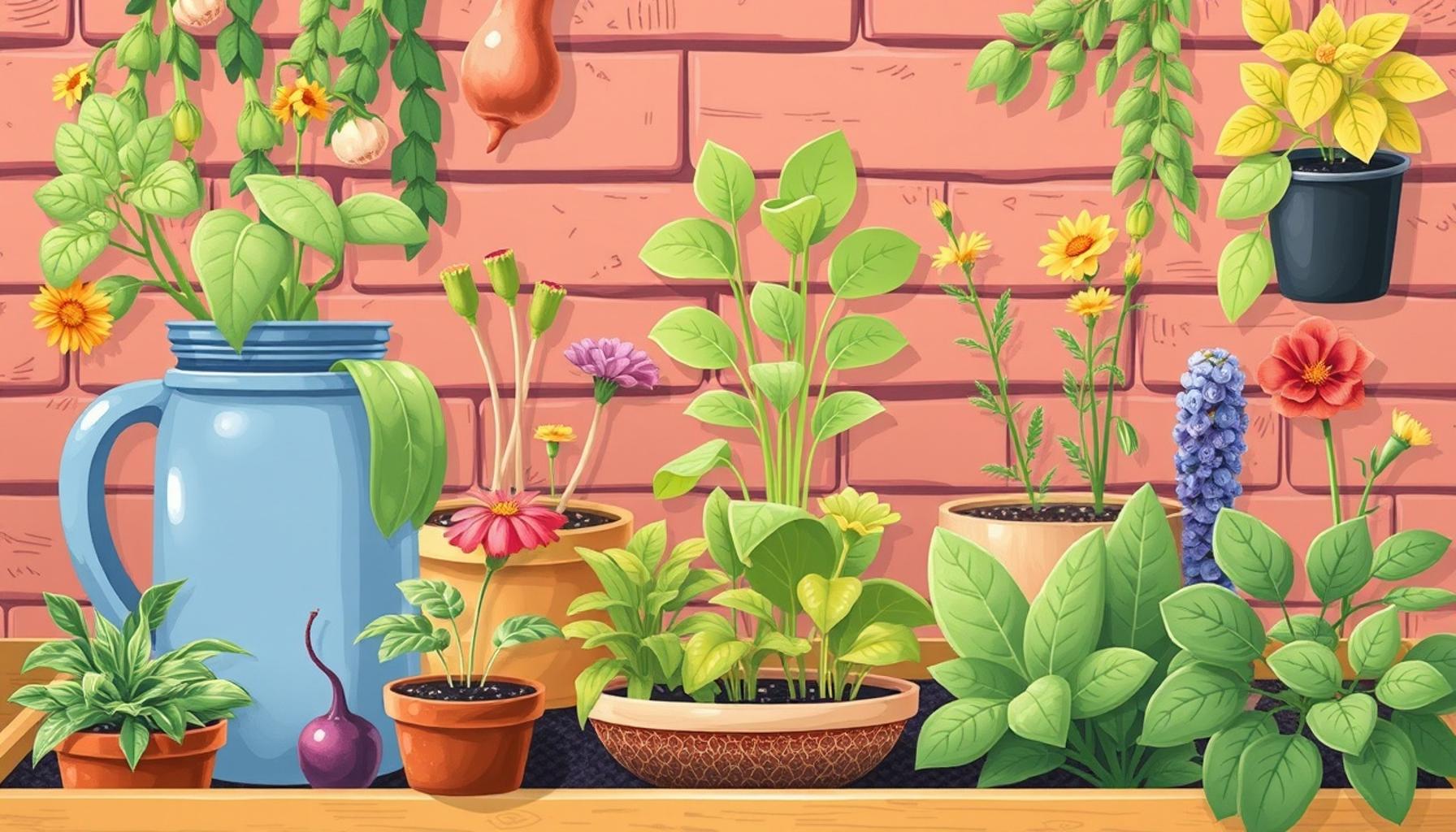
In this article, you will discover innovative ideas and expert tips for setting up your own kitchen garden, even in the smallest of apartments. Learn how to maximize your space by using vertical gardening solutions, such as wall-mounted planters, stackable pots, or hanging trays. Each of these arrangements will help you create a visually appealing garden while optimizing your limited area.
Selecting the right containers is essential for plant health. Ensure you choose pots with drainage holes to prevent waterlogging, and consider investing in self-watering containers to make plant care even simpler. Additionally, understanding your plants’ specific light, water, and nutrient needs will enable you to cultivate a thriving garden that brings you closer to nature, even amidst the concrete jungle.
By diving into the world of urban gardening, you’ll not only enrich your culinary experiences but also foster a healthier and more sustainable lifestyle. Now is the perfect time to start your own kitchen garden adventure!
DISCOVER MORE: Click here to dive into indoor gardening tips
Maximizing Space for Your Kitchen Garden
When it comes to urban gardening, understanding how to maximize your available space is crucial. Even in the tightest apartments, there are creative ways to grow edible plants without feeling cramped. The key is to utilize vertical space wisely and choose the right plants that adapt well to confinement.
One of the best strategies for starting a kitchen garden in your apartment is to incorporate vertical gardening techniques. This approach allows you to grow plants upward rather than outward, which can optimize your space. Here are some popular vertical gardening solutions that can easily fit into your décor:
- Wall-Mounted Planters: These are excellent for small spaces and can add a decorative touch to your living area. Consider herbs or trailing plants like chives and oregano for a beautiful, aromatic feature.
- Hanging Pots: Great for both herbs and small vegetables, hanging pots can be suspended from ceilings or hooks. They not only take advantage of vertical space but also create a stunning display.
- Stackable Containers: These pots allow you to grow multiple plants in a single vertical structure. This is ideal for fast-growing greens like arugula and mustard greens, which thrive in tighter spaces.
Once you’ve set up your vertical planters or containers, selecting the right pots is essential for optimal growth. Make sure to choose pots with adequate drainage holes to prevent root rot. Consider investing in self-watering containers, as they can help maintain consistent moisture levels, especially for busy individuals who may forget to water regularly. For those new to gardening, starting with quality potting mix will ensure that your plants receive the nutrients they need.
Choosing the Right Plants for Indoor Gardening
Choosing the right edible plants for your apartment can determine your success as an urban gardener. It’s essential to pick varieties that adapt easily to indoor environments and have lower space requirements. Below are some fantastic plants to consider that can thrive in your kitchen garden:
- Herbs: Aromatic varieties like basil, cilantro, and thyme are not only easy to grow but also make your culinary dishes more flavorful.
- Leafy Greens: Fast-growing options such as spinach and lettuce can yield fresh greens within weeks of planting, providing a delicious and nutritious addition to any meal.
- Radishes: These root veggies are perfect for small spaces, as they grow quickly and require minimal maintenance. Plus, they add a peppery crunch to salads!
As you embark on your journey to cultivate your own kitchen garden, keep in mind the importance of light and water. Most edible plants require 6 to 8 hours of direct sunlight daily. If your apartment lacks adequate sunlight, consider using grow lights to ensure your plants thrive. Each plant has unique watering needs, so it’s essential to familiarize yourself with requirements to prevent over or under-watering.
Starting your kitchen garden may inspire a newfound passion for gardening while enriching your meals and living space. The journey to growing your own fresh produce in the heart of the city can be both fulfilling and practical, encouraging you to connect with nature and elevate your culinary experience. So, roll up your sleeves and prepare to transform your apartment into a vibrant source of homegrown nourishment!
| Advantages | Key Insights |
|---|---|
| Space Optimization | Utilizing vertical gardens and hanging pots can create a lush garden even in compact areas. |
| Fresh Ingredients | Growing your own herbs and vegetables ensures access to fresh, organic produce right from your kitchen. |
| Cost-Effective | Starting a kitchen garden helps reduce grocery bills, as you can harvest your own food. |
| Educational Experience | A kitchen garden can teach you about plant care, harvesting cycles, and sustainable practices. |
Among the essentials of creating your kitchen garden, consider the importance of choosing the right edible plants. Herbs like basil, parsley, and chives thrive well in small containers and provide robust flavors for your dishes. Additionally, small-rooted vegetables such as radishes and carrots can be planted in deeper pots for nutrient-rich crops. Utilizing container gardening can greatly enhance your available planting space while allowing for mobility within your apartment.Lighting is another critical factor; ensure that your plants receive adequate sunlight by placing containers near south-facing windows or using grow lights if natural light is scarce. Regularly rotating pots can prevent uneven growth and ensure even exposure to sunlight.Don’t forget about watering. A routine schedule tailored to specific plant needs is crucial for health and growth. Be aware of each plant’s requirement, as over or under-watering can lead to detrimental effects. Employing biodegradable or organic fertilizers can also enrich your soil, promoting healthier growth and stronger flavours in your edible plants.By embarking on this rewarding journey of apartment horticulture, you will not only embrace a healthier lifestyle but also cultivate a deeper understanding of the food you consume.
DIVE DEEPER: Click here for expert watering techniques
Creating a Sustainable Kitchen Garden
As you delve deeper into the world of urban gardening, it’s essential to consider sustainability practices that can enhance your kitchen garden experience. Not only will these methods help you grow healthy and productive plants, but they also contribute positively to the environment. Here are some sustainable gardening practices to incorporate:
- Composting: Even in small spaces, composting can be a rewarding endeavor. By recycling kitchen scraps like vegetable peels, eggshells, and coffee grounds, you can create nutrient-rich compost to enrich your potting mix. This practice reduces waste while providing your plants with the essential nutrients they need to thrive.
- Using Organic Seeds: Opting for organic seeds ensures that your plants are grown without synthetic pesticides or fertilizers. You can often find a variety of organic seeds at local garden centers or even online, featuring a range of edible plants suitable for small gardens.
- Rainwater Harvesting: Collecting rainwater can be an environmentally friendly way to provide moisture for your plants. Setting up a simple rain barrel on your balcony or patio allows you to capture rainwater, minimizing your environmental impact and lowering your water bill.
Seasonal Planting and Crop Rotation
Understanding the seasons and planning your planting schedule can dramatically improve the yield of your kitchen garden. Practicing crop rotation is particularly effective, even in limited spaces. By rotating your crops, you reduce the risk of pests and diseases while maintaining soil fertility. Here’s how to make the most of seasonal planting:
- Spring Planting: Start with quick-growing crops like herbs and leafy greens as soon as the frost has passed. These varieties thrive in cooler temperatures.
- Summer Choices: As temperatures rise, consider planting tomatoes and peppers, which love the heat and add a vibrant color to your space.
- Fall Gardening: Utilize the cooler fall months to grow garlic and root vegetables like carrots and beetroots, which can be harvested well into winter.
Additionally, understanding how your plants interact with each other can enhance your gardening success. Companion planting, the practice of growing plants that benefit each other, can lead to healthier crops. For example, planting basil alongside tomatoes not only improves the flavor of tomatoes but can also repel harmful insects.
Monitoring Plant Health and Addressing Pests
Keeping your plants healthy involves regular observation and care. Look for signs of distress, such as yellowing leaves or stunted growth, which can indicate issues like nutrient deficiencies or pests. Some common pests, such as aphids and spider mites, can be controlled through natural remedies like neem oil or a simple mixture of soap and water.
- Beneficial Insects: Attracting beneficial insects, such as ladybugs and lacewings, can help manage pests naturally. Consider planting flowers like marigolds and nasturtiums nearby to attract these helpful partners.
- Regular Maintenance: Pruning and deadheading plants not only keeps them looking tidy but also encourages new growth. Ensuring that your plants receive adequate airflow can prevent fungal diseases, especially in high humidity conditions.
By embracing sustainability, understanding seasonal planting, and actively monitoring your plants, you can cultivate a flourishing kitchen garden that maximizes yield in limited space. Not only will this enhance your culinary experiences, but it will also deepen your connection to the gardening process, transforming your apartment into a personal green oasis.
EXPLORE MORE: Click here to uncover essential tips
Conclusion: Transform Your Apartment into a Green Sanctuary
As urban dwellers increasingly seek sustainable and healthy lifestyles, starting a kitchen garden in your apartment is not just feasible but immensely rewarding. By embracing edible plants that thrive in limited space and adopting environmentally friendly gardening practices, you can cultivate a vibrant green haven right at home. Whether it’s through creative vertical gardens, balcony pots, or window sills laden with herbs and vegetables, every tiny effort counts in nurturing both your culinary aspirations and your well-being.
Incorporating practices such as composting and rainwater harvesting enhances not just the health of your plants but also contributes to a broader environmental impact. As you explore various planting seasons and crop rotations, you’ll discover the joy of seasonal eating, giving you access to fresh ingredients year-round. Moreover, engaging with your plants through monitoring and proactive pest management fosters an intimate relationship with nature, a necessary escape in our fast-paced urban lives.
The journey toward creating a sustainable kitchen garden is enriched by experimentation and learning. So whether you’re growing aromatic herbs to spice up your cooking or leafy greens to add to your salads, the benefits extend far beyond the kitchen. Your apartment can indeed transform into a mini ecosystem, showcasing the beauty of life in small spaces. Dive into this green adventure, and you may find that each tiny seed holds the promise of big changes—both in your lifestyle and the planet.