
How Nutrition Affects Skin Health: Tips for Facial Care from the Inside Out
The Role of Nutrition in Skin Health
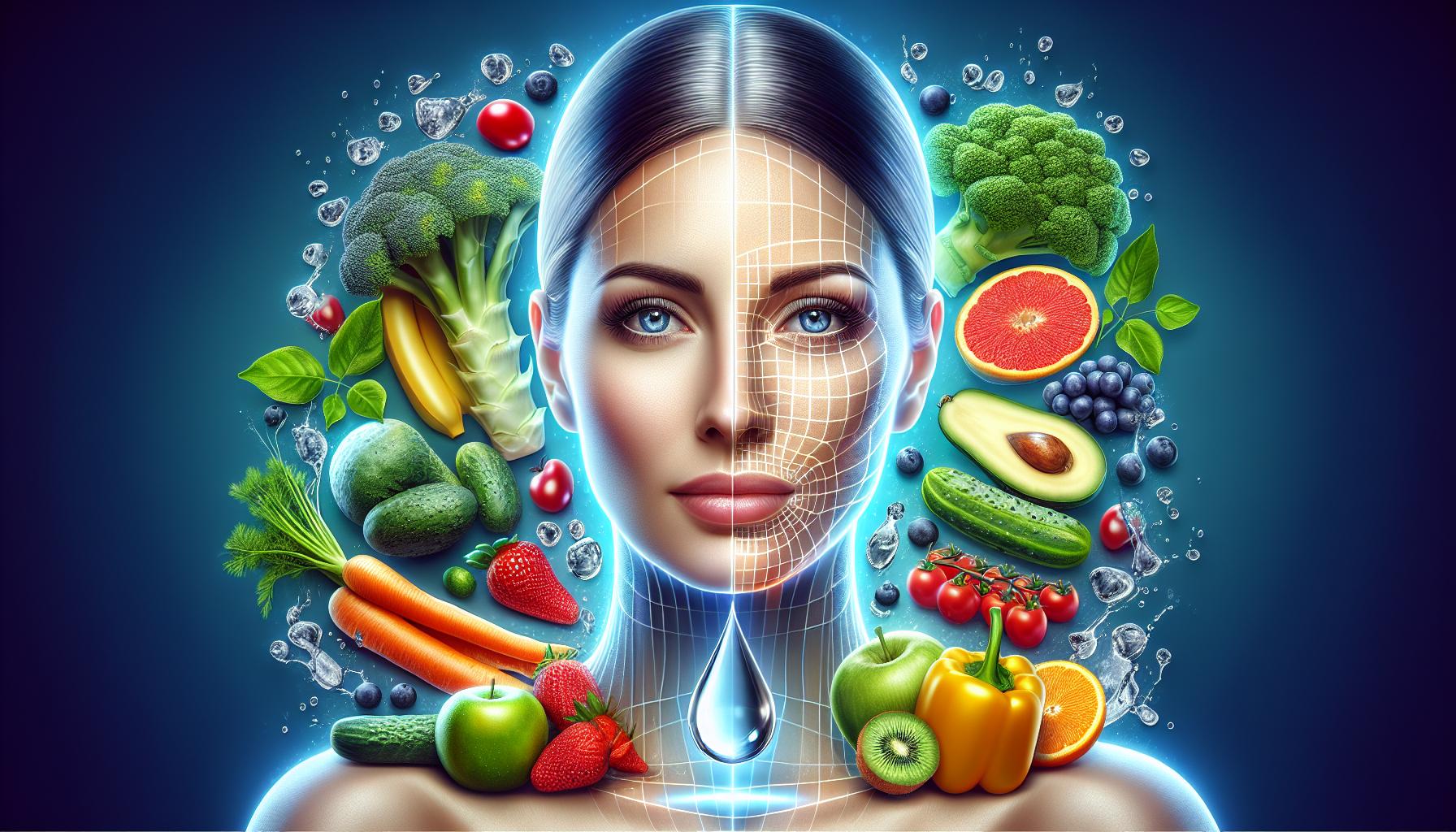
Skin is often referred to as the body’s largest organ, serving not only as a protective barrier but also as a reflection of our overall health. It plays a pivotal role in safeguarding our internal organs and maintaining homeostasis. The connection between nutrition and skin health is profound, as the nutrients we consume dramatically influence our skin’s appearance and functionality. A well-balanced diet can enhance skin resilience, promote healing, and even mitigate signs of aging.
Food and Its Impact on Complexion
Have you ever noticed how specific foods can significantly impact your complexion? The foods we eat are directly linked to our skin’s condition. For instance, diets rich in processed sugars can elevate insulin levels and subsequently lead to inflammation, which may trigger breakouts or exacerbate conditions like acne. Conversely, incorporating nutrient-dense foods into your diet can lead to vibrant, glowing skin. Here are a few exceptional nutrients that significantly influence skin health:
- Antioxidants: These powerful compounds are abundant in a variety of fruits and vegetables, such as berries, leafy greens, and nuts. Antioxidants combat free radicals—unstable molecules that can lead to oxidative stress, contributing to skin aging. Regularly consuming foods high in antioxidants can improve skin texture and reduce the appearance of fine lines.
- Omega-3 Fatty Acids: Found in cold-water fish like salmon and plant sources such as flaxseeds and walnuts, omega-3 fatty acids are crucial for maintaining the integrity of the skin’s lipid barrier. This helps retain moisture, keeping skin hydrated and plump, and may also reduce inflammation, which is beneficial for conditions like eczema or psoriasis.
- Vitamins: Specific vitamins play unique roles in promoting skin health, with Vitamin C being essential for collagen production, a protein that gives skin its structure. Foods rich in Vitamin C include citrus fruits, strawberries, and bell peppers. Vitamin E, found in nuts and vegetable oils, helps protect the skin from harmful UV rays and aids in skin healing.
Creating a Skin-Friendly Diet
Understanding how these nutrients interact with your body can empower you to make informed dietary choices. For instance, if you suffer from acne, you might want to steer clear of dairy and refined carbohydrates, which can trigger flare-ups for some individuals. Instead, focusing on whole foods like avocados, which are rich in healthy fats, can help soothe the skin and promote a balanced complexion.
This article will delve deeper into the intricate relationship between nutrition and skin health, offering practical tips for facial care from the inside out. By exploring how to nourish your skin through food, you can unlock not only a healthier appearance but also a greater sense of well-being.
Join us as we uncover the transformative power of diet in your skincare regimen, guiding you toward achieving a radiant, revitalized complexion that reflects your inner health.

DISCOVER MORE: Click here to uncover fabulous facial mask recipes
Essential Nutrients for Radiant Skin
To fully comprehend how nutrition affects our skin health, it’s essential to recognize the specific nutrients that play a vital role in maintaining our skin’s vibrancy. Each nutrient serves a unique purpose, working synergistically to support everything from moisture retention to the protection against environmental stressors. Let’s explore some of the most important nutrients that can markedly enhance skin quality:
- Hydration: While water is often overlooked, it is crucial for maintaining skin elasticity. Dehydration can lead to a dry, dull complexion and make fine lines more visible. Aim to consume enough fluids throughout the day, aiming for at least eight 8-ounce glasses of water, supplemented by hydrating foods like cucumbers, oranges, and watermelon.
- Biotin: Part of the B-vitamin family, biotin is known for its role in promoting healthy skin, hair, and nails. Foods rich in biotin include eggs, almonds, and sweet potatoes. Insufficient biotin levels can lead to dryness and skin rashes, making it an essential part of any skin-loving diet.
- Zinc: This mineral is critical for skin healing and overall cellular function. Zinc helps reduce inflammation, making it particularly beneficial for those with acne-prone skin. You can find zinc in foods like chickpeas, pumpkin seeds, and lentils.
- Probiotics: Emerging research suggests that a healthy gut microbiome may influence skin health as well. Foods rich in probiotics, such as yogurt, kefir, and fermented vegetables, can improve gut health, which in turn might lead to fewer skin issues and a better complexion.
Implementing Dietary Changes
With this understanding of how specific nutrients contribute to skin health, it’s crucial to implement these dietary changes effectively. For those looking to achieve clearer skin, consider eliminating processed foods filled with additives and sugars. Instead, focus on whole, unprocessed options. Meal prepping can be an excellent way to ensure you always have healthy meals ready to go.
For example, if you love snacking, replace chips and sweets with a mixed bowl of nuts, seeds, and dried fruits. Not only will you be curbing your cravings, but you’ll also be providing your skin with a blend of vital nutrients. Furthermore, integrating a rainbow of fruits and vegetables into your meals can optimize your intake of essential vitamins and antioxidants.
In this fast-paced world, it’s easy to neglect the profound impact that our diet has on skin health. However, by making conscious and informed food choices, we can enhance our skin’s structure and function from the inside out. The next sections will further unravel the transformative link between nutrition and facial care, equipping you with actionable insights to cultivate a radiant complexion.
Nutrition plays a pivotal role in maintaining healthy skin, significantly influencing its appearance and overall health. Incorporating the right foods into your diet can lead to glowing skin, while poor dietary choices can accelerate skin aging and various skin conditions. By understanding the essentials of skin-friendly nutrition, you can take proactive steps toward achieving a radiant complexion.
Antioxidants are vital for battling oxidative stress, a leading cause of skin aging. Foods rich in vitamins C and E, such as berries, oranges, nuts, and leafy greens, can help restore skin vitality and promote healing. Consuming a diet high in antioxidants can minimize the effects of environmental stressors like pollution and UV rays, keeping your skin looking youthful and vibrant.
Another key component for skin wellness is omega-3 fatty acids, commonly found in fish like salmon and walnuts. These healthy fats are known for their anti-inflammatory properties, which can soothe redness and irritation, making them essential for those suffering from conditions like eczema or acne. Including omega-3s in your diet creates a protective barrier for your skin, locking in moisture and maintaining elasticity.
Staying hydrated is equally important; drinking plenty of water throughout the day helps flush toxins from your system, keeping your skin plump and radiant. Additionally, incorporating hydrating foods like cucumbers, oranges, and celery can further enhance your skin’s moisture levels.
Moreover, you should pay attention to your gut health, as emerging research indicates a strong connection between gut microbiome and skin condition. Probiotic-rich foods such as yogurt, kefir, and fermented vegetables can aid in digestion and improve your skin’s appearance by decreasing inflammation.
The connection between nutrition and skin health underscores the importance of a balanced diet loaded with essential nutrients. By making informed dietary choices, you can enhance your skincare routine from the inside out, effectively promoting healthier, more radiant skin.
| Nutrition Category | Benefits for Skin Health |
|---|---|
| Antioxidants | Combat oxidative stress, reduce visible signs of aging. |
| Omega-3 Fatty Acids | Decrease inflammation, hydrate skin, protect barrier function. |
| Hydration | Keeps skin plump, flushes out toxins, enhances radiance. |
| Probiotics | Improve gut health, reduce inflammation, clear skin. |
By exploring these nutritional components further, readers can empower themselves to improve their skin health through better dietary choices.
DISCOVER MORE: Click here to learn about the evolution of natural ingredients
Antioxidants: Battling Free Radicals
When discussing the impact of nutrition on skin health, one cannot overlook the significance of antioxidants. These mighty substances combat oxidative stress caused by free radicals—unstable molecules that can damage skin cells and contribute to premature aging. Integrating antioxidant-rich foods into your diet not only supports skin vitality but also fortifies it against environmental aggressors such as pollution, UV rays, and stress.
Some of the most potent antioxidants include vitamins C and E, selenium, and flavonoids. Foods such as berries (blueberries, strawberries, and raspberries), citrus fruits, spinach, and dark chocolate are abundant in these valuable compounds. Vitamin C, for instance, is essential for collagen synthesis, a critical component for maintaining skin firmness and elasticity. Meanwhile, vitamin E works synergistically with vitamin C to enhance the skin’s protective function and subsequently boost overall complexion.
The Role of Healthy Fats
Dietary fats often carry a negative connotation, but not all fats are created equal. In fact, healthy fats, such as those found in avocados, nuts, seeds, and fatty fish like salmon, are crucial for maintaining optimal skin health. Omega-3 fatty acids, in particular, have been shown to reduce inflammation, helping relieve dry, itchy, or irritated skin conditions. They also play a key role in maintaining the skin’s lipid barrier, ensuring hydration is locked in while keeping harmful elements out.
For instance, including fatty fish in your weekly meal plan can supply both essential fatty acids and protein, which is vital for cellular regeneration. Whether preparing a vibrant salad topped with avocado or indulging in a rich bowl of oatmeal sprinkled with chia seeds, incorporating healthy fats into your daily diet can significantly transform skin health.
Essential Lifestyle Practices
Nutritional adjustments alone can yield fantastic results, but coupling them with healthy lifestyle practices is the ticket to truly radiant skin. Regular exercise, for example, enhances blood circulation, ensuring that nutrients reach skin cells while also flushing out toxins. Aim for at least 150 minutes of moderate aerobic activity weekly, whether it’s brisk walking, cycling, or engaging in a favorite sport.
Moreover, quality sleep and stress management play equally pivotal roles in skin health. During sleep, the body undergoes repair and regeneration, producing collagen and other important growth factors. Thus, striving for 7-9 hours of uninterrupted sleep each night is paramount. Mindfulness practices such as yoga, meditation, or even simple breathing exercises can significantly lower stress and reduce cortisol levels, a hormone linked to skin issues like acne and eczema.
Supplements: A Helpful Ally?
In the pursuit of flawless skin, many individuals turn to dietary supplements as a means to bridge any gaps in their nutrition. While obtaining nutrients from whole foods remains the gold standard, supplements such as collagen peptides, hyaluronic acid, or omega-3 fish oil may provide additional support for skin health. Always consult with a healthcare provider before beginning any supplement regimen to ensure safety and appropriateness for your unique health needs.
As we delve deeper into the complex relationship between nutrition and facial care, the interconnected roles of various nutrients, lifestyle practices, and self-care routines unveil an exciting pathway toward radiant skin. By embracing a holistic approach, you can promote not only the external appearance of your skin but also its internal health, leading to lasting results that shine from within.
DISCOVER MORE: Click here to learn how technology is revolutionizing skincare
Conclusion: Nourishing Your Skin from Within
In summary, the intricate relationship between nutrition and skin health reveals that the secrets to vibrant, youthful skin lie not only in external products but also significantly within our diets. A rich intake of antioxidants, healthy fats, and essential nutrients forms the foundation for maintaining skin’s vitality and resilience. Foods like berries, leafy greens, and fatty fish contribute immensely to combating the signs of aging and environmental stressors, providing our skin with the tools it needs to thrive.
Furthermore, the influence of lifestyle practices cannot be overstated. Regular physical activity, quality sleep, and effective stress management enhance the nourishing effects of a balanced diet, allowing skin cells to recover and regenerate optimally. By embracing a comprehensive approach that emphasizes both nutrition and lifestyle, individuals can experience significant improvements in their skin’s appearance and overall health.
Lastly, while dietary supplements may offer additional support as a helpful ally in the journey towards radiant skin, it is crucial to consult with healthcare professionals to ensure they align with your specific needs. Ultimately, a commitment to understanding the interplay between nutrition and skin care opens new avenues for achieving and maintaining a glowing complexion. By treating your skin from the inside out, you not only nourish its surface but also instill a lasting sense of well-being and confidence that radiates from within.