How to Create Nutritious Soil with Composting for Beginners

Unlock the Secrets of Composting
Creating nutritious soil is essential for a thriving garden. If you’ve ever admired a vibrant, flourishing yard, you might be surprised to learn that the key to such success lies in composting. This sustainable practice not only enriches your soil but also benefits the environment by reducing waste. Composting diverts organic materials from landfills, where they would otherwise contribute to greenhouse gas emissions.
For beginners, composting can seem daunting. However, with a few simple steps, you can transform food scraps and yard waste into what gardeners affectionately refer to as “black gold.” This nutrient-rich compost serves as a powerhouse for plant growth, supplying essential vitamins and minerals your garden craves. Here are some important aspects to consider:
- What to Compost: A variety of organic materials can be composted. Think of items like fruits and vegetable peels, leftover coffee grounds, eggshells, dry leaves, grass clippings, and shredded paper. The diversity of materials helps create a balanced compost, rich in nutrients that will benefit your plants.
- What to Avoid: While many items are compostable, it’s crucial to avoid adding meat, dairy, and oily foods. These can attract pests and create unpleasant odors, negating the benefits of your compost pile. Additionally, any diseased plants or weeds with seeds should also be kept out, as they can proliferate in your garden if mixed into the compost.
- Benefits of Composting: The advantages of composting are abundant. Firstly, it improves soil structure, allowing for better water retention and drainage. Secondly, compost enhances nutrient content, promoting robust plant growth and reducing the need for chemical fertilizers. Lastly, it supports microbial life, fostering a healthy ecosystem in your garden soil.
Whether you have a small balcony or a large backyard, composting can be tailored to fit your space. For instance, apartment dwellers might consider a compact vermicomposting system that utilizes worms to break down organic waste efficiently. Homeowners with larger yards might opt for a traditional compost bin or even a compost pile in a corner of their garden.
Starting your compost journey is not only a rewarding venture; it also fosters biodiversity in your garden and promotes a more sustainable lifestyle. As you observe the transformation of your compost into rich soil, you will likely find that gardening becomes even more gratifying. Stay tuned as we delve deeper into the process of composting and provide tips for creating nutrient-rich soil that will elevate your plants and garden. Discover how easy it can be to start composting today!
DISCOVER MORE: Click here for tips on selecting the perfect containers
Choosing the Right Composting Method
When embarking on your composting journey, the first step is to choose a method that suits your lifestyle and available space. There are several composting techniques that are beginner-friendly, enabling anyone—from urban dwellers to suburban gardeners—to participate in this sustainable practice. Let’s explore some popular options:
- Traditional Compost Bin: For those with ample yard space, a traditional compost bin provides an excellent way to manage kitchen scraps and yard waste. These bins maintain adequate airflow and help in regulating moisture, resulting in efficient decomposition. Look for a compost bin with a lid to minimize odors and deter pests.
- Compost Pile: If you’re interested in a more hands-on approach, a compost pile is for you. Simply choose a corner of your yard, pile up organic materials, and turn them occasionally with a pitchfork or shovel to aerate the mix. This method requires less structure but more involvement as you monitor moisture levels and decomposition.
- Worm Composting (Vermicomposting): Perfect for small spaces or apartments, vermicomposting uses red worms to break down kitchen scraps and produce rich compost called worm castings. A worm bin can be as simple as a plastic container with holes for ventilation. This method is particularly efficient for managing food waste.
- Compost Tumblers: For those who want a quicker composting process, a compost tumbler is a great choice. These enclosed structures allow you to turn your compost with ease, promoting faster decomposition. They typically come with a crank handle, making it effortless to aerate your compost.
Once you decide on a composting method, it’s important to focus on the balance of materials you add. Successful composting is all about achieving the perfect ratio of greens (nitrogen-rich materials) and browns (carbon-rich materials). This balance enriches the compost and accelerates decomposition.
The ideal ratio typically suggested is two parts browns to one part greens. Common green materials include food scraps, grass clippings, and coffee grounds, while browns may consist of dry leaves, straw, and shredded newspaper. Incorporating this diversity will create a vibrant ecosystem within your compost pile, fostering essential microbial activity that aids in breaking down organic matter.
As you navigate the world of composting, keep in mind that patience is key. While some composting methods yield results faster than others, it can take anywhere from a few weeks to several months for organic waste to transform into nutrient-rich compost. Regularly monitoring moisture levels and ensuring proper aeration will help speed up the decomposition process. The more you engage with your compost, the more you’ll learn about how to optimize it for creating nutritious soil tailored for your garden’s needs.
In the next sections, we will delve deeper into the specific steps involved in maintaining your compost pile and troubleshooting common issues to ensure you successfully produce the best possible compost for your plants.
Understanding the Process of Composting
Creating nutritious soil through composting might seem daunting to beginners, but by understanding the fundamental process, anyone can transform kitchen scraps and yard waste into black gold for the garden. Composting not only enriches the soil but also reduces waste and promotes environmental sustainability.
1. What Can Be Composted?
To start composting effectively, it’s vital to know what materials are suitable. Organic materials such as fruit and vegetable scraps, eggshells, coffee grounds, grass clippings, and dried leaves are excellent candidates. However, avoid composting meat, dairy, and oily foods, as they can attract pests and produce unpleasant odors.
2. The Composting Method
There are several methods for composting, including pile composting, bin composting, and vermicomposting (using worms). For beginners, a compost bin can be a convenient option, as it contains the materials and minimizes mess. Whichever method you choose, maintaining a balance between “green” materials (nitrogen-rich) and “brown” materials (carbon-rich) is crucial for effective decomposition.
3. Managing Your Compost
Turning your compost regularly will aerate it and speed up the decomposition process. A well-maintained compost heap should feel warm and emit a pleasant earthy smell; if it becomes too wet or smells foul, adjust by adding more brown materials and aerating it.
4. Harvesting the Compost
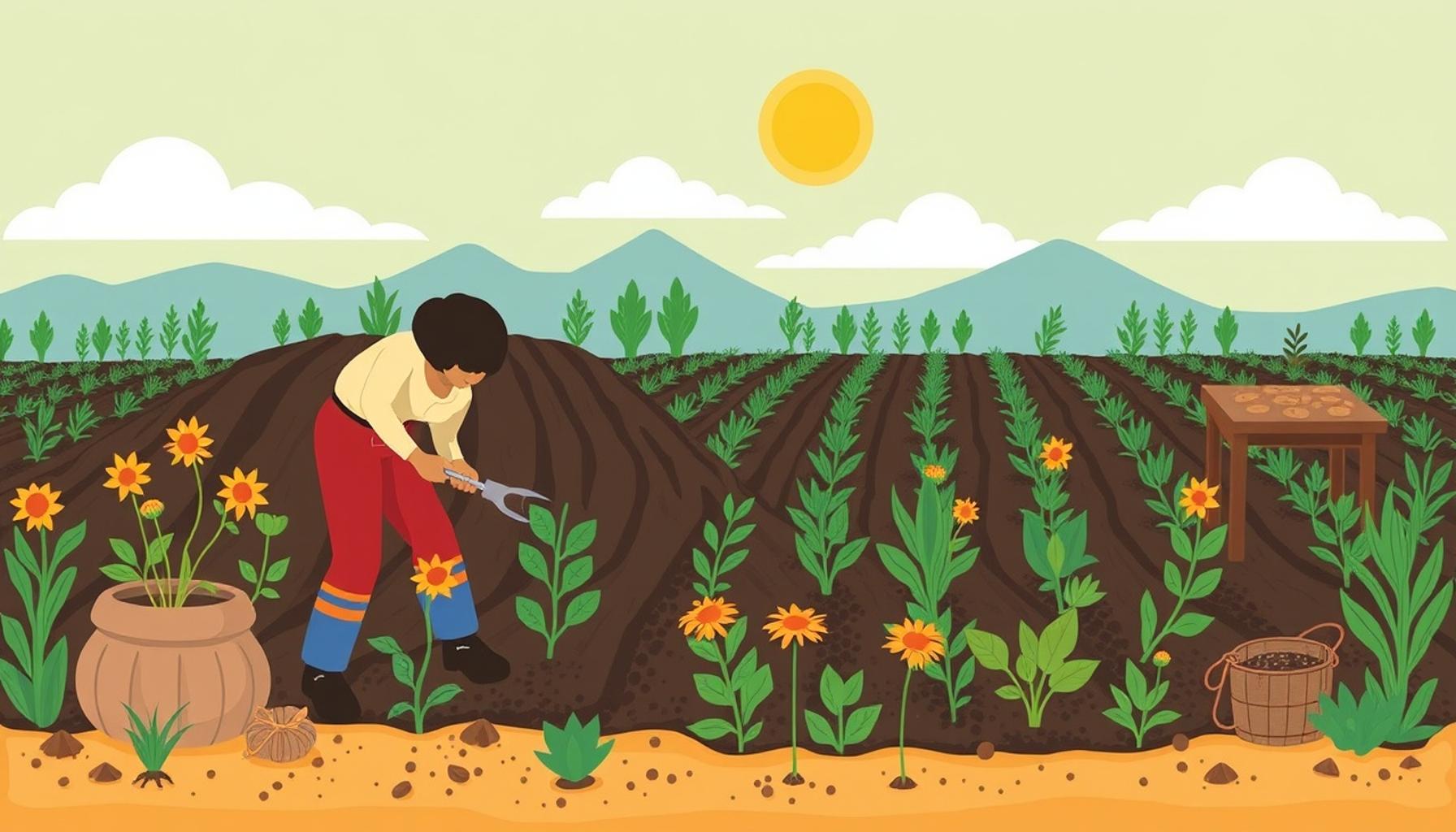
After a few months, the compost will break down into a dark, crumbly substance, indicating it’s ready to be used. This nutrient-rich compost can be mixed into flower beds, vegetable gardens, or even used as a top dressing for lawns, encouraging robust plant growth.5. Benefits of Composting for Soil HealthBy composting, not only do you create a natural soil amendment, but you also contribute to soil health by improving its structure, moisture retention, and nutrient content. Compost fosters beneficial microorganisms that enhance the overall ecosystem within the soil. Transitioning to composting marks a significant step towards gardening sustainability.
Advantages of Composting
| Category | Key Features |
|---|---|
| Soil Enrichment | Nutrient-Rich compost improves soil fertility, providing essential nutrients for plants. |
| Sustainability | Reduces landfill waste, promoting eco-friendly gardening practices. |
Incorporating composting into your gardening routine will not only beautify your space but also play a significant role in ecological balance. With a little patience and dedication, beginners can master the art of composting to create their own nutritious soil, fostering a productive garden for years to come.
DISCOVER MORE: Click here to brighten your space
Maintaining Your Compost: Key Steps for Success
After selecting an appropriate composting method and establishing a balance of organic materials, the next crucial phase involves maintaining your compost effectively. Good compost management not only speeds up the decomposition process but also ensures that your compost is nutrient-rich and suitable for enhancing your garden’s soil.
Managing Moisture Levels
Maintaining the right moisture level in your compost pile is vital for decomposition. Ideally, the compost should feel like a damp sponge—moist but not soggy. If your compost is too dry, it can slow down microbial activity, while excess moisture may lead to unpleasant odors from anaerobic bacteria.
To ensure that your compost remains adequately moist, sprinkle water on it if it appears dry, particularly during hot and dry weather. Conversely, if you find it too wet, turning the pile to introduce air and adding more brown materials can help absorb excess moisture. The use of a moisture meter can also provide accurate readings, which is especially helpful for beginners.
Aeration: The Heart of Decomposition
Aeration is another critical component in composting that greatly affects the speed of decomposition and the quality of the final product. Microorganisms, the natural decomposers, thrive in oxygen-rich environments. Without adequate airflow, compost can become compacted, slowing down the breakdown process and potentially creating odors.
Regularly turning your compost pile or tumbler is an effective way to introduce air. For traditional compost piles, aim to turn it every 1-2 weeks using a pitchfork or shovel. Compost tumblers simplify this process as they typically feature a crank for easy rotation. Ensuring an even distribution of materials within your compost also helps promote airflow.
Identifying and Troubleshooting Common Issues
Being proactive in identifying issues can save you time and frustration as you maintain your compost. Here are a few common issues you might encounter:
- Odor Problems: If your compost starts to smell foul, it’s likely too wet or lacking airflow. This can be resolved by turning the pile and adding browns to rebalance the carbon-nitrogen ratio.
- Slow Decomposition: A pile that isn’t breaking down as expected may not have enough green materials or might be too dry. Increasing the greens and watering lightly can encourage breakdown.
- Presence of Pests: An active compost can attract pests, but taking certain precautions can minimize this. Make sure to cover the compost pile with a lid or tarp and avoid adding meats and dairy products.
As you manage your compost, keep a log of what works best for your specific materials and conditions. From moisture levels to aeration techniques, understanding your composting system will enable you to harvest a rich and healthy compost to enrich your soil.
The Role of Compost in Nutrient-Rich Soil
As your compost matures, it transforms into a valuable organic substance that profoundly benefits your soil. Not only does it enrich nutrient levels, but it also enhances soil structure and aeration, supporting healthy root growth. The microbes introduced through composting increase biodiversity, which is essential for a well-functioning ecosystem in your garden.
When applying your finished compost, integrate it into your garden beds or top-dress around existing plants. This will help improve soil fertility while suppressing weeds, reducing the need for chemical fertilizers. With every handful of compost, you’re not only nurturing your plants—you’re contributing to a healthier environment.
Next, we’ll explore the various ways to utilize your homemade compost effectively and tips for integrating it into your gardening routine.
DISCOVER MORE: Click here to enhance your garden
Conclusion: Embracing Composting for Healthier Soil
As we’ve explored, creating nutritious soil through composting is a rewarding journey that not only enhances your garden but also contributes to a sustainable environment. By understanding the fundamentals of composting—balancing greens and browns, managing moisture and aeration, and troubleshooting common issues—you can transform kitchen scraps and yard waste into a rich, organic resource.
Remember, the process of composting isn’t a race; patience and careful observation will yield the best results. Each batch of compost brings you a little closer to a self-sustaining garden. You’ll discover the profound impact of nutrients on plant health, as well as the biodiversity that compost introduces to your soil. By utilizing your homemade compost effectively, such as incorporating it into garden beds and using it as mulch, you create a vibrant ecosystem that minimizes the need for chemical fertilizers, promotes plant vitality, and suppresses weeds.
It’s also essential to celebrate every milestone and success along the way. Engaging in composting not only benefits your garden; it increases your connection to nature and supports the larger movement towards environmental responsibility. So, gather your organic materials, embrace the art of composting, and watch your garden thrive with rich, nutrient-dense soil. With commitment and care, you are equipped to become a steward of the earth, yielding not just bountiful harvests but also setting a positive example for those around you. Welcome to the world of composting—where every scrap matters!