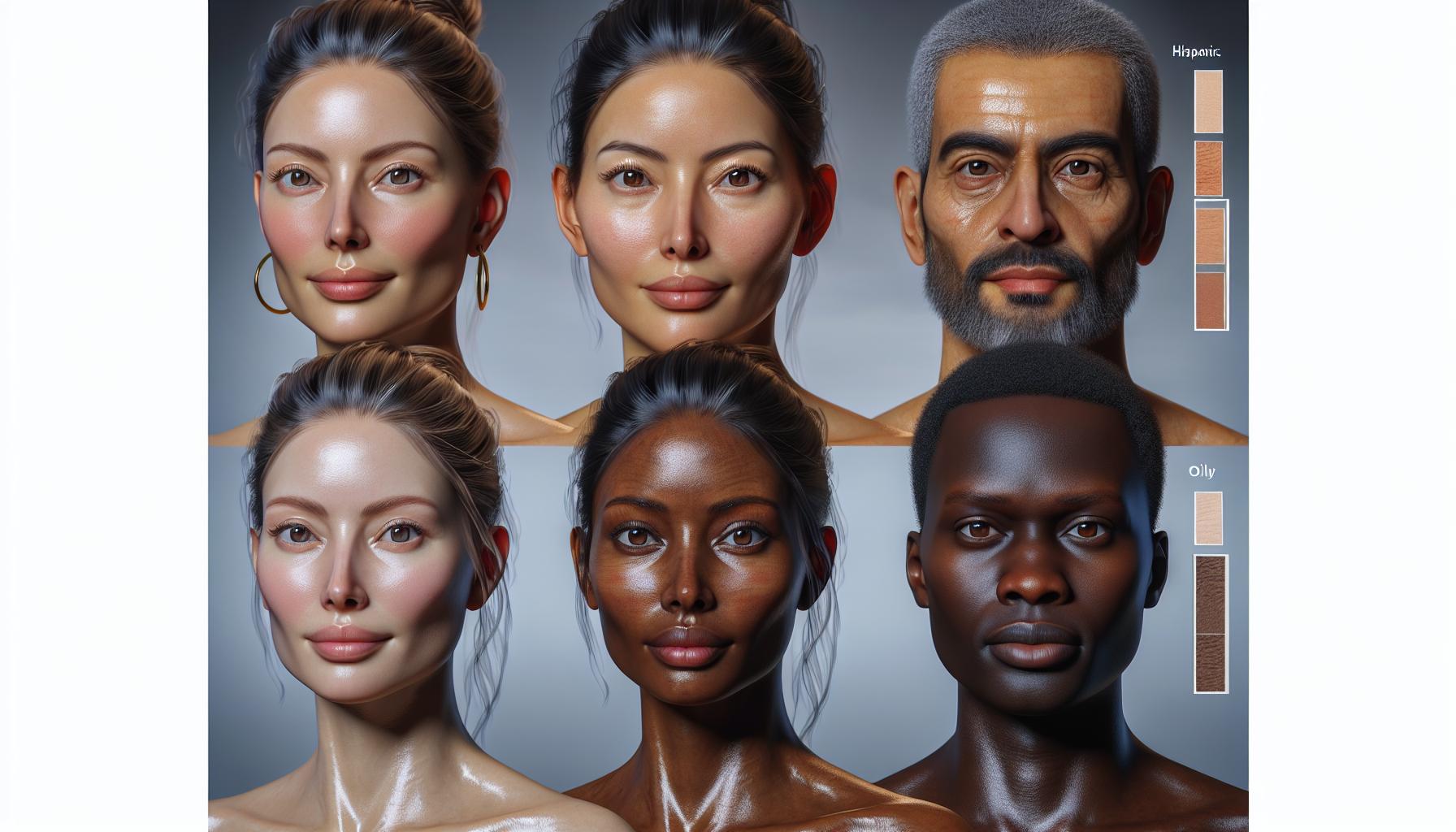
Impact of Climate Change on Skin Types and Necessary Care

The Relationship Between Climate Change and Skin Health
The ongoing transformations driven by climate change are fostering an environment that not only affects ecosystems but also poses significant challenges to human health, particularly our skin. With rising global temperatures and shifting weather patterns, individuals across the U.S. are experiencing varied skin issues based on their region’s unique climate characteristics. Understanding these connections can enhance personal skincare approaches and ensure skin maintains its vitality and resilience.
The increase in exposure to harmful elements such as ultraviolet (UV) rays, air pollution, and extreme weather conditions can significantly alter skin functions. For example, a report by the World Health Organization highlights that UV radiation levels are intensifying due to climate change, significantly raising the risk of skin cancers and sunburns. As a result, the following skin challenges are becoming more prevalent:
- Dryness and Dehydration: As temperatures rise, the body’s natural moisture levels can diminish quicker than usual. In areas like the Southwest, where humidity is often low, skin can become parched and flaky, leading to a rough texture and discomfort.
- Allergies and Sensitivities: Increased pollen counts due to warmer weather can aggravate skin sensitivities and lead to conditions like eczema or rashes. For instance, residents of the Southeast, where the allergy season is prolonged, may find their skin reacting more strongly to environmental irritants.
- Increased Oil Production: On the flip side, high humidity levels, common in places like Florida and Louisiana, can lead to excessive oil production, resulting in clogged pores and breakouts for those with oily skin types.
Given these potential challenges, it is crucial to adapt existing skincare routines to better suit individual needs in the face of evolving climates. For example, those living in arid regions may benefit from heavier moisturizers or oils, while individuals in humid climates might need lightweight, non-comedogenic products to prevent breakouts.
Moreover, understanding regional climate impacts can guide effective skincare strategies. For example, in areas with high UV exposure, incorporating a broad-spectrum sunscreen with adequate SPF is essential, regardless of the season. Engaging in routine skin assessments and being mindful of environmental factors can significantly bolster overall skin health amidst these changes.
In conclusion, addressing the specific needs of your skin type amidst climatic challenges is not just about immediate care; it extends to a deeper understanding of the interplay between the environment and our skin. With tailored care tips and proactive measures, one can navigate the complexities of skin health in a world increasingly altered by climate change.
DISCOVER MORE: Click here to learn how to revitalize your skin with natural exfoli
Adapting Skincare to Changing Climate Conditions
As the climate continues to shift, it’s evident that our skin is often the frontline defense facing these changes. Adoption of a protective skincare routine is not just a luxury anymore; it’s become a necessity. The environmental conditions resulting from climate change—such as increased UV radiation, rising temperatures, and elevated pollution levels—have profound effects on various skin types.
Understanding how these factors interact with skin types can enable individuals to tailor their skincare regimens effectively. Here’s a closer look at how different skin types respond to climate change:
- Dry Skin: Characterized by a lack of moisture and oils, individuals with dry skin can find their conditions exacerbated by rising temperatures and low humidity. In regions like the Midwest, where heated indoor air amplifies dryness during winter months, using occlusive moisturizers that create a barrier is vital.
- Oily Skin: High humidity and heat can lead to increased oil production, which is particularly evident in southern states like Texas. Clogged pores in this climate can lead to breakouts and acne flare-ups. To combat this, it’s essential to opt for gentle exfoliants and lightweight, oil-free products that help maintain balance.
- Sensitive Skin: Whether due to genetics or environmental factors, sensitive skin types are highly reactive. As allergens become more prevalent with warmer seasons, those residing in the Northeast may experience heightened irritation and conditions such as rosacea. Individuals should seek calming ingredients, avoiding fragrances and synthetic additives.
- Combination Skin: Balancing between oily and dry areas poses its own challenges. Those with combination skin may feel intensified effects from climate changes, such as an oily T-zone during humid summers and dry patches in winter months. A tailored routine that adjusts with the seasons can effectively address both concerns.
Each skin type has its own unique challenges, but common threads bind them together. Advocacy for environmental awareness continues to grow, urging skincare enthusiasts to choose products that respect both their skin and the planet. This means favoring brands that prioritize sustainability and transparency, as the impact of climate change also underscores the necessity of conscious consumerism.
Additionally, hydration plays a critical role in maintaining skin health across all types. As the climate becomes more erratic, drinking adequate water and incorporating hydrating serums can counteract the dryness or oiliness brought on by weather changes. With the continuous adjustments necessary for skin care, vigilance becomes a part of daily life. Monitoring how your skin reacts to changing conditions will empower you to make informed choices.
Adapting to these new realities involves a proactive approach to skincare. Understanding the impact of climate change on our skin types is just as essential as knowing how to care for our skin. When we learn to adjust our routines according to the challenges presented, we not only enhance our skin health but also improve our overall quality of life.
| Skin Type | Care Recommendations |
|---|---|
| Oily Skin | Use lightweight, oil-free moisturizers and broad-spectrum SPF to combat added humidity from climate change. |
| Dry Skin | Opt for heavy creams and antioxidants to protect against increased UV radiation and pollution effects. |
| Combination Skin | Implement a dual-care approach, using targeted treatments for both oily and dry areas, while maintaining hydration. |
| Sensitive Skin | Incorporate soothing ingredients like aloe or chamomile to mitigate irritation caused by environmental stressors. |
The impact of climate change on skin types is substantial and multifaceted, leading to the necessity of tailored skincare routines. Each skin type—be it oily, dry, combination, or sensitive—faces unique challenges due to environmental fluctuations, from rising temperatures to increased pollution levels. Individuals with oily skin may find their condition exacerbated, necessitating the use of oil-free moisturizers and broad-spectrum SPF to protect against humidity-induced breakouts.For those with dry skin, the need for heavy creams becomes imperative, especially to counteract the effects of enhanced UV radiation and the drying effects of air pollution. Combination skin requires a strategic approach, using targeted treatments to address the different needs of both oily and dry zones, thus ensuring balanced hydration and protection.Finally, sensitive skin types often experience heightened reactions due to climate change, making it crucial to incorporate soothing ingredients that alleviate irritation. By adopting these tailored care strategies, individuals can better manage the evolving challenges posed by climate change on their skin health.
DISCOVER MORE: Click here to learn about microneedling benefits
Essential Ingredients for Climate-Sensitive Skincare
As the impact of climate change evolves, understanding and incorporating climate-sensitive skincare ingredients becomes paramount. Many skincare products now address specific environmental stressors, enhancing their effectiveness and ensuring that individuals maintain healthy skin regardless of changing conditions. Here are some essential ingredients tailored for various skin types that can help combat climate-induced issues:
- Aloe Vera: Known for its soothing properties, aloe vera is perfect for sensitive skin types that may react to changing allergens or rising temperatures. Its ability to hydrate and calm inflammation makes it an excellent addition to any skincare routine, especially for those experiencing rosacea or irritation during the warmer months.
- Hyaluronic Acid: Given climate change’s efficiency in causing moisture depletion, hyaluronic acid has become a favored ingredient for all skin types. This powerful humectant absorbs moisture from the environment and helps retain it in the skin, which is especially beneficial during dry winter months or in arid climates.
- Niacinamide: For individuals with oily or combination skin, niacinamide helps regulate oil production and minimize the appearance of enlarged pores. Its anti-inflammatory properties can also improve skin barrier function, making it a versatile ingredient suitable for fluctuating climates.
- Shea Butter: Ideal for dry skin, shea butter acts as an occlusive agent, locking in moisture and protecting against harsh environmental factors. This ingredient is crucial in winter or during dry spells when skin is more prone to chapping and discomfort.
Beyond individual ingredients, the formulation of products must also be considered. Choosing multifunctional products that combine several beneficial ingredients can simplify skincare routines. For instance, a moisturizer with SPF protection, antioxidants, and hydrating elements can address multiple concerns while maintaining skin health in a changing climate.
Seasonal Skincare Adjustments
Being attentive to seasonal skincare adjustments can significantly enhance skin health. As climates shift, so too do the needs of our skin. For those transitioning from winter to summer, it’s advisable to reevaluate your routine. Light, gel-based moisturizers with increased SPF can replace heavier creams, while ongoing hydration remains critical. In contrast, preparing for winter may require richer textures and more intense emollients combined with hydrating serums.
Moreover, regular skin assessments can help individuals understand how their skin reacts to the evolving climate. Regularly scheduled visits to dermatologists or skincare professionals can provide necessary insights and allow for tailored recommendations. Tracking skin changes over time, whether through a journal or digital app, can act as a guide for effective adjustments in your regimen.
Community Awareness and Education
Finally, emerging research on the effects of climate change on skin health underscores the importance of community awareness and education. Educational initiatives that inform individuals about climate impacts can foster proactive skincare adjustments. By sharing insights on how local weather patterns affect skin types, communities can create tailored solutions to meet their needs effectively. Whether through social media, workshops, or local health initiatives, staying informed helps enhance both skin health and community resilience.
As the climate continues to fluctuate, remaining adaptable and informed about the changing landscape of skincare will empower individuals to care for their skin effectively. Investing time in understanding the relationship between climate change and skin health is integral for advocating for both personal well-being and a more sustainable environment.
FOR MORE TIPS: Click here for natural exfoliant recipes
Conclusion
The impact of climate change on our skin is a pressing reality that cannot be overlooked. As environmental conditions fluctuate—be it increased temperatures, altered humidity levels, or intensified UV exposure—we must recognize how our skin types react to these changes and adjust our skincare regimens accordingly. A proactive approach involving climate-sensitive ingredients tailored to distinct skin needs is essential in mitigating potential damage. Ingredients like aloe vera, hyaluronic acid, niacinamide, and shea butter not only address immediate concerns but also fortify our skin against ongoing environmental stressors.
The necessity for seasonal skincare adjustments and regular assessments cannot be overstated; such measures empower individuals to respond effectively to their skin’s evolving needs throughout the year. Furthermore, fostering community awareness through educational initiatives will equip individuals with the knowledge to navigate the impacts of climate change on skin health. By creating open dialogues about the challenges faced in varying climates, we can collectively foster adaptive skincare approaches.
Ultimately, investing in our skin health amid climate challenges is not just about beauty; it’s a vital aspect of our overall well-being. The journey toward understanding the relationship between climate change and skin types is crucial for informed choices that contribute to long-term skin resilience. Awareness, adaptation, and the pursuit of sustainable skincare practices will not only enhance individual health but also advocate for a more sustainable environment, paving the way for future generations.