Innovations in Cosmetics: How Technology is Transforming the Beauty Industry
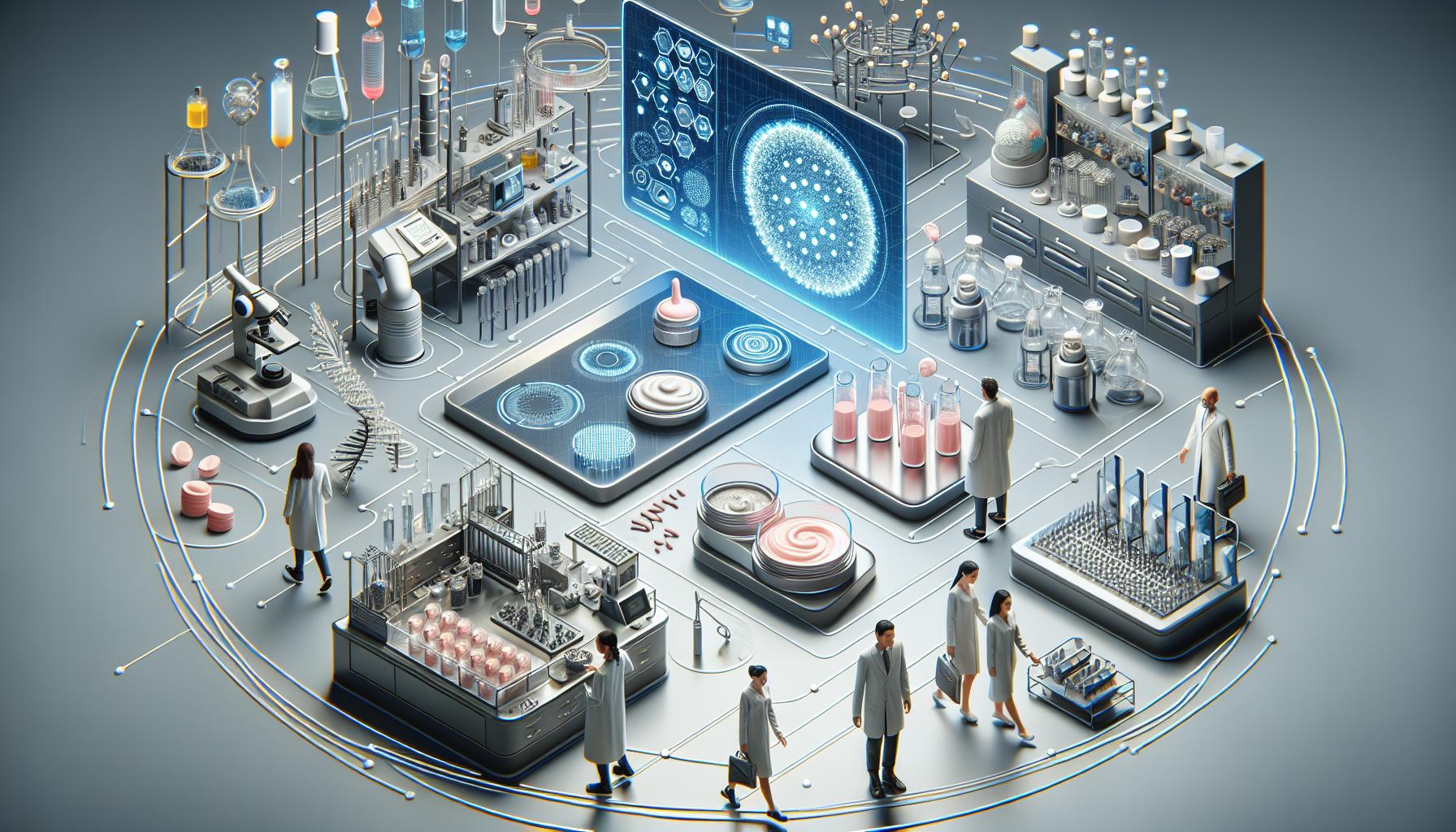
The beauty industry is undergoing a dramatic transformation fueled by the relentless advancement of technology. Innovations are not just enhancing product development; they are fundamentally transforming how consumers engage with beauty products. From virtual try-ons to personalized skincare solutions, the options available today make beauty more accessible and tailored than ever before.
Key Innovations in the Beauty Sector
- Augmented Reality (AR) – The incorporation of AR technology in beauty shopping has been championed by major players like L’Oréal. With AR, consumers can virtually try on makeup products—from lipsticks to eyeshadows—using their smartphones or in-store kiosks. This technology empowers shoppers to see how different products complement their skin tones, ultimately reducing the number of returns and improving customer satisfaction.
- 3D Printing – Companies are venturing into the realm of 3D printed cosmetics, which allows for the creation of custom formulations that match individual preferences. For instance, startup brands are experimenting with 3D printing to generate personalized lipsticks, enabling users to select specific shades and textures tailored to their unique tastes. This innovation not only elevates personalization but also reduces waste by producing products on demand.
- Skin Analysis Technology – The rise of at-home skin analyzers represents a major leap in personal skincare. Smart devices, such as handheld skin scanners, analyze various skin parameters like hydration, pore size, and pigmentation levels. Based on these insights, users receive tailored recommendations for products that best suit their skin type and needs, transforming skincare regimens into data-driven experiences.
These technologies are significantly reshaping consumer engagement, facilitating a deeper connection between consumers and their beauty products. The beauty journey has evolved into one characterized by data-driven insights that empower users to make informed choices. As consumers increasingly rely on technology to guide their decisions, the satisfaction derived from using these products surges, leading to a more loyal customer base. This shift represents just the beginning of an exciting era for the cosmetics world.
Future Perspectives
The convergence of beauty and technology opens vast possibilities, particularly concerning sustainability and inclusivity in the industry. Innovative materials and methods, such as biodegradable packaging and refillable product systems, promise to lessen the environmental footprint of beauty products while maintaining high efficacy. Additionally, advancements in formulating products for all skin types and tones support the growing demand for inclusivity. As these trends unfold, it is evident that they are not mere fads but rather a radical rethinking of how beauty is perceived and practiced. Stay tuned to witness how these revolutionary changes will redefine our understanding of beauty for generations to come.
DISCOVER MORE: Click here to learn about honey’s incredible benefits for your skin
Embracing Change: The Tech-Driven Revolution in Cosmetics
The beauty industry has always been a landscape of innovation, but the current wave of technological advancements is reshaping the very foundation of how products are developed, marketed, and consumed. As consumers seek authenticity and personalized experiences, brands are responding with innovative solutions that enhance the shopping experience and cater to individual preferences. This shift towards technology in cosmetics opens an exciting chapter characterized by connections, creativity, and customization.
Transforming Shopping Experiences with Technology
One of the standout innovations is the use of Artificial Intelligence (AI)</strong) in understanding consumer preferences. Brands like Sephora are harnessing AI to analyze browsing patterns, purchase history, and consumer feedback, enabling them to curate personalized product recommendations. By dissecting data in real-time, these companies can enhance the shopping experience, making it more relevant and engaging for the customer. This tailored approach not only boosts sales but also fosters a sense of loyalty, as customers appreciate brands that understand their unique needs.
Moreover, the beauty retail landscape is being transformed by mobile applications that allow consumers to experiment with their looks virtually. Apps like YouCam Makeup provide users with the ability to upload a selfie and try on an array of cosmetics. These platforms often incorporate advanced facial recognition technology, accurately mapping features and ensuring realistic results. As a result, customers can make confident choices before purchasing, eliminating the time and frustration often associated with traditional shopping methods.
Revolutionizing Product Development
The advent of technology is also altering how products are formulated and manufactured. Crowdsourcing innovations has gained traction among beauty brands; companies are now inviting consumers to participate in the product development process. For example, platforms like Beautylab allow users to submit ideas, vote on emerging trends, and contribute to the creation of new products. This level of engagement not only fosters a sense of community but also leads to offerings that truly resonate with consumers.
Another fascinating technological breakthrough is the integration of biotechnology in cosmetics. Brands such as Estée Lauder are employing bioengineered ingredients in their formulations, creating products that are exceptionally effective while remaining environmentally sustainable. This science-driven approach appeals to the increasingly conscientious consumer base, as they prioritize both efficacy and ethical standards in their beauty purchases.
Impact on Sustainability and Ethical Practices
As technology weaves its way through the fabric of the beauty industry, concerns regarding sustainability and ethical practices are at the forefront of the conversation. Innovations like ingredient tracing technologies allow brands to verify the sourcing of raw materials, promoting transparency and accountability. Plus, with the rise of clean beauty, consumers are more aware than ever of what they put on their skin, pushing brands to prioritize clean, natural ingredients that are both effective and environmentally friendly.
This wave of technological advancements is not just about enhancing product offerings; it is about redefining the entire beauty landscape. As innovations in cosmetics continue to evolve, the future presents limitless possibilities for creativity, sustainability, and inclusivity in the industry.
Innovations in Cosmetics: How Technology is Transforming the Beauty Industry
The beauty industry is witnessing a seismic shift due to technological advancements that are redefining how products are created, marketed, and consumed. From augmented reality virtual try-ons to artificial intelligence in skincare, these innovations provide convenience and personalized experiences for consumers.
| Category | Impact on Beauty |
|---|---|
| Personalization | Advanced algorithms analyze individual skin types to recommend tailored products. |
| Sustainability | Innovative packaging and production methods are reducing waste and environmental impact. |
Moreover, the integration of biotechnology in cosmetics is leading to formulations that are more effective and safer for users. For instance, lab-grown ingredients not only ensure quality but also minimize the risk of allergies. Furthermore, e-commerce platforms are utilizing data analytics to enhance customer experiences, suggesting products based on purchasing behavior and skin concerns.
With the rise of influencer marketing and social media, brands are not only competing on product quality but also on their ability to engage and connect with consumers. This shift in consumer behavior drives companies to embrace technology more than ever, from creating online communities to using AI for customer service interactions.
The future of the beauty industry looks promising as technology continues to innovate, catering to the desires and needs of a diverse consumer base. The evolution is not only about beauty products; it’s about enhancing the entire customer journey, making it more informed and interactive.
DIVE DEEPER: Click here for the latest trends in skincare technology
Enhancing Customer Interactions Through Digital Innovation
As technology continues to evolve, the way beauty brands interact with their customers has undergone significant transformation. This shift is evident in the proliferation of Augmented Reality (AR) platforms that allow users to virtually try on products and visualize their effects in real-time. For instance, brands like L’Oréal have incorporated AR technology into their apps, enabling customers to experiment with various shades of lipstick or eyeshadow from the comfort of their homes. This innovative approach not only elevates customer engagement but also ensures that products are visually appealing to the consumer’s unique style.
Moreover, the emergence of social media filters has changed the game for brand marketing. Platforms like Instagram and Snapchat increasingly use AR filters to simulate makeup looks tailored for users. This trend is driving widespread adoption among younger demographics, who often turn to social media for beauty inspiration. Such interactive experiences enhance brand connection, resulting in increased awareness and sales, as users are more likely to purchase products they have tested virtually, finding a match for their preferences.
Transforming Beauty Education with Technology
Education within the beauty sector is also experiencing a renaissance, thanks to advances in digital learning platforms. Beauty brands are leveraging online tutorials and video content to instruct users on how to effectively apply cosmetics and utilize new products. Brands such as MAC and Fenty Beauty have implemented comprehensive online classes that cater to both novice and advanced makeup enthusiasts, providing information on techniques, product ingredients, and application best practices. With the growth of platforms like TikTok and YouTube, beauty advice has become accessible to a wider audience, facilitating a culture of DIY beauty.
Furthermore, the impact of 3D printing technology in cosmetics cannot be overlooked. This innovative approach allows brands to create bespoke products tailored specifically to individual consumer needs. Companies can now harness 3D printing to produce customized skincare formulations or even unique makeup applicators. For example, the beauty startup Reinhard has developed a 3D printer that can create personalized lipstick shades based on a consumer’s preferences. Such advancements not only cater to individual desires but also reduce waste by eliminating mass production.
Big Data: The New Frontier in Market Insights
Big data analytics are revolutionizing how brands understand market trends and consumer behavior. With tools that analyze vast quantities of data from various sources, brands gain insights into emerging preferences and regional variations in cosmetics usage. Companies can track the rise of specific ingredients or shades and adjust their product lines accordingly. This adaptation not only keeps brands relevant but also enhances their competitive edge in a saturated market.
In addition, the rise of influencer partnerships has become heavily data-driven. Brands are relying on analytics to choose collaborators whose followings align with their target demographics, ensuring maximum reach and impact. Influencer marketing has evolved from pure aesthetics to strategic engagement, where performance metrics such as engagement rates and conversion statistics greatly influence campaign decisions.
The integration of technology throughout the beauty industry is reshaping traditional practices and creating new pathways for creativity and connection. As these innovations continue to unfold, they bring forth challenges and opportunities, prompting further exploration into how technology will continue to impact the way we view and interact with beauty.
DIVE DEEPER: Click here to uncover the science behind skin aging
Conclusion: The Future of Beauty Lies in Technology
As we have explored throughout this article, the innovations in cosmetics driven by technology are not merely trends but transformative forces reshaping the beauty landscape. From the introduction of Augmented Reality (AR) tools that let customers try on products virtually, to the rise of 3D printing that allows for hyper-personalization, these advancements empower consumers to make informed choices that align with their personal style and preferences. Moreover, the influence of big data is enhancing brands’ understanding of consumer behavior, enabling tailored marketing strategies that resonate with specific audiences.
In a world where digital and physical experiences increasingly merge, brands are tailoring their outreach through engaging social media campaigns and insightful online educational content. This direct line of communication between beauty brands and consumers is fostering a vibrant community centered around shared knowledge and personal expression. As such, the traditional boundaries of the beauty industry are being pushed aside in favor of a more inclusive and interactive experience.
Looking forward, the continuous integration of technology signifies not only a new era for the cosmetics industry but also presents emerging possibilities for sustainability and ethical practices. As brands innovate, they are likely to prioritize environmentally friendly solutions and customizable offerings, aligning core business practices with consumer values. This dual focus on personalization and sustainability could position the beauty industry as a leader in responsible innovation.
In conclusion, technology’s impact on the beauty industry is undeniable, and its trajectory seems poised for further growth and evolution. As technology advances, so too will our understanding of beauty, ensuring that the future is not only more convenient and exciting but also accessible to everyone. Continuous exploration of these innovations will help consumers, brands, and industry professionals stay at the forefront of this dynamic landscape.