Makeup for Photography: Tips and Techniques for a Perfect Result in Images

Understanding Makeup for Photography
Makeup serves as a powerful tool in photography, significantly impacting how subjects are perceived through the lens. A well-applied makeup can accentuate features, erase blemishes, and create a sense of vibrancy that might not be as pronounced in real life. This is particularly crucial in capturing moments that will be cherished and remembered, from family portraits to professional headshots and editorial shoots.
The Importance of Makeup in Photos
Lighting conditions and camera settings are two powerful elements that can dramatically alter the appearance of makeup in photographs. For instance, natural light can wash out colors, while studio lighting can create harsh shadows. Understanding this interplay is essential for achieving that picture-perfect look. Here are some critical considerations to keep in mind:
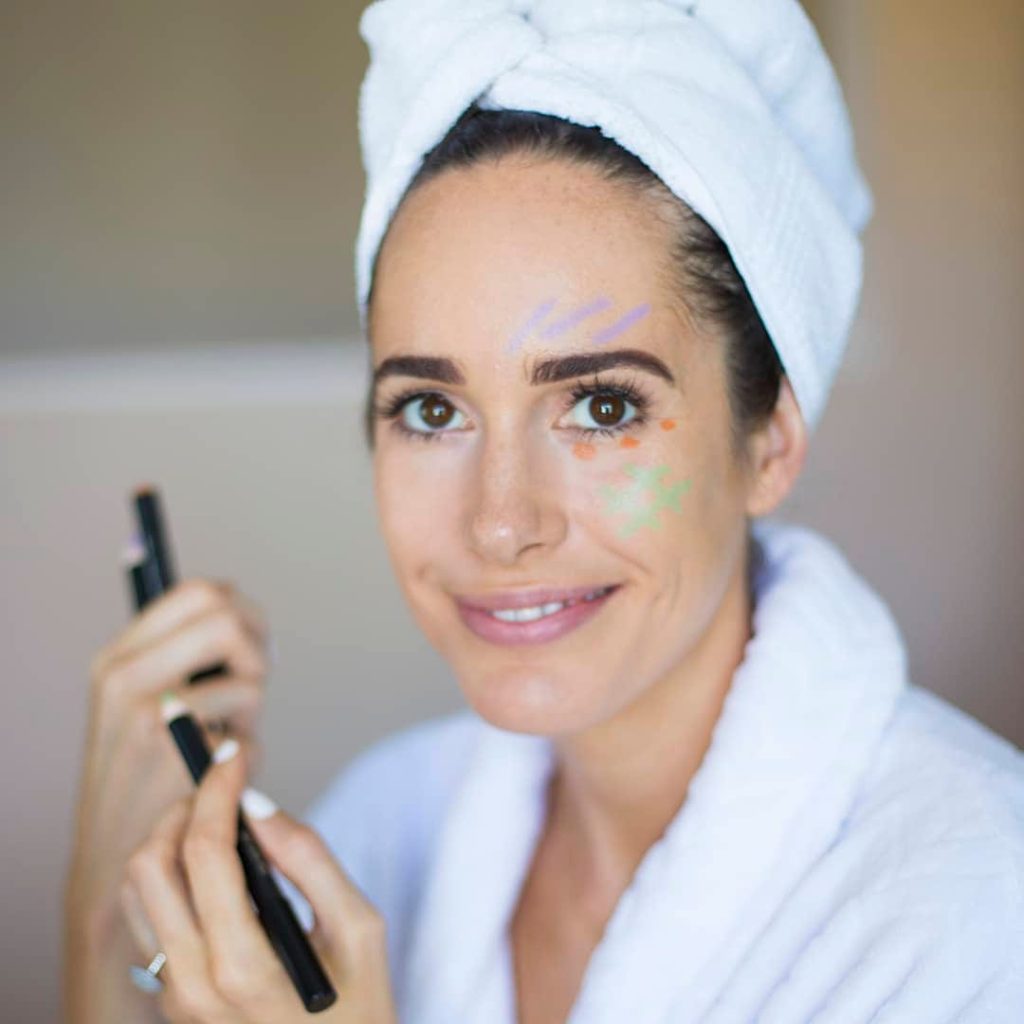
- Color correction: Techniques such as using color wheel principles can be applied here. For example, peach or orange-toned concealers work wonders for neutralizing blue or purple under-eye circles.
- Long-lasting formulas: Products like waterproof mascara and long-wear foundation are essential for maintaining a polished appearance throughout a shoot, regardless of the conditions.
- High-definition products: These products are specifically designed for the lens, minimizing texture and blending seamlessly for a polished finish that looks great up close.
Grasping these elements allows for a beautiful and effective application that enhances one’s natural beauty while thriving under photographic scrutiny. Quite often, mastering these aspects transforms an ordinary makeup routine into an extraordinary visual statement, taking your photos to a new level.
Tips for Flawless Application
Adopting specific techniques in makeup application can profoundly influence the quality of your photographs. Here are essential tips to consider:
- Primer: Think of primer as the foundation for your masterpiece. A good quality primer not only smooths the skin but also ensures that your makeup adheres properly, providing longevity and freshness to your look.
- Setting spray: Once you’ve achieved your desired look, a setting spray acts as a shield against the elements, locking your makeup in place. Consider a setting spray with a matte finish to avoid unwanted shine, especially in bright lighting situations.
- Highlighting and contouring: Used appropriately, these techniques can shape your face, creating depth and definition. For instance, highlighting the cheekbones and brow bones draws attention to the eyes, while contouring along the jawline and nose can create a more sculpted appearance.
By integrating these strategies into your makeup routine, you will undoubtedly elevate your photography game. The path toward mastering makeup for the camera is an exciting journey that allows for creative expression and showcases your unique features. Whether you’re preparing for a big event or wanting to enhance your everyday photos, these guidelines will help you create stunning images that leave a lasting impression.
DIVE DEEPER: Click here to uncover the latest trends
Key Techniques for Makeup that Photographs Well
Creating a flawless makeup look for photography doesn’t solely rely on artistic skills; it’s also about understanding how various products and techniques interact with light and camera settings. Mastering the nuances of makeup application can ensure that your photos capture your best self. Here are some essential techniques that every aspiring photographer’s muse should implement:
Choosing the Right Products
The makeup products you select play a crucial role in how you appear on camera. Using the right formulations can make a world of difference. Here are some pointers:
- Foundation Match: Selecting the appropriate foundation shade tailored to your skin tone is vital. A foundation that’s too light or too dark can create an unnatural contrast that’s amplified in photography. Always test foundations in natural light to ensure an accurate match.
- Sheer vs. Full Coverage: Opt for a sheer foundation if you’re aiming for a natural look, especially in outdoor settings. For controlled environments, a full-coverage foundation can effectively mask imperfections while still looking smooth.
- Blush and Bronzer: While applying blush and bronzer, go for slightly bolder hues than your everyday routine. The camera can mute colors, so don’t shy away from vibrant pinks, peaches, or bronzers that provide warmth without appearing excessive.
The Role of Lighting
Understanding light can transform your makeup application process. Natural light is typically the most flattering, but it also exposes flaws more readily. Here’s how to adapt your makeup for different lighting conditions:
- Natural Light: When you know that you will be photographed outdoors during the day, ensure to use a matte foundation and avoid heavy highlighters as they can reflect too much light, leading to a greasy appearance.
- Studio Lighting: In a studio setup, softer lighting may be used, allowing for a more radiant look. This is where highlighters can shine, enhancing the cheekbones and adding dimension to the face.
- Flash Photography: Avoid products with SPF – these can create a white cast in photos. Instead, opt for products specifically designed for photography to maintain a seamless finish.
By integrating these techniques into your makeup routine, you not only enhance your personal image but also significantly improve the outcome of your photographs. Photography isn’t only about capturing an image; it’s about encapsulating a feeling, a moment, and the right makeup can elevate that experience to new heights. Preparing correctly provides the foundation for stunning visuals that truly resonate with the viewer.
| Category | Description |
|---|---|
| Foundation Type | Choosing the right foundation is vital, as it sets the base for flawless skin, preventing undesired shine or color discrepancies in photos. |
| Lighting Techniques | Lighting is crucial for makeup photography. Understanding how natural and artificial light impacts makeup tones can enhance the overall look in pictures. |
When preparing for photography, selecting the right foundation type can significantly influence the appearance of the skin in the final image. Matte foundations, for instance, help in reducing shine, while dewy finishes can create a natural glow. It’s essential to test different foundations under photo conditions to confirm compatibility. Moreover, being aware of lighting techniques can transform a makeup look dramatically. Natural sunlight might reveal imperfections, whereas a well-placed softbox can differentiate between highlights and shadows beautifully, creating depth and dimension. Understanding these elements will ensure that your makeup looks stunning through the lens, inviting viewers to admire the artistry involved in your techniques.
DISCOVER MORE: Click here to learn about the benefits of natural body treatments
Makeup Techniques to Enhance Photographic Quality
Beyond merely choosing the right products, mastering application techniques can elevate your makeup for photography to new heights. The way you apply your makeup can dramatically affect how it translates on camera. Below are some advanced techniques designed specifically for achieving a perfect photographic result.
Application Techniques
How you apply your makeup can be just as important as what products you choose. Here are some essential application techniques to keep in mind:
- Layering: When applying base products like foundation or concealer, consider layering in thin applications. This allows for both proper coverage and a more natural appearance in photos. Start with a light layer and build to medium coverage, ensuring each layer is blended thoroughly to avoid a cakey finish.
- Use Primer: Applying a high-quality primer before foundation helps to create a smooth canvas, fills in fine lines, and helps makeup adhere longer. This is especially crucial for high-definition photography, where every detail is magnified.
- Setting Sprays and Powders: After completing your makeup application, using a translucent powder can help control shine. For outdoor photography, focus on areas prone to oiliness, like the T-zone. On the other hand, using a setting spray can lock your makeup in place, providing a fresh finish even in dynamic shooting conditions.
Highlighting and Contouring
Highlighting and contouring are invaluable techniques that can define your features, making them pop in photographs:
- Contouring: Utilize a contouring product that’s one or two shades deeper than your skin tone to sculpt the face. Focus on the hollows of your cheeks, jawline, and the sides of your nose. Be cautious not to overdo it; the goal is subtlety that enhances your natural shape.
- Highlight Strategically: Apply highlighter to areas that naturally catch the light, such as the top of the cheekbones, brow bones, and the bridge of the nose. In photography, choose a light-reflecting formula that won’t appear too glittery on camera; a satin finish tends to photograph more elegantly.
Customizing Your Eye Makeup
The eyes are often the focal point in photography, and the makeup you choose can either enhance or hinder that. Here are some critical tips:
- Long-Lasting Formulas: Always opt for waterproof or long-wear eye products to prevent smudging and enhance longevity during photo shoots. This is especially important if you’re worried about sweat or environmental factors.
- Define Your Eyebrows: Well-defined eyebrows frame the face and draw attention to your eyes. Use a brow pencil or gel that matches your hair color to fill in any gaps, creating a polished yet natural look that doesn’t get lost in photographs.
- Experiment with Eyeliner: Consider utilizing a bold eyeliner option to create depth. Whether you choose to go for a classic cat-eye or a smoky look, eyeliner can dramatically enhance the shape of your eyes, making them stand out in images.
In the realm of photography, every detail matters. By tailoring your application techniques and makeup choices to suit photographic requirements, you can experience transformative results in your image. Whether you’re preparing for a professional photoshoot or documenting precious moments with friends, implementing these strategies can ensure your makeup complements the mood and aesthetics of the photographs perfectly.
DISCOVER MORE: Click here to learn how nutrition supports healthy hair
Conclusion: Achieving Flawless Makeup for Stunning Photography
In conclusion, mastering makeup for photography is an essential skill for anyone wishing to capture their best self on camera. The interplay of light, angles, and facial features necessitates a carefully curated approach to makeup application. By understanding and implementing key techniques such as layering, using a quality primer, and employing effective highlighting and contouring, you can achieve a look that is both photogenic and natural.
Moreover, customizing your eye makeup to create depth and drama allows your eyes to stand out, a crucial component in photography where they often serve as the focal point. Investing in long-lasting formulations and defining your brows helps eliminate any worries about makeup smudging, especially in high-stakes situations like professional shoots or significant life events.
As you explore these tips and techniques, take the time to practice and experiment with different looks, ensuring you find the perfect balance between enhancing your natural beauty and adapting to the specific needs of the camera. Remember, photography captures fleeting moments, so confidence in your makeup will translate beautifully in images. By embracing these strategies, you can not only feel your best but also look stunning in every photograph, capturing memories that you will cherish for years to come. So go ahead, step in front of the lens, and let your makeup shine as brightly as your personality.
Related posts:
Autumn Makeup Trends: Colors and Styles You Need to Try
Long-Lasting Makeup: Strategies to Keep Your Look Perfect All Day
The Evolution of Contouring Techniques: From Basic to Advanced
Makeup for Mature Skin: Tips to Enhance Beauty at Any Age
Natural Makeup: Tips for a Fresh and Light Look
Makeup Techniques for Night Events: Creating Striking and Long-Lasting Looks

Linda Carter is a writer and beauty expert specializing in skincare routines, cosmetic ingredients, and holistic self-care practices. With extensive experience helping individuals achieve healthy, radiant skin and make informed beauty choices, Linda shares her knowledge on our platform. Her goal is to empower readers with practical advice and science-backed strategies for lasting beauty and skin health.