Maximizing Sunlight for Container Gardening on Patios and Balconies
Unlocking the Power of Sunlight for Container Gardening
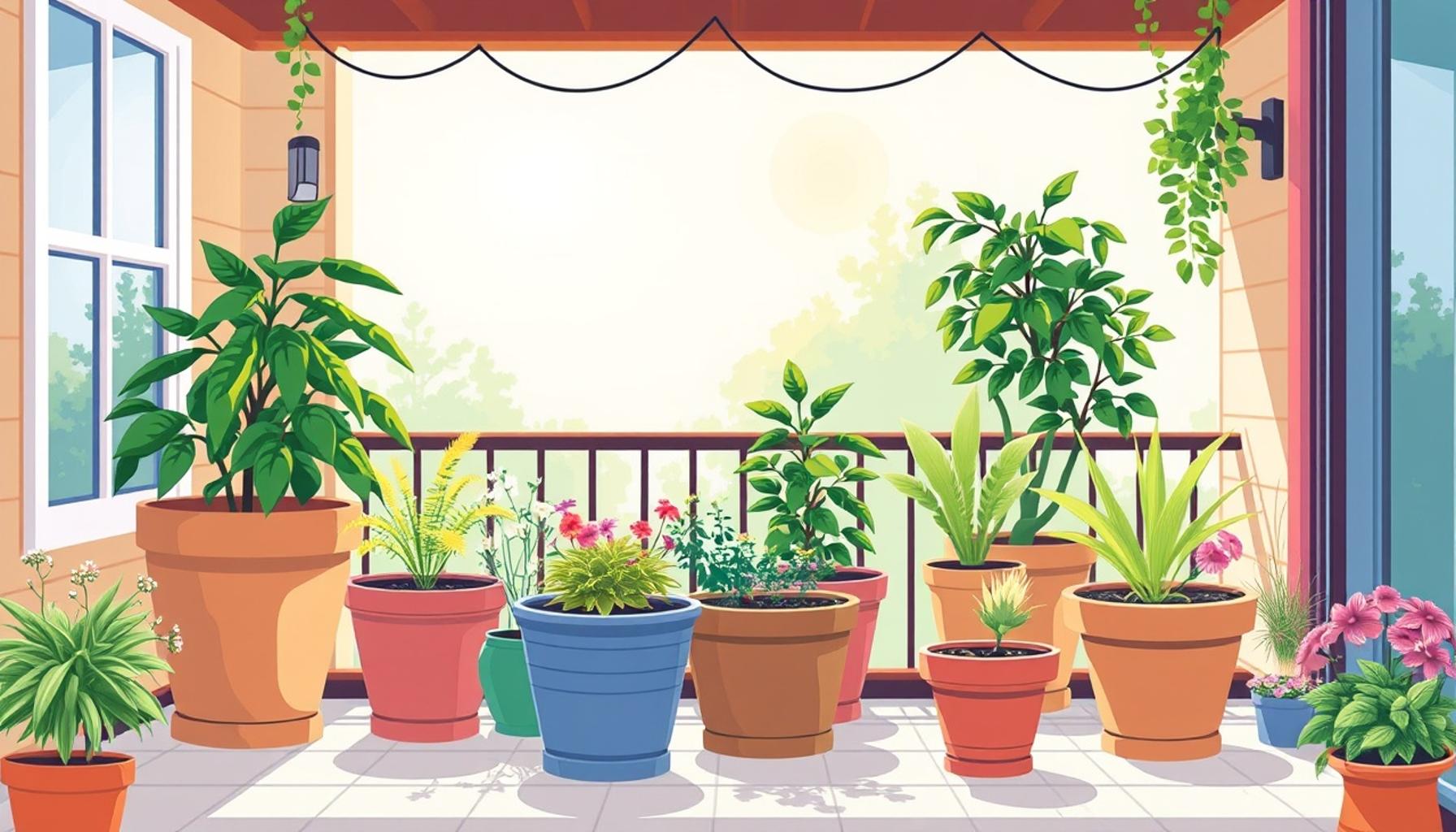
Container gardening on patios and balconies is an innovative way to make the most of limited urban spaces, creating vibrant green areas that can flourish with a little knowledge and effort. One of the cardinal rules of successful gardening is understanding how to maximize sunlight exposure, as sunlight is the primary energy source for plant growth. To cultivate healthy plants, it’s vital to consider several key factors regarding sunlight in your container garden.
Understanding Sunlight Duration
It’s essential to know that different plants have unique light requirements. While some species, like tomatoes and peppers, flourish in full sun—meaning they need at least six to eight hours of direct sunlight each day—others, such as ferns and certain houseplants, thrive in partial shade and can become stressed or stunted in overly bright conditions. For example, if you’re growing basil, ensure it receives ample sunlight to encourage robust leaf development, whereas shade-loving plants like hostas can be placed in dimmer spots on your balcony, allowing for remarkable diversity in your garden.
The Importance of Time of Day
The time of day significantly influences the quality of sunlight. Morning sun is typically milder and can be ideal for nurturing young seedlings, reducing the risk of sunburn. In contrast, the afternoon sun can be intense and lead to overheating for more delicate plants. For instance, if you observe that your balcony receives direct sunlight in the early hours, position your more delicate herbs there during those times, and regroup your sun-loving vegetables for the day’s peak sun strengths.
Seasonal Variations
Be aware that seasonal variations impact your garden considerably. The sun’s path shifts, creating different shadows as the seasons change. In winter, the sunlight is lower in the sky, altering light distribution. Use this to your advantage by planning a mix of seasonal plants. For example, plant cool-weather crops like kale and spinach in the spring, and transition to heat-tolerant varieties like squash in summer, ensuring each plant receives the right amount of sun.
Analyzing Your Space
To create a thriving patio or balcony garden, analyze your specific conditions. Identify potential obstructions such as nearby trees or buildings that may cast shade over your plants. It’s helpful to observe your space throughout the day to identify the best spots for sun-loving plants. Additionally, consider how reflective surfaces—like fences or walls painted white—can bounce light onto your plants, potentially increasing the sunlight they receive, even in less-than-ideal conditions.
Strategic Container Placement
Finally, container placement can make or break your gardening efforts. Don’t hesitate to experiment with positioning your containers throughout the day. Adjusting their location based on the sun’s journey can enhance exposure. For instance, if you find that some plants aren’t thriving, try moving them to sunnier spots or rotating them to ensure all sides receive equal light.
By integrating these insights into your gardening practice, you will not only optimize sunlight exposure but also unlock the full potential of your container garden. Your small urban sanctuary can transform into a lush, productive space brimming with life and beauty. Dive deeper into the fascinating world of container gardening, and learn how you can consistently enhance your green thumb even in small spaces.
DISCOVER MORE: Click here to learn how to choose the perfect plants
Essential Strategies for Optimizing Sunlight in Container Gardening
Maximizing sunlight for your container garden can significantly enhance your plants’ growth and yield. Understanding the various aspects that influence sunlight exposure is the first step in cultivating a flourishing garden on patios and balconies. Here are several essential strategies that can help you unlock the full potential of sunlight in your container gardening endeavors.
Determining Light Zones
Before diving deep into planting, it’s crucial to map out the different light zones on your patio or balcony. Consider dividing your space into three categories based on sunlight exposure:
- Full Sun: Areas that receive at least six to eight hours of direct sunlight, ideal for heat-loving plants like tomatoes, peppers, and sunflowers.
- Partial Shade: Zones that get filtered sunlight or only four to six hours of direct light, suitable for herbs like cilantro, lettuce, and some smaller ornamental plants.
- Full Shade: Spaces that receive less than four hours of direct sunlight, where shade-loving plants such as ferns or impatiens can thrive.
By categorizing your garden space, you can strategically place your containers according to the specific light requirements of each plant type.
Utilizing Trellises and Vertical Gardening
In compact spaces, vertical gardening can be a game-changer for maximizing sunlight exposure. By incorporating trellises and vertical planters, you can grow climbing plants like cucumbers and peas upwards, allowing for better light penetration. Elevated planters can also provide much-needed sunlight while saving ground space. This method not only enhances your garden’s aesthetic appeal but also improves air circulation around the plants, reducing the likelihood of fungal diseases.
The Role of Container Size and Material
Another often-overlooked aspect of maximizing sunlight is the size and material of your containers. Larger containers retain moisture better and often provide more substantial root space, which can benefit sun-oriented plants. However, the choice of materials also matters. Dark-colored pots tend to absorb heat, which can be beneficial in cooler months, while lighter-colored pots reflect sunlight and can help prevent overheating during hot summer days. Consider using materials like terracotta, fiberglass, or metal for your containers to play with temperature and light absorption.
Plant Arrangement and Companion Planting
Strategic plant arrangement can also enhance sunlight exposure. Position taller plants towards the north side of your garden, allowing smaller plants to receive ample light without being overshadowed. Alongside this, consider companion planting—this technique involves placing plants together that can benefit one another. For example, planting marigolds alongside vegetables can help deter pests while ensuring both types receive appropriate sunlight according to their specific needs.
Creating a thriving container garden on patios and balconies is entirely feasible with the right approach to maximizing sunlight. By understanding light zones, leveraging vertical spaces, choosing the right containers, and thoughtfully arranging your plants, you can cultivate a lush, productive garden even in the confines of urban living. As you embark on this green journey, you’ll not only discover the joy of gardening but also the therapeutic benefits it brings to your daily life.
| Category | Details |
|---|---|
| Optimal Plant Selection | Choosing plants that thrive in sunlight is crucial for successful container gardening. |
| Sunlight Simulation | Using reflective materials can enhance light availability, supporting growth. |
| Container Positioning | Strategically placing containers to capture maximum sunlight throughout the day. |
| Seasonal Adjustments | Adjusting placements with changing seasons can optimize sunlight exposure. |
When gardening in small spaces, utilizing sunlight effectively can make a significant difference in yields and plant health. Emphasizing optimal plant selection ensures that the chosen flowers, herbs, or vegetables are suited for bright conditions. Varieties such as tomatoes, peppers, and sunflowers not only flourish in these environments but also attract pollinators, enhancing garden biodiversity. Equally, the strategic positioning of containers plays a crucial role. Ensure that plants are placed where the sun reaches for the longest duration, especially during peak hours. Innovations like using mirrors or reflective surfaces can create a sunlight simulation effect, dramatically increasing light exposure for shaded plants. By embracing this knowledge and actively adjusting for seasonal changes, gardeners can capitalize on their available sunlight, leading to lush, productive, and vibrant container gardens on diverse patios and balconies.
DISCOVER MORE: Click here to enhance your garden
Advanced Techniques for Harnessing Sunlight
As you progress in your journey of container gardening, embracing advanced techniques can take your garden to the next level. By understanding your environment and the unique traits of your plants, you can further optimize sunlight exposure and cultivate an extraordinary green space on your patio or balcony. Let’s explore additional strategies that can enhance your gardening experience.
Use of Reflective Surfaces
One innovative way to maximize sunlight is by incorporating reflective surfaces into your gardening space. Strategic placement of mirrors or reflective panels can redirect sunlight towards your plants, especially in areas where direct sun is limited. These surfaces work by bouncing sunlight towards your containers, creating a brighter environment for younger plants that may need a little encouragement to grow. Furthermore, consider utilizing light-colored surfaces such as white walls or outdoor furniture that can help reflect sunlight onto your plants.
Choosing the Right Time to Water
Understanding water management is essential in container gardening. Positioning your watering schedule according to the sunlight levels can benefit your plants significantly. Watering during the cooler parts of the day, early morning or late afternoon, helps prevent evaporation and allows plants to absorb moisture effectively when they need it the most. Additionally, be cautious about over-watering, particularly for sun-loving plants that prefer drier conditions. A well-timed watering routine not only aids in plant health but also ensures they can absorb maximum sunlight.
Seasonal Adjustments and Rotation
As seasons change, so should your gardening techniques. Seasonal adjustments can significantly impact how your plants adapt to varying light conditions. During the summer months, certain plants may thrive in places once controlled by shade in the spring. Regularly rotating the position of your containers within your available sunlight zones can help keep your plants well-satisfied with their light intake. Experimentation with seasonal placements allows for optimal growth, helping plants transition smoothly throughout the year.
Understanding Sunlight Changes and Plant Behavior
It’s equally important to recognize how sunlight changes throughout the day and across different seasons. As angles of natural light shift, it affects how well your plants receive their daily dose of sun. Observing and noting down the behavior of plants in relation to changes in light will enable you to make more informed decisions regarding their positioning. For instance, if you notice one plant becomes leggy or weak, it may need a different exposure to light. Keeping a gardening journal can assist in tracking these observations, ultimately leading to a more successful gardening experience.
Consideration of Sunlight Duration and Intensity
The duration and intensity of sunlight greatly influence the varieties of plants you can successfully grow. Understanding the sunlight duration in your area may allow you to choose harsh-resilient plants that thrive under intense light conditions. Research local climatic conditions and weather patterns that may impact the growth of specific plants in your container garden. For example, certain areas in the southwestern United States experience high-intensity sunlight throughout the summer which favors heat-tolerant varieties such as succulents or drought-resistant herbs.
By employing these advanced techniques, you can further enhance your ability to maximize sunlight in container gardening. Combining reflective surfaces, mindful watering practices, and constant adaptation to sunlight changes ensures a vibrant and productive gardening experience right on your patio or balcony. Dive deeper into these strategies, experiment with different plants, and appreciate the rewarding realm of urban gardening as you watch your green space flourish.
DISCOVER MORE: Click here for vibrant garden ideas
Conclusion: Cultivating a Luminous Oasis
In the world of container gardening, particularly on patios and balconies, maximizing sunlight is key to nourishing a vibrant and flourishing ecosystem. By employing innovative methods such as the use of reflective surfaces, implementing strategic watering times, and adapting to seasonal changes, urban gardeners can significantly enhance plant health and productivity. These techniques not only optimize sunlight exposure but also create a unique environment that caters to the specific needs of different plant varieties.
Understanding and monitoring the behavior of your plants in relation to the shifts in sunlight throughout the day and across the seasons is essential. By keeping a thoughtful gardening journal, you can track these nuances and make informed decisions that promote growth. Furthermore, choosing the right plants that align with both your local climatic conditions and the intensity of sunlight available will lead to a more successful and satisfying gardening experience.
Container gardening on patios and balconies doesn’t have to be a limiting endeavor. With a little creativity and knowledge, you can transform any small space into a lush, green sanctuary. As you continue to explore and experiment with these sun-maximizing strategies, you might discover exciting new plants and methods that bring your garden to life. Embrace the beauty of urban gardening, and watch as your container garden thrives bathed in the golden glow of the sun.