
Natural Face Masks: Recipes and Benefits for Every Skin Type
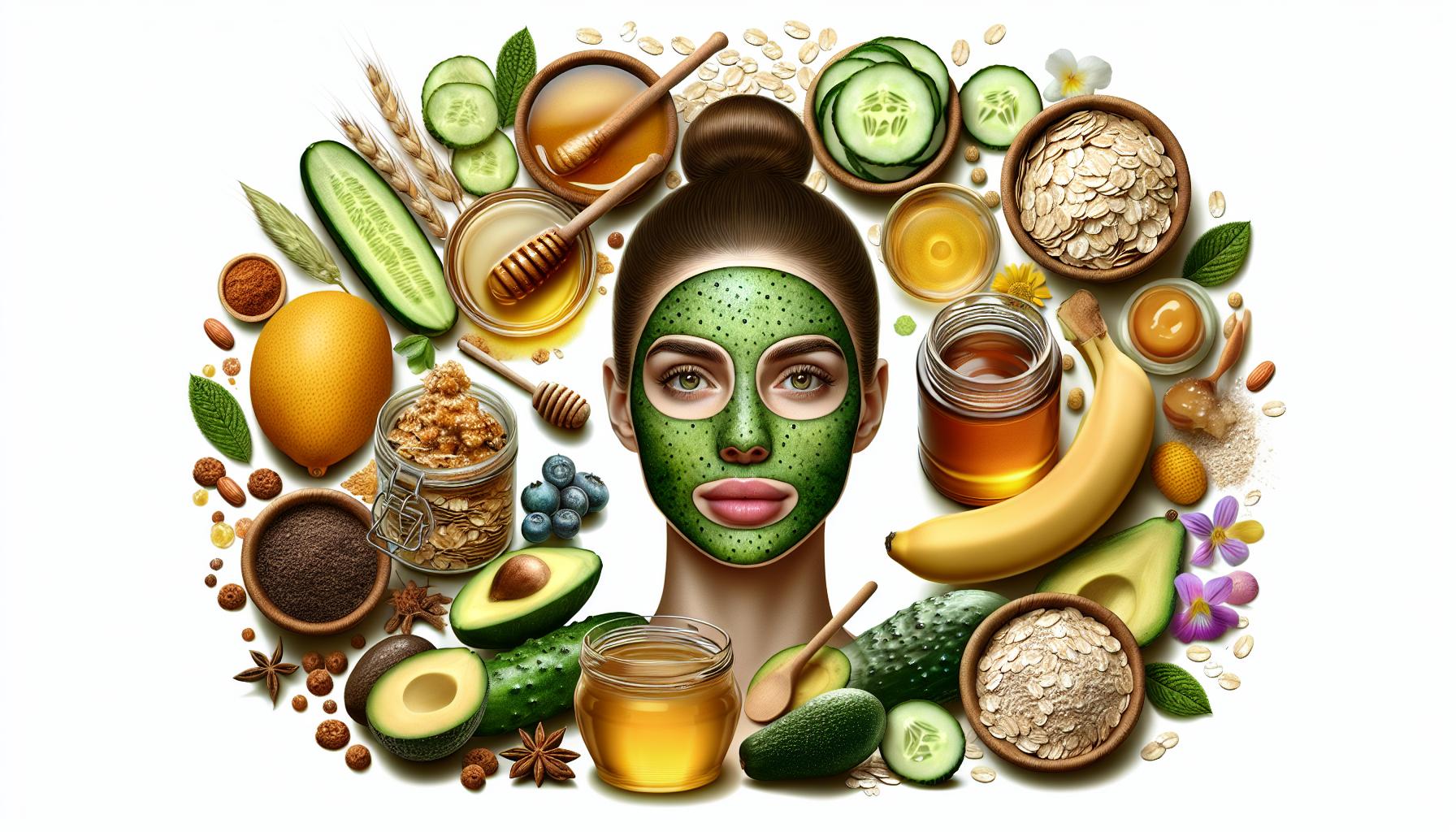
Harnessing Nature’s Ingredients for Skin Care
In an age where self-care and natural beauty have taken center stage, the allure of natural face masks is growing stronger. As more individuals seek products devoid of harsh chemicals and synthetic additives, these homemade treatments offer a refreshing alternative, blending simplicity with efficacy. Utilizing common kitchen staples, you can concoct a variety of masks that not only cater to your unique skin needs but also promote a holistic approach to wellness.
One of the primary advantages of natural face masks is their ability to address specific skin concerns in a gentle manner. Here are some notable benefits:
- Hydration – Natural ingredients such as honey, renowned for its humectant properties, and yogurt, rich in lactic acid, can deeply moisturize and nourish the skin. A simple mix of these ingredients can leave your skin feeling soft and supple.
- Exfoliation – Ingredients like oatmeal and citrus peels are excellent for removing dead skin cells, promoting a brighter complexion. Oatmeal, known for its calming properties, can be combined with honey for a perfect scrub that soothes as it exfoliates.
- Healing – Soothing agents such as aloe vera and turmeric are powerful allies in reducing inflammation and irritation. Turmeric, with its anti-inflammatory properties, can be transformed into a face mask that addresses redness and uneven skin tone.
The versatility of natural face masks extends to tailored recipes based on your skin type. Exploring the variety available ensures that everyone can find an option that suits them perfectly:
- Dry Skin – Those with dry skin can benefit from masks rich in oils and creams; avocado and olive oil provide much-needed moisture and nourishment, helping to combat flakiness.
- Oily Skin – For oilier complexions, clay-based masks can absorb excess oil and purify the skin. Recipes incorporating green tea and fruit acids like lemon can provide a refreshing cleanse that brightens the skin.
- Sensitive Skin – Gentle ingredients such as chamomile and avocado ensure that even the most delicate skin is cared for without irritation. A soothing chamomile and yogurt mask can provide an anti-inflammatory effect soothing redness and discomfort.
By choosing to embrace these natural options, you foster a commitment to skin health while partaking in a broader movement toward holistic wellness. The popularity of DIY natural beauty is not merely a passing trend; it reflects a growing awareness of the benefits of using pure, unrefined ingredients. As we delve deeper into popular natural recipes, it becomes clear that beauty indeed springs from nature, inviting individuals to experiment with what Mother Earth has to offer.
DISCOVER MORE: Click here to learn about the evolution of natural cosmetics

Understanding Different Skin Types
Before embarking on your journey to create the perfect natural face mask, it’s crucial to understand your skin type. Accounting for factors such as oiliness, sensitivity, and dryness will help you tailor your mask to achieve the best results. In the vast world of skincare, recognizing the unique attributes and needs of your skin is key to unlocking its potential.
Identifying Your Skin Type
Skin types can generally be categorized into four main groups:
- Normal Skin – Characterized by a balanced level of moisture and oil, normal skin is neither too dry nor excessively oily. It typically has a smooth texture with minimal blemishes.
- Oily Skin – This type produces an excess of sebum, leading to shine, enlarged pores, and a higher propensity for acne. Individuals with oily skin often seek out masks that can help control oil levels and unclog pores.
- Dry Skin – Lacking sufficient moisture, dry skin often feels tight, rough, or flakey. It can be exacerbated by environmental factors, making hydration-focused masks essential for its upkeep.
- Sensitive Skin – Delicate skin that reacts easily to products, sensitive skin may show signs of redness, itching, or irritation. Masks that employ calming agents are vital for sustaining its health.
Once you can identify your skin type, you can craft or choose masks that best fit your needs. This customization ensures maximum effectiveness while minimizing potential irritation.
Basic Guidelines for Natural Face Masks
In addition to targeting specific skin types, certain guidelines can help enhance the effectiveness of your natural face masks:
- Patch Testing: Even the gentlest ingredients can cause reactions. Conduct a patch test by applying a small amount of the mask to a discreet area of skin to ensure compatibility.
- Fresh Ingredients: Whenever possible, use fresh, organic ingredients. They contain higher levels of nutrients and are less likely to irritate the skin.
- Application: Clean your face thoroughly before applying any mask. This prepares your skin for better absorption of the ingredients. Use gentle circular motions during application for an added massage effect.
- Timing: Allow the mask to sit for the recommended duration, usually between 10 to 30 minutes. Overexposure can lead to irritation, especially for those with sensitive skin.
By adhering to these basic guidelines, you set the foundation for a successful natural skincare routine. Whether you have oily, dry, sensitive, or normal skin, there is a blend of natural ingredients waiting to work their magic. With a treasure trove of recipes at your disposal, you can discover the optimal mask that will unlock your skin’s radiance while promoting a deeper connection with nature’s bounty.
| Category | Benefits |
|---|---|
| Hydration | Natural face masks can help hydrate the skin, making it look plump and youthful. |
| Anti-Aging | With ingredients like avocado and honey, these masks promote cell regeneration and reduce the appearance of fine lines. |
| Repairing | Face masks rich in vitamin C and antioxidants work to repair damaged skin and enhance overall complexion. |
| Deep Cleansing | Certain natural ingredients, such as clay and charcoal, are effective in drawing out impurities and unclogging pores. |
When it comes to selecting the best natural face masks, knowing the specifications of your skin type—be it oily, dry, or sensitive—is critical. Ingredients such as aloe vera and oatmeal are wonderful for soothing irritation in sensitive skin, while fruit-based masks can brighten and rejuvenate dull complexions. Additionally, essential oils can be seamlessly integrated into these recipes to provide further therapeutic benefits, enhancing both your skincare routine and overall relaxation experience. By experimenting with various combinations, you unlock a world of possibilities tailored to the specific needs of your skin. Whether you seek nourishment, clarity, or rejuvenation, the options are almost endless, promising remarkable results that keep your skin looking fresh and vibrant.
DISCOVER MORE: Click here to personalize your beauty ritual
Natural Face Mask Recipes for Every Skin Type
Delving into the world of natural face masks not only enhances your skincare routine but also allows you to embrace the therapeutic benefits of nature. Below, we’ve curated a selection of simple recipes tailored to different skin types, ensuring everyone can find a perfect match.
Recipes for Normal Skin
For those with normal skin, the goal is to maintain balance and health. A popular recipe incorporates honey and yogurt:
- Honey Yogurt Mask: Combine 2 tablespoons of plain yogurt with 1 tablespoon of honey. Apply it evenly on the face and let it sit for 15-20 minutes before rinsing. This mask hydrates while allowing your skin to retain moisture and fight off bacteria.
Recipes for Oily Skin
Individuals with oily skin benefit from masks that control shine and absorb excess oil. An effective option utilizes clay and tea tree oil:
- Clay and Tea Tree Oil Mask: Mix 2 tablespoons of bentonite clay with water until a smooth paste forms, then add a few drops of tea tree oil. Apply to the face, allowing it to dry for about 10-15 minutes. Rinse off with warm water. This mask draws out impurities and helps prevent breakouts.
Recipes for Dry Skin
For dry skin, it’s vital to introduce moisture, making a mask with avocado and banana an ideal choice:
- Avocado Banana Mask: Mash half an avocado and half a ripe banana together until smooth. Spread this luscious mixture on your face and leave it for 15-20 minutes. Rinse with lukewarm water. This nutrient-rich mask offers deep hydration and nourishment, replenishing the skin’s moisture barrier.
Recipes for Sensitive Skin
Sensitive skin often requires gentle and soothing ingredients. A calming mask made with oatmeal and aloe vera can work wonders:
- Oatmeal Aloe Vera Mask: Blend 2 tablespoons of finely ground oatmeal with 1 tablespoon of pure aloe vera gel. Apply the mask and let it sit for 10-15 minutes. This mixture not only calms irritation but also provides anti-inflammatory benefits.
Additional Tips for Maximizing Benefits
While these recipes serve specific skin types, incorporating additional elements can enhance your natural face masks:
- Essential Oils: A few drops of essential oils like lavender or chamomile can elevate the therapeutic qualities of your masks, promoting relaxation and comfort.
- Herbal Infusions: Consider steeping herbs such as green tea or chamomile in water, allowing it to cool, and then using it as a base for masks or as a refreshing rinse.
- Frequency: Routine is key. For optimal results, apply your chosen natural mask 1 to 2 times a week, adjusting based on how your skin reacts.
With these natural face mask recipes, tailored specifically for each skin type, unlocking your skin’s natural radiance is more attainable than ever. The secret to success lies in knowing your skin, using fresh ingredients, and remaining consistent in your skincare journey. Embrace these natural solutions to unveil skin that reflects radiance and health.
DISCOVER MORE: Click here for DIY face mask recipes
Conclusion
As the demand for holistic and eco-conscious skincare grows, natural face masks stand out as both a practical and alluring choice. The beauty of these masks lies in their ability to cater to all skin types with simple, accessible ingredients. For instance, a honey yogurt mask not only balances the skin by combining probiotics and hydration but also acts as a gentle exfoliant, making it ideal for those with normal skin. Meanwhile, the avocado banana mask, rich in healthy fats, is a go-to remedy for combatting dryness, leaving the skin feeling plump and nourished. For individuals struggling with excess oil, a clay and tea tree oil mask provides a powerful solution, drawing out impurities while calming inflammation.
Additionally, incorporating essential oils like lavender or chamomile can elevate the therapeutic experience of applying these masks. The soothing scents promote relaxation, turning an ordinary skincare routine into a pampering ritual. Furthermore, herbal infusions, such as chamomile or rosehip tea, can enhance the masks’ effectiveness by targeting specific skin concerns and providing additional nutrients.
To truly benefit from these natural solutions, consistency is crucial. Applying your chosen mask one to two times a week not only allows time for your skin to absorb the nutrients but also cultivates a mindful self-care habit. As you become attuned to your skin’s unique needs, you can design a personalized skincare regimen that harnesses the power of these natural ingredients effectively.
Embracing homemade masks simplifies skincare while celebrating the essence of nature. By engaging with the roots of botanical remedies, you can cultivate radiant, healthy skin that speaks volumes about your well-being. The journey into the realm of natural face masks invites you to discover not just beauty in your skin, but also a deeper connection to the healing properties of nature itself. This exploration of natural skincare could lead to transformative results, inspiring you to deepen your knowledge and understanding of the diverse ingredients available.