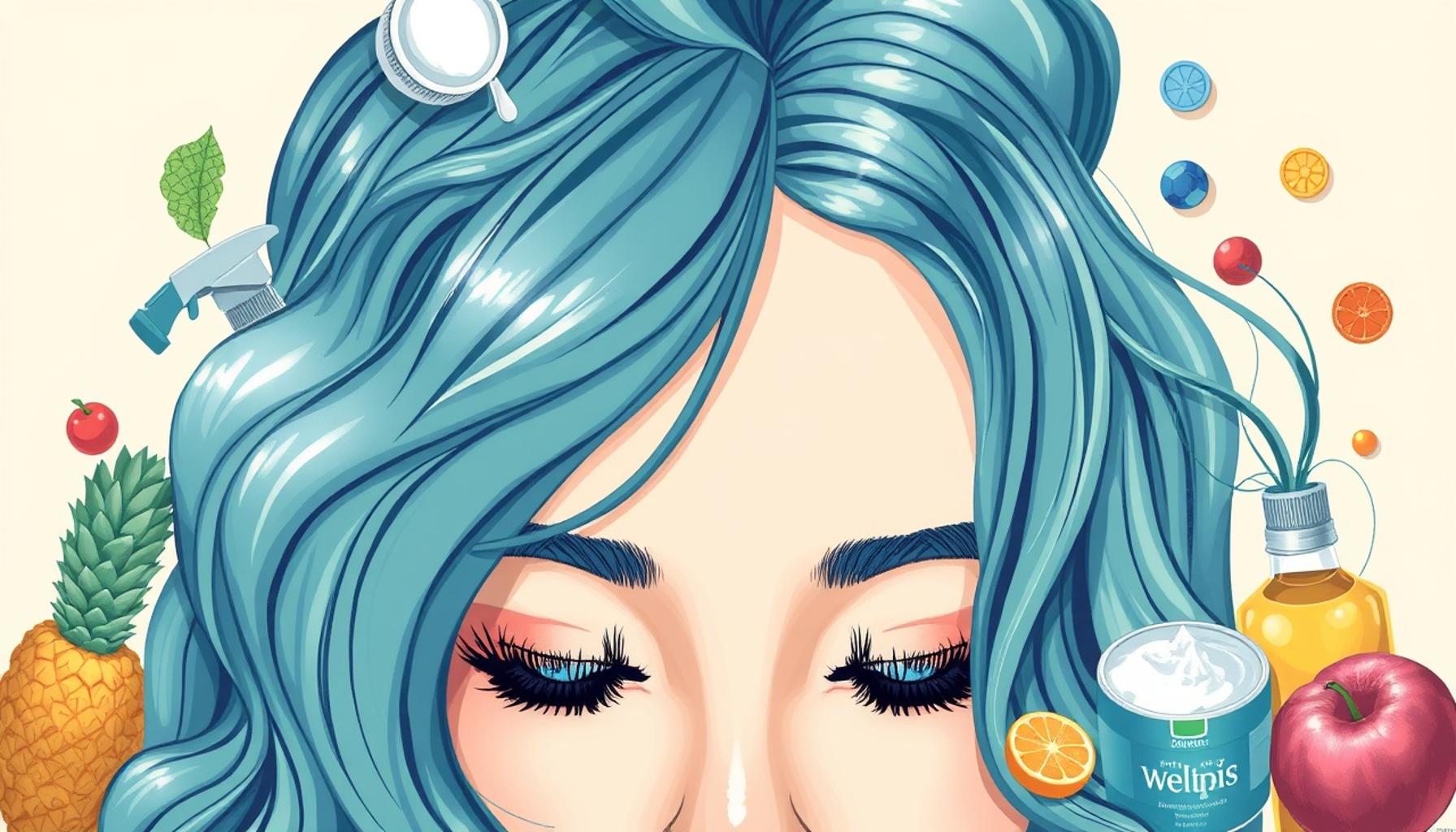
The Evolution of Hair Care Products: From Natural to Technological
The Evolution of Hair Care: A Journey Through Time
The landscape of hair care products has undergone remarkable changes over the centuries. In ancient civilizations, individuals relied heavily on nature to support their hair health, often turning to purest natural ingredients found in their surroundings. For example, olive oil, revered since biblical times, served not just as a culinary delight but as a deep conditioning treatment that nourished dry, damaged hair. Ancient Egyptians and Greeks utilized it to add shine and moisture, creating a timeless tradition that is still embraced in modern hair care.
Another staple ingredient, aloe vera, has been cherished for its soothing properties. This succulent plant, known for its healing effects on the skin, was commonly applied to the scalp to alleviate irritations and promote a healthy environment for hair growth. In various cultures, the use of henna for coloring extended beyond aesthetics; it embodied a form of self-expression and cultural identity. With roots in countries such as India and Egypt, henna not only added a vibrant hue to locks but also contributed natural shine and strength.
Fast forward to recent decades, and consumers have become increasingly discerning about the products they apply to their hair. There is a rising demand for botanical extracts. Ingredients like argan oil, sourced from Morocco, and tea tree oil, commonly used for its antiseptic qualities, have gained popularity for their holistic benefits. Meanwhile, the trend towards organic formulations reflects a societal move towards cleaner beauty, as consumers seek products with fewer chemicals and a more sustainable ethos.
Moreover, innovation in technological advancements has started to define modern hair care. Techniques such as nano-technology allow ingredients to penetrate deeper layers of the hair shaft, enhancing efficacy in treatment. This scientific progress represents not just a shift in formulations but a commitment to addressing diverse hair types and concerns more effectively than ever before.
As we delve further into the fascinating history of hair care products, it becomes evident that every phase represents a reflection of shifting societal values, groundbreaking scientific discoveries, and humanity’s ongoing quest for the elusive combination of healthy, beautiful hair. From the ancient practices to the cutting-edge developments of today, hair care continues to mirror our ideals, lifestyle changes, and an increased awareness of personal health and wellness.
DISCOVER MORE: Click here for tips on choosing the perfect hairbrush
Natural Roots: The Beginning of Hair Care Products
The evolution of hair care products can be traced back to ancient practices that prioritized natural ingredients and holistic care. In these early days, people developed a deep understanding of the nourishing properties of plants, oils, and minerals found abundantly in their environment. Utilizing this knowledge, they crafted remedies to address a variety of hair concerns.
Olive oil, a beloved oil from the Mediterranean, is a prime example. It was often mixed with herbs and scents to create conditioning treatments that not only moisturized but also promoted scalp health and vitality. This practice laid the groundwork for what we recognize today in deep conditioning hair products, effectively introducing the concept of self-care through hair treatments. Similarly, the use of coconut oil in tropical regions illustrated how communities embraced local resources to enhance hair’s luster and strength, extending the tradition of natural hair care into modern practices.
Herbal Remedies: A Blend of Tradition and Beauty
Beyond oils, ancient cultures employed various herbal remedies that catered to both aesthetic and health needs. For instance, cultures in Asia have long utilized ingredients such as ginseng and fenugreek for their reputed ability to stimulate hair growth and combat thinning hair. In Africa, shea butter became a staple, providing a rich moisture source that protected hair from harsh environmental conditions, an early form of what many might now call a leave-in conditioner.
This global tapestry of hair care practices laid the foundation for later supplements and products. The following list highlights some of the insightful ways various cultures approached hair care:
- Aloe Vera: Used for its soothing gel, known for alleviating scalp irritation and promoting hair growth.
- Henna: A plant-based dye used in regions like India and North Africa, not only for coloring but also for adding shine and texture.
- Castor Oil: Frequently applied as a natural remedy to improve hair health and promote growth.
- Rosemary Extract: Employed by ancient Romans and Greeks for its stimulating properties to improve blood circulation to the scalp.
These historical practices exemplify the rich heritage of hair care, emphasizing the connection individuals had with their natural environment. As we transitioned through the ages, these traditional methods began to compete with modern innovations that started to emerge more prominently in the early to mid-20th century. Mass production of hair care products marked the beginning of a new era—one that would shift the focus from natural to more technological solutions. This shift would eventually lead the way to the complex and diverse hair care products that we have today, balancing innovation with the enduring wisdom of nature.
The Evolution of Hair Care Products: From Natural to Technological
As we delve into the remarkable journey of hair care products, it becomes essential to recognize the significant transformation from traditional natural remedies to the cutting-edge technologies we see today. This evolution reflects broader changes in consumer preferences, influenced by lifestyle, awareness of ingredients, and technological advancements.
Initially, hair care was dominated by nature’s offerings. Ingredients such as coconut oil, aloe vera, and essential oils formed the backbone of hair treatments, focusing on health and nourishment. These natural products were not only accessible but also revered for their holistic benefits. However, as the demand for more effective and specialized solutions increased, the industry began to embrace science.
Enter the era of technological innovation in hair care. Modern formulations harness the power of advanced research, creating targeted products to address specific issues like hair loss, dryness, and color protection. The introduction of innovative ingredients, such as nanotechnology and proteins that penetrate the hair shaft, is revolutionizing how we care for our hair. Additionally, customizable products tailored to individual needs are making waves, reflecting a shift toward personalized care.
This fascinating evolution is marked by the convergence of nature and technology, paving the way for a new chapter in hair care. As consumers continue to seek out products that blend these two worlds, the future of hair care promises even more exciting developments. Keep exploring this intersection of tradition and innovation to discover how it can benefit your hair care routine.
| Category | Advantage |
|---|---|
| Natural Ingredients | Gentle on the scalp and free from harsh chemicals, promoting overall hair health. |
| Technological Advancements | Development of formulations that target specific hair issues efficiently and effectively. |
As consumers became aware of the adverse effects of certain chemicals commonly found in hair care products, the demand for transparency led to the rise of clean beauty brands. These brands emphasize the use of safe, non-toxic ingredients, allowing individuals to make informed choices. This shift showcases a growing consciousness regarding the intersection of personal health and environmental impact.
The changing landscape of hair care illustrates a remarkable tapestry of history, culture, and scientific exploration. Each stage in this evolution tells a story of choice and innovation, inviting everyone to partake in this dynamic sector while focusing on their unique hair care needs.
DISCOVER MORE: Click here to learn how to choose the perfect hairbrush
The Shift to Mass Production and Chemical Formulations
As the Industrial Revolution gained momentum in the late 19th and early 20th centuries, hair care products began to evolve at a remarkable pace. The introduction of mass production techniques allowed for the creation of hair care items that were more widely available and affordable to the average consumer. What transpired was a significant shift from the artisanal methods of crafting hair care remedies to industrial processes, where chemistry began to play a pivotal role.
Among the first widely recognized products was the commercial shampoo, which replaced traditional washing methods. Early formulations capitalized on the emerging understanding of surfactants, which allowed products to cleanse the hair and scalp effectively. Brands like Procter & Gamble introduced products that not only focused on cleanliness but also claimed to address specific hair concerns. The launch of Head & Shoulders in the 1960s, for instance, pioneered the journey of anti-dandruff shampoos by utilizing zinc pyrithione, a compound that remains popular in many formulations to this day.
Specialization: Targeting Individual Hair Needs
The mid-20th century witnessed a surge in specialization within hair care, leading to an increased array of options catering to diverse hair types and concerns. Stylists and chemists began collaborating, sharing insights about specific conditions such as dryness, frizz, and color damage. This collaborative effort led to the inception of products such as leave-in conditioners and hair masks designed to counteract the drying effects of chemical treatments and environmental factors.
The 1980s and 1990s heralded the era of targeted solutions, resulting in the explosion of brands like Pantene and Garnier that focused on specific issues like split ends and moisture retention. Ingredient blends grew more intricate, with the introduction of silicones—a revolutionary ingredient designed to create a protective barrier that enhanced shine and managed frizz. Today, ingredients like argan oil and keratin play a crucial role in the formulation of premium products that promise to rejuvenate and repair hair while addressing market demands.
The rise of the internet and e-commerce in the 21st century has further fueled the evolution of hair care, allowing consumers to seek products tailored to their unique needs. The introduction of the “clean beauty” movement has prompted brands to reevaluate their ingredient lists, leading to a surge in demand for products that eschew sulfates and parabens in favor of more natural alternatives. This represents a fascinating convergence of technology and nature, as consumers become more aware of the ingredients they apply to their hair and scalp.
With brands increasingly harnessing social media and beauty influencers to market their innovative products, hair care has transcended beyond mere functionality; it’s an intersection of artistry and science. Whether it’s via hydrating hair serums infused with plant-based extracts or the latest technology in heat protection sprays, the industry continuously pushes the boundaries of what hair care can achieve.
The ongoing dialogue surrounding hair products illustrates not just a timeline of evolution, but a cultural shift that marries tradition with advancements in formulation. By exploring this intricate landscape, consumers can appreciate the sheer variety of offerings that address a multitude of hair types and needs—highlighting the remarkable journey from ancient remedies to sophisticated science. The next stage in this evolutionary tale seems set to blend even more technological advancements with the enduring principles of natural provisioning.
DISCOVER MORE: Click here to find the perfect hairbrush for your needs
Conclusion: The Future of Hair Care
In tracing the journey of hair care products from their natural origins to today’s technologically advanced offerings, we uncover a narrative rich in cultural significance and scientific innovation. As we’ve seen, early hair care solutions were rooted in nature, employing herbs and oils for cleansing and nourishment. The transition to mass production in the industrial age revolutionized the market, making products more accessible and propelling the discovery of chemical formulations that addressed various hair concerns.
With the emergence of specialized products in the late 20th century, consumers began to benefit from formulations designed to cater to their individual hair types and issues. This era has since evolved with the digital age, where the rise of e-commerce and social media has created a highly personalized shopping experience. The spotlight on the clean beauty movement further emphasizes consumers’ demand for transparency and naturally derived ingredients, leading brands to reimagine their offerings. The dialogue surrounding hair care now not only revolves around effectiveness but also the ethics and environmental impact of those products.
The convergence of art and science in hair care becomes evident as brands continue to innovate, infusing traditional ingredients with advanced technology. From serums incorporating botanical benefits to high-tech protective sprays, the next chapter in hair care is poised to blend the best of both worlds. As this landscape continues to shift, consumers find themselves at the helm, empowered to make informed choices that reflect their values and personal style. The evolution of hair care products is a testament to our ongoing quest for beauty and well-being, capturing a future where nature and technology coexist harmoniously to cater to the diverse needs of all individuals.
Related posts:
The Importance of Sunscreen for Hair in Hot Climates
How Chlorine and Seawater Affect Hair Health and How to Protect Your Strands
Heat Styling Techniques: Tips to Minimize Damage and Maintain Healthy Hair
Tips for Choosing the Ideal Shampoo and Conditioner for Your Hair Type
How to Choose the Right Hairbrush for Every Hair Type
The Relationship between Stress and Hair Loss: Tips to Keep Your Strands Healthy

Linda Carter is a writer and beauty expert specializing in skincare routines, cosmetic ingredients, and holistic self-care practices. With extensive experience helping individuals achieve healthy, radiant skin and make informed beauty choices, Linda shares her knowledge on our platform. Her goal is to empower readers with practical advice and science-backed strategies for lasting beauty and skin health.