The impact of diet on skin health and aging
The Connection Between Diet and Skin Health
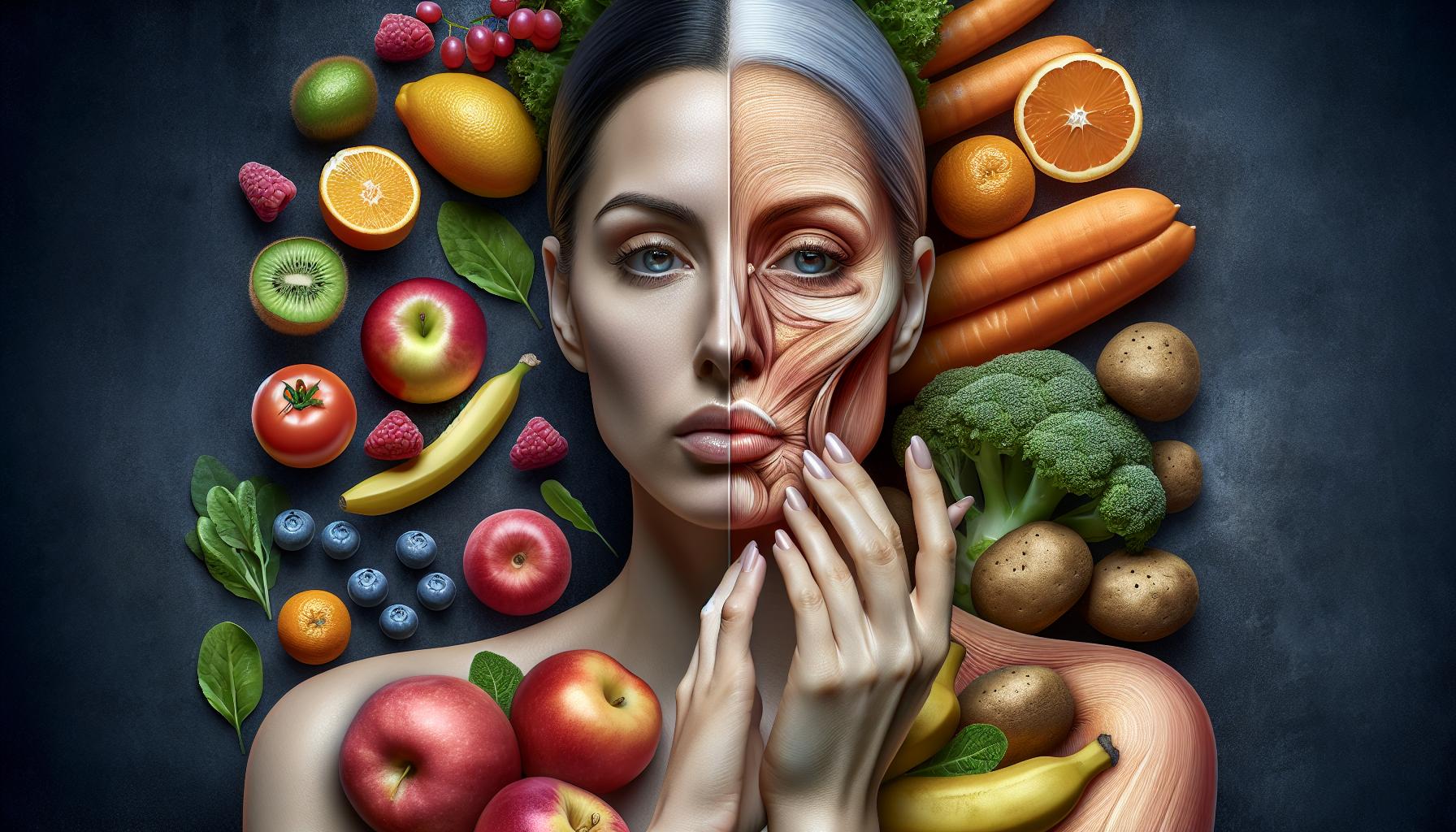
Your skin often reflects what you eat. A balanced diet plays a crucial role in maintaining skin health and combating signs of aging. Increasingly, research shows that specific nutrients can significantly enhance your skin’s appearance and longevity. Many people do not realize that simple dietary changes can lead to significant improvements not only in how they look but also in how they feel.
Here are some key factors that illustrate this connection:
- Antioxidants: Foods rich in antioxidants, such as blueberries, strawberries, and spinach, can neutralize free radicals that damage skin. Research indicates that antioxidants can help reduce the visible signs of aging by defending against oxidative stress. For example, consuming a cup of blueberries a day not only supports brain health but also aids skin vitality by enhancing blood circulation and fostering a youthful glow.
- Healthy Fats: Omega-3 fatty acids found in fatty fish like salmon, walnuts, and flaxseeds support skin hydration and elasticity. These essential fats play a crucial role in maintaining the skin’s lipid barrier, preventing moisture loss. In a study published in the American Journal of Clinical Nutrition, participants who incorporated more omega-3s into their diets reported softer skin and improved texture.
- Vitamins: Vitamins C and E contribute to collagen production, essential for youthful and resilient skin. Foods high in Vitamin C, such as oranges, kiwis, and bell peppers, enhance collagen synthesis. Meanwhile, Vitamin E—found in sources like almonds and spinach—serves as a potent antioxidant that combats skin aging and protects against UV damage.
The American diet is often high in processed and sugary foods, which have been linked to inflammation and various skin issues, including acne and premature aging. On the other hand, a diet abundant in fruits, vegetables, and whole grains can lead to a more vibrant complexion, reducing the risk of skin concerns while promoting overall health.
Moreover, hydration shouldn’t be overlooked. Water intake is vital for skin moisture, and its benefits extend far beyond just thirst-quenching. Research suggests that proper hydration improves skin elasticity and can reduce the depth of wrinkles, providing a more youthful appearance.
As you consider making dietary adjustments for a more radiant appearance, think about integrating foods that nourish your skin from the inside out. Maintaining a balanced diet rich in these vital nutrients not only supports skin health but also enhances your overall well-being, reflecting a lifestyle that values both nutrition and beauty.

DISCOVER MORE: Click here for effective natural remedies
Essential Nutrients for Radiant Skin
When it comes to achieving glowing skin and staving off the effects of aging, the focus on external beauty products often overshadows the significant impact of nutrition. Your skin is an organ that requires a variety of essential nutrients to thrive. Incorporating foods rich in these nutrients can provide your skin not only with what it needs to look its best but also to function optimally.
Let’s delve deeper into the vital nutrients that play a pivotal role in skin health:
- Collagen Builders: As you age, your body’s natural collagen production decreases, contributing to wrinkles and sagging skin. Foods that are high in gelatin, like bone broth, or those that promote collagen production, such as citrus fruits, berries, and leafy greens, should be staples in your diet. A study published in the Journal of Agricultural and Food Chemistry found that regular consumption of vitamin C-rich foods significantly improves skin texture and tone, making it essential for a radiant complexion.
- Phytonutrients: These plant-derived compounds offer substantial benefits for skin health. Tomatoes, carrots, and sweet potatoes provide carotenoids that can enhance skin color and protect against sun damage. Research has shown that diets rich in phytonutrients can decrease the risk of skin-related issues, making colorful fruits and vegetables an important consideration for your skin’s longevity.
- Hydrating Foods: Beyond drinking adequate water, consuming hydrating foods can also contribute to skin health. Items like watermelon, cucumbers, and oranges not only keep you hydrated but also deliver essential vitamins and minerals that fortify your skin. Interestingly, a study in the International Journal of Dermatology indicated that individuals who consumed more hydrating fruits and vegetables reported better skin texture and an increase in overall radiance.
The consequences of nutrient deficiencies can be stark, leading to dry, dull, and prematurely aging skin. For example, a lack of zinc, often found in beans, nuts, and whole grains, can directly result in skin inflammation and slow healing. Additionally, insufficient levels of Vitamin D, primarily obtained from sunlight and fortified foods, have been linked to various skin conditions, demonstrating the importance of a well-rounded diet.
Furthermore, understanding the role of glycemic index in your diet is increasingly relevant. High glycemic foods, such as sweets and white bread, can lead to spikes in insulin, which may result in skin problems like acne and inflammation. Therefore, choosing low-glycemic options, such as whole grains and legumes, can help maintain stable insulin levels and contribute to healthier skin.
In summary, the journey to vibrant skin begins with what you fuel your body with. By prioritizing a diet rich in collagen boosters, phytonutrients, and hydrating foods, you not only enhance your skin’s appearance but also pave the way for long-term health benefits that go hand in hand with aging gracefully.
Diet plays a crucial role in maintaining skin health and mitigating the signs of aging. Evidence suggests that a balanced intake of nutrients can profoundly influence the skin’s texture, elasticity, and overall appearance. Understanding how specific foods and dietary patterns impact skin can empower individuals to make informed choices that promote youthful and vibrant skin.One of the key factors to consider is the role of antioxidants. Foods rich in antioxidants, such as berries, nuts, and leafy greens, combat oxidative stress from environmental factors like UV exposure and pollution. This stress accelerates skin aging, leading to fine lines, wrinkles, and a loss of firmness. By incorporating a variety of colorful fruits and vegetables into the diet, individuals can boost their skin’s defenses against these aging catalysts.Additionally, healthy fats—especially those found in avocados, fish, and nuts—are vital for skin hydration and elasticity. Omega-3 fatty acids, in particular, help maintain the skin’s lipid barrier, which is essential for retaining moisture and preventing dryness. Studies have shown that diets high in healthy fats can lead to improved skin texture and reduced inflammation, further contributing to a more youthful appearance.Furthermore, the intake of vitamins and minerals must not be overlooked. Vitamins A, C, and E, along with minerals like zinc and selenium, are integral to collagen production and skin repair. Collagen is a structural protein that gives skin its strength and elasticity. To ensure adequate levels of these nutrients, individuals should consider incorporating foods like citrus fruits, sweet potatoes, and nuts into their diet.On the flip side, certain dietary choices can be detrimental to skin health. High-glycemic index foods, such as sugary snacks and refined carbohydrates, may trigger acne and promote inflammation. Additionally, excessive alcohol and caffeine consumption can lead to dehydration, impacting the skin’s appearance and accelerating aging processes.As research continues to uncover the intricate relationships between diet and skin health, it’s evident that what we consume significantly affects how our skin ages. Making conscious dietary decisions can lead to healthier, more youthful skin, ultimately reflecting a well-balanced lifestyle. Exploring these connections can inspire readers to rethink their eating habits for the sake of their skin and overall health. In light of these insights, one may be curious about how diet specifically influences skin conditions like eczema or acne. Examining these aspects may lead to even greater understanding and personal growth in dietary choices that support skin health.
| Nutritional Component | Impact on Skin Health |
|---|---|
| Antioxidants | Combat oxidative stress and protect against environmental damage. |
| Healthy Fats | Enhance hydration and improve skin elasticity leading to a youthful appearance. |
| Vitamins & Minerals | Support collagen production and skin repair for maintaining skin structure. |
| Processed Foods | May trigger inflammation and exacerbate skin conditions. |
DISCOVER MORE: Click here for glowing skin recipes
Foods to Embrace and Avoid for Optimal Skin Health
While understanding essential nutrients is fundamental, pairing this knowledge with the right dietary choices can significantly enhance your skin’s health. The foods you choose to incorporate into your daily routine can make a remarkable difference in your complexion, texture, and overall appearance, while others may contribute to premature aging and skin issues.
Let’s explore specific food groups that can either assist or hinder your skin health:
- Antioxidant-Rich Foods: Consuming foods high in antioxidants is paramount in combating oxidative stress that contributes to skin aging. Foods such as blueberries, dark chocolate, and green tea are dense in antioxidants like flavonoids that help neutralize free radicals. A study published in the Journal of Nutrition revealed that a higher intake of antioxidant-rich foods correlates with increased skin elasticity and moisture, showcasing their protective role against aging.
- Healthy Fats: Omega-3 fatty acids, found in fish such as salmon and mackerel as well as flaxseeds and walnuts, are essential for maintaining skin barrier function and reducing inflammation. Omega-3s can enhance skins’ hydration and resilience, reducing the signs of aging. The American Academy of Dermatology emphasizes the significance of healthy fats in your diet, noting that they help in fighting conditions like acne and eczema, promoting smoother and vibrant skin.
- Fermented Foods: Gut health plays a crucial role in skin health, and fermented foods can be a secret weapon in maintaining a balanced microbiome. Foods like yogurt, kimchi, and sauerkraut are loaded with probiotics, which can enhance skin conditions, providing a clearer complexion. Research in the Journal of Clinical and Aesthetic Dermatology found that women who consumed probiotics experienced marked improvements against skin irritation and accelerated healing.
Conversely, certain dietary choices can be detrimental to skin health:
- Processed Sugars: High sugar foods and beverages can lead to glycation—a process where sugar molecules bind to proteins, like collagen and elastin, making them stiff and less elastic. This ultimately leads to sagging skin and fine lines. Research indicates that individuals with high sugar diets experience accelerated skin aging; as such, a shift towards a low-sugar, nutrient-dense diet can be profoundly beneficial.
- Excessive Alcohol: While moderate alcohol consumption may not harm your skin, excessive intake can lead to dehydration and inflammation, accelerating the aging process. Alcohol acts as a diuretic, which can strip the skin of its moisture, resulting in dryness and a lack of vitality. The Substance Abuse and Mental Health Services Administration warns against the negative impacts of alcohol on skin health, emphasizing the importance of moderation.
- High Sodium Foods: A diet high in sodium can lead to fluid retention and puffiness, particularly around the eyes. Processed and packaged foods, along with fast food, often contain excessive amounts of salt that can hinder your skin’s appearance. Opting for fresh, whole foods not only minimizes sodium intake but also contributes to a healthier skin profile.
By making informed dietary decisions, you have the power to significantly impact your skin’s health and aid in the aging process. Incorporating antioxidant-rich foods, healthy fats, and fermented items while avoiding processed sugars, excessive alcohol, and sodium can set you on the path to vibrant skin health. As you consider your dietary choices, remember that your skin reflects not only what you apply externally but also what you nourish your body with from within.
DISCOVER MORE: Click here to learn about the benefits
Conclusion: Nourishing Your Skin from Within
As we explore the impact of diet on skin health and aging, it becomes increasingly clear that what we consume plays a pivotal role in the vitality of our skin. A robust diet abundant in antioxidant-rich foods, healthy fats, and fermented items can empower our skin, preserving its resilience and promoting a youthful glow. The findings emphasize the necessity of recognizing how certain choices, such as excess sugars, high sodium, and alcohol, can thwart our skin’s natural beauty, accelerating the aging process.
Incorporating nutrient-dense options like berries, fatty fish, and probiotics should be seen not as a mere recommendation but as an essential strategy for maintaining optimal skin health and slowing down the effects of aging. Research supports the concept that these dietary changes can notably enhance skin hydration, elasticity, and complexion, providing a scientific basis for the adage, “you are what you eat.” With this knowledge, individuals are empowered to make informed dietary choices that directly benefit their skin.
Ultimately, the connection between diet and skin aging cannot be overstated; it invites us to take a holistic approach towards wellness, recognizing that true beauty emanates from within. By prioritizing our diet, we can nourish not only our skin but also our overall well-being, paving the way for a healthier, more radiant future. As we continue to investigate the profound relationship between our food and our skin, let each meal serve as an opportunity to cultivate health and vitality.