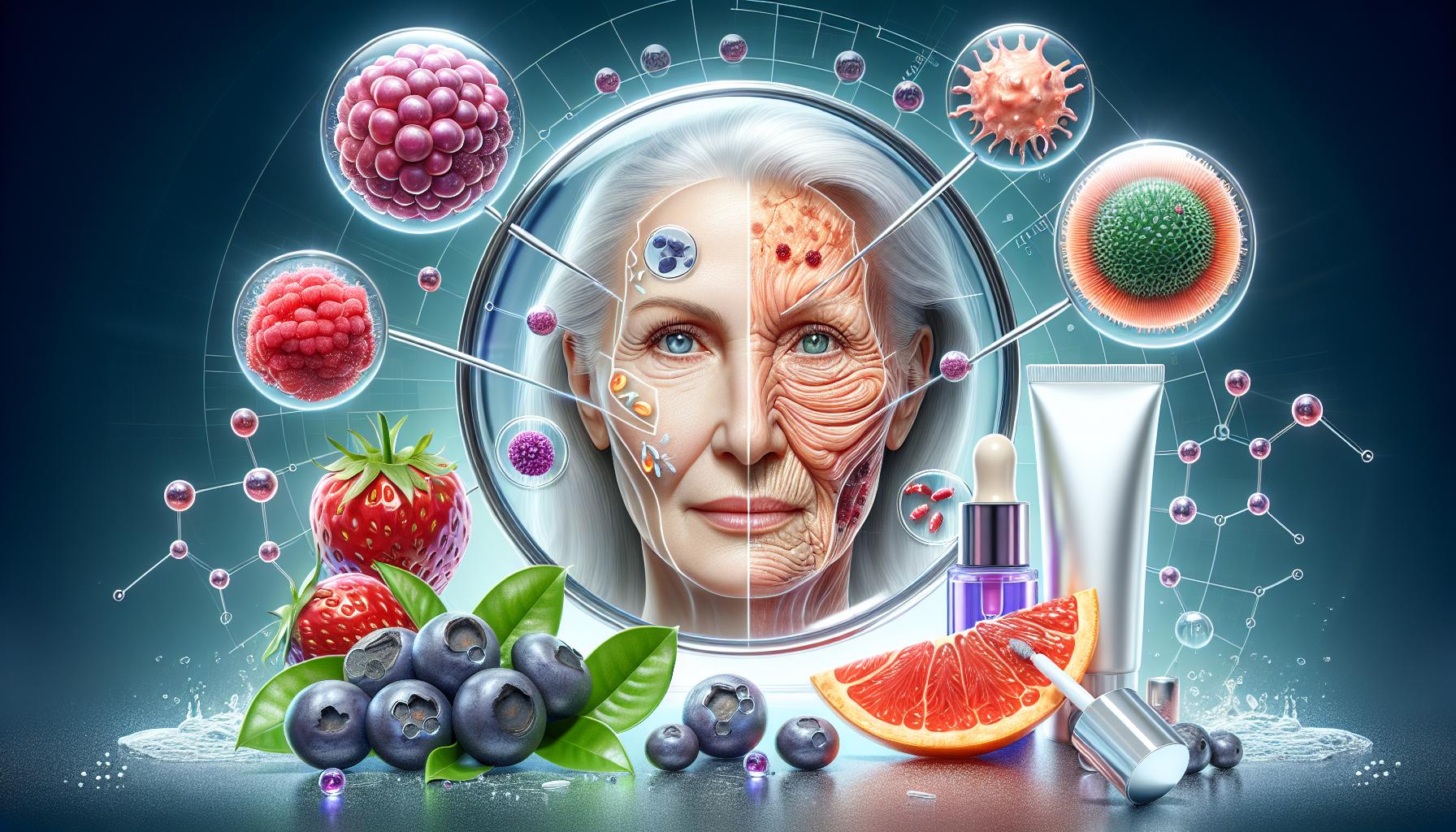
The Importance of Nutrition in Preventing Skin Aging
Nourishing Your Skin from Within
As we age, our skin undergoes various changes, some of which are inevitable. However, the role of nutrition in maintaining youthful skin is often underestimated. A well-balanced diet can significantly influence the aging process, particularly in the skin’s appearance. The food we consume is not merely fuel; it contributes to the overall health and vitality of our skin.
Key nutrients play a crucial role in skin health, including:
- Vitamins, particularly A, C, and E, are essential for supporting skin repair and rejuvenation. For example, vitamin C, found in citrus fruits and strawberries, promotes collagen synthesis, which enhances skin firmness and elasticity.
- Antioxidants, which are abundant in fruits and vegetables, combat free radicals known to accelerate skin aging. Foods such as blueberries and dark chocolate are loaded with antioxidants that help protect the skin from environmental stressors.
- Healthy fats, like omega-3 fatty acids sourced from fish like salmon and walnuts, maintain skin elasticity and hydration, preventing dryness and flakiness.
Research suggests that dietary choices directly impact the skin’s structure and function. For instance:
- Processed foods high in sugars and unhealthy fats may increase inflammation, a significant factor that accelerates skin aging. Evidence shows that diets rich in refined carbohydrates can lead to glycation, where sugar molecules bind to proteins, damaging collagen and elastin fibers in the skin.
- Hydration through adequate water intake is crucial for enhancing skin moisture levels. Many experts recommend drinking at least eight 8-ounce glasses of water daily to maintain skin plumpness and elasticity.
- Superfoods such as berries, nuts, and leafy greens contribute to overall dermal health. Incorporating a variety of colorful fruits and vegetables into your diet ensures an array of beneficial nutrients, promoting a radiant complexion.
By understanding how nutrition affects skin aging, you can take proactive steps to protect your skin. Transitioning towards a diet rich in whole, unprocessed foods can not only enhance your skin’s appearance but also improve your overall health. Consider embracing ingredients like avocado, rich in vitamins and healthy fats, or sweet potatoes, which are packed with beta-carotene and promote skin cell turnover.
As we delve deeper into this topic, explore the ways your diet can become your best ally in maintaining a youthful glow. Your choices today can yield lasting benefits, paving the way for healthier, more vibrant skin for years to come. Don’t just think of food as sustenance; let it be a source of beauty and wellness, nourishing your skin from the inside out.
DIVE DEEPER: Click here to discover how essential oils can elevate your beauty regimen
The Role of Vitamins in Skin Vitality
Understanding the connection between nutrition and skin aging is essential for those seeking to maintain a vibrant and youthful complexion. Vitamins serve as key players in this arena, with each having unique properties that contribute to skin health. Among the various vitamins, A, C, and E stand out as the most impactful.
Vitamin A, available in foods like carrots and sweet potatoes, is essential for cell production and regeneration. This vitamin helps maintain skin’s moisture levels and promotes the proliferation of new skin cells, resulting in a fresher and more luminous appearance. Its derivative, retinol, is a common ingredient in anti-aging skincare products, emphasizing its importance in both diet and topical applications.
Vitamin C, often touted as a skincare hero, plays an integral role in the synthesis of collagen—an essential protein that maintains skin structure and firmness. Abundant in citrus fruits, strawberries, and bell peppers, this vitamin not only supports skin elasticity but also works as a potent antioxidant, shielding the skin from harmful free radicals generated by UV exposure and pollution. Research indicates that increased intake of vitamin C can lead to a noticeable reduction in the appearance of fine lines and wrinkles.
Meanwhile, vitamin E works synergistically with vitamin C to enhance skin protection. Found in nuts, spinach, and avocados, vitamin E boasts excellent antioxidant properties that help combat oxidative stress. This fat-soluble vitamin is crucial for maintaining skin moisture and elasticity, preventing the drying effects of aging. Its presence in various foods encourages a barrier that protects the skin from environmental damage, thereby slowing down the aging process.
Antioxidants: The Defense Against Skin Aging
In addition to vitamins, antioxidants play a pivotal role in preventing skin aging. These compounds are primarily found in colorful fruits and vegetables and are known for their ability to neutralize free radicals, that damage skin cells. Incorporating foods rich in antioxidants into your diet offers a natural defense against various skin issues, including hyperpigmentation and loss of elasticity.
- Berries: Blueberries, raspberries, and blackberries are particularly rich in antioxidants such as flavonoids, which contribute to skin protection and repair.
- Green Tea: Packed with polyphenols, green tea offers a double whammy by not only protecting the skin from sun damage but also promoting skin healing.
- Dark Chocolate: The flavonoids in dark chocolate can stimulate circulation and improve skin hydration, presenting a delicious way to support skin health.
As you explore the myriad of options available, it becomes evident that adopting a diet rich in essential vitamins and antioxidants is a vital step in your skincare journey. These nutrients not only contribute to the health of your skin but can also ward off signs of aging, allowing you to maintain that coveted youthful glow. Prioritizing your nutritional intake is an investment in long-term skin health and vitality.
The Role of Vitamins and Antioxidants in Skin Health
Nutrition significantly influences skin health, with a focus on vital nutrients that combat aging. Vitamins C and E are both powerful antioxidants, key players in the fight against oxidative stress, which accelerates skin aging. Vitamin C not only supports collagen production but also protects the skin from UV damage, while Vitamin E enhances skin hydration and improves overall texture.In addition to vitamins, antioxidants such as flavonoids found in fruits and vegetables help neutralize free radicals, thus preserving skin’s youthfulness. Incorporating foods rich in these nutrients, like berries, citrus fruits, nuts, and green leafy vegetables, can promote a radiant complexion.
The Impact of Omega-3 Fatty Acids
Another essential aspect of nutrition is the inclusion of omega-3 fatty acids which are renowned for their anti-inflammatory properties. Foods like salmon, walnuts, and flaxseeds are excellent sources. These healthy fats maintain the skin’s lipid barrier, ensuring moisture retention and preventing dryness that often leads to premature aging. By including omega-3s in your diet, not only do you support a youthful appearance, but you also enhance the skin’s resilience.
A Hydration-Centric Diet
Hydration plays a crucial role in maintaining skin elasticity. Drinking enough water daily and consuming hydrating foods such as cucumbers, oranges, and soups can keep the skin plump and supple. Dehydrated skin is more prone to wrinkles and fine lines, hence the importance of hydration becomes paramount in a comprehensive anti-aging strategy.By making conscientious dietary choices and focusing on nutrient-rich foods, you can effectively harness the power of nutrition in the fight against skin aging. The journey to healthier skin through nutrition is not just a diet; it’s a lifestyle that can yield substantial benefits over time.
DIVE DEEPER: Click here to discover the benefits of hydration for your skin
Essential Fatty Acids: The Building Blocks of Youthful Skin
While vitamins and antioxidants play a crucial role in maintaining skin vitality, essential fatty acids are equally important for combating skin aging. These healthy fats are primarily found in fatty fish, flaxseeds, walnuts, and olive oil. They help maintain the skin’s lipid barrier, which is pivotal for retaining moisture and keeping the skin plump and elastic.
Omega-3 fatty acids, found in fish such as salmon and mackerel, offer impressive anti-inflammatory properties that can soothe irritated skin and reduce redness. These fatty acids help regulate oil production and contribute to a balanced complexion. Additionally, research has shown that a diet rich in omega-3s can enhance skin hydration, which is particularly beneficial for aging skin that tends to lose moisture more readily.
Other essential fatty acids, such as omega-6 found in safflower and sunflower oils, are crucial for skin barrier function. The combination of omega-3 and omega-6 fatty acids helps fight off free radicals and promotes skin regeneration. A diet that includes a healthy ratio of these fats can give your skin a more supple appearance and support overall skin integrity.
Hydration: The Underestimated Factor in Skin Aging
Another vital aspect of nutrition often overlooked is hydration. The body’s natural moisture balance is fundamental to maintaining skin elasticity and reducing the visibility of fine lines. Water-rich foods like cucumbers, watermelon, and celery contribute to overall hydration levels, which in turn impacts the skin’s ability to ward off aging signs.
- Herbal Teas: Many herbal teas, such as chamomile and hibiscus, not only provide hydration but are also rich in antioxidants that help to soothe and protect the skin.
- Soups and Broths: These nourishing options can boost hydration while being a good source of minerals that support skin health.
- Fruits and Vegetables: High-water-content fruits and vegetables not only hydrate but also provide essential vitamins and phytonutrients that aid in skin repair.
Incorporating a variety of these hydration-rich foods into your diet ensures that your skin remains plump, minimizing the appearance of aging. You might be surprised to learn that even mild dehydration can lead to dryness and dullness, making it essential to drink adequate water in tandem with consuming hydrating foods.
The Impact of a Balanced Diet on Skin Microbiome
Emerging research has begun to highlight the importance of the skin microbiome in relation to skin health. A balanced diet that fosters a healthy gut microbiome may have downstream effects on the skin. Fermented foods, such as yogurt, kimchi, and sauerkraut, are known to enhance gut health and, in turn, may contribute to improved skin vitality.
Studies suggest that a diverse microbiome can counteract inflammatory skin conditions such as eczema and psoriasis. Furthermore, probiotics found in these fermented foods can help regulate skin barrier function, leading to a reduction in signs of aging. The link between gut health and skin aging has opened a new avenue for nutritional exploration, emphasizing the role of what we consume in achieving healthier skin.
Ultimately, understanding and integrating these components—essential fatty acids, hydration, and a balanced diet—into your nutritionally rich lifestyle is essential for effectively combating skin aging. With conscious choices, you can support your skin’s health from the inside out.
DISCOVER MORE: Click here to find out how functional foods can rejuvenate your skin
Conclusion: Nourishing Your Skin from Within
In conclusion, the ongoing battle against skin aging can be significantly influenced by nutritional choices. By embracing a diet rich in essential fatty acids, ensuring adequate hydration, and fostering a balanced gut microbiome, you can actively promote a youthful appearance and enhance your skin’s resilience. Key foods like fatty fish, nuts, and hydrating fruits not only contribute to the skin’s health but also serve as building blocks for a radiant complexion.
Understanding the multifaceted relationship between nutrition and skin aging invites you to reconsider your eating habits. By integrating anti-inflammatory foods and hydration-rich options into your daily routine, you can nourish your skin from the inside out, thereby minimizing the visible effects of aging. The power of a diverse and nutrient-dense diet extends beyond the realms of physical health, significantly impacting your confidence and overall well-being.
As we continue to uncover the intricate connections between what we consume and how our skin ages, it becomes increasingly clear that making informed dietary choices is a vital step toward prevention. So, the next time you consider your skin care regimen, remember that the foundation for youthful skin begins with your plate. Embrace the journey to healthier skin through mindful nutrition, and let your natural beauty shine through for years to come.