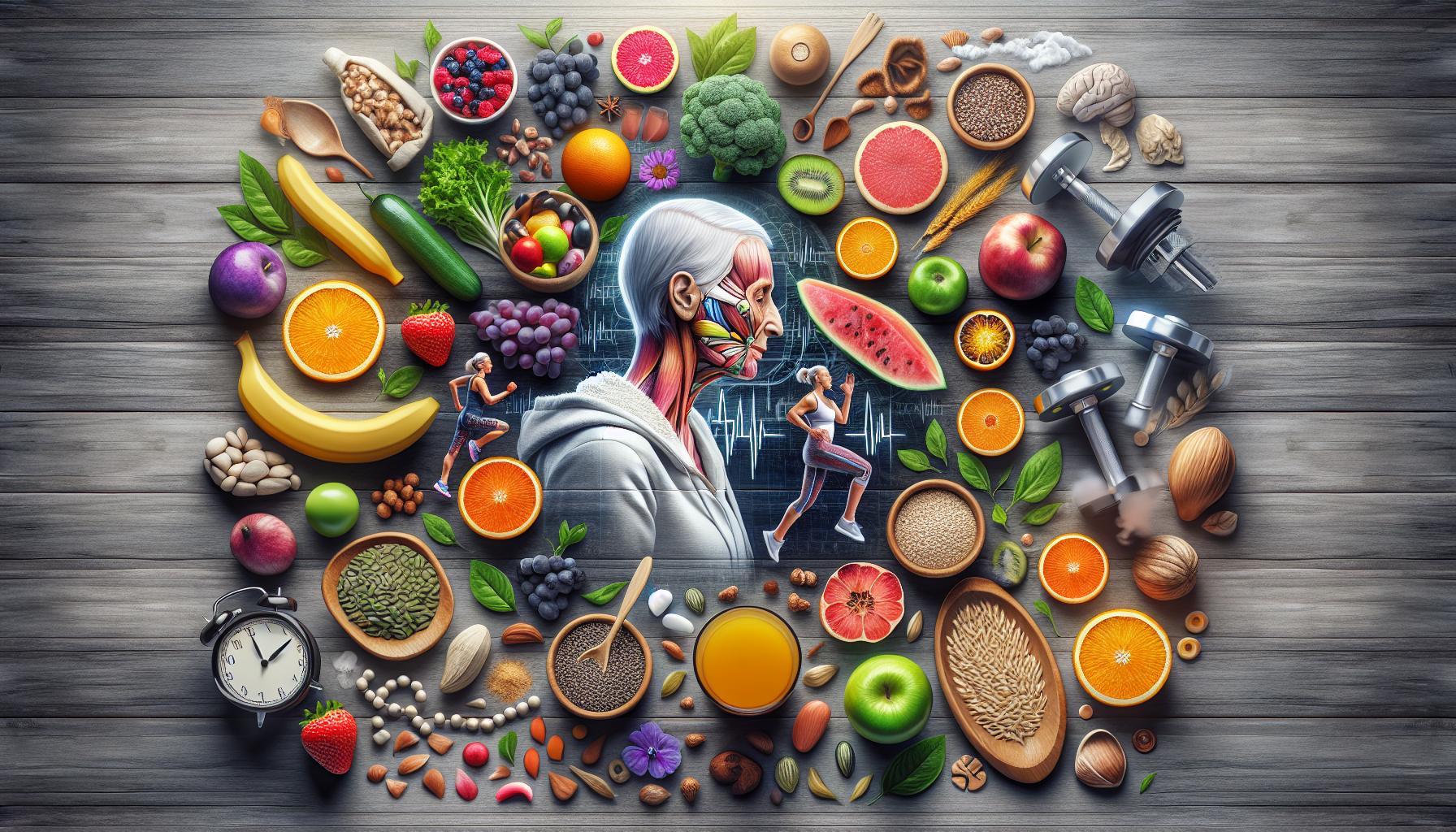
The Influence of Anti-Inflammatory Diet on Skin Health and Longevity
Unlocking the Secrets to Radiant Skin
Our skin is a remarkable indicator of overall health, often reflecting what we eat. Adopting an anti-inflammatory diet can transform not only the vitality of our skin but also enhance longevity. This approach focuses on foods that combat inflammation, promoting a clearer complexion and better overall well-being.
What Is an Anti-Inflammatory Diet?
At its core, an anti-inflammatory diet is centered around incorporating foods that reduce inflammation in the body while eliminating those that contribute to it. This paradigm shift in eating habits can lead to numerous health benefits, particularly in relation to skin health.
- Fruits and Vegetables: These are rich in antioxidants, powerful compounds that protect skin cells from damage. Berries, such as blueberries, strawberries, and blackberries, are excellent examples, as they contain high levels of vitamins C and E, which support collagen production and skin repair. Leafy greens like spinach and kale, rich in vitamins A, C, and K, are also vital for skin health. Tomatoes, abundant in lycopene, have been shown to reduce UV damage, further promoting a glowing complexion.
- Healthy Fats: Incorporating sources like olive oil, nuts, and fatty fish such as salmon and mackerel is crucial. Omega-3 fatty acids found in these foods not only support skin hydration but also help in reducing redness and acne flare-ups. For instance, walnuts are a fantastic plant-based source of omega-3s, offering a crunchy snack that benefits your skin.
- Whole Grains: Foods like quinoa, brown rice, and farro are great choices to sustain energy levels while helping maintain stable blood sugar levels. High-fiber whole grains prevent insulin spikes that can lead to inflammation, which is often linked to acne and other skin issues.
Research shows that chronic inflammation can lead to conditions like acne, psoriasis, and premature aging. By integrating these anti-inflammatory foods into your diet, the skin can rejuvenate and foster health from within. Studies have demonstrated that individuals who adhere closely to this dietary pattern often experience fewer skin-related issues and enhanced overall vitality.
Why It Matters
In America, where processed foods abound, the need for an effective dietary strategy is paramount. Many common products—rich in sugars and unhealthy fats—can exacerbate inflammation and exacerbate skin conditions. On the other hand, an anti-inflammatory approach not only addresses skin issues but could also extend lifespan by reducing the risk of chronic diseases such as diabetes and heart disease.
Curious to learn how simple dietary changes can elevate your skin health and longevity? Let’s dive into the fascinating link between your plate and your complexion. New research continues to emerge, revealing the profound impact that our food choices have on skin vitality and overall health. By making these thoughtful adjustments, you can unlock the door to a healthier, more radiant you.
LEARN MORE: Click here for natural solutions
The Connection Between Diet and Skin Vitality
The relationship between diet and skin health has become an increasingly popular topic among researchers and health enthusiasts alike. When exploring the influence of an anti-inflammatory diet on skin health and longevity, it’s essential to understand how our food choices can shape our skin’s appearance and overall well-being. Chronic inflammation, often rooted in poor dietary habits, can manifest in various skin conditions such as acne, eczema, and accelerated aging. By adopting an anti-inflammatory diet, individuals may not only improve their skin health but also pave the way for a longer, healthier life.
The Science of Inflammation
Inflammation is the body’s natural response to injury or infection; however, when it becomes chronic, it can wreak havoc on skin health and contribute to a host of diseases. The foods we consume can either mitigate or exacerbate this inflammatory response. Processed foods, refined sugars, and unhealthy fats can fuel inflammation, leading to issues like flared-up skin and even conditions such as psoriasis. Conversely, incorporating anti-inflammatory foods into our meals can significantly lower inflammation levels.
- Spices and Herbs: Turmeric and ginger are two powerful anti-inflammatory spices that are incredibly beneficial for skin health. Curcumin, the active compound in turmeric, has been shown to combat inflammation and may help reduce acne scars and improve skin texture. Similarly, ginger has antioxidative properties that can help enhance circulation and skin radiance.
- Prioritizing Hydration: Staying adequately hydrated is another vital component of an anti-inflammatory diet. Water plays a critical role in detoxification and helps maintain skin elasticity, ensuring that the complexion remains youthful and supple. Herbal teas, like green tea, also offer anti-inflammatory benefits, providing a delicious twist to hydration.
- Probiotics: The connection between gut health and skin has garnered considerable attention in recent years. Foods rich in probiotics, such as yogurt, kefir, and fermented vegetables, can help balance gut bacteria, leading to reduced inflammation and improved skin issues like acne and rosacea.
Adhering to an anti-inflammatory diet not only addresses immediate skin concerns but also promotes long-term skin vitality. By focusing on nutrient-dense foods that soothe inflammation, individuals may witness transformative effects on their overall health. Endorsing a diet rich in colors, flavors, and diversity – alongside consistent hydration – offers a natural approach to nurturing both skin and body.
Practical Implementation of an Anti-Inflammatory Diet
Understanding the principles behind an anti-inflammatory diet is the first step, but implementing these changes into daily life is where the true challenge lies. A simple yet effective way to begin is by gradually replacing processed foods with fresh, whole food options. For instance, swapping out sugary snacks for a handful of nuts or whole fruit can lead to tangible improvements in skin health.
Engaging in meal planning, trying new recipes, and exploring various cuisines can also reignite excitement around healthy eating. Whether it’s attending a local farmer’s market or experimenting with recipes that highlight seasonal produce, the journey towards an anti-inflammatory diet can be both enjoyable and rewarding.
Are you ready to embrace the potential benefits of an anti-inflammatory diet? Exploring this relationship between diet, skin health, and longevity can lead you down an enriching path of nourishment and vitality.
| Advantage | Details |
|---|---|
| Reduction of Inflammation | An anti-inflammatory diet is rich in omega-3 fatty acids, found in foods like salmon and flaxseeds, which can significantly reduce skin inflammation. |
| Improved Skin Elasticity | Consuming antioxidants, such as those in berries and nuts, helps in the production of collagen, ensuring skin elasticity and reducing the appearance of aging. |
| Enhanced Radiance | Vitamins C and E can help enhance skin radiance and overall complexion, supporting a youthful glow. |
| Longevity Benefits | Research suggests that an anti-inflammatory diet contributes to longevity by reducing age-related diseases linked with inflammation. |
The connection between an anti-inflammatory diet and skin health extends far beyond immediate physical benefits. Incorporating specific nutrients into your diet can improve not just your appearance but also your overall health in the long run. For instance, diets rich in vitamin D from foods like fortified dairy, fatty fish, and eggs can help combat conditions such as acne, psoriasis, and eczema, while also playing a role in maintaining immunity.Moreover, antioxidants present in various fruits, vegetables, and whole grains provide a defensive mechanism against oxidative stress. This oxidative damage is linked to chronic skin conditions and accelerated aging. Emerging studies continue to validate these observations, revealing exciting insights into how nutrition impacts skin health and longevity beyond standard dietary recommendations. The key lies in integrating an array of colorful, nutrient-dense foods targeting inflammation, thus paving the way for a more resilient and vibrant complexion. As more research unfolds, the narrative surrounding diet’s role in enhancing skin vitality becomes increasingly compelling, urging enthusiasts of wellness and nutrition to explore these benefits further.
DISCOVER MORE: Click here to learn how coffee can rejuvenate your skin
Transformative Effects of Nutrient-Dense Foods
As we navigate the intricate relationship between an anti-inflammatory diet and its impact on skin health, it becomes clear that certain nutrient-dense foods can act as powerful allies in combating chronic inflammation. One of the key components is Omega-3 fatty acids, predominantly found in fatty fish like salmon, mackerel, and sardines. These essential fatty acids have been extensively studied for their anti-inflammatory properties and their ability to promote skin integrity. Moreover, they are linked to higher skin hydration levels and improved elasticity, factors that contribute significantly to a youthful appearance.
Additionally, incorporating an array of colorful fruits and vegetables into your meals can provide a wealth of antioxidants. Berries, spinach, and bell peppers are just a few examples that are rich in vitamins C and E, both known for their skin-rejuvenating capabilities. Vitamin C is crucial in collagen production, fortified by the synergistic effects of vitamin E, which protects skin cells from damage by free radicals. Such nutrient combinations not only improve skin texture and glow but also may reduce the signs of aging.
Understanding the Role of Sugar and Processed Foods
Another aspect worth discussing is the impact of refined sugars and highly processed foods on the skin. Research suggests that a diet high in sugar can lead to glycation—a process where sugar molecules bond with proteins, damaging collagen and elastin in the skin. This reaction can accelerate aging, resulting in wrinkles and loss of firmness. Moreover, processed foods often contain inflammatory additives, preservatives, and unhealthy fats, which can lead to skin flare-ups and exacerbate conditions like acne and eczema.
To combat this, individuals seeking improved skin health might consider monitoring their sugar intake and opting for whole grains and naturally sweetened alternatives. Quinoa, brown rice, and oats are excellent choices that provide sustenance without the inflammatory punch of refined carbohydrates.
The Role of Lifestyle Factors
While diet plays a pivotal role in influencing skin health and longevity, lifestyle factors also contribute significantly. Regular physical activity has been shown to enhance circulation, aiding the delivery of vital nutrients to skin cells. Furthermore, engaging in mindfulness practices such as yoga or meditation can help reduce stress levels—known contributors to inflammation and, consequently, various skin conditions.
Quality sleep should not be overlooked either. During sleep, the body undergoes a reparative process, facilitating the healing of cells, including those in the skin. Poor sleep patterns can lead to increased cortisol levels, leading to inflammation and negative effects on skin quality. Therefore, integrating restorative practices and prioritizing sleep hygiene are essential components of a holistic approach to maintaining skin health.
Exploring Supplement Options
For those already adhering to an anti-inflammatory diet but still seeking to enhance skin vitality, supplements might offer additional support. Omega-3 supplements such as fish oil or algae oil, collagen peptides, and curcumin extracts can further bolster the skin’s resilience against inflammation. However, it is crucial to consult with a healthcare provider before introducing new supplements to one’s regimen.
Overall, the journey towards optimal skin health does not rely solely on a single dietary choice but rather a comprehensive lifestyle approach. By focusing on nutrient-dense foods, engaging in regular exercise, managing stress, and facilitating proper sleep, individuals can unlock a pathway to not only healthier skin but also extended longevity.
DIVE DEEPER: Click here to discover more
Conclusion: Embracing the Anti-Inflammatory Approach for a Radiant Future
In summary, the influence of an anti-inflammatory diet on skin health and longevity cannot be overstated. It is evident that the food we consume has profound implications not just for our internal wellness, but also for the vitality and appearance of our skin. By prioritizing nutrient-dense foods rich in Omega-3 fatty acids, antioxidants, and vitamins, individuals can combat chronic inflammation—an underlying factor behind many skin issues and signs of aging.
The detrimental effects of refined sugars and processed foods further emphasize the importance of mindful eating choices. Transitioning toward whole, unprocessed options is not merely a diet change but a lifestyle transformation that can lead to improved skin texture, hydration, and resilience. Moreover, integrating lifestyle factors such as regular physical activity, stress management techniques, and quality sleep enhances the body’s natural ability to promote skin health.
Additionally, the potential role of supplements may serve as supportive allies in the quest for exceptional skin. However, it is advisable to consult with healthcare professionals to tailor an approach that fits individual needs. Ultimately, adopting an anti-inflammatory diet is more than a health trend; it is a holistic strategy for promoting not only radiant skin but also a longer, healthier life.
As we seek to embrace these principles, it invites a broader reflection—how can we continue to nurture our bodies, both inside and out? Exploring this question may unveil new paths towards achieving our wellness and beauty goals. Thus, embarking on this journey may ultimately pave the road to brighter futures, where skin health and longevity go hand in hand.