The Role of Animal Testing in Cosmetics: An Ethical and Legal Analysis
Ethical Considerations
The use of animals in testing cosmetics raises profound ethical concerns that resonate deeply with the public. Critics argue that subjecting animals to experiments, often involving painful procedures and confinement, is inherently wrong. For example, rabbits, guinea pigs, and mice are frequently used in toxicity tests, where they are exposed to chemical substances to assess safety profiles. This has led to a growing movement advocating for the rights and welfare of these animals, compelling many consumers to rethink their purchasing habits.
Figures released by organizations like the Humane Society International show that approximately 100 million animals are used annually in laboratories worldwide, not just for cosmetics but for various forms of testing. The emotional toll this practice takes on animal rights advocates and the general public is significant, prompting calls for more humane alternatives.
Legal Frameworks
The legal landscape surrounding animal testing is complex and varies significantly across jurisdictions. In the United States, while the Federal Food, Drug, and Cosmetic Act ensures the safety of products, it does not explicitly require animal testing. This allows companies the latitude to choose different testing methods. In states like California, however, laws have emerged to prohibit the sale of cosmetics tested on animals, reflecting a shift towards more stringent regulations. Such discrepancies can lead to consumer confusion about which brands prioritize ethical practices and which do not.
Internationally, regulations also differ. For example, the European Union has implemented a complete ban on animal testing for cosmetics since 2013, making it one of the most progressive regions regarding animal welfare in beauty product development. This contrast can significantly influence global cosmetic companies and how they approach their testing protocols.
Alternatives to Animal Testing
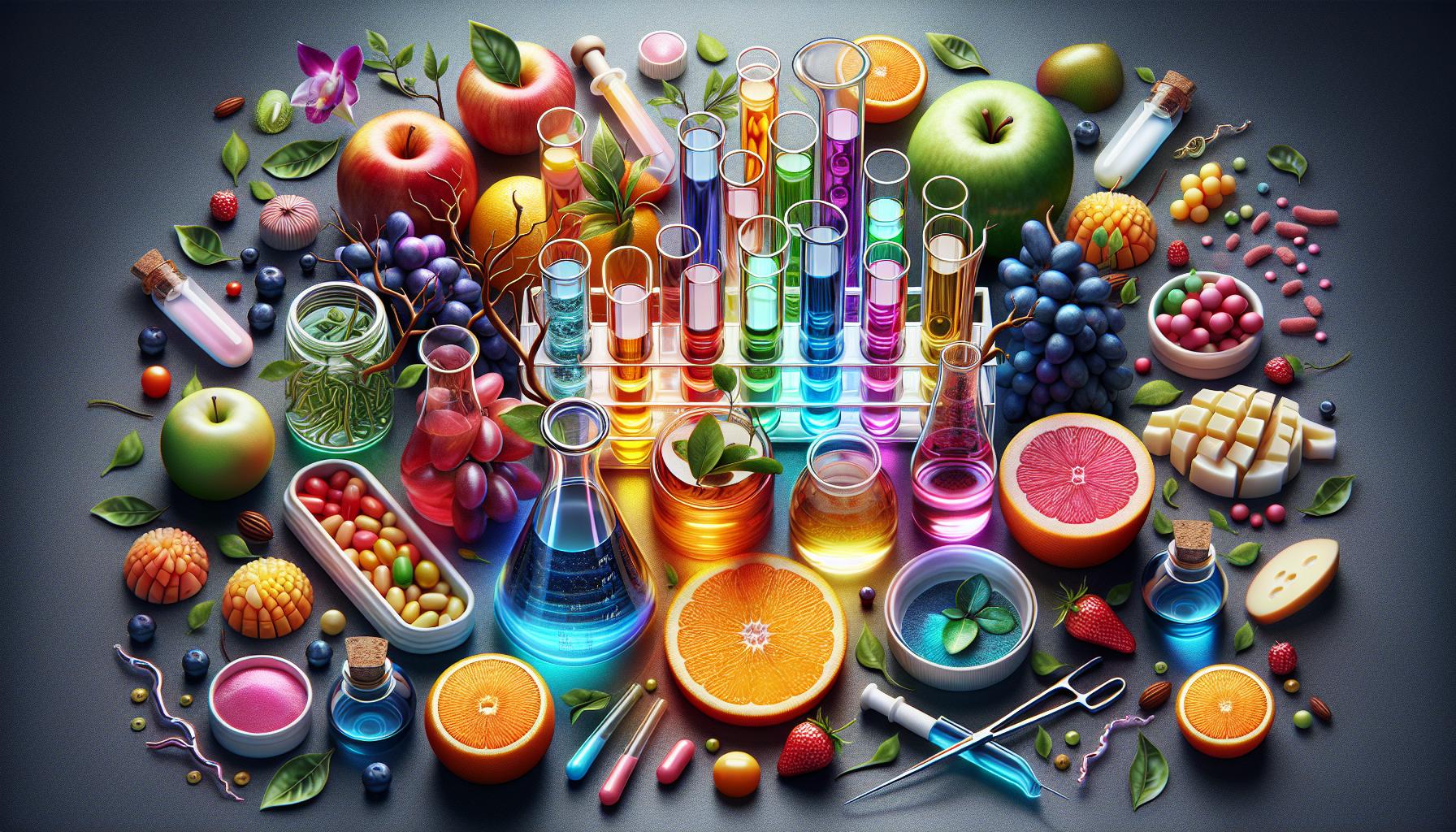
The quest for more ethical consumer products has catalyzed remarkable advancements in alternative testing methods. In vitro testing, which involves experiments conducted on cell cultures rather than live animals, has emerged as a promising avenue. These methods can replicate biological conditions more accurately and often provide faster, more relevant data regarding human safety. Furthermore, computer modeling allows scientists to simulate human reactions to substances, producing reliable results without the ethical concerns associated with animal testing.
In the United States, organizations like the National Institutes of Health are funding research into these alternative approaches, further emphasizing the potential of non-animal testing methods in the cosmetics industry. Companies that embrace these techniques often advertise their commitment to animal welfare, appealing to a growing demographic of ethically-minded consumers.
Conclusion
As society progresses toward a heightened awareness of animal rights and consumer safety, the dialogue surrounding animal testing in cosmetics becomes increasingly pivotal. Growing public advocacy, legal changes, and scientific innovations juxtapose the traditional methods of testing, creating a dynamic marketplace. Understanding these complexities not only informs consumer choices but also paves the way for a future rooted in ethical integrity and innovative practices within the beauty and cosmetics industry. Keeping an eye on emerging regulations and advancements offers insights into the evolving nature of this important issue.
DIVE DEEPER: Click here to learn how sleep impacts your skin health
Understanding the Ethical Dimension
The ethical implications of animal testing in cosmetics present a challenging dilemma for consumers and companies alike. As society becomes more conscious of animal rights, a significant shift in perspectives has surfaced. Many advocate that animals, like humans, possess an intrinsic right to be protected from harm, placing much emphasis on the emotional and psychological distress these creatures endure during testing. For instance, the visually poignant imagery of laboratory animals confined to cages, subjected to severe testing protocols, forms the crux of ethical debates.
Beyond the humane treatment of animals, the ethical conversation extends to consumer responsibility. Many consumers may unknowingly purchase products that rely on outdated testing techniques. This growing awareness has prompted a demand for transparency in product labeling and the sourcing of ingredients, further highlighting the responsibility of brands. The ethical discourse revolves around several pivotal questions:
- Should the pursuit of beauty and cosmetic enhancement justify the suffering of sentient beings?
- How can transparency in testing procedures foster consumer trust and ethical responsibility?
- What alternatives exist that both ensure product safety and align with ethical treatment of animals?
As these discussions unfold, the demand for ethical considerations in the cosmetics industry continues to shape consumer preferences. A large segment of the population now actively seeks out products marked as cruelty-free, aligning their purchasing power with their ethical beliefs. This shift has led to a surge in brands reformulating their strategies to appeal to the ethically conscious consumer, seeking validation through certifications and endorsements from animal welfare organizations.
The Impact of Legal Regulations
Legal regulations worldwide have increasingly integrated ethical considerations regarding animal testing. In the European Union, the outright ban on animal testing for cosmetics not only underscores a commitment to animal welfare but also sets a benchmark for other regions worldwide. Contrastingly, in the United States, the legal framework remains less cohesive, with the Federal Food, Drug, and Cosmetic Act not mandating animal testing but allowing manufacturers to use it as a standard practice if they choose to do so. This regulatory gap presents both challenges and opportunities for reform.
State-level initiatives like California’s legislation restricting the sale of cosmetics tested on animals are a testimony to the evolving legal landscape. This inconsistency between federal and state laws leads to complexities within the cosmetics industry, influencing the decisions of brands who wish to operate responsibly while navigating a legal maze. As consumers become more informed, their expectations for brands to comply with ethical and legal standards grow, compelling many companies to adapt swiftly to prevent backlash and maintain market share.
Together, the intertwining ethical considerations and legal frameworks drive a notable transformation in how cosmetics are tested and marketed. As these elements continue to evolve, they reflect a broader societal shift toward prioritizing animal welfare in the pursuit of beauty, urging both industry leaders and consumers to navigate this landscape with mindfulness and intent.
| Ethical Considerations | Legal Frameworks |
|---|---|
| The morality of using animals for testing products raises significant ethical concerns. Campaigns from animal welfare organizations emphasize the suffering inflicted on animals during testing processes. | In many regions, legal regulations govern the use of animal testing in cosmetics, reflecting growing public sentiment against the practice. Some countries have implemented bans or restrictions, forcing companies to consider alternative testing methods. |
| Animals in laboratories often experience pain, distress, and long-term suffering. Activist perspectives highlight the need for humane alternatives and consumer awareness. | The EU’s regulatory framework on animal testing represents a significant step forward, demanding transparency and adoption of non-animal testing methods, impacting global practices. |
The ethical and legal aspects surrounding animal testing in cosmetics provoke intense debates. Examining these dimensions reveals a landscape where the rights of animals intersect with consumer safety and corporate responsibilities. The evolving standards reflect societal values that increasingly prioritize ethical treatment of living beings, prompting the cosmetics industry to adapt or risk losing market credibility. As consumers become more conscious of the origins of their products, the pressure for brands to adopt cruelty-free practices intensifies.
DISCOVER MORE: Click here for the benefits of natural ingredients
Alternatives to Animal Testing: Innovations for Ethical Advancement
As the dialogue surrounding animal testing continues to intensify, it is essential to explore the innovative alternatives that are emerging within the cosmetics industry. These alternatives not only offer humane substitutes but also embrace advancements in technology and science that promise safety without the ethical dilemmas associated with animal testing.
One notable alternative is in vitro testing, which involves conducting experiments on living cells or tissues, sourced from cultures, rather than whole living animals. This method allows for the observation of material effects on cellular structures and biological responses, yielding significant data on potential toxicity and efficacy. The European Centre for the Validation of Alternative Methods (ECVAM) has recognized several in vitro methods, paving the way for wider acceptance among regulatory bodies.
Another compelling alternative is the use of computer modeling and simulation technologies, such as Predictive Toxicology. These technologies analyze chemical properties through advanced algorithms, potentially predicting the impact of substances on human health and the environment. Regulatory institutions are beginning to incorporate these models into their frameworks, recognizing their capacity to reduce reliance on animal testing while maintaining product safety.
Furthermore, human volunteer studies offer a promising avenue for cosmetics safety testing. Unlike animal testing, these studies involve volunteers who may undergo non-invasive testing, such as patch tests or sensory evaluations, to assess product effects. Such an approach not only aligns with the ethical stance against animal testing but also engages human biology at its core, providing results that are more directly applicable to consumers.
While these alternatives present exciting prospects, they are not without challenges. Transitioning to these newer methods necessitates strong advocacy, funding, and regulatory support. Additionally, there remains skepticism in some quarters about whether these innovative practices can fully replace traditional animal testing. This dichotomy calls for greater collaboration between the cosmetics industry, researchers, and regulatory bodies to pave the way for these alternatives to gain mainstream acceptance.
The rise of ethical consumerism also cannot be understated. As brands that emphasize cruelty-free practices grow in popularity, their existence prompts both accountability and innovation in the cosmetic sector. A survey conducted by the Harris Poll indicated that 67% of consumers in the U.S. are more likely to purchase products from companies that do not test on animals. This statistic underlines the profound impact consumer choice has on corporate responsibility, urging brands to invest in ethical alternatives seriously.
Ultimately, the shift from animal testing to innovative alternatives encapsulates a broader societal commitment to ethical practices in the cosmetics industry. As technology and consumer awareness advance, the potential for a sustainable and humane approach to beauty grows ever clearer. However, maintaining momentum in this transition hinges on the willingness of the industry to adapt and embrace ethical advancements while meeting consumer demands.
DISCOVER MORE: Click here for effective solutions
Conclusion: Navigating the Future of Cosmetic Testing
The debate surrounding animal testing in cosmetics has evolved into a pivotal ethical discourse, one that not only reflects our changing values but also informs legal frameworks in the industry. This rigorous analysis of both ethical and legal perspectives illuminates the pressing need for alternatives that align with contemporary standards of compassion and technological advancement.
The rise of humane testing methods, including in vitro techniques, computer modeling, and the engagement of human volunteer studies, signifies a turning point for the cosmetics industry. These innovations not only reduce reliance on animal subjects but also enhance the relevance of safety assessments, ensuring that findings are more aligned with human biology. Consumer awareness and demand for cruelty-free products are driving this transformation, with statistics revealing that a significant majority of American consumers are increasingly inclined to support ethical brands.
However, achieving a fully cruelty-free industry is complex. Legal frameworks must evolve to embrace these alternatives, perhaps redefining regulations that have long justified animal testing under the pretense of safety. Stakeholders across the board—from manufacturers to consumers—must work together to advocate for a future that prioritizes ethical practices in beauty. A deep commitment to both innovation and responsibility is essential to facilitate not just compliance but a holistic transformation within the sector.
As we move forward, it becomes crucial for all involved to engage deeply with the implications of their choices, holding accountability at the forefront. The cosmetics industry stands at a crossroads, with the potential to lead the way in redefining beauty standards, not only in terms of product effectiveness but also through the lens of ethics and sustainability. As awareness continues to rise, so too does the responsibility for creating a cosmetic landscape that honors both humanity and the natural world.