
The Use of Aloe Vera as a Natural Treatment for Skin Irritations and Burns
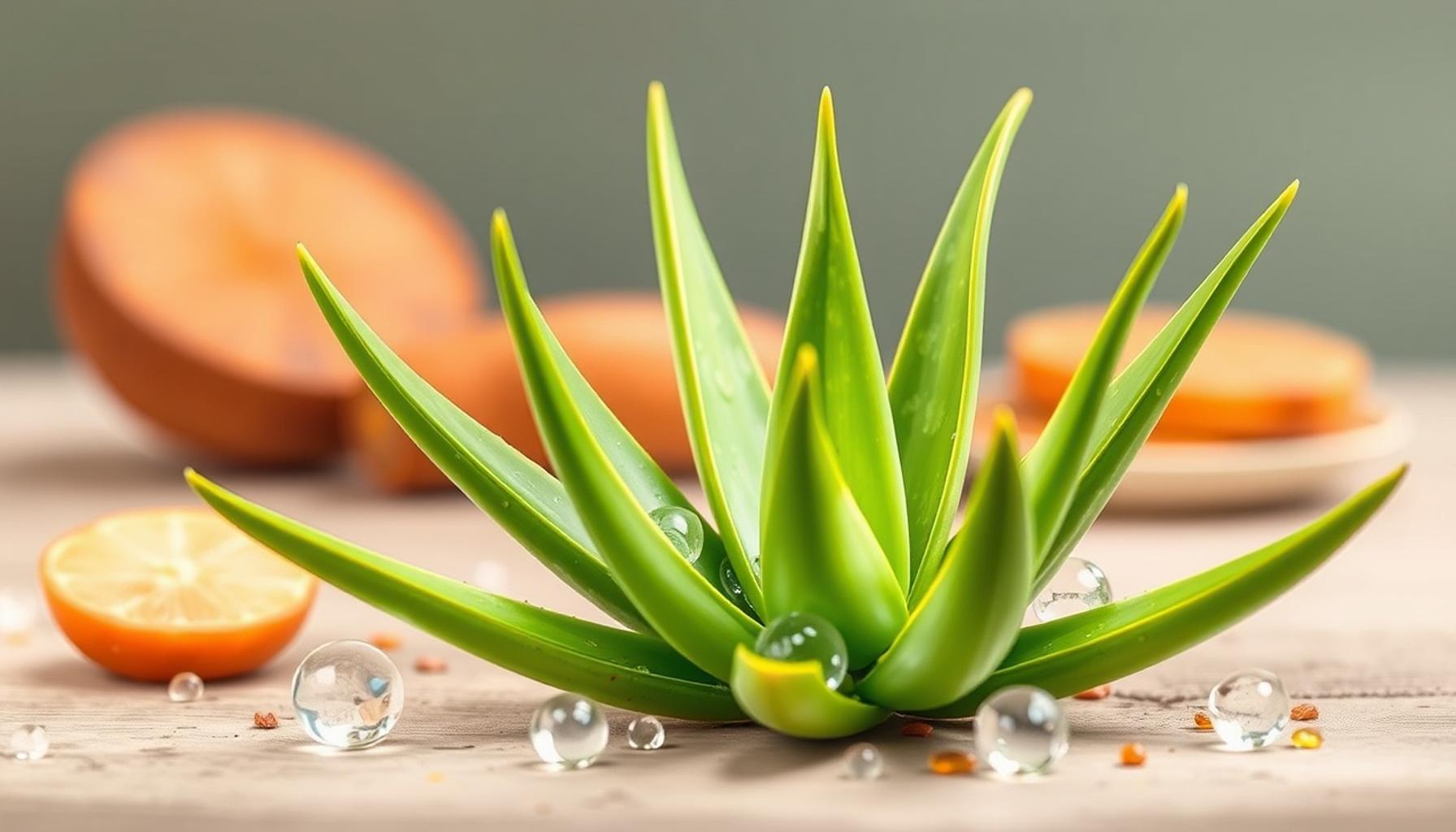
Unveiling the Wonders of Aloe Vera for Skin Health
Aloe vera is often hailed as a miracle plant, most notably revered for its impressive ability to remedy various skin ailments. This succulent has found a prominent place in countless households across the United States, seamlessly blending into skincare regimens and first aid kits alike.
So, what exactly heightens aloe vera’s effectiveness in addressing skin irritations and burns? A deep dive into its rich and complex composition reveals a treasure chest of beneficial components. Notably:
- Vitamins and Minerals: The aloe plant is a powerhouse of essential nutrients. Vitamins A, C, and E are all vital for maintaining skin health and vitality, helping to protect against oxidative stress. Additionally, minerals like zinc play a key role in wound healing, making aloe vera an ideal remedy for minor skin injuries.
- Anti-inflammatory Properties: Aloe vera gel is renowned for its incredible ability to reduce inflammation. Its application can lead to a noticeable decrease in swelling and redness, offering immediate comfort to those suffering from irritated skin, making it a go-to for athletes who may experience skin flare-ups due to friction or heat.
- Hydration: Comprising about 99% water, aloe vera is highly effective in delivering moisture to the skin. This natural hydration boosts the skin’s elasticity and resilience, reinvigorating dry and flaky patches and soothing sun-damaged skin, thus encouraging faster recovery.
The versatility of aloe vera extends beyond just its soothing gel. This botanical wonder has garnered popularity not only from natural health enthusiasts but also from the beauty industry. Many consumers use it for:
- Sunburns: Aloe vera’s cooling effect is especially effective against sunburn pain, offering relief by lowering skin temperature while reducing redness, which can be exacerbated by exposure to harmful UV rays.
- Minor Burns: Its healing properties extend to minor burns caused in the kitchen or from accidental burns during outdoor activities. Aloe can promote healing while helping to clear any ensuing inflammation.
- Skin Irritations: Rashes and insect bites can cause significant discomfort. Aloe vera’s gentle nature makes it suitable for all skin types and it can effectively calm the skin, providing relief against conditions like allergic reactions or poison ivy rashes.
As more studies and anecdotal evidence bring aloe’s benefits to the forefront, the interest surrounding this natural healer continues to soar. The expanding knowledge of its therapeutic properties invites individuals to explore its potential more deeply, whether through topical application or even incorporation in dietary supplements. Embracing aloe vera in your health and skincare routine could unlock a plethora of benefits, with this remarkable plant always deserving a prime spot in your wellness toolkit.
LEARN MORE: Click here to discover how to safeguard your skin
The Healing Properties of Aloe Vera: A Closer Look
Aloe vera is not just a popular houseplant; it is often regarded as a first-aid wonder for skin irritations and burns. To understand its efficacy, we must delve deeper into the biological mechanisms that make this succulent leaf a remarkable vehicle for skin healing.
When applied topically, aloe vera gel serves as a protective barrier while promoting healing through its unique cellular composition. This exceptional plant contains more than 75 active compounds, including enzymes, polysaccharides, and amino acids that contribute to its reparative capabilities.
The Role of Enzymes and Amino Acids
Among these active compounds, enzymes such as bradykinase help reduce inflammation and pain. They work by breaking down the proteins that contribute to irritation, which can be especially beneficial after a sunburn or minor burn. Furthermore, aloe vera is rich in amino acids, which are essential for tissue repair and regeneration, fostering quicker recovery of compromised skin.
Polysaccharides: The Natural Moisturizers
Polysaccharides like acemannan found in aloe vera play a pivotal role in its ability to hydrate and soothe the skin. They are known to preserve moisture levels, which is vital for healing burns and other skin irritations, allowing for a more resilient skin barrier. By locking in moisture, aloe vera helps alleviate feelings of tightness and discomfort that often accompany sunburns or contact dermatitis.
Studies Supporting Aloe Vera’s Effectiveness
Research and clinical trials reinforce aloe vera’s reputation as a natural remedy for skin issues. A study published in the Journal of Ethnopharmacology demonstrated significant improvements in healing time for first-degree burns when treated with aloe vera compared to conventional treatments. Participants reported less pain and reduced inflammation, which is pivotal for both comfort and recovery.
Moreover, a clinical trial featured in the International Journal of Dermatology illustrated the effectiveness of aloe vera in treating atopic dermatitis. Those who applied aloe vera gel experienced significant reductions in redness and itching compared to those who used a placebo.
How to Use Aloe Vera Effectively
Incorporating aloe vera into your skincare routine is straightforward and can be done in various ways:
- Topical Application: Freshly harvested aloe vera gel can be applied directly to the affected area, providing immediate soothing relief.
- Aloe Vera-Based Products: Many over-the-counter lotions and creams contain aloe vera as a primary ingredient, beneficial for individuals seeking ready-to-use solutions.
- DIY Treatments: Mixing aloe vera gel with other natural ingredients like tea tree oil or vitamin E can enhance its calming properties for specific skin concerns.
Understanding the multifaceted properties of aloe vera makes it clear why this plant has become a staple for addressing skin irritations and burns. Its blend of nutrients, combined with its evidence-based effectiveness, positions aloe vera not just as a cosmetic solution but as a powerful ally in skincare.
The Healing Power of Aloe Vera: An In-Depth Look
The use of Aloe Vera for treating skin irritations and burns is not just a trend; it is rooted in a long history of traditional medicine. This natural remedy boasts a rich profile of vitamins, enzymes, and amino acids that work in harmony to promote skin healing. Aloe Vera contains anti-inflammatory properties, which can significantly reduce redness and swelling associated with skin irritations like sunburns or rashes.Incorporating Aloe Vera gel into your skincare routine can be simple. The plant’s succulent leaves can be harvested directly, providing you with fresh gel that is free from any additives. When applied to affected areas, its cooling sensation instantly soothes pain and discomfort. Moreover, the gel forms a protective barrier over the skin, helping to retain moisture and accelerate the healing process.In addition to treating burns and rashes, Aloe Vera is also known for its ability to treat minor cuts and abrasions. The presence of glycoproteins helps to reduce pain and inflammation, while the polysaccharides promote skin regeneration. Studies have indicated that regular use of Aloe Vera can lead to a significant reduction in scar formation, making it an invaluable ally in skincare.Other notable benefits include its antibacterial and antifungal properties, which prevent infections during the healing process. This makes Aloe Vera not only a versatile remedy but also a natural alternative to chemical-laden treatments. The cumulative advantages of using Aloe Vera foster greater interest in its applications within both conventional and alternative health practices.
Benefits and Considerations
While the advantages of this natural treatment are clear, it is still essential to conduct a patch test before applying it extensively. Some individuals may experience allergic reactions to Aloe Vera due to various sensitivities. If irritation occurs, discontinuing use is advisable. Nevertheless, for the vast majority, the benefits of Aloe Vera as a natural treatment for skin irritations and burns far outweigh the risks. With a blend of science and tradition, Aloe Vera stands as a beacon of hope for those seeking natural, effective, and healing solutions for everyday skin issues.
DISCOVER MORE: Click here to learn how stress affects your skin
Utilizing Aloe Vera in Daily Skincare Regimens
Beyond its remarkable healing properties, the integration of aloe vera into daily skincare routines holds incredible potential for preventative skincare. Regular application can help mitigate various skin problems, making it essential for those prone to irritations and burns.
Benefits Beyond Healing
Using aloe vera doesn’t just provide relief during acute episodes; its long-term benefits cannot be overstated. Regular use of aloe vera has shown promise in enhancing skin elasticity and promoting a more youthful appearance. This benefit is attributed to its rich content of vitamins A, C, and E, which are known antioxidants that combat oxidative stress in cells.
Moreover, aloe vera’s natural anti-inflammatory properties can benefit individuals with chronic skin conditions like psoriasis and eczema. According to a study from the American Journal of Clinical Dermatology, patients with these conditions reported a noticeable decrease in flare-ups when incorporating aloe vera into their treatment plans. Thus, for those with sensitive skin, regular application can serve as a barrier to prevent irritation rather than just a reactive measure.
Aloe Vera as an After-Sun Treatment
Summer brings not only sunshine but also the risk of sunburns. Applying aloe vera gel immediately after sun exposure can greatly diminish the pain and redness associated with sunburn. Its high water content offers soothing hydration, while the antioxidants help repair damaged skin cells. A study published in the Journal of Dermatological Science found that aloe vera significantly reduced skin temperature and pain levels in participants with first-degree sunburns.
Homemade Aloe Vera Remedies
For those seeking a more customized approach, creating homemade remedies with aloe vera gel is a fantastic idea. Consider blending aloe vera with honey, renowned for its natural antibacterial properties, to create a mask that not only soothes but also prevents infection in compromised skin. Another option is mixing aloe vera with coconut oil. This blend can lock in moisture while harnessing the benefits of both ingredients, perfect for use after shaving to minimize razor burn.
Precautions When Using Aloe Vera
While aloe vera is widely celebrated as a natural remedy, it’s not without considerations. Individuals should conduct a patch test before widespread application, as some people may experience allergies. In rare instances, ingestion of aloe vera latex can lead to gastrointestinal upset, so it’s advisable to stick with the gel form for topical application.
When sourcing aloe vera products, consumers should select organic and pure formulations to ensure maximum benefits without harmful additives. The market is flooded with options, but products labeled as “100% pure aloe vera” are the safest choice to guarantee that you are reaping the comprehensive benefits of this healing plant.
Aloe Vera in Holistic Practices
Aloe vera’s versatility extends to its role in holistic practices. Many integrative health practitioners recommend incorporating aloe vera into treatments for its rejuvenating properties. Aromatherapists, for instance, might blend aloe vera gel with essential oils to create a holistic treatment that promotes both skin health and emotional well-being.
As ongoing research continues to unveil the extensive benefits of aloe vera as a natural treatment for skin irritations and burns, it remains a staple in both home remedies and professional settings. With its multifaceted properties, aloe vera is not only a solution for immediate relief but a valuable addition to a proactive skincare regime.
DISCOVER MORE: Click here to learn how to enhance your skin’s overnight rejuvenation
Conclusion
In summary, the use of aloe vera as a natural treatment for skin irritations and burns showcases its significant role in contemporary skincare. With a rich history rooted in traditional healing, this versatile plant offers a multi-faceted approach to addressing not only immediate discomfort from sunburns and irritations but also long-term skin health. Its natural soothing properties, combined with vitamins and antioxidants, nourish the skin while helping to combat conditions such as psoriasis and eczema.
The incorporation of aloe vera into daily skincare routines goes beyond treating existing issues; it promotes prevention and resilience against future irritations. From homemade remedies to its application as an after-sun treatment, aloe vera has earned a rightful place in both DIY skincare and professional dermatological practices. However, it is crucial for consumers to approach its use with mindfulness—conducting patch tests and selecting pure, organic products to reap the full benefits while minimizing potential side effects.
As researchers continue to explore the extensive benefits of aloe vera, the plant stands as a powerful ally in achieving healthy, radiant skin. Embracing aloe vera in our beauty arsenals may empower individuals to take charge of their skin health in a natural and effective way, enriching their skincare experience. For those seeking a holistic alternative, the journey into the healing world of aloe vera is well worth the exploration, paving the way for healthier skin and a more nourished self.