Tips for Maintaining Indoor Plants: Essential Care for Beginners
Embracing Indoor Gardening
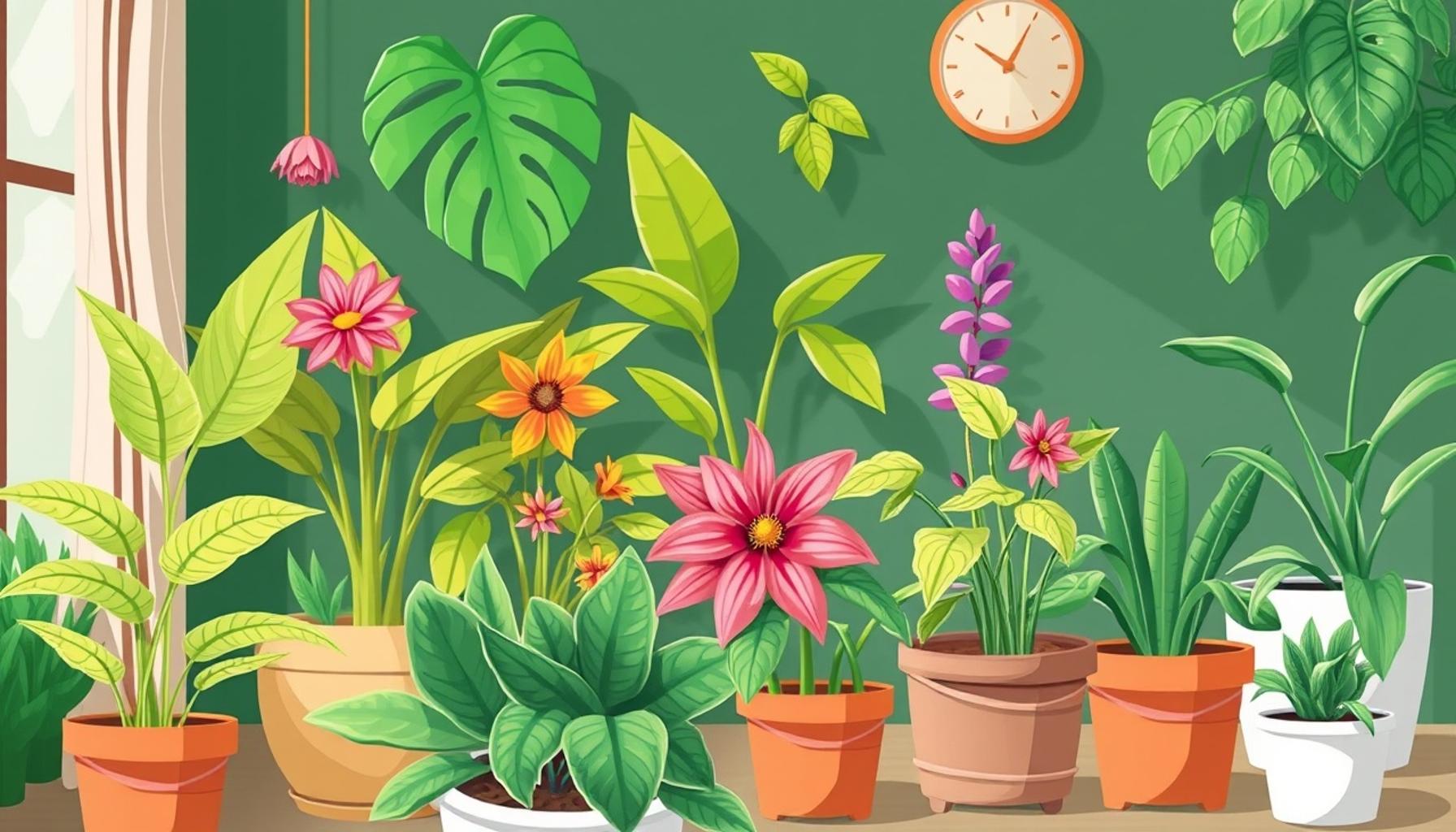
Indoor plants can transform your living space into a vibrant oasis, bringing life and freshness to any room. However, caring for these green companions can seem daunting for beginners. Understanding their needs is essential for keeping them healthy and thriving. A well-tended indoor garden not only enhances the aesthetics of your home but also contributes to your mental well-being.
Understanding the Light Requirements
One of the first considerations in indoor gardening is the light requirements of your plants. Different plants have varying light needs. For instance, succulents and cacti thrive in bright, indirect sunlight and will flourish on a windowsill that receives ample light throughout the day. Conversely, ferns and snake plants adapt well to low-light conditions, making them ideal for spaces with minimal natural sunlight. It’s essential to observe how light enters your home during different times of the day and adjust your plant placement accordingly. Grow lights are also an option if you notice your plants struggling in darker corners of your home.
Mastering Watering Practices
Watering correctly is another crucial aspect of plant care. Overwatering is a common mistake made by many novice gardeners. The best approach is to check the moisture level of the soil before watering. Stick your finger about an inch into the potting mix; if it’s dry, it’s time for a drink. Each plant species has its own water preferences—while a pothos may enjoy slightly moist soil, a peace lily can often adapt to short periods of drought.
Humidity and Temperature Considerations
Indoor plants, especially those originating from tropical environments, often require higher humidity levels to thrive. Maintaining adequate humidity can be achieved through various methods, such as misting the leaves, using a humidity tray with water, or investing in a humidifier. Plants like the philodendron and the zz plant often benefit from higher humidity levels, which can enhance their growth and appearance.
Additionally, be mindful of temperature. Most indoor plants prefer temperatures between 65°F to 75°F, with a slight drop at night. Avoid placing them near drafts or heating vents, as rapid temperature changes can stress the plants and hinder their growth.
The Role of Fertilizer and Potting Mix
Another essential aspect of indoor gardening is the proper use of fertilizer. During the growing season, which typically spans from spring to summer, using an appropriate houseplant fertilizer can help replenish nutrient levels in the soil. Look for a balanced formula that provides essential nutrients such as nitrogen, phosphorus, and potassium. However, remember that less is often more; over-fertilization can lead to root burn and other complications.
Furthermore, potting mix plays a critical role in plant health. Choosing the right type of soil can mean the difference between a thriving plant and a withering one. For instance, African violets require a lightweight, well-draining mix, while orchids need a bark-based medium that facilitates airflow to the roots.
Conclusion
With these essential tips, you’re well on your way to developing a green thumb. Indoor gardening can be both rewarding and fulfilling. As you delve deeper into this art, you’ll not only discover the joy of nurturing plants but also the many health benefits they provide, such as improved air quality and increased feelings of well-being. Become an active participant in the growth process and watch as your living space evolves into a sanctuary filled with beauty and tranquility.
DISCOVER MORE: Click here to learn about the power of sunlight in plant growth
Creating the Perfect Environment for Your Indoor Plants
Once you’ve selected your indoor plants, the next step is to provide them with an optimal environment to foster their growth. Understanding the fundamental aspects of plant care can transform your experience from simply watering them occasionally to truly becoming an indoor gardener. Here are some key elements to consider:
Choosing the Right Containers
The choice of pot can significantly influence the health of your plants. Containers should have drainage holes at the bottom to prevent water from pooling, which can lead to root rot—a common pitfall for indoor plants. Terracotta pots are a popular option due to their porous nature, allowing for air exchange and moisture regulation. Alternatively, ceramic and plastic pots offer a diverse range of aesthetic options but may require you to monitor watering more closely.
Understanding Soil Composition
A high-quality potting mix is crucial for successful indoor gardening. The right soil composition provides not only essential nutrients but also appropriate drainage and aeration for roots. Many beginners overlook this fact, opting for garden soil instead, which can lack the necessary properties for indoor plants. Consider using a pre-mixed potting soil designed for houseplants to ensure a balanced environment. You might also encounter specialized blends for specific plant types:
- Cactus soil for succulents and cacti, designed for heightened drainage.
- Orchid mix that typically includes bark and charcoal for aeration.
- Seed-starting mix which is lightweight and ideal for seedlings.
Monitoring Plant Health
Keeping an eye on your plants is not just about watering them regularly. Observation is key to understanding the specific needs and potential troubles faced by your green friends. Healthy plants usually have vibrant leaves and a robust appearance. Be vigilant for signs of distress, such as yellowing leaves, wilting, or pest infestations—common issues that can be resolved with prompt action. Some tips for monitoring your plant’s health include:
- Check leaves regularly for discoloration, spots, or webbing that may indicate pests.
- Observe the growth patterns; stagnant growth can be a sign of improper care.
- Watch for drooping leaves—your plants might be thirsty or overwatered.
By fostering an environment that acknowledges these fundamentals—proper containers, suitable soil, and keen observation—you will set a solid foundation for your indoor gardening journey. Proper upkeep isn’t merely about keeping plants alive; it’s about nurturing them to thrive, creating a vibrant indoor ecosystem that enhances both your space and well-being.
Incorporating Regular Maintenance Routines
Just like any living thing, indoor plants benefit from regular routines that include watering, fertilizing, and pruning. Establishing a schedule for these tasks can help manage your time while ensuring you don’t overlook essential maintenance. For instance:
- Watering every 1-2 weeks, depending on your plant needs and environmental factors.
- Fertilizing with a balanced houseplant fertilizer every month during the growing season.
- Pruning dead or yellowing leaves to encourage new growth and maintain aesthetics.
In conclusion, with the right approach to creating a favorable environment, your experience will transition from uncertainty to confidence. Understanding these core principles not only benefits the plants but also enhances your overall enjoyment of indoor gardening.
Essential Care Strategies for Indoor Plants
When it comes to nurturing indoor plants, understanding their needs can significantly enhance your success as a plant parent. Forgetting these essential care tips might put your green friends at risk; therefore, integrating these practices into your routine is key.
Watering Wisely
Overwatering is one of the leading causes of plant death. To avoid this pitfall, always check the soil moisture before watering. The rule of thumb is to water when the top inch of soil feels dry. Utilizing pots with drainage holes also prevents excess water from accumulating at the bottom and promotes healthy root growth.
Optimal Lighting Conditions
Understanding the light requirements of your plants cannot be overstated. Some plants thrive in direct sunlight, while others may prefer indirect light or shade. Positioning your plants accordingly can lead to vibrant growth and minimize stress on the plant. Rotate your plants every few weeks to ensure even growth.
Humidity and Temperature
Indoor environments can often be dry, especially during winter months. Many houseplants, particularly tropical varieties, benefit from higher humidity levels. Consider using a humidifier or placing a tray of water near your plants to boost humidity. Keeping plants away from drafts and heating vents can help maintain consistent temperatures, which is crucial for their health.
Fertilizing for Growth
Providing your plants with essential nutrients is critical for their well-being. Using a balanced, water-soluble fertilizer during the growing season can encourage healthy foliage and blooms. However, moderation is key — over-fertilizing can be just as detrimental as under-fertilizing. It’s best to fertilize every 4-6 weeks, adjusting based on the specific needs of each plant.
Regular Pruning
Pruning isn’t just for aesthetic purposes; it’s also necessary for the health of your plants. Regularly removing dead or yellowing leaves helps to prevent disease and encourages new growth. Trimming back overgrown plants also boosts their shape and vitality, making your indoor space more inviting.
| Category | Key Features |
|---|---|
| Watering Techniques | Check soil moisture; use drainage pots. |
| Lighting Needs | Understand light requirements for each plant. |
| Humidity Management | Utilize humidifiers; avoid drafts. |
| Fertilization | Balanced fertilizer every 4-6 weeks. |
| Pruning Practices | Remove dead leaves; trim for shape. |
By implementing these careful strategies, beginners can foster a thriving indoor garden and elevate their indoor plant experience. Every adjustment made to your care routine can positively impact the long-term health of your plants. Happy planting!
DIVE DEEPER: Click here to discover how to harness sunlight
Watering Wisely: The Art of Hydration
Watering is one of the most critical yet commonly misunderstood aspects of indoor plant care. Understanding the watering needs of different plants can be the difference between lush growth and a wilting disaster. Overwatering, especially, is often the silent killer, leading to root rot before you even realize there’s a problem. To avoid these pitfalls, consider the following strategies:
Know Your Plant’s Watering Schedule
Every plant species has unique watering requirements based on its native habitat. For example, tropical plants often thrive in consistently moist conditions, while succulents prefer to dry out between waterings. A good rule of thumb is to:
- Check the top inch of soil—if it feels dry, it’s time to water.
- Use room temperature water, as cold water can shock plant roots.
- Water thoroughly until you see excess moisture draining from the bottom of the pot.
It’s helpful to keep a watering journal, especially when starting out. Record when you water each plant and observe how they respond. Over time, this will give you insight into the ideal conditions for each plant.
Humidity Matters
Many indoor plants, especially tropical varieties, love humidity. Ideal humidity levels for indoor plants range from 40% to 60%. In many American homes, indoor air can be much drier, particularly during winter months due to heating systems. There are several effective methods to boost humidity:
- Grouping plants together creates a microenvironment with elevated humidity.
- Using a pebble tray filled with water beneath your plant pots can increase moisture levels.
- Investing in a humidifier allows you to monitor and adjust humidity levels according to your plants’ needs.
Lighting: The Power of Sunlight
Light plays an essential role in a plant’s health and growth. Understanding the light requirements of your plants is indispensable to successful indoor gardening. Not every plant can thrive in the same light conditions, so it’s crucial to know where to place each one:
Assess Light Levels in Your Space
Different plants need varying levels of light. For instance, succulents and cacti thrive in bright, direct sunlight, while ferns and snake plants prefer low to medium light. To assess light availability in your home, consider:
- The direction your windows face—south-facing windows usually provide the brightest light.
- Using sheer curtains to diffuse harsh sunlight for more delicate plants.
- Rotating pots every month to ensure even light exposure.
Additionally, if natural light is limited in your home, you might explore grow lights as an alternative. These can supplement light and ensure your plants receive the energy they need to flourish.
Understanding Pest Control: Protecting Your Green Companions
Even the healthiest plants can fall victim to pests such as spider mites, aphids, and mealybugs. Regular monitoring and quick action can keep your indoor garden thriving. Here are key strategies to maintain pest control:
- Regularly inspect both the tops and undersides of leaves for signs of pests.
- Maintain cleanliness; wipe down leaves with a damp cloth to remove dust and potential pests.
- Use neem oil or insecticidal soap for treating infestations, making sure to follow label instructions to avoid harming your plants.
Creating a thriving indoor garden involves a rounded approach, integrating watering wisdom, awareness of light conditions, efforts to boost humidity, and vigilance against pests. By adopting these practices, you’ll cultivate not just a collection of plants, but a flourishing indoor ecosystem that brings life and vitality to your space.
DON’T MISS: Click here to learn what to grow in your garden all year round
Final Thoughts: Cultivating Your Green Oasis
In conclusion, maintaining indoor plants requires a combination of knowledge, observation, and dedication. By understanding the specific watering needs of each plant, you’ll mitigate the risks of overwatering and promote healthy growth. Remember, the right lighting is crucial; assess your home’s light levels and provide your plants with the necessary exposure to thrive. Moreover, considering humidity is vital, particularly for tropical species that flourish under elevated moisture levels.
Pest management should not be overlooked either; regular inspections and swift action can protect your green companions from infestations. As a beginner, it may seem daunting, but cultivating plants can transform your home into a vibrant oasis. Each leaf that unfurls offers a unique sense of satisfaction and connection to nature.
As you embark on your indoor gardening journey, consider keeping a log of your plants’ care routines, making it easier to track their preferences and adjust your methods accordingly. Additionally, don’t hesitate to seek out local gardening groups or online forums for advice and shared experiences. Engaging with fellow plant enthusiasts can inspire and inform your journey.
With patience and a little tenderness, your indoor garden can flourish, providing not just beauty but also a sense of tranquility in your living space. So gather your tools, explore your options, and let the world of indoor plants enrich your life.