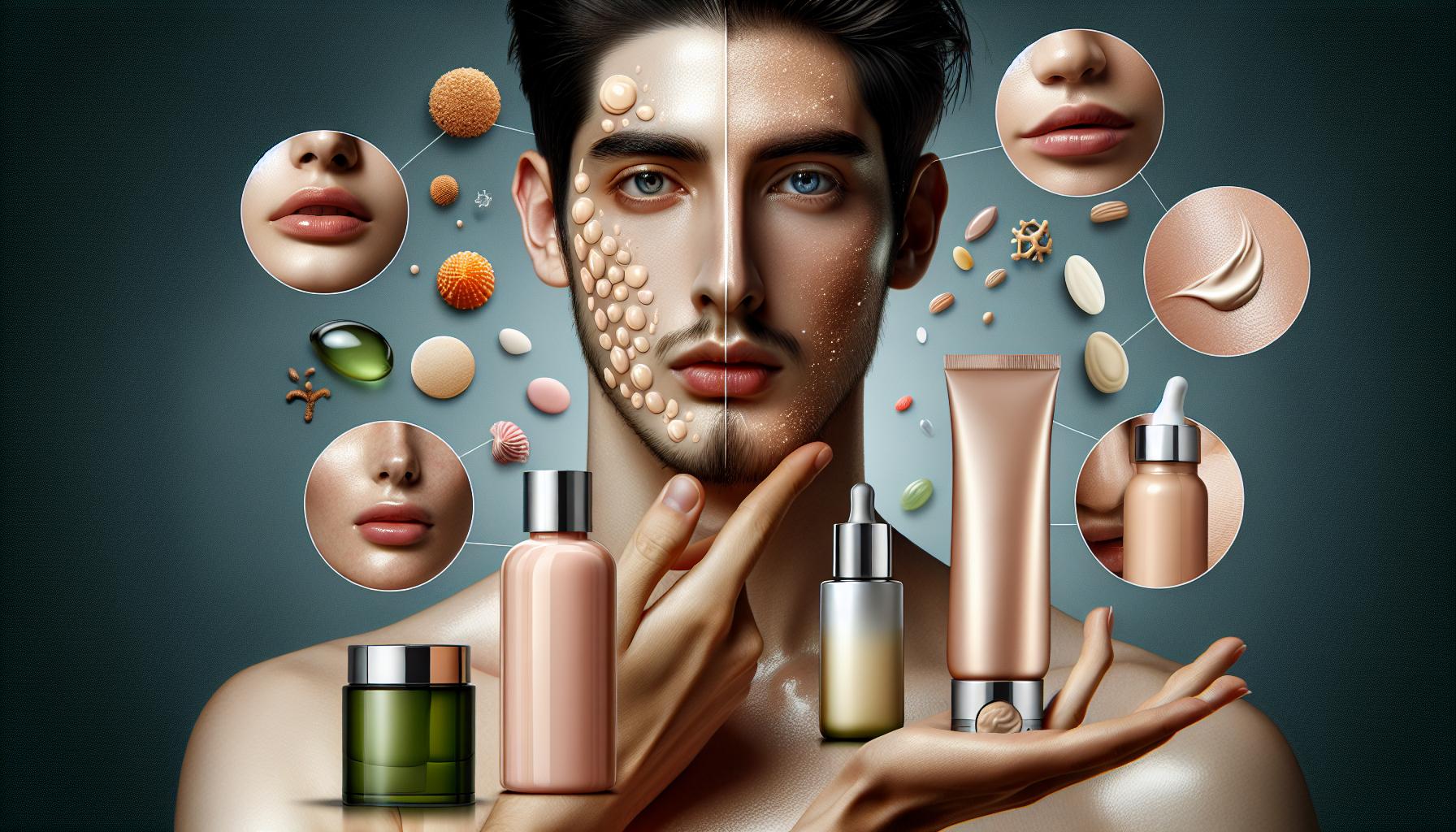
The Connection Between Mental Health and Facial Care: How Well-Being Affects Beauty
The Complex Relationship of Mental Wellness and Skin Health
Do you ever notice how your mood can reflect on your skin? This connection is more than skin deep. Research shows a profound connection between mental health and facial appearance, influencing not just beauty but overall well-being. Conditions such as stress, anxiety, and depression often manifest in various ways, leading to a decline in your skin’s vitality and clarity. This intricate relationship between mental and dermatological health is a fascinating area of study that reveals much about human psychology and physiology.
Consider the following impacts:
- Stress Hormones: When you experience heightened levels of stress, your body releases cortisol, a hormone that can wreak havoc on your skin. Elevated cortisol levels can lead to an increase in oil production, resulting in acne breakouts. It can also cause inflammation and skin conditions like eczema or psoriasis, leaving your skin looking dull and fatigued.
- Sleep Quality: Mental health struggles often disrupt sleep patterns, leading to insufficient rest. Poor sleep can result in tired and puffy eyes, dark circles, and an overall lack of radiance. The skin naturally repairs itself during sleep, so inadequate rest can prevent this crucial rejuvenation process, leaving skin with a lackluster appearance.
- Self-Care Routines: When mental health dips, individuals may find themselves neglecting their skincare routines. Skipping daily rituals, such as cleansing or moisturizing, can compound skin issues, creating a cycle of neglect that mirrors their emotional state. Conversely, a well-maintained skincare regimen can act as a powerful form of self-expression and care.
Conversely, the act of caring for one’s skin can positively influence mental health. Engaging in skincare rituals provides a moment of mindfulness and self-love which can enhance emotional health. For example, a simple evening routine involving cleansing and applying moisturizer can become a calming ritual, akin to meditation, offering a respite from daily stresses. This cyclical relationship underscores the idea that both mental wellness and facial care are essential in achieving true beauty from the inside out.
As we delve deeper into this topic, we will explore how effective facial care can serve as a therapeutic practice while simultaneously enhancing your outer glow. From investigating the role of specific ingredients in skincare products to examining holistic approaches such as aromatherapy and mindfulness meditation, the intersection of beauty and mental health offers a wealth of insights and practical applications. Stay tuned to uncover practical tips and scientific insights into this fascinating field that emphasizes the importance of nurturing both mind and body.
DISCOVER MORE: Click here to uncover the upcoming facial care trends
The Psychological Impact of Skin Clarity
Facial skin is not merely a surface; it serves as a reflection of our inner emotional state. When we feel good about ourselves, our skin often mirrors that positivity. Studies have indicated that individuals who report higher levels of happiness and lower levels of psychological distress tend to exhibit healthier, more vibrant skin. This phenomenon can be attributed to various factors that intertwine mental health, emotional well-being, and skincare.
One critical aspect is the notion of emotional resilience. People who possess a strong sense of self and employ effective coping mechanisms for stress tend to experience fewer skin issues. For instance, research has shown that individuals who practice mindfulness and stress-reduction techniques, such as yoga and deep-breathing exercises, report improvements not only in their mood but also in their skin’s appearance. The correlation is evident: addressing mental health concerns can lead to significant improvements in skin clarity and texture.
Moreover, the link between self-esteem and skin health cannot be overlooked. Many individuals tie their self-worth to their physical appearance, and for those experiencing skin conditions or concerns, the mental burden can be significant. Whether it is acne, rosacea, or hyperpigmentation, these visible issues can lead to feelings of shame or self-doubt. Over time, this can escalate into a cycle of poor mental health affecting skin quality, which in turn can further diminish self-esteem.
The relationship extends beyond just the visible aspects of skin health; it impacts how individuals interact socially. For many, a clear complexion can boost confidence levels during social engagements or professional settings. Research has suggested that individuals who believe they look their best often engage more in social activities, helping to foster a positive feedback loop that benefits both mental health and beauty.
- Social Perception: Clear skin can enhance the way individuals are perceived by others, often resulting in more positive social interactions.
- Emotional Support: Friends and family often provide emotional support during times of skin-related stress, enhancing relationships and improving mental health.
- Self-Care Rituals: Engaging in regular skincare routines is not only beneficial for the skin but can also serve as an act of self-love, reinforcing positive mental health.
Additionally, recent trends in the wellness industry emphasize the adoption of skincare as a form of therapy. Facial treatments and holistic approaches that incorporate beauty rituals, such as gua sha or facial massages, promote both relaxation and skin health. These practices underscore the relevance of taking time for oneself, connecting body and mind to foster overall serenity and beauty.
The evidence is compelling: nurturing mental health is foundational for attaining healthy skin. As we explore further, we will delve into specific skincare practices that can uplift mental well-being, highlight scientifically backed ingredients that support both skin and mood, and uncover how to incorporate mindfulness into your beauty regimen. Remember, taking care of your skin is as much about fostering mental health as it is about achieving radiance.
| Category | Description |
|---|---|
| Emotional Well-Being | Strong emotional health often translates to glowing skin and a youthful appearance. |
| Self-Care Rituals | Engaging in facial care is a powerful form of self-care, enhancing both mental and physical beauty. |
| Stress Reduction | Reducing stress through facial treatments can lead to fewer breakouts, promoting clearer skin. |
| Mindfulness | Practicing mindfulness during skincare routines can lead to a greater sense of peace and satisfaction. |
Engaging in facial care is not simply a matter of aesthetics; it is intrinsically linked to one’s mental health. By understanding the profound influence of emotional well-being on beauty, we can explore how the act of caring for one’s skin can elevate mood, boost confidence, and even reduce symptoms of anxiety and depression. The simple daily rituals of applying moisturizer or a face mask can serve as a form of therapy, inviting moments of self-reflection and appreciation.Research shows that when individuals prioritize their skincare routine, they often report feeling more empowered and in control of their lives. This sense of empowerment can translate into improved interpersonal relationships and enhanced professional performance. As such, the process of caring for one’s face extends beyond mere beauty—it fosters a holistic approach to well-being that emphasizes balance, self-love, and resilience in the face of life’s challenges.Moreover, the neurobiological connection between stress reduction and facial care cannot be ignored. Stress is known to trigger skin issues such as dermatitis, acne, and premature aging. By incorporating stress-relieving practices into facial routines, individuals may experience a dual benefit: improved skin health and better mental clarity. Ultimately, the correlation between facial care and mental health reveals a complex yet fascinating relationship that invites further exploration and understanding.
DISCOVER MORE: Click here to enhance your beauty routine
The Role of Stress and Its Effects on Skin
In today’s fast-paced world, stress has become an integral part of daily life, leading to significant implications for both mental health and facial care. When we endure times of stress, our bodies produce heightened levels of the hormone cortisol, known as the “stress hormone.” Elevated cortisol levels can cause several skin problems, including increased oil production, acne flare-ups, and inflammation. This connection underscores the importance of managing stress, as doing so not only benefits our mental well-being but also enhances our skin’s health.
Interestingly, the impact of stress doesn’t merely end with obvious signs like breakouts. Chronic stress can lead to skin conditions such as eczema and psoriasis, both of which can exacerbate feelings of anxiety and distress in individuals affected by them. A vicious cycle emerges: as skin issues worsen due to stress, mental health declines, creating a detrimental feedback loop that can be challenging to break.
On the positive side, recognizing the link between stress management and skin improvement has encouraged individuals to explore various stress reduction techniques. Many are turning to practices such as meditation and mindfulness not only for their mental health benefits but also as tools for better skin care. Experts emphasize that investing time in relaxation techniques can lead to a clearer complexion, promoting a holistic approach to beauty that integrates mental well-being.
The Intersection of Nutrition and Skincare
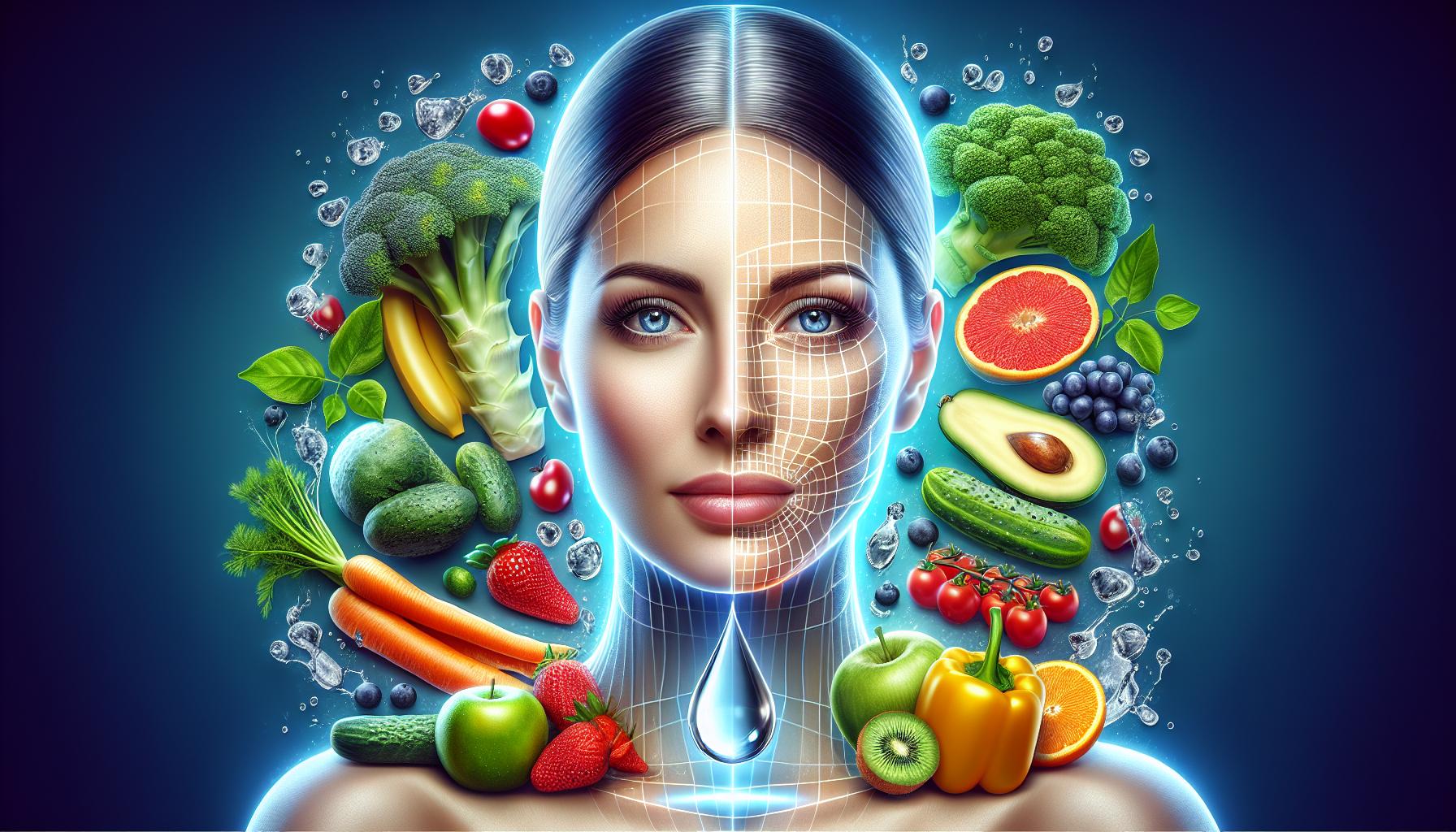
Another crucial factor that ties mental health to facial care is nutrition. What we consume has profound effects on both our mood and our skin. Mental health professionals recognize the significance of a balanced diet rich in antioxidants, vitamins, and minerals, which can play a role in reducing stress and improving skin vitality. For instance, foods high in omega-3 fatty acids, such as salmon and walnuts, have been revered for their anti-inflammatory properties that not only bolster brain health but also contribute to a radiant complexion.
Furthermore, the connection between hydration and skin health cannot be overstated. Dehydration can lead not only to physical discomfort but also to increased anxiety levels. To combat this, drinking adequate water and consuming hydrating foods can enhance overall mood and skin appearance alike, creating a beautiful synergy between hydration, mental wellness, and facial care.
Skincare as a Self-Care Practice
The rise in popularity of self-care routines espouses the notion that investing time in skincare can serve as a powerful therapeutic practice. Engaging in a mindful skincare routine allows individuals to honor their bodies and reflect on their mental states. Many people find solace in rituals like cleansing, exfoliating, and moisturizing, using them as moments of meditation that can calm the mind and elevate mood.
Moreover, the aesthetic industry has begun to embrace the connection between mental health and beauty through initiatives aimed at promoting self-acceptance and body positivity. Influencers and brands now highlight the importance of appreciating one’s natural beauty, which helps to dismantle damaging beauty standards. By fostering a culture of acceptance and self-love, individuals are encouraged to view skincare as an avenue for personal empowerment rather than a pursuit solely focused on outward beauty.
In summary, the multifaceted relationship between mental health, skincare, nutrition, and self-care practices reveals a complex web in which our inner and outer worlds influence one another. As we explore these connections further, it becomes increasingly clear that nurturing our mental state not only beautifies our skin but also enriches our overall quality of life.
DISCOVER MORE: Click here to uncover the secrets of antioxidants
Conclusion
The intricate link between mental health and facial care highlights a profound understanding of how our emotional and mental states influence our physical appearance. Through various avenues such as stress management, nutrition, and self-care practices, we observe that taking care of our minds can lead to remarkable improvements in our skin health. Stress, often seen as an unavoidable part of life, drastically impacts our skin by triggering various issues, from acne to chronic conditions. However, adopting stress-relief techniques like mindfulness and meditation can pave the way for not just clearer skin, but also a clearer mind.
Moreover, we cannot underestimate the role of nutrition. A balanced diet rich in essential nutrients directly contributes to our mental well-being and, subsequently, to the vitality of our skin. Engaging in a holistic approach that encompasses both mental wellness and skincare serves to enhance our overall quality of life, creating a positive feedback loop that nurtures both the body and soul.
Ultimately, skincare should be viewed as more than just a beauty regimen; it is a potent form of self-care that fosters self-love, acceptance, and mental health awareness. By recognizing and embracing this connection, individuals can cultivate beauty that radiates from within, encouraging a culture where mental wellness is prioritized as a vital element of personal beauty. As we delve deeper into this relationship, it becomes clear that the path to true beauty lies not solely in external products, but in nurturing our inner selves as well.