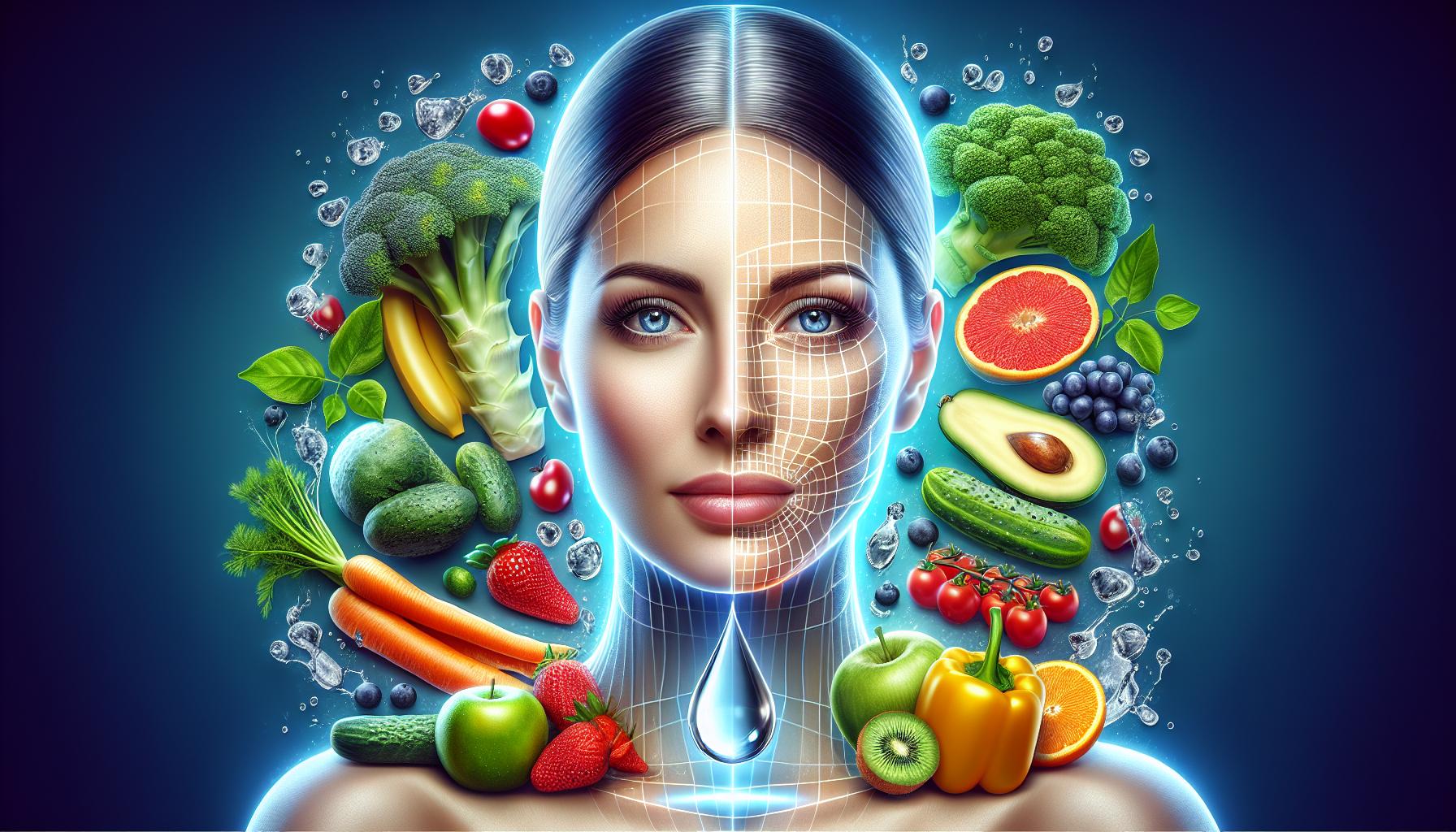
How Stress and Nutrition Affect Your Skin Health
Understanding the Connection Between Skin Health, Stress, and Nutrition
Your skin often serves as a mirror reflecting your internal health. The complex relationship between stress and nutrition can manifest visibly on your skin, making it essential to understand this interplay. Numerous scientific studies indicate that our emotional well-being and dietary habits coexist in a delicate balance that profoundly affects our skin health. For instance, stress-related skin problems such as acne, eczema, and premature aging often arise when this balance is disrupted.
Stress can trigger a cascade of hormonal changes that affect your skin in various ways:
- Increased oil production: When you’re stressed, the body releases cortisol, a hormone that can lead to heightened oil production in the skin. This overproduction of sebum often clogs pores, leading to breakouts. A study by the University of California found that individuals experiencing high levels of stress showed a significant increase in the incidence of acne lesions over time.
- Inflammation: Stress may exacerbate existing skin conditions, making them more pronounced. Inflammation is a classic response to stress, leading to conditions like psoriasis and eczema flaring up. Research from the Journal of Investigative Dermatology indicates that heightened stress can act as a trigger for inflammatory pathways in the skin.
- Delayed healing: Chronic stress can impede your skin’s ability to recover from injuries. A medical review published in the journal Psychosomatic Medicine found that stressed individuals often experience slower wound healing due to decreased immune function tied to emotional strain.
On the flip side, what you put into your body has a profound impact on your skin:
- Antioxidants: Nutrient-rich foods like fruits and vegetables, particularly those high in vitamins C and E, can combat oxidative stress, known to damage skin cells. Berries, spinach, and nuts are excellent examples of foods that protect skin health.
- Hydration: Consuming adequate water is crucial for maintaining skin elasticity and moisture. Proper hydration helps maintain skin’s suppleness and can minimize the appearance of fine lines and wrinkles. The general recommendation is to drink at least eight glasses of water a day, though individual needs may vary.
- Processed foods: Diets high in sugar and unhealthy fats can lead to a dull complexion and exacerbate skin issues. Foods such as sugary snacks and fried products can trigger insulin spikes, leading to increased oil production and inflammation.
Understanding how stress and nutrition interact can empower you to take control of your skin health. For instance, practicing mindfulness techniques such as meditation can not only alleviate stress but can also promote better skin outcomes through the lowering of cortisol levels. Likewise, incorporating a balanced diet rich in antioxidants and healthy fats supports your skin’s resilience against stresses. By diving deeper into the science behind these connections, you might be pleasantly surprised to learn that small lifestyle changes can lead to radiant skin and a more balanced emotional state!
DIVE DEEPER: Click here to learn the facts about sunscreens and skin cancer
The Role of Stress in Skin Health
Understanding how stress impacts your skin is crucial for maintaining a vibrant complexion. Stress triggers a physiological response in the body that can produce visible effects on the skin. When under stress, our body releases cortisol, a hormone responsible for various bodily functions. However, an excess of cortisol can have detrimental effects on your skin health. For instance, studies suggest that chronic stress elevates cortisol levels, leading to increased oil production in the skin. This can cause clogged pores and result in acne breakouts.
Another concern linked to stress is inflammation. Research shows that stress can worsen existing skin conditions, such as acne, eczema, and psoriasis. The inflammatory response triggered by stress can lead to a range of skin problems, causing not only physical discomfort but also emotional distress. According to a 2021 study published in the Journal of Investigative Dermatology, individuals with heightened stress levels were more prone to experiencing flare-ups related to inflammatory skin diseases.
Additionally, prolonged exposure to stress can impede your skin’s healing process. A study indicated that individuals experiencing chronic stress may notice slower healing of cuts and blemishes, primarily due to a compromised immune response. This connection highlights the importance of managing stress, not only for your emotional well-being but for maintaining skin health as well.
The Impact of Nutrition on Skin Health
While stress undeniably plays a crucial role in skin health, what you eat significantly contributes to how your skin looks and feels. Nutrition and skin health are intimately intertwined, with certain foods acting as allies in the fight against skin issues. Here are some key nutritional elements that can bolster your skin’s vitality:
- Hydration: Adequate hydration is essential for maintaining skin moisture and elasticity. Drinking sufficient water daily helps to keep your skin radiant and can ward off the appearance of fine lines. Aim for at least eight glasses of water a day, adjusting based on activity level and individual needs.
- Antioxidant-Rich Foods: Foods that are rich in antioxidants, such as berries, leafy greens, and nuts, defend against oxidative stress. Antioxidants play a vital role in neutralizing free radicals, which can contribute to skin aging and other issues. Incorporating a variety of colorful fruits and vegetables into your diet can promote healthier skin.
- Avoiding Processed Foods: Diets high in processed foods, sugars, and unhealthy fats can exacerbate skin problems. Foods with high sugar content may cause insulin spikes, which can trigger inflammation and lead to skin issues. Reducing intake of fried foods and sugary snacks can yield noticeable improvements in skin appearance and texture.
Being mindful of your dietary choices and their effects on your skin can empower you to achieve a healthier complexion. Simple changes, such as increasing water intake and opting for nutrient-dense foods, are steps that can significantly enhance skin health and resilience.
How Stress and Nutrition Affect Your Skin Health
In today’s fast-paced world, the connection between stress, nutrition, and skin health is more crucial than ever. Modern lifestyles often lead to increased stress levels, which can trigger various skin issues ranging from acne to premature aging. Understanding how these factors interact can help individuals take proactive steps towards enhancing their skin’s appearance and overall health.
When the body experiences stress, it reacts by producing cortisol, a hormone that can lead to increased oil production in the skin. This often results in clogged pores and acne flare-ups. Furthermore, chronic stress can weaken the skin barrier, making it more susceptible to irritants and pathogens, which leads to conditions like eczema and psoriasis.
On the other hand, nutrition plays a pivotal role in maintaining healthy skin. Nutrient-rich foods such as fruits, vegetables, and healthy fats provide antioxidants and essential fatty acids that combat inflammation and support skin vitality. For instance, vitamins A, C, and E are known to promote skin repair and rejuvenation. Additionally, staying hydrated is key—water consumption helps to maintain skin elasticity and suppleness.
It’s also notable that processed foods high in sugar and unhealthy fats can contribute to inflammation, exacerbating skin conditions. The impact of nutrition on skin health is clear: a balanced diet can significantly enhance not only appearance but also skin resilience against environmental stressors.
| Category 1 | Category 2 |
|---|---|
| Stress Impact | Increases cortisol, leads to acne, and weakens skin barrier. |
| Nutritional Benefits | Rich in antioxidants and vitamins, promotes skin health and resilience. |
Recognizing the dynamic interplay between stress and nutrition is vital. By managing stress through practices such as mindfulness or yoga and ensuring a nutrient-dense diet, individuals can significantly enhance their skin health. Exploring these connections further can reveal even more strategies for better skin vitality and resilience.
DISCOVER MORE: Click here to enhance your night care routine
The Connection Between Stress-Related Hormones and Nutritional Deficiencies
As we delve deeper into the intricate relationship between stress and nutrition, it becomes apparent that these two elements do not operate in isolation. The impact of stress on hormonal balance can lead directly to nutritional deficiencies that further compromise skin health. For example, high levels of cortisol can trigger cravings for unhealthy foods, primarily those high in sugar and fat, creating a vicious cycle. Research from the American Journal of Clinical Nutrition shows that chronic stress can cause a significant depletion of vital nutrients such as vitamin C, vitamin E, and zinc, which are crucial in maintaining skin integrity and elasticity.
Vitamin C plays a fundamental role in collagen synthesis, and a deficiency can lead to sagging skin and slower wound healing. Similarly, zinc is essential for the regulation of oil production, and its absence can exacerbate acne. Moreover, both vitamins exhibit antioxidant properties that combat oxidative damage, thus fighting off aging signs. By recognizing and addressing these nutrient depletions linked to stress, individuals can make informed dietary choices to support their skin health.
The Gut-Skin Connection
An often-overlooked aspect of nutrition and skin health is the gut-skin connection. The gut microbiome, which consists of trillions of bacteria, plays a significant role in overall health, including skin condition. Stress can disrupt the balance of these gut bacteria, leading to dysbiosis. According to a study published in the Journal of Dermatological Science, such imbalances are associated with various skin disorders, including acne and atopic dermatitis.
Incorporating probiotics and prebiotics into your diet can help restore gut health. Foods such as yogurt, kefir, sauerkraut, and other fermented products are rich in probiotics that can fortify your gut microbiome. Prebiotics, found in foods like garlic, onions, and bananas, provide nourishment for these beneficial bacteria, supporting a healthy digestive system that can reflect positively on your skin’s appearance.
Dietary Strategies to Combat Stress and Enhance Skin Health
Adopting dietary strategies that address both stress and skin health can create a holistic approach to beauty. Emphasizing foods rich in omega-3 fatty acids, such as salmon, chia seeds, and walnuts, can help combat inflammation linked to chronic stress. A 2020 report in the American Journal of Clinical Nutrition highlighted that omega-3 fatty acids help mitigate inflammatory responses, paving the way for clearer and healthier skin.
Furthermore, consider incorporating dark chocolate into your diet. Rich in flavonoids, dark chocolate can improve skin hydration and density, and help alleviate stress levels. Choose varieties with at least 70% cocoa for maximum benefits.
Additionally, meals bursting with color from fruits and vegetables supply a wealth of vitamins and antioxidants. A well-balanced plate filled with foods like bell peppers, carrots, and berries not only enhances overall health but also provides ample nutrients that support skin vitality.
These dietary adjustments are not merely about aesthetics; they also represent a proactive approach to mitigating the damaging effects of stress on your skin health. By nurturing your body with the right foods and addressing stress intelligently, you take significant strides toward achieving a luminous and resilient complexion.
DISCOVER MORE: Click here to unlock the secrets of nighttime skincare
Conclusion: Bridging the Gap Between Stress, Nutrition, and Skin Health
In summary, the complex interplay between stress and nutrition is crucial for maintaining healthy skin. As chronic stress triggers hormonal imbalances, it can lead to nutritional deficiencies that weaken our skin’s structural integrity and vitality. Nutrients such as vitamin C, zinc, and omega-3 fatty acids are vital for skin repair and resilience, yet they may be depleted in times of high stress. By understanding these connections, we can make informed dietary choices to combat the detrimental effects of stress on our skin.
The gut-skin connection further emphasizes the need to nurture our digestive health through probiotic and prebiotic-rich foods. This not only enhances our overall well-being but visibly enhances skin conditions that may have been exacerbated by a compromised gut microbiome. Additionally, incorporating nutrient-dense foods and antioxidants into our diets can pave the way for a more vibrant complexion, illustrating the profound impact of nutrition on skin resilience.
As we navigate our busy lives and the stressors they bring, it is essential to prioritize a diet rich in whole, unprocessed foods. Achieving a balance between effective stress management techniques and nutrient-rich meals can empower individuals to reclaim control over their skin health. Ultimately, adopting these strategies contributes not just to external beauty but also fosters a sense of well-being, encouraging a holistic approach to self-care. So, as you reach for that dark chocolate or opt for a colorful salad, remember that your choices today can significantly impact your skin’s tomorrow.