The Relationship Between Cosmetics and Mental Health: How Beauty Products Can Impact Self-Esteem
The Psychological Ramifications of Beauty Standards
In an era where social media profoundly influences beauty norms, the conversation surrounding beauty products and their impact on mental health is more pertinent than ever. The perception of beauty is often shaped by a plethora of factors, including celebrities, influencers, and advertising campaigns that bombard individuals with ideals of physical perfection. These standards not only promote particular aesthetics but also contribute to shaping our self-worth and emotional well-being.
Positive Influences of Cosmetics
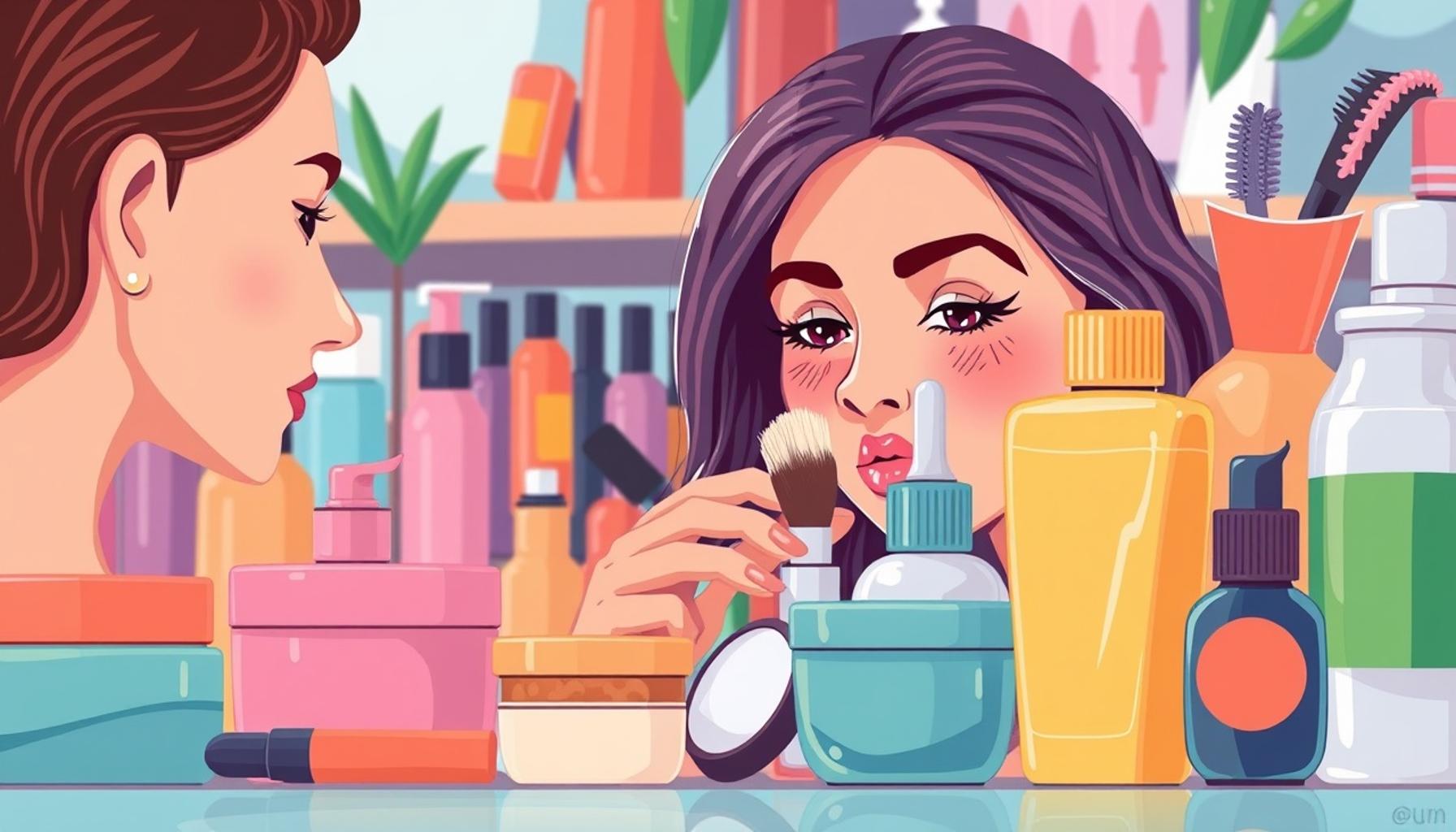
For many, cosmetics serve as a powerful tool for personal empowerment and self-expression. The act of applying makeup can be a ritualistic experience, providing individuals with a chance to engage in creative expression. For instance, someone might experiment with bold colors and unique styles to convey their individuality, transforming makeup into a personal canvas. This creative process can bolster feelings of self-confidence and well-being.
- Boosting Confidence: Numerous surveys indicate that individuals often feel more confident when wearing makeup. A study published in the *International Journal of Cosmetic Science* found that 70% of respondents felt more self-assured in social situations when they had applied beauty products. This enhanced self-confidence translates to improved social interactions, as people perceive themselves in a more favorable light.
- Encouraging Self-Expression: The transformative power of cosmetics allows individuals to explore different facets of their personality. A makeup enthusiast might adopt a specific style for particular occasions—like vibrant colors for festive events or subdued tones for a professional setting—allowing for a versatile expression of self.
- Creating a Sense of Control: In today’s fast-paced and often chaotic world, many people find solace in the ritualistic application of makeup. This act can provide a structured start to the day, offering an individual a semblance of control over their appearance amid uncertainty.
Negative Consequences of Cosmetic Standards
Conversely, the pressures stemming from beauty standards can have grave implications for mental health. The obsession with achieving an ideal look can lead to detrimental effects that range from anxiety to severe mental health issues.
- Heightened Anxiety: Constantly measuring oneself against often unachievable beauty ideals can result in anxiety and feelings of inadequacy. For example, social media platforms frequently showcase edited and filtered images that perpetuate unrealistic expectations, which can exacerbate these feelings.
- Body Dysmorphia: The intense focus on perceived flaws may spiral into body dysmorphic disorder, characterized by an obsessive preoccupation with physical appearance. In extreme cases, individuals begin to avoid social situations or develop an unhealthy relationship with beauty products.
- Dependency on Appearance: Overreliance on cosmetics can lead to a fragile sense of self-worth. Individuals may find that their confidence diminishes on days when they choose not to wear makeup, emphasizing the need for a holistic sense of identity that transcends physical appearance.
By dissecting the multifaceted relationship between cosmetics and mental health, one can gain a clearer perspective on the nuances of self-esteem and self-image. Understanding these dynamics is crucial in fostering healthier attitudes towards beauty and self-care, encouraging individuals to embrace their authentic selves while still enjoying the empowering aspects of cosmetics.
DISCOVER MORE: Click here to find out what consumers really value
The Multifaceted Effects of Cosmetics on Self-Perception
The relationship between cosmetics and self-esteem is complex and layered, reflecting both the psychological and societal dimensions of beauty. At the heart of this interplay is how beauty products can serve as both a shield and a mirror—offering individuals the ability to hide insecurities while simultaneously reflecting their self-worth back at them. As people navigate the world of makeup, skincare, and beauty routines, it’s essential to understand both the affirmative and detrimental impacts that these products can have on mental health.
The Role of Makeup in Daily Life
Many individuals integrate cosmetics into their daily routines for various reasons, from enhancing features to simply enjoying the creative process. Research indicates that a significant percentage of women, around 55%, consider makeup an essential part of their daily life. This regular interaction with beauty products can shape how individuals perceive themselves over time.
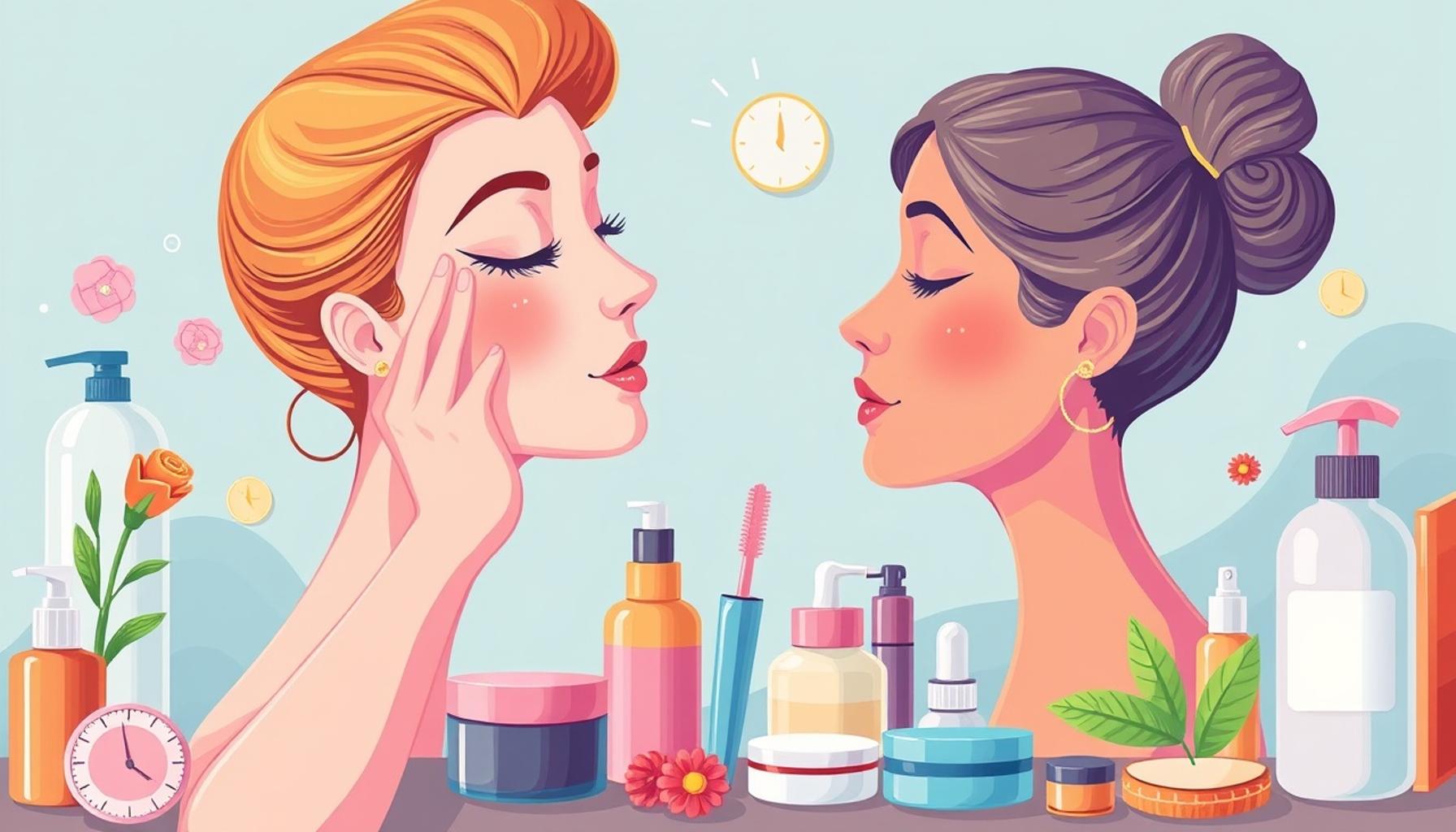
- Ritual and Routine: The daily application of makeup can become a comforting ritual, providing a moment of self-care that fosters a positive mindset. For some, the act of applying makeup functions like a routine that sets the tone for the day’s challenges, reinforcing emotional resilience.
- Social Connection: Beauty products also serve as conversation starters and can facilitate connections between individuals. Makeup enthusiasts often come together through shared interests in tutorials, trends, and products, creating communities that promote solidarity and mutual support.
- Professional Edge: In many professional environments, looking polished can lead to increased confidence and better networking opportunities. Studies have shown that individuals who wear makeup at work are often perceived as more competent and trustworthy, which can positively influence their career trajectories.
The Flip Side: Potential Pitfalls of Cosmetic Use
While the use of cosmetics can enhance self-esteem for many, there are potential pitfalls that can adversely affect mental well-being. The pressure to conform to shifting beauty standards, often dictated by popular culture, can lead to feelings of inadequacy and diminished self-worth.
- Comparison Culture: The pervasive culture of comparison, amplified by social media, often leads individuals to scrutinize their features against heavily curated images. This can trigger negative self-talk and contribute to a cycle of dissatisfaction with one’s appearance.
- Consumerism and Materialism: The beauty industry thrives on consumerism, and the constant marketing of new products can foster unrealistic expectations. Individuals might find themselves continually purchasing products in pursuit of an ever-elusive ideal, leading to financial strain and further emotional imbalance.
- Beauty Standards Dissonance: The juxtaposition between personal insecurities and societal beauty standards can create cognitive dissonance. This conflict may lead individuals to believe that their worth is contingent upon their physical appearance, obscuring the recognition of intrinsic value.
By examining the nuanced relationship between cosmetics and mental health, one gains valuable insights into self-esteem dynamics. Recognizing both supportive and detrimental impacts is crucial for fostering a balanced perspective towards beauty, one that encourages self-compassion and the celebration of individuality.
The Impact of Beauty Products on Self-Esteem
The relationship between cosmetics and mental health is a nuanced exploration that can lead to greater understanding of one’s self-worth. Beauty products have long been marketed as tools for enhancement, promising not just a physical transformation, but also a psychological one. Individuals seeking confidence boost through makeup and skincare often discover that these products serve as more than just superficial enhancements; they can play a crucial role in affecting interpersonal interactions and self-perception.Furthermore, the act of engaging with beauty products can provide a significant emotional outlet. For many, the ritual of applying makeup or using skincare products may serve as a form of self-care, promoting a sense of stability and control amidst the chaos of daily life. This ritualistic practice can foster a strong connection between personal grooming and elevated self-esteem. Research indicates that even a simple act like applying a bold lipstick can empower individuals, encouraging them to face the world with increased confidence.However, the conversation does not always lean towards positive outcomes. The omnipresent beauty standards portrayed in media can lead to unrealistic expectations and severe self-criticism. It is essential to recognize that heavy reliance on beauty products may also cultivate feelings of inadequacy for those unable to meet those standards. This dichotomy warrants a deeper examination of how marketers promote beauty products and its effects on mental well-being, leading to societal implications that extend far beyond the individual.As we delve further into this fascinating relationship, it becomes crucial to understand how socio-cultural dynamics shape our perception of beauty and, in turn, affect mental health. What emerges is a complex tapestry where personal choices intertwine with societal norms, making it imperative to navigate this landscape thoughtfully. Through stimulating conversations and continuous research, we can uncover how beauty products contribute to mental health and self-esteem, leading to healthier approaches to personal grooming. The next section will explore specific advantages and challenges within this framework, revealing important insights into the psychology of beauty.
| Advantages | Impacts on Self-Esteem |
|---|---|
| Enhanced Confidence | Promotes a positive self-image and helps individuals feel more empowered. |
| Emotional Well-being | Acts as a form of self-care, leading to improved mood and mental health stability. |
These insights guide us as we navigate the complexities of cosmetics and their psychological implications, encouraging a balanced approach to beauty and mental health. Keep exploring this intersection to reveal how empowerment through beauty can coexist with the need for authentic self-acceptance.
DIVE DEEPER: Click here to discover more
The Therapeutic Aspects of Beauty Routines
Among the multifaceted effects cosmetics have on mental health, one of the most impactful is the potential for beauty routines to serve therapeutic purposes. Engaging with beauty products goes beyond mere physical enhancement—many individuals find joy, relaxation, and empowerment in the process. This therapeutic advantage can be particularly meaningful for those experiencing mental health challenges.
Empowerment Through Personal Expression
Makeup and cosmetics provide a unique avenue for individual expression, allowing people to embrace their creativity and showcase their personality. For many, applying makeup is not just about looking good; it’s a powerful medium of self-expression that can translate emotions, moods, and identities into a visual format. A 2020 survey conducted by the American Psychological Association (APA) found that 62% of respondents reported feeling more confident and authentic when they wear makeup that reflects their personality.
- Exploration of Identity: Beauty products enable exploration and experimentation with different looks, offering individuals an opportunity to find and define their personal style. This exploration can be particularly liberating during pivotal life stages such as adolescence and young adulthood, where establishing identity is crucial.
- Creative Outlets: For many, applying makeup can be an artistic outlet. The act of blending colors, experimenting with styles, and creating visually appealing looks can generate feelings of satisfaction and accomplishment, fostering a positive sense of self.
The Role of Cosmetics in Mental Health Resilience
Understanding the interplay between beauty routines and mental health resilience adds another layer to the debate. Engaging with cosmetics can create a sense of control in environments where individuals may feel powerless. The process of putting on makeup can be empowering, allowing individuals to feel more prepared to face the world.
- Boosting Mood: Simple beauty rituals, even something as nominal as applying lipstick or using a favorite moisturizer, can promote a boost in mood. The sensory pleasure derived from textures and scents can catalyze positive emotional states, acting as a small, daily form of self-care.
- Confidence in Social Interactions: Makeup can bolster confidence in social settings, enabling individuals to engage more freely and expressively. Research has shown that the act of enhancing one’s appearance can improve social interactions by reducing anxiety and increasing feelings of self-assuredness.
The Digital Influence: Virtual Beauty and Its Mental Health Implications
The rise of social media has transformed the beauty landscape, wherein platforms like Instagram and TikTok become conduits for beauty standards and trends. While this digital shift can foster creativity and community, it also raises significant mental health concerns.
- Influencer Culture: The prominence of beauty influencers can contribute to idealized standards of beauty that many feel pressured to emulate. This phenomenon can lead individuals into a comparison trap, manifesting as self-doubt and insecurity about their appearance.
- Virtual Reality and Augmented Experiences: The integration of augmented reality (AR) features in beauty apps allows individuals to try on makeup virtually, which has both positive and negative implications. While it provides a fun way to experiment with looks, it can also distort perceptions of self, potentially leading to dissatisfaction when real-life results don’t measure up to digital expectations.
In navigating the complex relationship between cosmetics and mental health, it becomes evident that beauty products can significantly impact self-esteem in both empowering and undermining ways. As consumers become more aware of these dynamics, a crucial dialogue about balancing beauty aspirations with authentic self-acceptance emerges. Engaging with cosmetics, when approached thoughtfully, may offer tools for enhancement rather than restrictions on self-worth.
DISCOVER MORE: Click here to learn about the benefits of essential oils in your skincare routine
Conclusion: A Dual-Edged Sword
The intricate relationship between cosmetics and mental health is a captivating topic that uncovers how beauty products can both uplift and challenge self-esteem. As explored throughout this article, cosmetics possess the power to serve as tools for empowerment, allowing individuals to express their identities creatively and reclaim a sense of agency. The joy found in makeup application becomes apparent when one recognizes its ability to transform not just the exterior but also the internal landscape of self-perception.
However, this relationship is not without its complexities. The pressures of societal beauty standards, magnified by social media and influencer culture, can lead to detrimental comparisons and self-doubt, showcasing the darker side of cosmetic engagement. The disparity between edited online personas and real-world appearances can foster feelings of inadequacy, underscoring the vital need for balance and mindful approaches to beauty practices.
Moving forward, it is essential for individuals to engage with cosmetics from a place of self-love and acceptance rather than obligation. Stressing authenticity over conformity can pave the way for a healthier relationship with beauty products. As the conversation around beauty standards evolves, it encourages a shift toward embracing diversification in beauty, thereby contributing to improved mental well-being.
With ongoing dialogues and education concerning the impact of cosmetics on mental health, we can foster environments where beauty enhances self-esteem rather than diminishes it. Thus, understanding and awareness can empower individuals, enabling them to celebrate every facet of their identities—one brushstroke at a time.