Inclusive Beauty: Skincare for All Skin Tones and Types
The Essence of Inclusive Beauty
In an era where the beauty industry is evolving rapidly, the concept of inclusive beauty has emerged as a crucial aspect of consumer consciousness. This movement highlights the need for beauty products that cater to a diverse array of individuals, embracing differences in skin tone and type. It reflects the understanding that beauty is not a monolithic experience but rather a rich tapestry woven from unique identities, cultural backgrounds, and personal preferences.
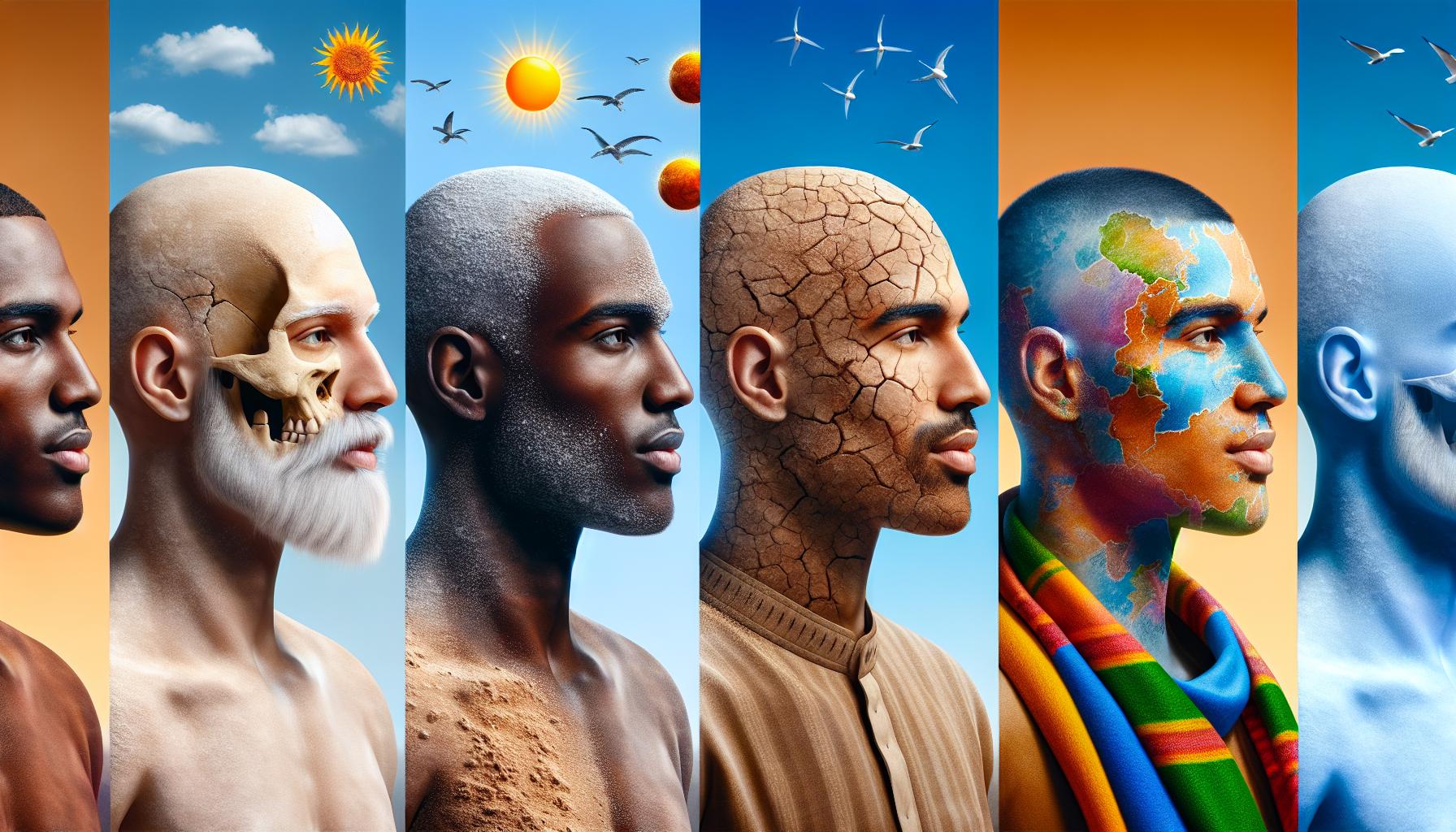
Recognizing Skin Type Variations
One of the foundational elements of inclusive beauty is recognizing the myriad of skin type variations. The common skin types—oily, dry, combination, and sensitive—each have distinct needs and responses to products. For instance, someone with oily skin may benefit from oil-free moisturizers and non-comedogenic makeup, while those with dry skin might seek out hydrating ingredients like hyaluronic acid and glycerin. Additionally, those with sensitive skin often require gentle formulations devoid of harsh chemicals or fragrances to prevent irritation.
Catering to Diverse Skin Tones
Another critical element is the recognition of skin tone. It’s important to acknowledge that different skin shades may react uniquely to various skincare ingredients and cosmetics. Foundations and concealers, for instance, must cater not only to light and medium tones but also to deeper hues. Brands like Fenty Beauty have disrupted traditional beauty standards by offering an extensive range of foundation shades, thereby demonstrating a commitment to inclusivity that resonates with consumers. This approach encourages further exploration and development within the industry, enabling every individual to find the perfect match for their unique complexion.
The Power of Representation
Representation matters significantly; when brands include diverse models in their marketing materials, they send a powerful message of acceptance and empowerment. This trend is not merely cosmetic; studies show that approximately 60% of consumers prefer brands that visibly champion diversity and inclusion in their advertising campaigns. Companies like Dove and Aerie have successfully leveraged this notion by showcasing individuals of all shapes, sizes, and colors, reinforcing the idea that beauty exists in many forms.
The importance of inclusive skincare is extensive, as it creates a sense of belonging for consumers who may have felt overlooked by mainstream beauty standards. As shoppers look for products that not only meet their aesthetic needs but also reflect their identities, the demand for inclusive options in skincare and cosmetics continues to escalate.
Moreover, the exploration of products that cater to all skin types and tones reveals a universe of possibilities. From tinted moisturizers designed with a spectrum of shades to sunscreens formulated specifically for deeper skin tones to avoid the common whitecast dilemma, the options available are boundless. This increasing variety signifies a shift towards greater recognition of individuality in beauty.
As we explore the world of inclusive beauty, it becomes abundantly clear that everyone deserves access to products that enhance and celebrate their unique features. The movement toward inclusivity not only empowers consumers but also paves the way for an enriched marketplace where diversity thrives. Join us in this transformative journey, as we put an end to exclusion and fully embrace skincare that serves all, inviting every person to flourish and feel beautiful in their own skin.
DISCOVER MORE: Click here to dive deeper into men’s facial care
Understanding the Needs of Different Skin Types
To fully embrace the philosophy of inclusive beauty, it is essential to understand the diverse needs of various skin types. Each skin type presents unique challenges and requirements when it comes to skincare. Recognizing these differences allows brands to develop targeted products that cater to every individual, enhancing their beauty experience. Here are the primary skin types and their specific needs:
- Oily Skin: Characterized by excess oil production, oily skin tends to be prone to acne breakouts. Individuals with this skin type typically benefit from lightweight, oil-free products that control shine. Ingredients such as salicylic acid and clay can effectively minimize pores and absorb excess oil.
- Dry Skin: For those with dry skin, hydration is key. This skin type can feel tight and rough, often resulting in flakiness or irritation. Products rich in emollients such as shea butter or oils like jojoba and argan are essential for maintaining moisture and soothing the skin.
- Combination Skin: Individuals with combination skin face a dual challenge: dealing with oily areas (typically the T-zone) while managing dryness in other regions. A balanced skincare routine that incorporates both hydrating and oil-controlling products can help achieve an even complexion.
- Sensitive Skin: Sensitive skin is prone to redness, irritation, and reactions to various ingredients. Gentle formulations that are hypoallergenic and free from harsh chemicals are crucial for individuals with this skin type. Look for soothing ingredients like aloe vera and chamomile.
Expanding the Palette for Skin Tones
While understanding skin types is essential, inclusive beauty must also address the representation of skin tones. The traditional beauty market often favored lighter shades, leaving people with deeper skin tones feeling underserved. Thankfully, the beauty landscape is changing, with an increasing number of brands recognizing the need for diverse shade ranges in their products. With the rise of brands like Fenty Beauty, which famously launched with 40 foundation shades and expanded to 50, consumers can now find products tailored to their unique complexion.
The adoption of inclusive beauty isn’t solely about numbers; it’s about the commitment to ensuring that everyone sees themselves reflected in the brands they choose. Shades should not only vary in depth but also in undertone, allowing individuals to find seamless matches based on their unique skin characteristics. Diverse options in foundation, concealer, and even skincare treatments are now available, making it easier than ever to create a personalized routine that meets individual needs.
Inclusion Beyond Products
Inclusive beauty transcends the mere products on a shelf; it embodies a philosophy that values all individuals, encouraging a culture of acceptance and self-love. When brands prioritize inclusivity, they send a message that beauty is not defined by conformity but rather by genuine expression and understanding of one’s self. This holistic approach fosters a sense of community, inviting consumers to join in a dialogue about beauty that honors their stories and experiences.
As we delve deeper into inclusive beauty, we unveil a landscape filled with innovation, creativity, and empowerment. By championing considerations for all skin types and tones, the beauty industry has the opportunity to not only participate in cultural change but also to enrich lives, promoting confidence and pride in one’s appearance.
| Category | Details |
|---|---|
| Diversity of Ingredients | Inclusive beauty products are formulated to cater to varying skin types, employing a wide range of natural and effective ingredients that address specific needs. |
| Inclusivity and Representation | These products promote equal representation in marketing, ensuring individuals of all backgrounds feel valued and understood in the beauty world. |
The inclusive beauty movement plays a vital role in reshaping the skincare landscape, allowing beauty enthusiasts to explore products that genuinely resonate with their unique aesthetic needs. The push for skincare that’s accessible to individuals of every skin tone and type is not just a passing trend but a crucial evolution in how beauty is perceived and marketed. Products that prioritize diverse ingredients not only enhance the customer experience but also foster a deeper connection with consumers. Brands are increasingly aware that individual skin concerns must be recognized, enabling every person to feel catered to. Furthermore, marketing that reflects the rich tapestry of global beauty fosters a sense of belonging, aligning brands with the values of authenticity and respect that consumers are seeking today.
DISCOVER: Click here to uncover age-defying makeup techniques
The Role of Ethnic Ingredients and Cultural Representation
Inclusive beauty also encompasses an understanding of the diverse range of ingredients based on cultural practices and heritage. Many traditional remedies from various ethnic backgrounds offer potent skincare benefits that are often overlooked in mainstream beauty. For instance, African black soap, a natural remedy celebrated in West African cultures, is known for its ability to cleanse and soothe acne-prone skin, making it a fantastic option for oily skin types.
Another example is the use of Korean skincare innovations, which focus heavily on hydration and nourishment, often incorporating ingredients like green tea, ginseng, and hyaluronic acid. As Korean beauty practices become increasingly popular in the U.S., brands across the globe are recognizing the need for inclusive formulations that speak not just to skin types, but also to cultural significance.
Adequate representation of different cultures in branding and advertising is just as crucial. Consumers want to see faces that resonate with their own experiences. Brands such as Shea Moisture and Tatcha have made strides in showcasing diverse narratives that reflect the real-life applicability of their products to various skin types and tones, fostering a deeper emotional connection with consumers.
The Science of Inclusive Beauty
Science is playing an increasingly pivotal role in expanding the realm of inclusive beauty. Recent studies indicate that skin care efficacy can differ between skin types and tones due to variations in skin biology. For instance, individuals with darker skin have more melanin, which provides some protection against UV damage but may also lead to different challenges like hyperpigmentation.
Understanding the biology behind skin differences allows brands to formulate targeted product ranges that perform optimally across skin tones. According to a report by the American Academy of Dermatology, personalized skincare formulations that consider both genetic and environmental factors can lead to better outcomes. This kind of data-driven approach encourages brands to invest in research that caters specifically to diverse customers, pushing inclusive beauty to the forefront.
Community Engagement and Consumer Education
Inclusive beauty cannot thrive without the active engagement of communities in shaping product offerings. Brands are now leaning into community feedback to craft products that meet their audience’s specific needs. Consumer education initiatives are crucial for raising awareness about skin health and skin care. Workshops and online platforms dedicated to discussing diverse skin concerns, such as hyperpigmentation in darker skin tones or the fragility of sensitive skin, can cultivate an informed customer base.
Furthermore, collaborations with beauty influencers and advocates from diverse backgrounds are essential. These partnerships help amplify voices from various communities and encourage consumers to explore unconventional products and routines. By celebrating different beauty narratives, brands bolster their credibility and foster an inclusive atmosphere that resonates with a broader audience.
As we continue to witness the evolution of the beauty industry, inclusive beauty stands as a beacon of hope, showcasing the importance of understanding and appreciating diversity in skincare. It not only paves the way for innovative products but also strengthens community ties and encourages a culture that celebrates the beauty found in every unique individual.
DISCOVER MORE: Click here to learn how diet affects your skin
Conclusion: Embracing Inclusive Beauty for a Brighter Future
As the beauty industry moves towards a more inclusive ethos, skincare for all skin tones and types emerges not just as a trend but as a vital necessity. The embrace of diverse ingredients rooted in cultural traditions and the recognition of scientific differences in skin biology foster a greater understanding of skin health across various demographics. This evolution goes beyond marketing; it is about creating formulations that genuinely cater to a spectrum of consumers, optimizing their skin health and enhancing their confidence.
Furthermore, the impactful role of community engagement cannot be overstated. By listening to consumer feedback and investing in education about unique skincare needs—from managing hyperpigmentation to addressing sensitive skin—the industry can better serve its audiences. Brands like Shea Moisture and Tatcha exemplify how authentic representation and storytelling can bridge the gap between products and consumers, making skincare an inclusive experience rather than an exclusive one.
As we celebrate the diversity found in individual beauty, it’s essential to remember that every skin tone deserves to be nourished and cared for with love and respect. As we look forward, the commitment to inclusive beauty will not only boost innovation within the industry but also inspire a cultural shift towards acceptance and appreciation of our differences. In this journey, each one of us plays a crucial role by supporting brands that are dedicated to representing and addressing the needs of all, ensuring that everyone can experience the joy of skincare that truly understands and reflects their unique beauty.