Choosing the Right Plants Based on Sunlight Exposure in Your Backyard
Key Considerations for Sunlight Exposure in Gardening
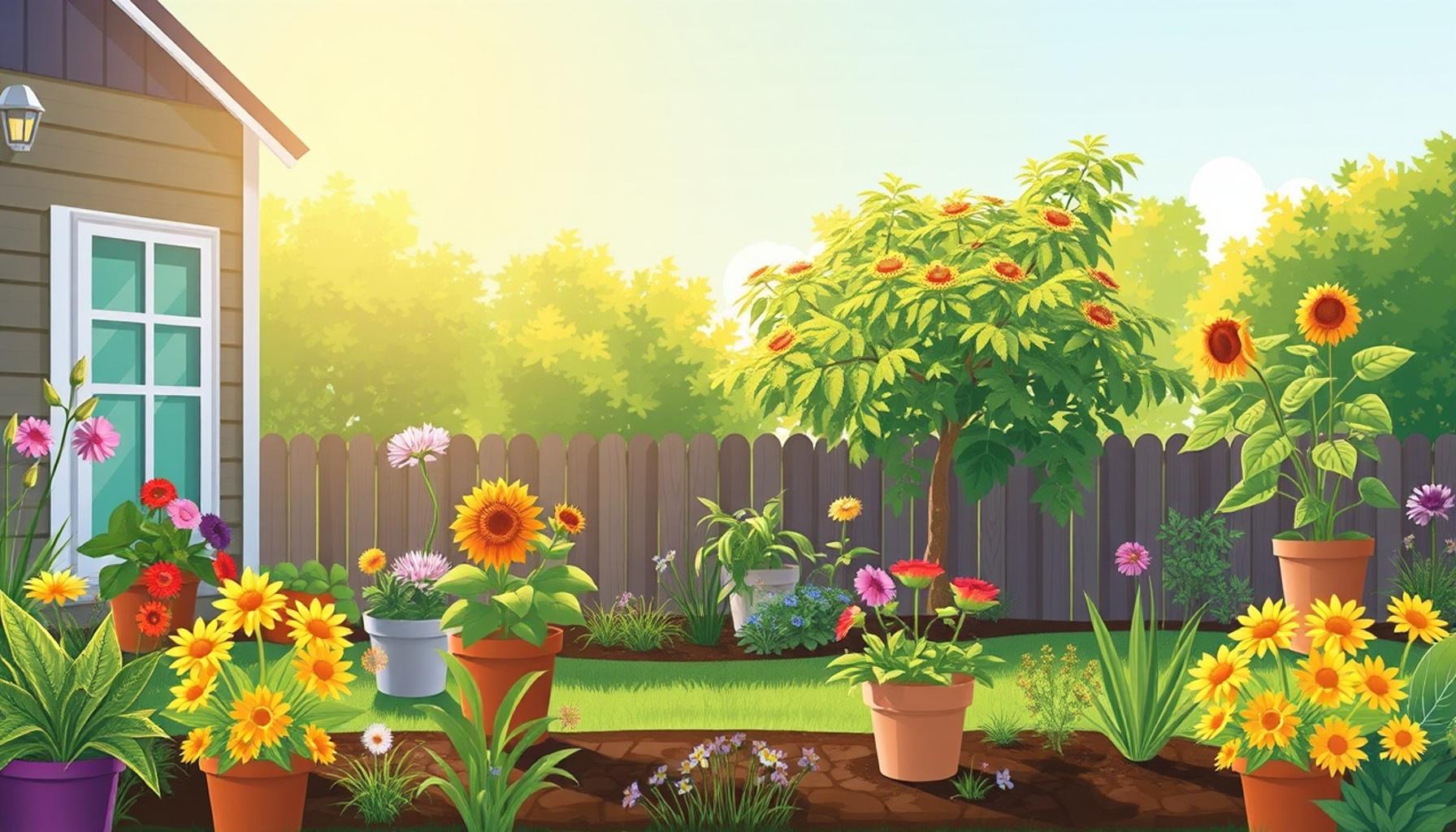
Every backyard deserves a splash of greenery, but not all plants thrive in the same conditions. When considering which plants to choose for your backyard, sunlight exposure is a crucial factor that can make or break your gardening success. The way sunlight penetrates your garden, influenced by factors such as tree cover, building shadows, and even the orientation of your yard, plays a significant role in determining which plants will flourish.
Plants generally fall into three main categories based on their sunlight needs:
- Full Sun: Requires at least 6 hours of direct sunlight daily. This intensity is crucial for flowering plants and vegetables to reach their full potential.
- Partial Shade: Needs about 3 to 6 hours of sunlight. This option is often suitable for delicate plants that can be scorched by too much sun but still need some light to thrive.
- Full Shade: Thrives with less than 3 hours of direct sun. This category includes plants that are perfectly adapted to low-light areas, making them ideal for shady spots beneath trees or along northern-facing walls.
By assessing your yard’s sunlight patterns, you can select plants that will flourish, creating a vibrant outdoor space. Various regions in the United States experience different levels of sunlight, so understanding your local climate can guide your selection process. For instance:
- Full Sun Plants: Consider sunflowers, which can grow to impressive heights while attracting pollinators, or tomatoes, a staple in many home gardens. Lavender also thrives in full sun, offering both beauty and aromatic benefits.
- Partial Shade Plants: Explore hostas, which are favored for their lush foliage, or ferns, which add a graceful touch to shaded areas. Astilbes provide color with their feathery plumes, making them a great addition to partially shaded flower beds.
- Full Shade Plants: Look into ferns, which come in diverse varieties suitable for colder climates, or hostas, known for their resilience. Some varieties of columbine can also thrive in low-light conditions while displaying beautiful flowers.
Understanding these categories helps you avoid common pitfalls in gardening, such as overcrowding plants that need different light conditions. Armed with this knowledge, you can create a thriving, beautiful landscape that suits your preferences. Furthermore, by selecting plants that match their light requirements, not only are you enhancing your gardening skills, but you’re also promoting a healthy, sustainable ecosystem in your own backyard.
As you curate your plants, it may be beneficial to observe your garden at various times of the day to better understand where sunlight is most abundant and where shade prevails. This attentive approach will lead you to make more informed choices and ultimately enjoy the fruits of your labor through a flourishing garden.
DISCOVER MORE: Click here for easy-to-grow plants
Understanding Your Backyard’s Sunlight Patterns
Before diving into the world of plants, it’s essential to thoroughly evaluate your backyard’s unique sunlight conditions. A simple way to begin is by observing your garden at different times of the day. Take notes on how sunlight shifts across your space; this will give you better insight into which areas are termed full sun, partial shade, and full shade. Understanding these patterns is crucial for selecting the right plants that will not only survive but thrive.
For many homeowners, the orientation of your yard plays an influential role in sunlight exposure. If your backyard faces south, it generally receives the most sunlight throughout the day, making it an ideal location for full sun plants. Conversely, a yard facing north may experience prolonged shade, favoring the growth of plants that prefer low-light conditions. It’s worth noting that even the tallest trees can impact sunlight availability, creating pockets of shade that can significantly alter the growing environment.
Practical Steps to Evaluate Sunlight Exposure
To systematically assess your yard’s sunlight availability, follow these practical steps:
- Keep a Sunlight Journal: Spend a few days documenting sunlight patterns at different times (morning, noon, and late afternoon). This record will help you identify which areas receive adequate light and which do not.
- Utilize a Sun Map: Create a simple map of your backyard, marking areas that receive maximum sunlight versus those that remain in shade. Use colors or symbols to differentiate between full sun, partial shade, and full shade.
- Observe Seasonal Changes: The amount of sunlight can shift with the seasons. Pay attention to how the position of the sun changes as winter turns into spring. Some plants may require adjustments depending on these seasonal variations.
- Check for Obstructions: Evaluate whether nearby buildings, fences, or vegetation cast shadows that could impact your planting decisions. Understanding these obstructions will guide your plant choice and placement.
Once you have gathered this valuable information, you will be better equipped to select the right plants based on sunlight exposure in your backyard. Remember that the aim is to create an environment where each plant can enjoy its ideal growing conditions, which can lead to a more vibrant landscape and a flourishing ecosystem. This knowledge not only contributes to healthier plants but also reduces the maintenance effort needed to keep your garden thriving.
As you continue exploring your options, consider local gardening resources or extension services that may have recommendations tailored to your specific climate and region. Whether you’re in the sun-soaked deserts of Arizona or the lush greens of the Pacific Northwest, choosing plants that mesh well with their surroundings adds harmony and beauty to your outdoor space.
Choosing the right plants according to sunlight exposure is crucial for cultivating a thriving backyard garden. Understanding the different classifications of sunlight exposure can significantly impact your landscaping results. The sun’s intensity and duration play pivotal roles in determining which plants will flourish in your outdoor space. When it comes to plant selection, plants generally fall into three categories: full sun, partial shade, and full shade. 1. Full Sun Plants – These plants require at least six hours of direct sunlight each day. Examples include vibrant annuals like petunias and marigolds, along with hardy perennials such as coneflowers and black-eyed Susans. Full sun plants tend to be drought-tolerant and produce abundant blooms, making them ideal for bright, sunny areas of your yard.2. Partial Shade Plants – These plants thrive with three to six hours of filtered or indirect sunlight daily. Varieties such as hostas, astilbes, and ferns fit into this category. They are perfect for spaces that receive dappled sunlight or are shaded by larger trees for part of the day, adding lush greenery and texture without needing heavy sunlight.3. Full Shade Plants – These plants flourish in the absence of direct sunlight, requiring less than three hours of sunlight per day. Choices such as caladiums, bleeding hearts, and certain types of ferns can liven up darker corners or send chilly areas of your backyard into an impressive display of foliage.Understanding these distinctions not only enhances the beauty of your garden but ensures stronger, healthier plants that will withstand the climatic conditions of your area. It’s also essential to consider soil type, moisture levels, and air circulation when planning your garden layout, as these factors will further influence plant health and growth. To assist with your planning, here is a detailed comparison of plant categories based on sunlight exposure:
| Category | Description |
|---|---|
| Full Sun | Thrives in direct sunlight for at least six hours daily. |
| Partial Shade | Requires three to six hours of sunlight with some protection. |
| Full Shade | Grows well with less than three hours of sunlight. |
This understanding opens the door to creating a more vibrant and productive backyard, allowing you to enjoy your garden’s aesthetics and reap the environmental benefits. As you select your plants, remember the vital role that experimenting with different categories can play in your overall gardening success.
DISCOVER MORE: Click here for tips on thriving gardens in shaded spaces
Choosing Plants for Each Sunlight Category
Now that you have a clear understanding of your backyard’s sunlight patterns, it’s time to look for the right plants to match them. Each category—full sun, partial shade, and full shade—provides an opportunity to curate a garden that flourishes without unnecessary stress. Let’s delve into each sunlight category, featuring plant suggestions and essential tips to make the most of your landscape.
Full Sun Plants
Areas that receive full sun, typically defined as six or more hours of sunlight per day, open the door to a diverse array of vibrant species. Popular flowering options include coneflowers, black-eyed Susans, and daylilies, which showcase fantastic color and withstand heat well. Additionally, succulent varieties such as agave and sedum can thrive in harsh sunny conditions with minimal water.
If you’re looking for a bounty beyond aesthetics, consider planting vegetables like tomatoes, peppers, and zucchini, which require ample sunlight for optimal growth. Herbs, including basil and oregano, are also excellent additions for sunny spots, providing culinary benefits alongside their aromatic beauty. Remember, mulching can help retain moisture in the soil during hot spells, aiding plants in full sun exposure.
Partial Shade Plants
Plants that flourish in partial shade typically thrive with at least three to six hours of sunlight while benefiting from protection during the hottest hours of the day. Ideal candidates include ornamental staples such as hostas, astilbes, and ferns. These plants not only add lovely textures but are also resilient, making them suitable for transitional areas of your yard.
For functional gardening, spinach, radishes, and lettuce do well in partial shade, allowing you to harvest fresh greens with limited sun intensity. It’s important to rotate these crops throughout the year to ensure soil health and prevent depletion of nutrients.
Full Shade Plants
In a garden’s full shade areas, which receive less than three hours of direct sunlight per day, plant selection becomes more specific. Here, you can find resilience in varieties like bleeding heart, Japanese forest grass, and hosta plants. These additions can create a serene and lush environment even in dim conditions.
It’s crucial to incorporate plants that adapt to lower light levels, as they tend to grow more gradually, making your garden feel more mature over time. Consider adding shade-tolerant vegetables like mushrooms or some leafy greens, which can utilize any available light effectively while adding nutritional options to your meals. Moreover, utilizing reflective white surfaces near shaded areas can help boost available light for such plants.
As you embark on this planting journey, remember that the right plants for your backyard can significantly boost not only the aesthetic but also the garden’s ecological health. By carefully matching plants with their ideal light conditions, you can create a backyard oasis to enjoy throughout every season.
DIVE DEEPER: Click here to learn essential watering techniques
Final Thoughts on Selecting the Right Plants
Making informed choices about plant selection in your backyard can transform your outdoor space into a vibrant, flourishing garden that thrives in harmony with its environment. Understanding your garden’s sunlight exposure is crucial, as it allows you to select plants best suited for their specific light conditions. Whether you have areas that bask in full sun, receive partial shade, or are enveloped in full shade, there are plentiful options to explore.
A well-curated garden not only enhances aesthetic appeal but also fosters ecological balance, supporting local wildlife and improving air quality. From the eye-catching blooms of coneflowers in sunny spots to the lush greenery of hostas in shade, the possibilities are boundless. Additionally, the inclusion of edible varieties like tomatoes and spinach can provide fresh produce right at your fingertips, enriching your culinary adventures.
As you embark on this gardening journey, consider your specific climate conditions and the unique characteristics of your yard. Make use of local resources such as garden centers and extension services for tailored advice. With careful planning and consideration of sunlight exposure, you can create a stunning outdoor ecosystem that flourishes year after year. Ultimately, the right plant choices will yield not only beauty but also resilience in your backyard, inviting relaxation and enjoyment throughout every season.