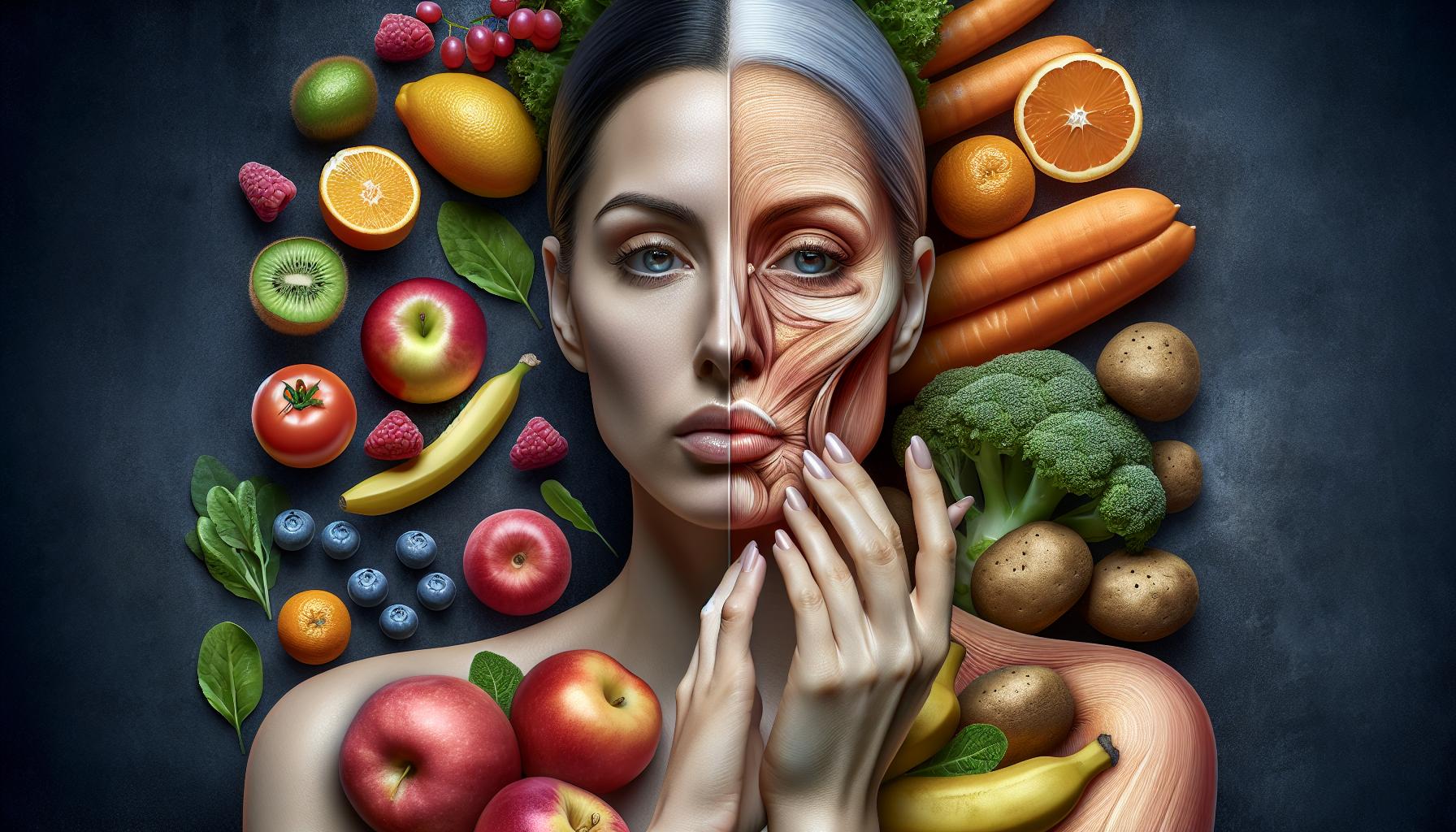
The Science Behind Skin Aging: How to Prevent and Reverse the Signs
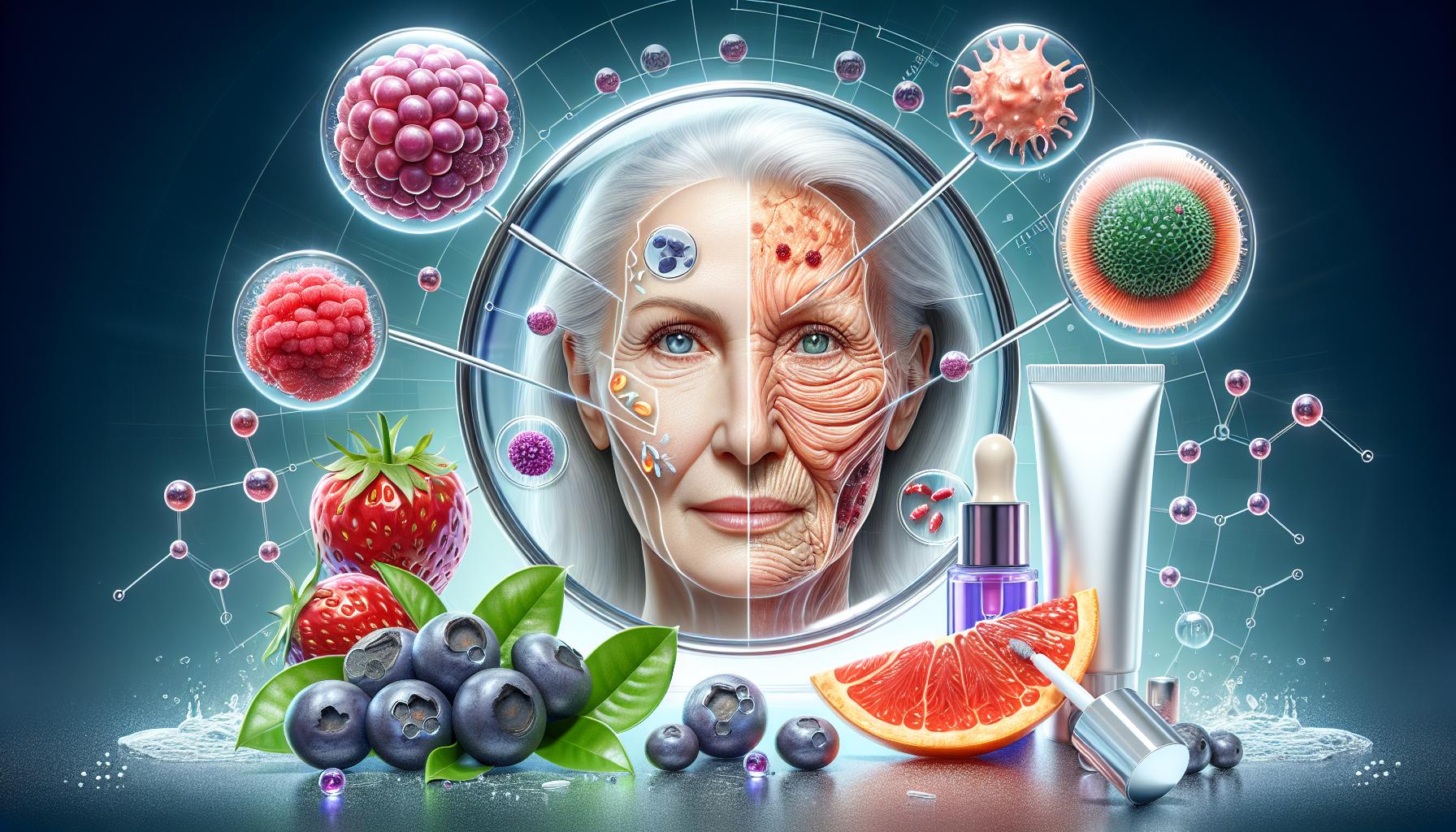
Understanding Skin Aging
As we age, our skin undergoes a series of complex changes that can be both fascinating and frustrating. The process of skin aging is influenced by a multitude of factors, including genetics, environment, and lifestyle choices. These elements interact in ways that can either accelerate or slow down the visible signs of aging.
Intrinsic Factors
Intrinsic factors are natural processes that signify the passage of time. For example, hormonal changes during menopause can lead to a decrease in estrogen levels, impacting collagen production and skin elasticity. As a person enters their 30s and 40s, cell turnover slows down, causing a buildup of dead skin cells that contributes to a dull complexion. The skin may also begin to lose its natural pigment, leading to uneven skin tone and age spots.
Extrinsic Factors
Extrinsic factors include environmental influences that contribute to premature aging. For instance, the sun’s UV rays can damage the skin’s DNA. Prolonged exposure leads to photoaging, which manifests as wrinkles, fine lines, and an increased risk of skin cancer. Similarly, pollution can create free radicals that accelerate the aging process by breaking down collagen and elastin fibers. Another common culprit is smoking; the toxins found in cigarettes can deprive the skin of oxygen and nutrients, hastening the development of lines and decreasing its overall vitality.
Lifestyle Choices
Lifestyle choices such as diet, hydration, and skincare routines significantly impact skin health. A diet rich in fruits, vegetables, healthy fats, and lean proteins can bolster skin resilience. Omega-3 fatty acids, for example, found in fish and flaxseeds, promote hydration and maintain the skin barrier function. In contrast, excessive sugar and processed foods can lead to glycation, a process that damages collagen and elastin, resulting in sagging skin.
Research Insights
Researchers have dedicated significant effort to understanding the biology of skin aging. For instance, studies reveal that collagen production decreases with age, leading to wrinkling and loss of elasticity. Furthermore, the skin’s ability to retain moisture diminishes, resulting in dryness and uneven texture. The role of antioxidants, such as vitamins C and E, is also vital, as they combat oxidative stress that can further age the skin.

Preventing and Reversing Age-Related Skin Changes
Fortunately, there are numerous strategies available to prevent and even reverse these signs of aging. From advanced skincare products enriched with antioxidants to lifestyle modifications that promote skin health, solutions abound. For instance, incorporating a broad-spectrum sunscreen with an SPF of at least 30 into your daily routine is crucial for protecting against UV damage. Regular application of retinoids can promote cell turnover and stimulate collagen production, making them a powerful tool in combating wrinkles.
Investigating the intersection of science and skincare can empower individuals to make informed choices for long-lasting beauty. Consulting with dermatologists can provide personalized insights and treatments tailored to unique skin types and concerns. Overall, understanding the factors that contribute to skin aging opens the door to proactive measures that can enhance skin health and maintain a youthful appearance for years to come.
DISCOVER MORE: Click here to personalize your beauty routine
The Mechanisms of Skin Aging
Skin aging is not merely a cosmetic concern; it is a biological process that reflects the overall health of our body. The mechanisms behind skin aging can be complex, but they primarily revolve around the gradual decline in the skin’s cellular functions, leading to visible transformations. To appreciate how we can prevent and even reverse these changes, it is essential to delve into the underlying biological processes.
Cellular Senescence and Oxidative Stress
One significant contributing factor to skin aging is cellular senescence, a state in which cells lose their ability to divide and function effectively. As we age, more skin cells enter this state, leading to diminished skin repair, inflammation, and a breakdown in the structural integrity of the skin. This process is often accelerated by oxidative stress, a phenomenon where free radicals—unstable molecules produced by factors such as UV exposure and pollution—damage skin cells. The result? An increase in fine lines, wrinkles, and an overall loss of skin vitality.
The Role of Collagen and Elastin
Two critical proteins that maintain skin’s youthful appearance are collagen and elastin. Collagen provides strength and structure, while elastin allows skin to stretch and bounce back. Beginning in our mid-20s, collagen production declines at a rate of about 1% per year. As a result, the skin becomes less firm and resilient, leading to sagging and the formation of deep wrinkles. Similarly, elastin fibers become disorganized and fragmented over time, contributing to the loss of elasticity and the prominence of age-related changes.
Highlighting the External Factors
It’s essential to consider the impact of external factors that exacerbate skin aging. Some of the most significant include:
- Sun Exposure: UV radiation damages the skin layers, leading to photoaging, characterized by deep wrinkles and uneven skin tone.
- Pollution: Harmful environmental pollutants can penetrate the skin barrier, increasing oxidative stress and promoting aging signs.
- Smoking: The chemicals in cigarettes restrict blood flow to the skin, depriving it of necessary nutrients and oxygen.
Building a Strong Skincare Foundation
The foundation of a good skincare regimen involves products that not only nourish but also protect the skin from both intrinsic and extrinsic aging factors. Incorporating ingredients like hyaluronic acid can hydrate and plump the skin, while antioxidants, such as vitamin C, safeguard against oxidative damage. Furthermore, formulations containing peptides can signal the skin to boost collagen production, making them essential in any anti-aging arsenal.
In summary, understanding the science behind skin aging equips individuals with the knowledge to implement effective prevention and reversal strategies. Embracing a proactive approach that combines informed skincare choices with a healthy lifestyle can pave the way for revitalized, youthful skin.
The Role of Sun Exposure in Skin Aging
The sun’s ultraviolet (UV) rays are one of the leading causes of skin aging, often referred to as photoaging. Research indicates that prolonged exposure to UV radiation can damage the skin’s collagen and elastin fibers, leading to wrinkles and sagging. Understanding this mechanism is crucial for preventing and reversing the signs of aging.
To mitigate the effects of sun exposure, dermatologists recommend daily use of broad-spectrum sunscreen with an SPF of at least 30, even on cloudy days. Wearing protective clothing and seeking shade during peak sunlight hours can further reduce the amount of UV rays absorbed by the skin.
Nutrition’s Impact on Skin Health
What we consume plays a significant role in maintaining youthful skin. Diets rich in antioxidants—found in fruits, vegetables, and nuts—help combat oxidative stress which contributes to skin aging. Foods high in omega-3 fatty acids, such as fatty fish, also promote skin hydration and elasticity. Consequently, a balanced diet not only supports overall health but directly influences the appearance of our skin.
Hydration is equally important; drinking sufficient water daily can improve skin’s moisture content and reduce the appearance of fine lines and wrinkles. Including supplements like collagen can also provide additional support for skin health, enhancing its firmness and reducing signs of aging.
The Importance of Skincare Regimens
Establishing a consistent skincare routine can make a dramatic difference in the skin’s appearance over time. Ingredients like retinoids, hyaluronic acid, and peptides are popular for their proven effects on collagen production and skin renewal. Retinoid-based products accelerate cell turnover, revealing fresher, younger-looking skin. Moreover, utilizing products tailored to individual skin types can optimize results and assist in achieving a luminous complexion.
Regularly exfoliating the skin helps eliminate dead cells, promoting a brighter and smoother texture. However, it’s essential to strike a balance, as over-exfoliation can lead to irritation and long-term damage. Thus, consulting with skincare professionals can guide individuals in selecting products that cater to their specific needs.
| Category | Benefits |
|---|---|
| Sunscreen Application | Protects against UV damage, reducing premature wrinkles. |
| Antioxidant-rich Diet | Combats oxidative stress, promoting skin elasticity and hydration. |
| Consistent Skincare Routine | Enhances skin renewal and boosts collagen production for younger-looking skin. |
Staying informed about the latest advancements in skincare technology can further empower individuals on their journey toward healthier skin. The secrets of preventing and reversing skin aging lie in understanding how lifestyle choices impact overall skin health.
DISCOVER MORE: Click here to learn about the latest trends
Strategies for Preventing and Reversing Skin Aging
While the biological processes behind skin aging may seem daunting, there are numerous strategies individuals can adopt to slow down and even reverse the visible signs of aging. By understanding how to enhance skin health through lifestyle choices and effective skincare products, one can take a proactive approach to maintain a youthful complexion.
Nourishing from Within
The foundation of healthy skin often starts from within. A diet rich in antioxidants, vitamins, and healthy fats can significantly impact skin’s appearance. Foods high in omega-3 fatty acids, such as salmon, walnuts, and flaxseeds, can help maintain the skin’s lipid barrier, promoting hydration and elasticity. Incorporating colorful fruits and vegetables, particularly those high in vitamin C and E, such as oranges, strawberries, and kale, can combat oxidative stress and support collagen production.
Moreover, staying hydrated plays a crucial role in skin health. Adequate water intake keeps the skin plump and well-hydrated, reducing the appearance of fine lines. In fact, a study published in the journal *Clinical, Cosmetic and Investigational Dermatology* highlights that proper hydration can enhance skin elasticity and leave it looking more youthful.
The Power of Professional Treatments
In addition to maintaining a robust skincare routine, considering professional treatments can also yield remarkable results in reversing signs of aging. Aesthetic procedures such as chemical peels, microneedling, and laser therapy can help rejuvenate the skin by exfoliating the outer layers, promoting cell turnover, and stimulating collagen production. These methods not only address existing signs of aging but also prevent future damage by enhancing the skin’s overall structure and texture.
For those seeking injectables, botulinum toxin (commonly known by the brand name Botox) and dermal fillers offer a non-surgical solution to reduce fine lines and restore volume. According to the American Society of Plastic Surgeons, these treatments have surged in popularity, with millions of procedures performed annually reflecting their effectiveness in fighting the clock.
Emphasizing Sun Protection
One of the most effective ways to prevent premature aging is through diligent sun protection. Daily application of a broad-spectrum sunscreen with an SPF of 30 or higher is crucial. UV rays can penetrate deep into the skin, exacerbating the breakdown of collagen and elastin fibers. Regular use of sunscreen not only reduces the risk of skin cancer but also shields against photoaging, preserving the skin’s natural youthful glow. Dermatologists recommend reapplying sunscreen every two hours, especially during outdoor activities, to ensure maximum protection.
Building Consistency in Skincare Regimens
Consistency is key in any effective skincare routine. Establishing a regimen that targets both intrinsic and extrinsic aging factors can lead to long-term benefits. Key ingredients to look for include:
- Retinoids: These vitamin A derivatives boost cell turnover, helping reduce fine lines and pigmentation.
- Peptides: Short chains of amino acids that can signal skin cells to ramp up collagen production.
- Hyaluronic Acid: A powerful humectant that traps moisture, keeping the skin hydrated and plump.
- Niacinamide: Also known as vitamin B3, it can improve skin elasticity, enhance barrier function, and even out skin tone.
By integrating these strategies into one’s lifestyle and skincare routine, individuals can effectively confront the challenges posed by skin aging, fostering a more vibrant and youthful appearance.
DISCOVER MORE: Click here to learn about sustainability in cosmetics
Conclusion: Embracing the Science of Skin Care
Understanding the science behind skin aging is essential for anyone looking to maintain a healthy, youthful appearance. With age, our skin naturally undergoes various changes influenced by factors both intrinsic and extrinsic. However, by harnessing the power of nutrition, professional treatments, sun protection, and a consistent skincare routine, individuals can take significant strides in preventing and even reversing the signs of aging.
It is evident that a well-rounded approach—centered around antioxidant-rich diets, sufficient hydration, and targeted skincare ingredients—plays a pivotal role in preserving skin health. Coupling these strategies with emerging aesthetic treatments can elevate skin rejuvenation efforts, delivering noticeable results in texture and appearance. The global rise in non-surgical procedures reflects a shifting perspective on skincare, emphasizing the value of both preventative measures and corrective interventions.
As we continue to learn more about the skin’s biological makeup, staying informed about innovative skincare solutions is crucial. Readers are encouraged to explore reputable sources, consult with skincare professionals, and tailor their routines to meet their unique needs. Ultimately, the journey to youthful skin is a personal one, but with dedication and the right knowledge, achieving lasting results is well within reach. The path to vibrant skin starts today—take the first step, and unlock the secrets of ageless beauty.