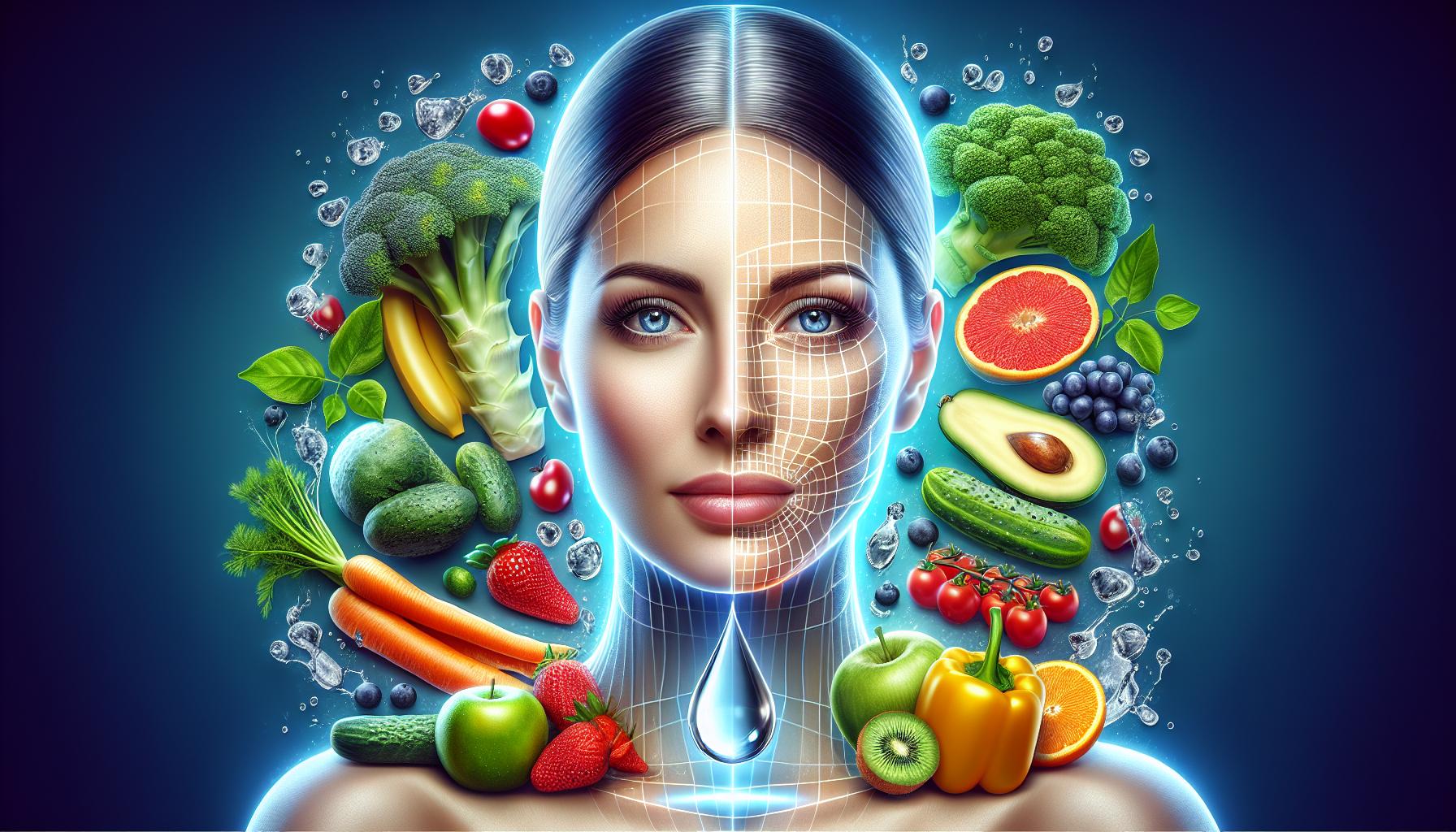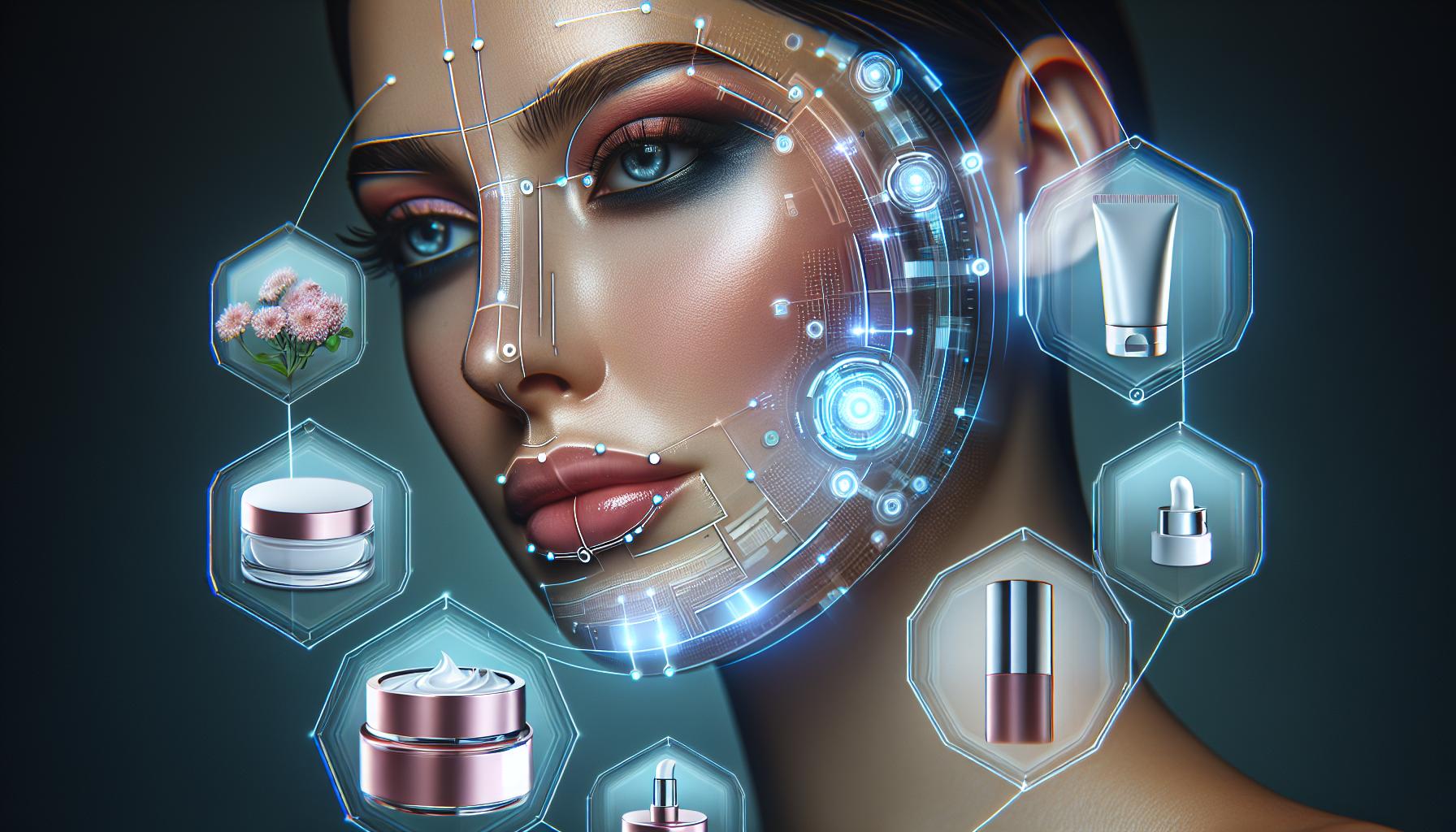
Trends in Facial Care: The Impact of Innovative Technologies on Beauty
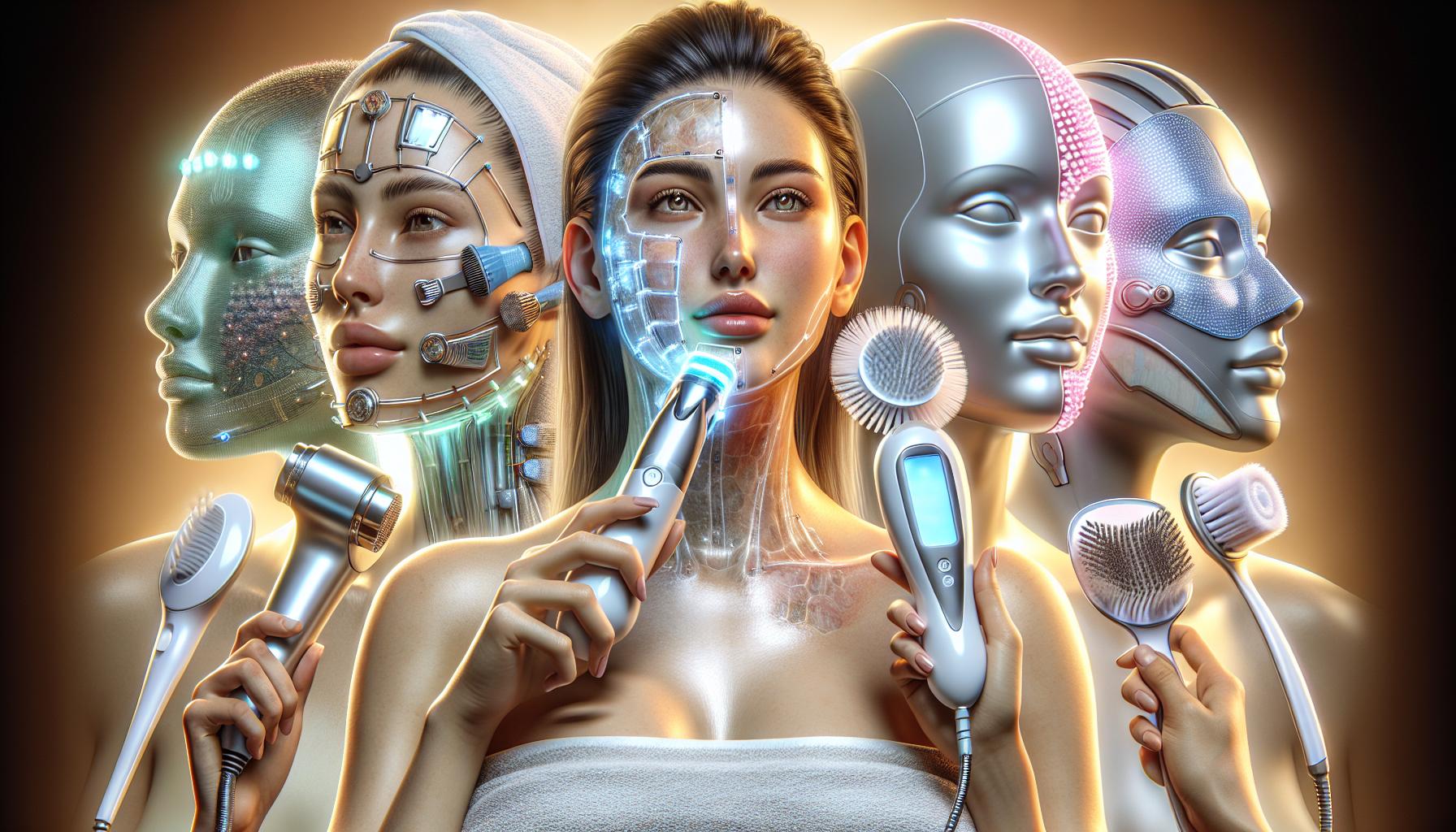
Revolutionizing Skincare with Technology
The beauty industry is witnessing an unprecedented wave of technological advancements that are reshaping the traditional practices of facial care. Innovations such as artificial intelligence, microcurrent devices, and augmented reality are not just gimmicks; they are setting new standards for achieving and maintaining healthy, glowing skin. Each of these technologies brings unique capabilities that enhance the user experience and address various skin concerns effectively.
AI-Powered Skincare Consultations
One of the most exciting developments in skincare technology is the emergence of AI-powered skincare consultations. These digital assistants harness the power of machine learning to analyze a user’s skin based on uploaded photographs. By assessing factors like skin texture, pigmentation, and pore size, AI can offer personalized product recommendations and routine tips tailored to individual needs. For instance, a skincare app may suggest a hydrating serum for dry skin or an exfoliant for oily skin, empowering users to make informed decisions about their beauty regimen without the need for a professional dermatological visit.
Microcurrent Devices
The rise of microcurrent devices signifies a shift toward non-invasive facial treatments that consumers can perform in the comfort of their homes. These handheld tools use low-level electrical currents to stimulate facial muscles, akin to a workout for the face, aiding in lifting and firming the skin. Similar to the benefits of physical exercise, regular use can improve skin elasticity and diminish the appearance of fine lines. Popular devices, such as the NuFACE, highlight the potential for achieving spa-like results at home, catering to an increasingly beauty-savvy audience looking for convenience.
Augmented Reality (AR) Try-Ons
Shopping for skincare products has never been easier thanks to augmented reality (AR) try-ons. Brands like L’Oréal and Sephora are now integrating AR technology into their apps, allowing users to visualize the effects of products on their skin before purchasing. This innovation helps consumers avoid the hassle of returns and dissatisfaction by providing a realistic simulation of how new products will suit their unique skin tones and types. In an age where online shopping is prevalent, AR tools bridge the gap between traditional retail experiences and digital convenience.
Sustainable and Ethical Beauty Solutions
In tandem with technological advancements, the demand for sustainable and ethical beauty solutions is stronger than ever. Consumers are increasingly conscious of the environmental impact of their beauty choices. Innovations in clean beauty tech focus on eco-friendly ingredients and sustainable packaging, which appeal to a market that values ethical consumption. Brands are pioneering biodegradable packaging and formulations that are free from harmful chemicals, responding to a growing customer base that prioritizes sustainability alongside efficacy.

Real-Time Skin Health Monitoring
Furthermore, the integration of wearable technology into skincare routines is transforming how consumers monitor their skin health. Devices such as skin analyzers are emerging, offering insights into hydration levels and UV exposure, promising to keep users informed and proactive about their skincare choices. This real-time monitoring empowers users to adapt their routines based on current conditions, fostering a customized approach to facial care that aligns with individual needs.
As the skincare landscape evolves, these trends are influencing beauty standards and reshaping consumer behavior. As a result, consumers not only seek products that deliver results but also appreciate those that incorporate the latest technological advancements. Consequently, the intersection of innovation with aesthetics is redefining the beauty industry and promising a future where skincare is as effective as it is personalized.
DISCOVER MORE: Click here to learn about essential anti-aging ingredients
Transformative Tools in the Hands of Consumers
As consumers become more tech-savvy, the beauty industry is rapidly evolving, with innovative technologies taking center stage in facial care. Users now have access to sophisticated tools that once required professional expertise. This democratization of skincare technology is revolutionizing the way individuals interact with their beauty routines and enhancing their overall skincare experience.
The Role of Smart Devices
Smart devices like skin analyzers and connected facial cleansing brushes are becoming household staples for beauty enthusiasts across the United States. These devices use sensors and AI to analyze skin conditions in real-time, tailoring recommendations based on personal data. For example, a skin analyzer might assess hydration levels and suggest specific serums or moisturizers to counter dehydration. Brands like Foreo are leading the way, offering products that combine cleansing with personalized skincare advice, fostering an informed consumer approach that wasn’t previously available.
3D Imaging Technology
Another advancement contributing to the trend in facial care is the introduction of 3D imaging technology. Through high-resolution scans, users can visualize changes in their skin over time, enabling them to track progress and adjust their skincare regimens accordingly. This technology allows individuals to see the underlying layers of skin that affect surface appearance, providing insights that can lead to better product selection and usage. With the ability to view their skin’s texture and tone via detailed imaging, consumers are empowered to make educated and conscious decisions in managing their skincare.
Benefits of At-Home Treatments
The growing preference for at-home treatments highlights another trend in facial care. As people become more cautious about in-person visits—whether due to health concerns or time constraints—services that once required professional skills are now being adapted for home use. The benefits include:
- Accessibility: Consumers can perform facial treatments without scheduling appointments, thus saving time.
- Affordability: Home devices are often a one-time investment compared to recurring spa visits or professional treatments.
- Customization: Users can adjust treatment frequency and intensity based on their specific skin needs.
At-home microdermabrasion kits and LED light therapy masks are emerging as popular alternatives to professional treatments, allowing consumers to achieve results traditionally associated with beauty salons. As a result, many Americans are actively participating in their skincare regimens, reinforcing their commitment to self-care in the comfort of their homes.
Influence of Social Media and Online Communities
The impact of social media cannot be overlooked in the evolving landscape of facial care technologies. Online communities and platforms like Instagram and TikTok have fostered a space where beauty trends spread quickly, often driven by user testimonials and influencer endorsements. Videos showcasing the application of new technologies or demonstrations of innovative products have become a common source of inspiration. As a result, younger generations are more inclined to incorporate these advanced solutions into their routines, relying on peer feedback rather than traditional advertising to make informed choices.
In this era of rapid technological evolution, consumers are becoming increasingly aware of the tools available to them, seeking ways to integrate scientific innovations into their daily skincare practices. The shift towards technologically advanced skincare solutions signifies a transformation that bridges the gap between health, beauty, and technology, prompting a future where everyone can attain their skincare goals with ease and efficiency.
| Technology | Impact on Beauty |
|---|---|
| AI Skincare Analyzers | These tools provide personalized recommendations based on skin analysis. |
| 3D Skin Scanning | Allows for in-depth insights into skin health and targeted treatments. |
| Wearable Technology | Tracks environmental exposure and provides preventive measures for skincare. |
In this era of rapid technological advancement, the beauty industry is undergoing a profound transformation through innovative technologies. AI skincare analyzers are now at the forefront, enabling consumers to receive customized skincare regimens. These analyzers assess individual skin types and concerns, offering tailored solutions. Another remarkable trend is the use of 3D skin scanning technology, which provides comprehensive analysis, enabling users to understand skin conditions, hydration levels, and texture. This accurate data supports targeted treatments and enhances skincare outcomes. Additionally, wearable technology, such as smartwatches with skincare tracking applications, empowers individuals by monitoring environmental factors that affect their skin health. Users can receive alerts about UV exposure and pollution levels, allowing for proactive skincare strategies. These technological advancements not only improve personal care routines but also encourage a more informed approach to beauty. As consumers become more aware of their skin’s unique needs, the innovative integration of technology in facial care becomes increasingly significant. The intersection of beauty and technology promises exciting developments, leading to a future where skincare is both personalized and proactive.
DISCOVER MORE: Click here to learn about the best anti-aging ingredients
Personalization and Customization in Facial Care
One of the most significant advancements in facial care technology is the drive towards personalization and customization. With data analytics and artificial intelligence now integrated into skincare solutions, brands are creating products tailored to the unique needs of individual consumers. This shift is paving the way for an era where one-size-fits-all skincare regimens are becoming a relic of the past.
AI-Driven Skincare Formulations
Brands such as Proven Skincare and Atolla leverage AI to analyze user-submitted data, including skin types, concerns, and environmental factors, to formulate customized skincare products. For instance, Proven Skincare utilizes a 33-question survey backed by extensive research to create specific serums that address unique skin issues. This process ensures that consumers receive products formulated specifically for their skin, maximizing effectiveness and minimizing waste. As awareness of these personalized solutions spreads, consumers are increasingly inclined to pursue individualized skincare that meets their distinctive needs.
Subscription Services and Tailored Schedules
The rise of subscription services has further enhanced personalization in facial care. Companies like Hathaspace and Birchbox offer curated skincare boxes that deliver products tailored to individual preferences and routines. These subscriptions can surprise users with new and innovative products while providing the flexibility to adjust frequency and product types based on changing skin conditions or seasonal shifts. Such services bridge the gap between personalized products and consumer convenience, allowing users to adapt their beauty regimens seamlessly.
The Intersection of Augmented Reality (AR) and Facial Care
Another exciting trend is the incorporation of augmented reality (AR) technology into the skincare shopping experience. Consumers can now virtually “try on” skincare products or treatments before purchasing, allowing them to visualize potential results. Applications like Beautydot and Sephora’s Virtual Artist enable users to upload selfies to see how various products will affect their complexion. This approach enhances consumer confidence in their choices, encouraging experimentation with new products without the risk of dissatisfaction.
The Convenience of Apps and Virtual Consultations
Alongside AR, mobile applications have emerged as key tools in skincare management. Apps like SkinVision offer users a platform to monitor their skin health, providing visual data and recommendations for maintaining optimal skin conditions. Additionally, the rise of telehealth has offered virtual skin consultations with dermatologists and skincare professionals. These consultations provide expert advice from the comfort of one’s home, making professional insights more accessible than ever.
The melding of personalized recommendations, AR experiences, and virtual consultations signifies an impressive evolution in the facial care sector, driven largely by technology. This revolution not only enhances consumer engagement but also generates a more educated customer base that actively participates in their skincare journeys.
Eco-Conscious Innovations in Beauty Technology
As consumers become more environmentally conscious, innovative technologies are also paving the way for sustainable practices in facial care. Brands are now investing in eco-friendly formulations alongside technological advancements. Innovative packaging made from biodegradable materials and refillable containers, like those from Function of Beauty, speak to a growing demand for sustainable practices in beauty. Blockchain technology is being utilized to trace the sourcing of ingredients, ensuring transparency and ethical practices, thereby appealing to the values of today’s conscientious consumers.
Such eco-conscious movements are not merely marketing trends; they reflect a deeper commitment to environmental responsibility that aligns with the priorities of modern consumers, further reshaping the landscape of the facial care industry.
LEARN MORE: Click here to discover the benefits
Conclusion: Embracing the Future of Facial Care
In conclusion, the landscape of facial care is rapidly transforming, driven by innovative technologies that combine personalization, sustainability, and accessibility. As consumers increasingly seek unique solutions tailored to their individual skin concerns, brands are stepping up with AI-driven formulations and subscription services that cater to diverse needs. The incorporation of augmented reality (AR) into shopping experiences not only boosts consumer confidence but also encourages exploration of new and effective products.
Moreover, the rise of apps and telehealth services provides unprecedented access to experts, allowing users to actively engage in their skincare routines from the comfort of their homes. This trend towards convenience and informed choices highlights a shift in consumer expectations, pushing brands to innovate continually. At the same time, the growing emphasis on eco-consciousness reflects a wider societal movement toward sustainability, as brands adopt practices that resonate with the values of the modern consumer. Transparency, ethical sourcing, and environmentally friendly packaging are no longer optional but essential to remain competitive in today’s market.
As technology continues to advance, it will be fascinating to witness how these trends evolve. The beauty industry stands at a pivotal crossroads, presenting exciting opportunities for both brands and consumers. Those eager to embrace these innovations will not only redefine their beauty regimens but may also play a role in shaping a more sustainable future for the entire industry. The future of facial care is bright, and the journey is just beginning.