Comparative Analysis of Watering Methods: Drip Irrigation vs. Traditional Watering Cans
The Importance of Watering Techniques in Gardening
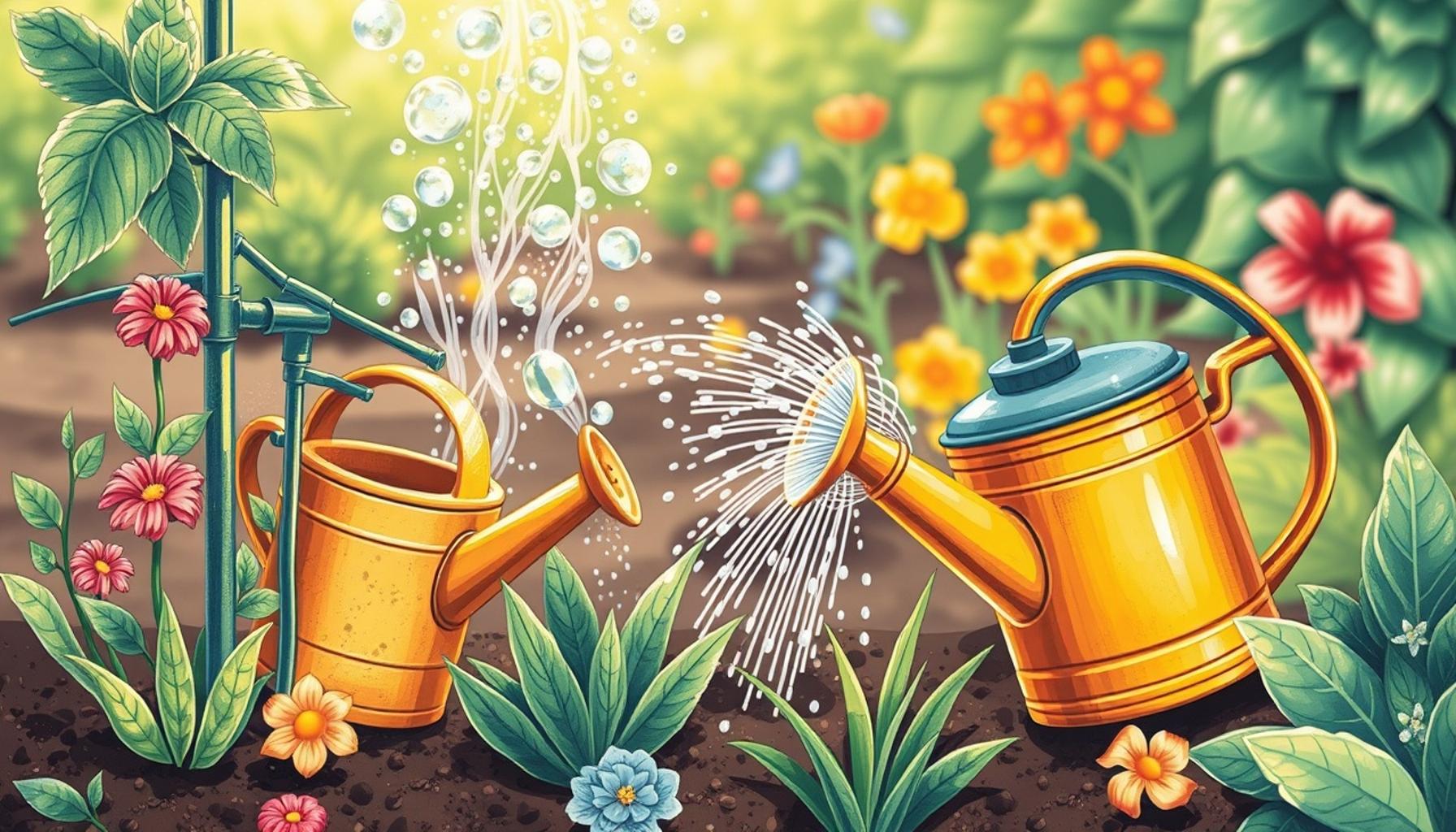
Watering plants is one of the most essential aspects of gardening that directly influences the health and growth of plants. Understanding the nuances of different watering methods can greatly enhance a gardener’s ability to nurture their green spaces efficiently. Among the myriad of options available, drip irrigation and traditional watering cans often emerge as the most popular choices for both casual gardeners and horticultural enthusiasts.
Exploring Drip Irrigation
Drip irrigation systems are designed to deliver water directly to the root zone of plants, minimizing water wastage through evaporation and runoff. This method is particularly advantageous in larger gardens or agricultural settings, allowing for a meticulous approach to watering, where each plant receives just the right amount of moisture. For example, in arid regions of the United States, such as the Southwest, drip irrigation systems have become invaluable in conserving water while ensuring crops receive adequate hydration.
Moreover, drip irrigation promotes healthy plant growth by preventing soil erosion and reducing weed growth, as only the rooted areas are watered. With the integration of timers and sensors, gardeners can optimize their watering schedule, tailoring it to the specific needs of their plants throughout different seasons. However, the initial setup costs and maintenance of drip irrigation systems may deter some gardeners, particularly those with limited budgets or smaller garden areas.
The Appeal of Traditional Watering Cans
In contrast, traditional watering cans offer a versatile and accessible method for hydrating plants. They provide gardeners with a hands-on approach to watering, giving them direct control over the amount of water applied to each plant. This tactile interaction can be incredibly fulfilling for those tending smaller gardens or flower beds. For instance, a family garden in the suburbs may benefit from the simplicity of a watering can, which allows for more personal attention to each plant’s requirements, particularly delicate seedlings or potted plants.
Another advantage of using watering cans is their affordability and ease of use. Gardeners can easily adjust the pouring rate by changing the angle of the can, allowing for precision in watering diverse types of plants. However, this approach may not be as efficient in terms of water conservation, especially in larger gardens, where applying water can become labor-intensive and time-consuming.
Water Conservation and Plant Health
Research reveals that the choice of watering method can significantly impact both water conservation efforts and plant health. For instance, studies have shown that gardens using drip irrigation can reduce water use by up to 50% compared to traditional watering methods. This efficiency is becoming increasingly critical in the U.S., where water scarcity is a growing concern due to climate change and urban development.
Understanding these two watering techniques can empower gardeners—whether they are seasoned professionals or enthusiastic beginners—to make informed decisions that align with their gardening goals and environmental responsibilities. As we delve deeper into the intricate comparisons of drip irrigation and traditional watering cans, it becomes clear that there is no one-size-fits-all solution. Each method has its distinct benefits, and the best choice often depends on the specific needs of the garden in question.
Ultimately, exploring these watering practices will not only aid in maximizing plant health but also encourage sustainable gardening practices that pave the way for a greener future.
DISCOVER MORE: Click here to uncover the best plants for your garden
Weighing the Advantages and Disadvantages
When it comes to selecting the right watering method for a garden, both drip irrigation and traditional watering cans come with their unique sets of advantages and disadvantages that every gardener should consider. Understanding these factors not only aids in choosing the best system but also contributes to making informed decisions that can positively impact the health of the plants and the efficiency of water usage.
Advantages of Drip Irrigation
- Targeted Watering: Drip irrigation delivers water directly to the root zone of plants, ensuring that moisture is readily available where it is most needed.
- Water Efficiency: Compared to traditional methods, gardens employing drip irrigation can significantly decrease water usage, sometimes by as much as 50%.
- Reduced Labor: Once set up, a drip system can minimize the frequency and effort required for manual watering, making it perfect for busy gardeners.
- Lower Disease Risk: By keeping the foliage dry and minimizing water on the soil surface, drip irrigation can reduce the incidence of fungal diseases.
While the advantages are compelling, it’s also crucial to address some of the drawbacks of drip irrigation. The initial investment can be steep, with costs associated with purchasing components such as tubing, emitters, and a water source connection. Moreover, maintaining a drip system requires regular monitoring for clogs and leaks, which might discourage some gardeners who prefer low-maintenance solutions.
Benefits of Traditional Watering Cans
- Affordability: Watering cans are inexpensive and readily available, making them an accessible option for gardeners of any financial background.
- Control Over Watering: Using a watering can allows for a hands-on method where the gardener can assess each plant’s needs distinctly, particularly important for sensitive plants.
- Low Maintenance: Unlike drip systems, watering cans require almost no upkeep, making them appealing for those who prefer a straightforward watering method.
- Ideal for Smaller Spaces: In smaller gardens, watering cans provide an efficient and manageable way to hydrate plants without the need for extensive setups.
Despite these benefits, traditional watering methods come with their own set of challenges. The labor-intensive nature of watering each plant can lead to inconsistent water distribution, often resulting in over or under-watering. Additionally, this method may not be sustainable for larger urban gardens or farms, where time and water conservation are key considerations.
As the analysis unfolds, it’s evident that both drip irrigation and traditional watering cans hold merit in the world of gardening. However, the decision lies in understanding the specific gardening context, needs, and goals that a gardener aims to achieve. As water scarcity looms on the horizon, making the most informed choices about watering techniques remains more critical than ever.
| Advantages of Drip Irrigation | Advantages of Traditional Watering Cans |
|---|---|
| Water Efficiency | Cost-Effective |
| Drip irrigation systems reduce water usage by delivering water directly to the plant’s roots, minimizing evaporation and runoff. | Watering cans, a low-cost option, allow for direct watering and are easily accessible for home gardeners without advanced technology needs. |
| Fertilizer Application | Portability |
| Systems can be integrated with fertilizer injection, allowing for nutrients to be delivered alongside water, enhancing plant growth efficiently. | Easy to carry around, watering cans can be utilized for specific areas in the garden that may need additional attention or have been overlooked by automated systems. |
In this section, we explore the strengths of both watering options. The efficiency of drip irrigation not only conserves water but maximizes plant health through tailored water delivery systems. In contrast, traditional watering cans offer a simplicity that suits many gardeners, making them a go-to choice for hands-on tending and precise watering practices. Each method has its unique benefits, catering to different needs and preferences in gardening. Understanding these advantages can enhance the watering strategy chosen for specific growth requirements or garden environments.
DISCOVER MORE: Click here to enhance your indoor gardening experience
Environmental and Economic Impact
In addition to the operational facets of drip irrigation and traditional watering cans, the environmental and economic implications of these watering methods play a significant role in the decision-making process for gardeners. As awareness of sustainable practices increases, the ecological footprint of each method has come under scrutiny.
A Look at Water Conservation
One of the most compelling arguments in favor of drip irrigation lies in its conservation of resources. This method not only delivers water directly to the root systems of plants but also has the potential to significantly decrease runoff and evaporation, both of which contribute to wasted water. According to research by the United States Department of Agriculture (USDA), gardens using drip irrigation can cut water usage by up to 50%, making it an appealing choice for those in areas facing drought conditions.
In contrast, traditional watering cans can lead to greater water loss due to overspray and evaporation, especially during hot summer months. When watering manually, gardeners may inadvertently apply excess water, creating potential for leaves and soil to become overly saturated. This can lead to problems like soil erosion and nutrient leaching—factors that can ultimately harm plant health and yield.
Cost Assessment
- Installation and Equipment: While the initial setup cost for drip irrigation can seem daunting, averaging anywhere from $300 to $2,000 depending on garden size and complexity, it is essential to recognize the long-term savings associated with reduced water bills and enhanced plant health.
- Maintenance Costs: Regular maintenance of a drip system may call for additional resources, including time for monitoring and possible replacement of components. However, the reduction in labor time and improvements in water efficiency can justify these expenses.
- Traditional Methods Cost: Watering cans, generally costing between $10 and $50, present a low entry barrier for gardeners. There are no ongoing costs involved, but the time investment and potential inefficiencies may result in increased operational costs over time, particularly in larger growing environments.
This dichotomy in costs raises important questions about the long-term sustainability of gardening practices. Gardeners must weigh whether they prioritize initial affordability or long-term resource conservation. Studies have shown that drip irrigation systems can pay for themselves in as little as two growing seasons due to the savings on water and labor, making them a viable option for the eco-conscious gardener.
Room for Innovation
As technology continues to evolve, innovative solutions are emerging in both watering methods. For instance, advancements in smart drip irrigation systems with automated controls allow for precise monitoring of soil moisture levels. This means water is applied only when necessary, thus optimizing use and eliminating waste. Furthermore, traditional watering cans are also being reimagined, with designs improving ergonomics and efficiency.
For those gardening in urban settings or limited spaces, hybrid methods are gaining traction. Combining features of both systems—using watering cans for spot watering and drip irrigation for larger areas—allows gardeners flexibility and efficiency as they navigate the challenges of plant care.
Ultimately, with a growing emphasis on sustainable practices, both drip irrigation and traditional watering cans have the potential to coexist as valuable tools in a gardener’s toolkit. An understanding of their individual strengths and weaknesses not only enhances gardening techniques but also contributes positively to environmental and economic factors in our changing climate.
LEARN MORE: Click here for seasonal watering strategies
Conclusion
In the ever-evolving landscape of gardening practices, the choice between drip irrigation and traditional watering cans presents a myriad of considerations that intertwine practicality, sustainability, and cost-efficiency. As evidenced throughout this analysis, drip irrigation stands out primarily for its water conservation capabilities, boasting reductions in usage up to 50%. This is particularly crucial for gardeners in drought-prone regions of the United States, where every drop counts. Conversely, traditional watering cans afford a low-cost and straightforward approach that appeals to novice gardeners and those tending to smaller plots.
The economic implications of both methods further highlight their distinct value propositions. While the initial investment in drip irrigation may deter some, the long-term savings on water bills and improvements in plant health underscore its merit, often leading to recovery of costs within just two growing seasons. Traditional methods, with no equipment costs, come with their own set of challenges, potentially escalating operational expenses due to inefficiencies.
Moreover, the ongoing advancements in gardening technology push boundaries for both methods, introducing hybrid approaches that maximize efficiency. Innovations such as smart drip systems and ergonomic watering cans present opportunities to enhance the watering experience, catering to personal preferences and diverse gardening needs.
Ultimately, the decision between drip irrigation and watering cans is not merely a matter of functionality but embodies a broader commitment to sustainable practices. As the gardening community increasingly embraces eco-conscious solutions, understanding the unique benefits of each method allows for informed choices that align with individual values and environmental stewardship. The future of watering methods is bright, enriched by innovation and a deeper understanding of our role in conserving precious water resources.