Using Mulch to Optimize Water Retention in Your Home Garden
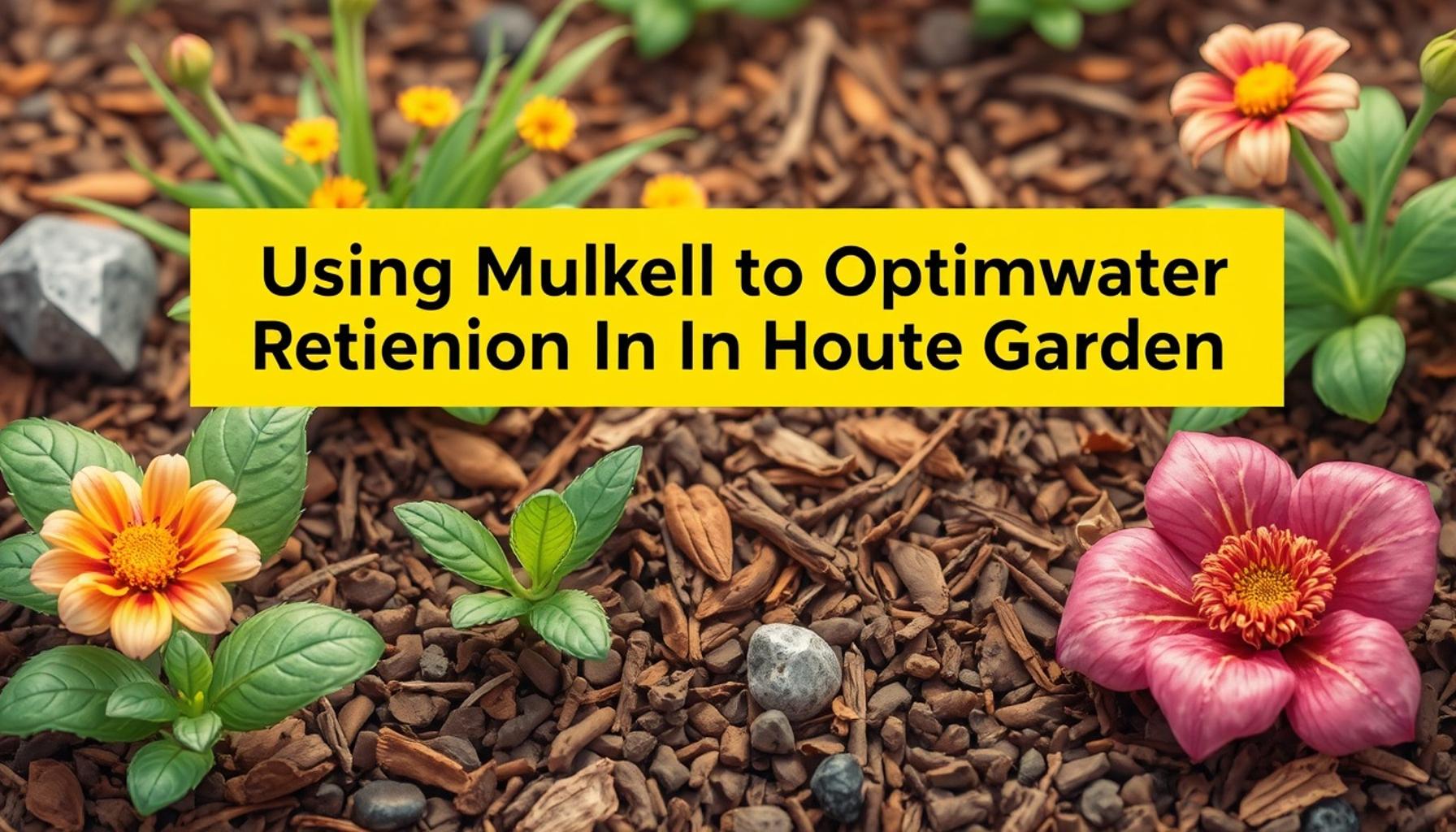
The Essential Role of Mulch in Your Home Garden
Effective water retention is a cornerstone of a thriving home garden. Among the various strategies to achieve this, one of the most effective tools at your disposal is mulch. Beyond its visual appeal, mulch serves numerous practical purposes that cater to both novice and seasoned gardeners alike.
Key Advantages of Using Mulch for Water Retention
Understanding the benefits of mulch can greatly enhance your gardening experience. Here are several compelling reasons to incorporate it into your gardening routine:
- Reduces evaporation: One of the primary benefits of mulch is its capacity to form a protective barrier over the soil. This barrier significantly minimizes water loss through evaporation, helping to keep your garden moist. During the sweltering summer months, mulch can help sustain your plants and reduce the frequency of watering, saving you both time and water resources.
- Regulates temperature: Mulch acts as an insulating layer that helps maintain a consistent soil temperature. This stability is crucial for root development, particularly for sensitive plants that thrive within specific temperature ranges. Maintaining optimal soil temperatures can lead to healthier, more resilient plants that are better equipped to withstand environmental stresses.
- Suppresses weeds: Weeds compete aggressively for the same water and nutrients that your plants need to flourish. By incorporating mulch, you block sunlight and prevent weed seeds from germinating. This suppression reduces competition significantly, allowing your plants to access the vital resources they require for growth without the added stress of competing with invasive species.
- Improves soil structure: Organic mulches, such as wood chips, straw, or grass clippings, break down over time, enhancing soil structure. As they decompose, they enrich the soil with essential nutrients and foster a thriving ecosystem of beneficial microorganisms. This not only improves the soil’s water-holding capacity but also promotes healthy root growth.
Mulch’s Growing Importance in Variable Climates
In regions that experience unpredictable weather patterns, including heavy rains followed by dry spells, the role of mulch becomes increasingly crucial. Its ability to optimize water retention means that gardeners can spend less time watering and more time enjoying their flourishing gardens. This characteristic is especially beneficial in areas with water restrictions, where every drop counts.
Choosing the Right Mulch for Your Garden
As you explore different mulch options, you will find a range of materials suited to various gardening needs. From shredded bark and straw to gravel and cocoa hulls, each type of mulch offers unique benefits. Organic mulches can provide nutrition to your garden over time, while inorganic options may require less maintenance and last longer.
Equipping yourself with the right knowledge not only enhances your garden’s aesthetics but also promotes sustainability and efficiency in water use. Embrace the power of mulch and watch as your garden flourishes like never before.
LEARN MORE: Click here for essential gardening tips
Understanding the Types of Mulch for Your Garden
Choosing the right type of mulch is fundamental to optimizing water retention in your home garden. Different materials cater to various gardening needs and can significantly influence moisture levels in the soil. Here’s a closer look at the categories of mulch and their respective benefits:
Organic Mulch
Organic mulches are derived from natural materials that decompose over time, enriching your soil as they break down. Here are some popular organic mulch options:
- Wood chips: These provide excellent moisture retention while adding organic matter to the soil. They tend to last longer than other organic options and break down slowly, providing ongoing nutrition.
- Straw: A lightweight choice, straw is often used in vegetable gardens. It helps to retain moisture, suppress weeds, and is easy to spread. It’s worth noting that straw can sometimes contain weed seeds, so it’s essential to source it from reputable suppliers.
- Grass clippings: A readily available resource, grass clippings decompose rapidly and provide nitrogen to the soil. However, it’s important to allow clippings to dry out before application to avoid clumping and potential odor.
Inorganic Mulch
Inorganic mulches, such as gravel or landscape fabric, do not provide nutrient content but can be useful for specific purposes such as water retention. Here are some key points to consider:
- Gravel: Ideal for pathways or around plants that require good drainage, gravel helps minimize water evaporation while allowing rainwater to penetrate the soil.
- Rubber mulch: Made from recycled tires, this type of mulch is durable, doesn’t decompose, and can effectively reduce evaporation. However, it doesn’t provide any organic nutrients to the soil.
- Landscape fabric: While primarily used to suppress weeds, landscape fabric can create a barrier that retains moisture beneath it. Combine it with organic mulch on top for optimal results.
Climate Considerations
Your local climate plays a significant role in selecting the right mulch for your garden. In areas prone to drought, for instance, heavier organic mulches can help retain water more effectively. On the contrary, in humid environments, lighter mulches might provide better airflow to the plants while still maintaining some moisture retention. Understanding your garden’s specific needs will help guide you in making the best decision regarding mulch type.
By selecting the correct mulch, gardeners can catalyze a chain reaction of benefits that include improved water retention and enhanced soil quality. This knowledge will not only help your plants thrive but also contribute to a more sustainable gardening practice overall.
| Category | Description |
|---|---|
| Moisture Conservation | Mulch acts as protective cover, reducing evaporation from the soil and hence maintaining moisture levels. |
| Weed Suppression | A thick layer of mulch inhibits weed growth, which often competes for water and nutrients in your garden, ensuring your plants thrive. |
Mulching not only promotes water retention but also enriches the soil as it breaks down, adding nutrients over time. Organic mulches, like wood chips or grass clippings, offer additional benefits by fostering a suitable environment for beneficial organisms. These organisms, such as earthworms, enhance soil structure, promoting better drainage and aeration while retaining moisture more effectively. Implementing mulching in home gardens can contribute significantly to sustainable practices, encouraging gardeners to utilize natural materials and reduce the need for frequent watering. The initial investment in mulch can lead to long-term savings in water costs, making it a financially sound decision for homeowners keen on optimizing their gardening efforts.By incorporating mulch, you create a protective barrier that not only enriches the plant’s environment but also enhances overall garden aesthetics. Dive deeper into different types of mulch and explore their unique benefits to maximize the effectiveness in your garden.
DISCOVER MORE: Click here for vibrant garden ideas
Applying Mulch for Maximum Water Retention
Once you’ve chosen the right type of mulch for your garden, it’s essential to apply it correctly to optimize water retention. The effectiveness of mulch can diminish significantly if not applied appropriately, so here are some vital tips and techniques to ensure your mulch provides the best results:
Layer Thickness
The thickness of the mulch layer can greatly affect its water retention capabilities. A typical recommendation is to apply mulch to a depth of 2 to 4 inches. This thickness strikes a balance between preventing weed growth and allowing moisture to reach the soil. Applying too little mulch may not suffice in preventing evaporation, while an excessively thick layer can lead to moisture entrapment, encouraging fungal growth. Always ensure that the mulch is spread evenly and covers the soil without piling up against plant stems, which can create detrimental moisture conditions.
Timing the Application
The timing of mulch application is another critical factor. Late spring or early summer is often considered the ideal time, as it allows young plants to establish themselves while reducing water evaporation. Applying mulch during dry spells can offer immediate benefits by insulating the soil and providing a barrier against excessive heat. Additionally, fall mulching can protect plants from frost and freezing temperatures, creating a favorable microclimate while still allowing for water retention throughout the dormant season.
Soil Preparation
Before laying down mulch, preparing the underlying soil is essential for optimal performance. Begin by removing weeds and debris from the garden bed, which can compete for water and nutrients. Loosening the soil will also improve aeration and root penetration, promoting a healthier plant environment. Consider adding a layer of compost beneath the mulch to enhance nutrient availability, contributing to overall earth health and improving its water-retention characteristics.
Maintenance of Mulch
Maintaining the mulch layer is equally important for its effectiveness in water retention. Organic mulches decompose, necessitating periodic replenishment to uphold their benefits. Regular inspections should be carried out to assess the depth and spread of your mulch, as natural elements such as wind and rain can displace it over time. Moreover, turning or mixing in decomposing organic mulch can enhance soil quality, creating a healthy ecosystem for your plants and retaining moisture.
Mulching Around Specific Plants
Different plants may have unique water requirements, and strategic mulching can help meet these needs. For instance, heavy mulching around water-loving plants, like ferns or certain shrubs, can create a consistent moisture supply, while lighter applications should be used for drought-tolerant species. Additionally, applying mulch in a ring shape around a plant rather than covering the entire area can focus moisture retention exactly where it’s needed most, promoting healthy growth.
Incorporating mulch into your gardening practices is a powerful and natural way to enhance water retention, reduce evaporation, and create a thriving ecosystem in your home garden. By following these application techniques, you unlock the full potential of mulch, turning your garden into a sustainable paradise even on the hottest days.
DISCOVER MORE: Click here for easy plant options
Conclusion: The Transformative Power of Mulch
In summary, using mulch in your home garden signifies more than a simple aesthetic enhancement; it represents a strategic approach to optimizing water retention and fostering a sustainable ecosystem. Through careful selection, application, and maintenance of mulch, gardeners can significantly reduce evaporation, suppress weeds, and create a healthier soil environment. The demonstrated benefits, from moderating soil temperature to naturally feeding plants, underline mulch’s essential role in modern gardening practices.
Consider the adaptability of different mulching techniques as essential tools in your gardening arsenal. Timing your mulch application wisely, such as in late spring, can maximize its impact on newly planted beds while layering appropriately ensures moisture retention without fostering harmful conditions. Furthermore, by customizing your approach based on your garden’s specific plant varieties, you can address their unique watering needs to promote optimal growth.
Ultimately, integrating mulch into your gardening routine not only bolsters the resilience of your plants during challenging weather conditions but also encourages a holistic gardening experience. As more gardeners recognize the profound benefits of mulch in optimizing water retention, they inadvertently contribute to ecological sustainability. Explore this simple yet effective practice in your own garden, and witness how mulch transforms not only your plants but also your approach to gardening.