Customization in Cosmetics: How to Create Tailored Products for Every Skin Type
Understanding the Growing Demand for Customization in Cosmetics
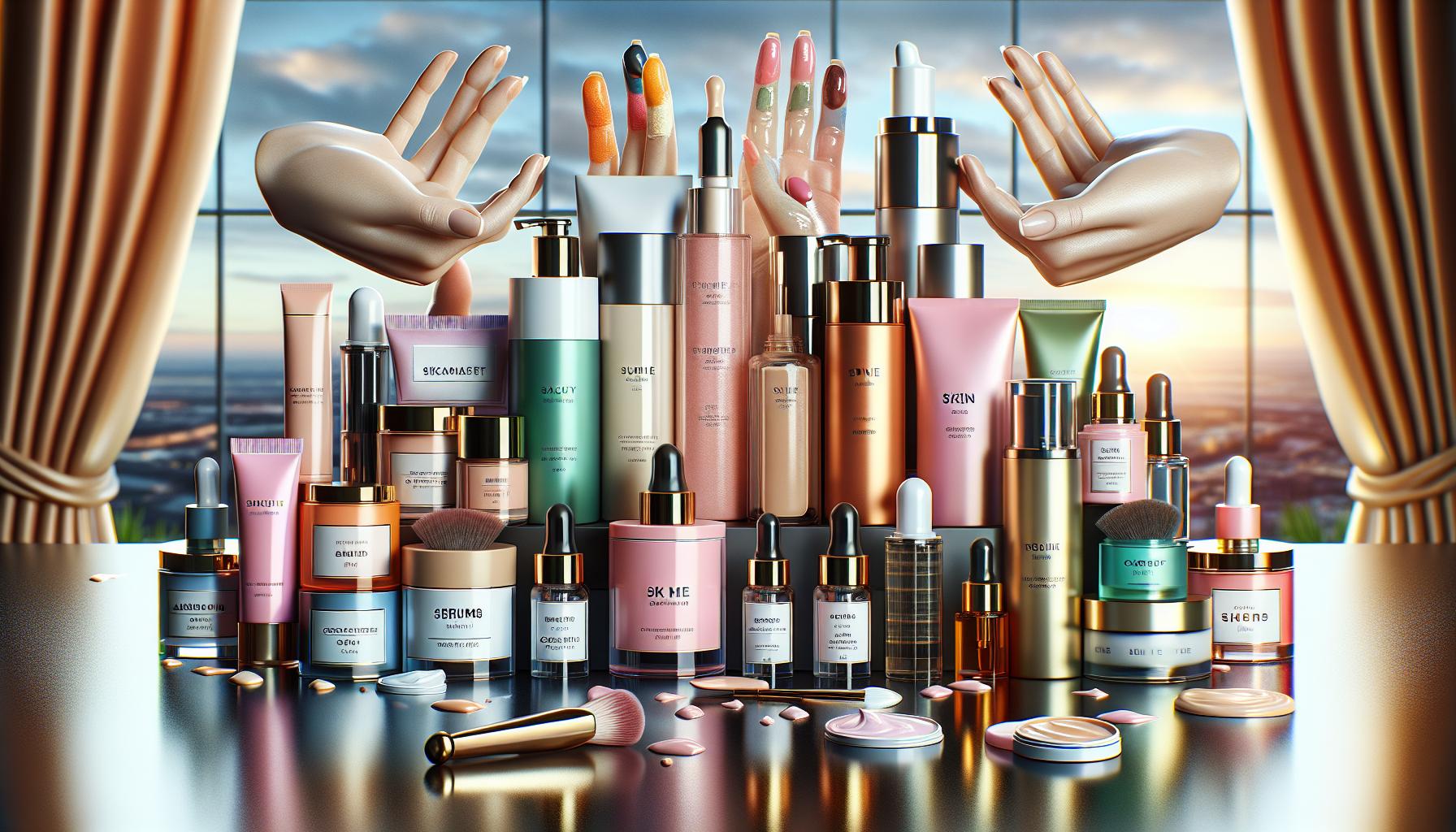
In today’s beauty landscape, consumers are increasingly embracing customization in cosmetics as a vital aspect of their purchasing decisions. This shift reflects a broader societal trend towards personalization, where individuals are seeking products that specifically cater to their unique beauty needs rather than generic solutions. Brands are taking note, as customized cosmetics not only build customer loyalty but also foster a connection between consumers and products that resonate with their individual experiences.
One of the pivotal aspects triggering this change is the diversity of skin types. Individuals with oily skin, for example, typically require lightweight formulations that help control shine, while those with dry skin benefit from creamy, hydrating products packed with emollients. Sensitivity also plays a significant role; people with reactive skin often avoid certain chemicals, preferring soothing, hypoallergenic ingredients. This recognition of skin type diversity has led to an influx of brands offering a variety of tailored solutions, ensuring consumers find what works best for them.
Moreover, specific concerns related to skin health, like acne, aging, and pigmentation, have become focal points for customization. For instance, products targeting acne often contain salicylic acid or benzoyl peroxide, while anti-aging creams frequently incorporate retinoids or peptides. Brands such as Curology have capitalized on this trend, providing consumers with personalized skincare prescriptions that address their specific conditions and skin profiles, making effective solutions more accessible.
Additionally, consumers are vocal about their preferences for ingredients in their cosmetics. Many prioritize natural and organic products over synthetic formulations, reflecting a broader cultural shift towards sustainability and ethical practices. Brands like Fenty Beauty offer extensive shade ranges and formulations that cater to different skin tones while also respecting individual ingredient preferences, which helps bridge the gap between inclusivity and personalization.
As the customization landscape evolves, technology is playing a critical role in enhancing the consumer experience. Advanced skin analysis tools are becoming more prevalent, with various apps available that allow users to analyze their skin condition through comprehensive assessments. These tools often integrate artificial intelligence, further personalizing product suggestions based on real-time data. Furthermore, detailed personalized quizzes are now common on brand websites, where customers answer a series of questions to receive tailored recommendations suited to their unique beauty profiles.
Some brands have even taken the customization journey a step further by establishing formulation labs. These environments allow consumers to create bespoke products from scratch, choosing every element—from ingredients to fragrance—ensuring that the final product aligns with their personal preferences and skin needs. This level of involvement not only empowers consumers but also reinforces their emotional investment in the brand.
As we witness the convergence of science and artistry in the realm of customized cosmetics, it is clear that this trend invites everyone to redefine beauty on their own terms. Brands are gaining insights into consumer behavior and values, creating products that not only meet but anticipate their needs. Exploring how brands adapt to this ever-evolving demand for personalization is crucial for understanding the future of the beauty industry.
DIVE DEEPER: Click here to discover more
Exploring Skin Types: The Foundation for Customization
To effectively create tailored cosmetic products, it is essential to first understand the various skin types that consumers possess. Each skin type has distinct characteristics that necessitate specific formulations. The main classifications include:
- Oily Skin: Characterized by excessive sebum production, individuals with oily skin often struggle with shine and clogged pores. Lightweight, mattifying products that control oil while providing hydration are ideal for this group.
- Dry Skin: People with dry skin tend to experience tightness, flakiness, and rough texture. Creamy formulations rich in moisturizers, such as hyaluronic acid and glycerin, are crucial as they help soothe and nourish the skin.
- Combination Skin: This type showcases both oily and dry patches, typically with an oily T-zone and drier areas on the cheeks. Dual-action products that address both concerns are necessary to maintain balance.
- Sensitive Skin: Sensitive skin often reacts to environmental factors and harsh ingredients. Hypoallergenic formulations and those enriched with calming agents like aloe vera and chamomile are essential to prevent irritation.
- Normal Skin: While often considered the ideal skin type, normal skin can benefit from lightweight products that maintain its natural balance without overwhelming it with unnecessary additives.
Identifying an individual’s skin type is the first step toward customizing cosmetics that meet their specific needs. This understanding allows brands to tailor their offerings effectively, ensuring optimal results. Additionally, there has been a growing trend towards utilizing the cosmetic industry’s innovations to facilitate this identification process. Skin type assessments, whether through in-person consultations or digital quizzes on brand websites, have emerge to guide consumers toward appropriate products.
Harnessing Technology for Customization
As technological advancements continue shaping the cosmetics market, brands are beginning to leverage these innovations to enhance their customization capabilities. With the integration of AI-driven analysis tools, companies can offer personalized skincare recommendations based on individual skin profiles. These tools analyze not just skin type but also factors such as age, lifestyle, and environmental exposures that contribute to skin health.
Some cutting-edge brands have introduced smartphone applications that allow consumers to conduct an in-depth evaluation of their skin condition. By using high-resolution images and advanced algorithms, these apps can deliver tailored product suggestions directly to the user’s device. This level of precision in customization transforms the consumer experience, empowering individuals to take control of their beauty routines and select products specifically designed for their unique needs.
Moreover, direct feedback from consumers about their skincare concerns can influence the development of products that truly resonate with target audiences. Brands dedicated to understanding their customers’ needs are better positioned to create innovative solutions that cater to the demand for customized cosmetics. By actively engaging with their consumers, these brands can gather valuable insights that inform product formulations and marketing strategies.
As the cosmetics industry continues to adapt to consumer demands for personalization, understanding skin types and leveraging technology will remain pivotal in shaping the future of tailored beauty products. Businesses that prioritize these aspects will likely excel, establishing a loyal customer base while pushing the boundaries of innovation in the beauty landscape.
When it comes to the world of cosmetics, one size certainly does not fit all. As consumers become increasingly informed about their skin’s unique needs, the demand for customized solutions has surged. The adventures in creating tailored products begin with understanding the intricacies of various skin types – oily, dry, combination, sensitive, and mature. Each category exhibits distinct characteristics that influence how products perform and interact with the skin.Firstly, the concept of customization begins by harnessing the power of ingredient selection. Formulators can select ingredients that specifically address the concerns of different skin types. For example, oily skin benefits from ingredients like salicylic acid, which helps to unclog pores and reduce shine, while those with dry skin may find relief in hydrating agents such as hyaluronic acid or shea butter that nourish and retain moisture.Moreover, customization extends beyond ingredients; the formulation process itself can be adapted. This encompasses adjusting the viscosity, scent, and texture to align with user preferences and skin requirements. For instance, a gel-based moisturizer may appeal to someone with oily skin, whereas a rich cream might be ideal for dry or mature skin types.Additionally, utilizing technology plays a pivotal role in the customization journey. Innovations such as AI-driven skin analysis tools can provide insights into a consumer’s specific skin profile, allowing brands to create products that are not only tailored but also more effective. By leveraging data, brands can formulate products that cater to individual needs, enhancing customer satisfaction and loyalty.The journey doesn’t end at the formulation stage. Packaging and marketing techniques also reflect the ethos of customization. Brands can engage consumers by offering personalized packaging or editable product labels, making the shopping experience as much about the consumer as it is about the product itself. This level of engagement fosters a sense of ownership and connection, further solidifying the bond between brand and buyer.Finally, the potential for expanding into diverse markets with customizable options is immense. Brands can explore niche segments such as vegan, cruelty-free, and eco-friendly formulations, appealing to conscious consumers. The emphasis on sustainability paired with customization can uniquely position a brand in the competitive cosmetic landscape.In this era where personalization reigns supreme, understanding and implementing bespoke solutions for every skin type isn’t merely a trend; it is the cornerstone of success in the cosmetics industry. As consumers continue to prioritize their individual needs, businesses that embrace customization will undoubtedly thrive.
DISCOVER MORE: Click here to uncover fantastic face mask recipes
The Role of Ingredient Sourcing in Customized Formulation
In addition to understanding skin types and leveraging technology, another crucial factor in creating customized cosmetic products lies in ingredient sourcing. The selection of active and inactive ingredients determines the efficacy and compatibility of a product with different skin types. Distinct ingredients can cater to specific needs, and their sourcing can greatly enhance the personalization of cosmetics.
Many consumers are becoming increasingly aware of the ingredients used in their skincare products, resulting in a shift towards naturally derived components. Brands that focus on clean and ethical sourcing can not only enhance product appeal but can also cater to individual preferences and sensitivities. For instance, individuals with oily skin may benefit from ingredients such as witch hazel and tea tree oil, known for their astringent properties that help control excess oil. On the other hand, those with dry skin may seek out formulations fortified with shea butter and avocado oil, which provide deep hydration and nourishment.
Importantly, the connection between ingredient transparency and consumer trust cannot be overstated. Brands that disclose sources and quality of their ingredients are more likely to resonate with customers who are increasingly skeptical of ambiguous labels. Highlighting ethically sourced ingredients—such as sustainably harvested botanicals—can set a brand apart in a crowded marketplace. Furthermore, engaging with local suppliers in the United States can not only ensure fresh ingredients but can also foster community support, enhancing the brand’s reputation.
Customizable Formats: The Future of Cosmetic Delivery
The future of customization in cosmetics is not limited to the ingredients alone; the format and delivery method of products are also evolving. The rise of customizable cosmetics encompasses various delivery systems, from mix-at-home kits to on-demand beauty bars. Consumers are increasingly looking for interactive ways to engage with their products, and brands are responding by offering solutions that allow individuals to tailor their skincare routines further.
Recent innovations include beauty products that fuse different makeup and skincare formulations based on user input. For example, modular beauty systems enable users to customize their foundation shades, coverage levels, and even finishes—matte, dewy, or luminous—by simply adjusting a few dials. Such customizable solutions not only provide a tailored experience but also reduce product waste, addressing a growing concern among environmentally conscious consumers.
Moreover, subscription services that focus on customized beauty boxes have gained traction. These platforms analyze user information, preferences, and past purchases to curate a selection of products that align with their unique skincare needs. This not only perpetuates customer engagement but also provides brands with invaluable data on consumer preferences, enabling continual improvement in product offerings.
Furthermore, the rise of 3D printing technology in cosmetics presents exciting possibilities for customization. The ability to print bespoke products, such as lipsticks or foundations, tailored to precise color and texture specifications, is revolutionizing the customization landscape and promising consumers a new level of personalization.
As the industry continues to innovate, brands must adapt swiftly to these changes. By prioritizing ingredient sourcing, offering customizable formats, and utilizing groundbreaking technology, companies can ensure that they are at the forefront of the personalization trend, ultimately leading to greater consumer satisfaction and loyalty.
DISCOVER MORE: Click here for effective natural remedies
Conclusion: Embracing the Future of Personalized Beauty
In a world increasingly focused on individual needs, the customization in cosmetics stands out as a revolutionary trend transforming the beauty industry. The journey of creating tailored products for every skin type extends beyond simply recognizing different skin concerns; it encompasses innovative ingredient sourcing, advanced technological solutions, and interactive consumer engagement. As revealed throughout this exploration, ingredient transparency and ethical sourcing play a critical role in building consumer trust, while modular systems and 3D printing technology pave the way for unprecedented customization opportunities.
As consumers become more educated and discerning about what goes on their skin, brands must respond by offering personalized experiences that resonate with their unique preferences and needs. The shift towards sustainable and ethically sourced components not only enhances the efficacy of cosmetic products but also aligns with the growing demand for transparency and integrity in the beauty industry.
Moreover, brands that adopt customizable formats—from personalized beauty boxes to interactive in-store experiences—will likely foster deeper connections with their customers. By harnessing data-driven insights and leveraging innovations, the cosmetic market can embrace a future where every consumer can find products tailored specifically for them, enhancing satisfaction and loyalty.
Ultimately, the path towards customization in cosmetics signifies an exciting frontier in personalized beauty. As the industry evolves to meet the demands of conscious consumers, those brands that can adeptly navigate this landscape will undoubtedly thrive, leading to a more inclusive and satisfying beauty experience for everyone.