Different Irrigation Techniques for Beginners: How to Choose the Best for Your Garden
Exploring Irrigation Techniques
Irrigation is a cornerstone of successful gardening, especially in regions with fluctuating rainfall. For beginners, choosing the right irrigation technique can be overwhelming, but understanding your options can simplify the process. Let’s dive into the most popular methods that can help establish a thriving garden.
Key Irrigation Techniques
- Drip Irrigation: This technique is highly efficient as it delivers water directly to the roots of plants through a network of tubing and emitters. By watering at the base, it minimizes evaporation and runoff, making it particularly useful in arid regions. For instance, many vegetable gardens utilize drip irrigation systems, ensuring that vegetables like tomatoes and peppers receive the precise amount of water they need for optimal growth.
- Soaker Hoses: Soaker hoses are porous tubes that allow water to seep through their walls along their length. They are an excellent choice for flower beds and vegetable gardens, providing a gentle and consistent soaking. This method is particularly beneficial for plants that prefer moist soil but are susceptible to root rot if overwatered. An example would be a row of carrots or lettuce, where a soaker hose can deliver water consistently, preventing both drought stress and excessive moisture.
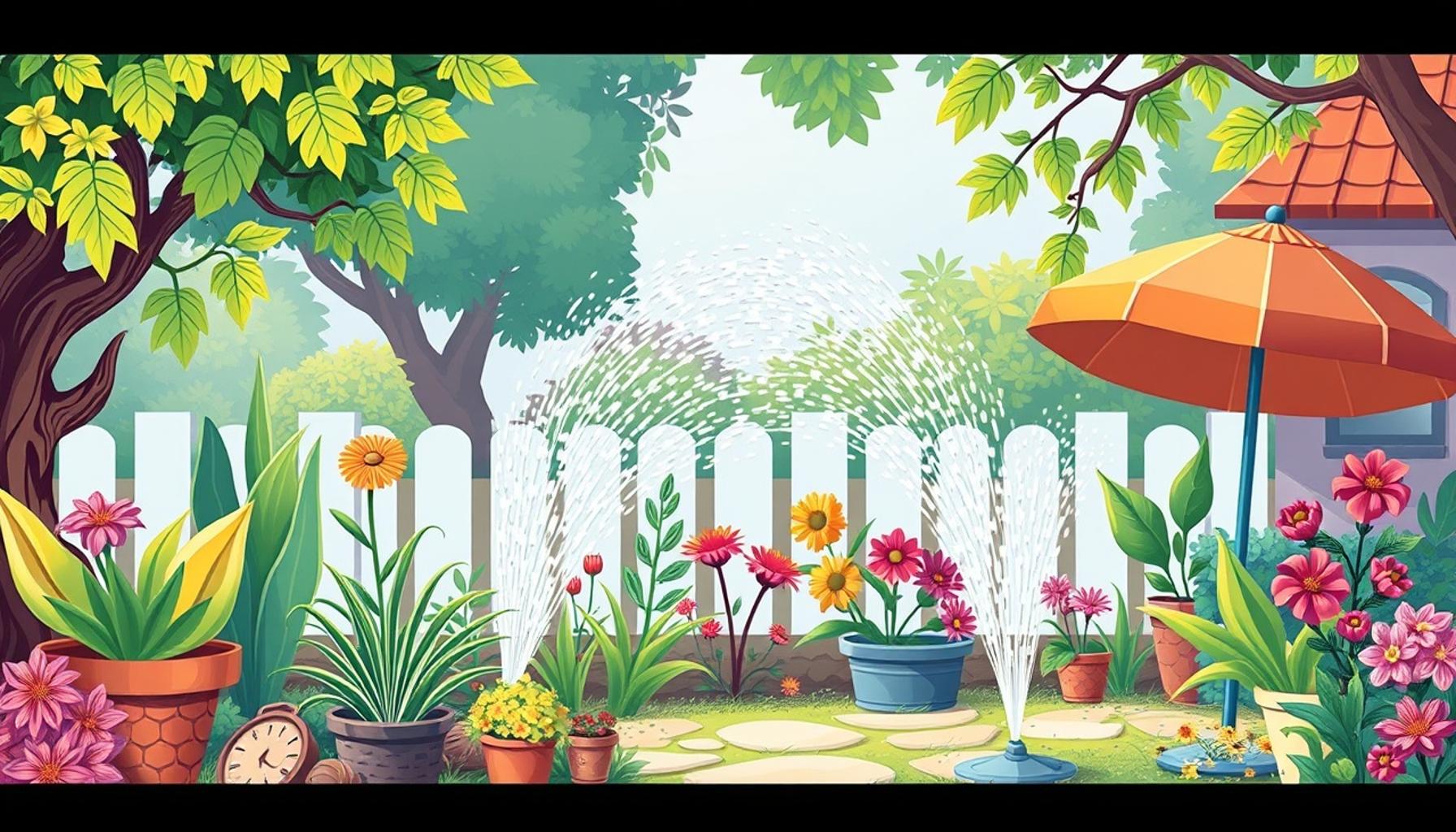
- Sprinkler Systems: Ideal for larger areas, sprinkler systems can cover broad spaces effectively, ensuring even distribution of water. There are various types of sprinkler systems, including stationary, oscillating, and rotating sprinklers. A well-designed sprinkler system can water an entire lawn or garden in a fraction of the time it would take to water manually, which is a compelling advantage for busy gardeners or those managing large landscapes. Many homeowners in suburban areas opt for automatic sprinkler systems that can be set on timers.
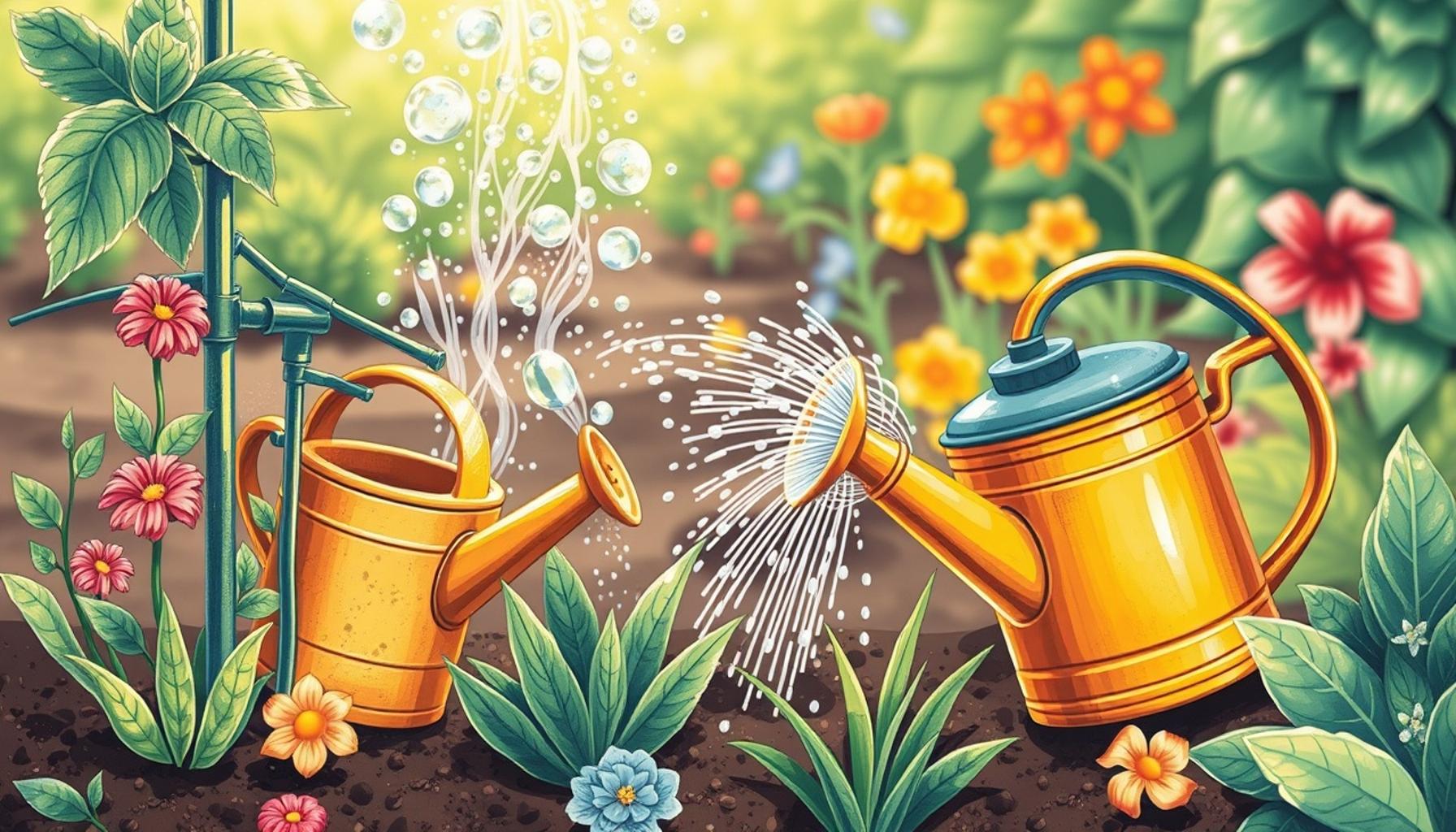
- Manual Watering: While this method may seem labor-intensive, it offers unparalleled control over the amount of water each plant receives. Using a watering can or hose allows gardeners to cater to the specific needs of each plant, especially in diverse gardens with varying plant species. It’s also a great way to monitor plant health up close. For example, hand watering can help identify early signs of pest infestations or disease.
Each of these techniques comes with its unique advantages and potential drawbacks. Understanding the climate of your garden, the type of soil, and the plants you are nurturing plays a crucial role in selecting the right method. For instance, sandy soils may require more frequent watering compared to clay soils that retain moisture longer. As you embark on your gardening journey, consider the specific needs of your plants and the resources available to you.
Factors to Consider
- Cost and installation difficulties: Some systems can be installed by a DIY enthusiast, while others may require professional installation. Drip irrigation systems can be cost-effective, especially if you source materials from local garden centers.
- Water conservation and efficiency: Techniques like drip irrigation and soaker hoses are designed with conservation in mind. They can significantly reduce water waste, which is critical in areas prone to drought.
- Size and layout of your garden: Assessing the layout is essential; for instance, a smaller garden might benefit from manual watering or soaker hoses, whereas a larger area could justify the investment in a sprinkler system.
In this article, we’ll unpack each irrigation technique in detail, helping you choose the best fit for your garden. By the end, you’ll be equipped with knowledge that will empower your gardening efforts and promote healthy plant growth. Understanding these techniques is not just about watering; it’s about ensuring the longevity and vitality of your green space.
DISCOVER MORE: Click here to learn about watering methods
Navigating Your Choices in Irrigation
When it comes to nurturing a vibrant garden, understanding the various irrigation techniques available is essential for beginners. Each method has distinct features and caters to different gardening needs. Familiarizing yourself with these options will not only enhance your gardening experience but also ensure your plants receive the right amount of water for optimal growth.
Understanding the Benefits of Each Technique
Choosing the most suitable irrigation system for your garden largely depends on your specific circumstances, including the type of flora you’re growing, your garden size, and your climate conditions. Below, we outline some critical benefits and points to consider for each method:
- Drip Irrigation: This method stands out for its efficiency in water usage. By directly supplying moisture to the roots with minimal evaporation, drip irrigation can reduce your water bills while promoting healthy plant development. It’s especially advantageous for row crops and gardens that have individual watering needs, allowing you to save resources and labor.
- Soaker Hoses: A more primal yet effective choice, soaker hoses are known for their ability to provide even moisture across flower beds and gardens. They are simple to use and, being so adaptable, can be laid out in various shapes, easily contouring to fit the layout of your garden. They are also helpful for transitioning to a more eco-friendly gardening approach, as they promote deep watering and minimize evaporation.
- Sprinkler Systems: Sprinklers are perfect for larger lawns or expanses of garden where thorough coverage is required. These systems come in a plethora of designs, from oscillating to rotary types, each varying in functionality. Investing in a quality system can save you hours, providing a mechanized solution to watering, particularly during the busy growing season.
- Manual Watering: Though often a more time-consuming approach, manually watering your garden can foster a deep connection to your plants. It allows for an attentive gardener to gauge soil moisture levels accurately, encouraging a nuanced understanding of when to water. For small-scale gardens or plants with unique hydration demands, this method proves invaluable.
The climate in your area plays a significant role in determining the right irrigation method. For example, if you reside in a region that experiences long dry spells, investing in a drip irrigation system may yield better results than manual watering. On the other hand, if your garden often receives adequate rainfall, simpler methods like soaker hoses or sprinklers may suffice.
Practical Considerations for Beginners
Embarking on your gardening journey means weighing all available options against practical realities:
- Installation and Cost: Keep in mind your budget and whether you are comfortable with DIY installations. Drip irrigation systems have significantly come down in price and can often be assembled without professional help, making them appealing for first-time gardeners.
- Water Conservation: New gardeners should be aware of the pressing need for sustainable practices. Choosing efficient systems like soaker hoses or drip irrigation can drastically decrease water waste and aid in responsible gardening in areas susceptible to water shortages.
- Garden Size: Your available space greatly influences your choice of irrigation technique. If tending to a modest garden, deploying a few soaker hoses might be all you need. However, if you tend to a larger garden or lawn, you might find that a sprinkler system is a worthy investment.
By delving deeper into each of these methods, you will not only enhance the health of your plants but also become a more informed gardener. The perfect irrigation technique awaits to be discovered—one that complements your gardening style and the needs of your green space.
When delving into the world of irrigation techniques for your garden, it’s essential to understand that different plants have varying water needs. This knowledge can help you select the most suitable method that promotes healthy growth while conserving water.
Popular Irrigation Techniques
1. Drip Irrigation
Drip irrigation is one of the most efficient options available, allowing water to drip directly to the roots of plants. It minimizes water waste and reduces evaporation, making it an eco-friendly choice for gardens with varying water requirements. Drip systems can be easily customized to fit the layout of your garden, ensuring that each plant receives just the right amount of moisture.
2. Sprinkler Systems
Sprinkler systems are a versatile choice suitable for large gardens or lawns. They can be installed in a fixed position or used with a hose to target specific areas. With a variety of models available, homeowners can choose from stationary, oscillating, or rotating systems. Sprinklers can cover bigger areas and are beneficial for both established gardens and newly planted beds, ensuring adequate coverage.
3. Soaker Hoses
Soaker hoses are another fantastic option for gardeners looking for simplicity. These hoses, porous in nature, allow water to seep out slowly along their length, delivering moisture directly to the soil. This method is particularly effective for rows of vegetables or flower beds. Soaker hoses conserve moisture and reduce evaporation, making them an economical and efficient choice for beginners.
Understanding Soil Types
Additionally, understanding your soil type can guide your irrigation choices. Sandy soils drain quickly and may require more frequent watering, while clay soils retain moisture longer and may need less. Knowing these characteristics is vital in determining the best irrigation technique that aligns with your garden’s water needs.Continuously assess your garden’s specific needs, and don’t hesitate to adjust your irrigation strategy as required. By exploring the diverse options available, you can achieve a flourishing garden that not only thrives but also conserves water effectively.
| Irrigation Technique | Advantages |
|---|---|
| Drip Irrigation | Efficient use of water by delivering it directly to the plant’s roots. |
| Sprinkler Systems | Covers large areas effectively, adaptable for various garden sizes. |
| Soaker Hoses | Low maintenance option providing moisture effectively directly to the soil. |
LEARN MORE: Click here to enhance your watering techniques
Evaluating Your Garden’s Unique Needs
As you dive deeper into the world of irrigation techniques, it’s crucial to assess the specific needs of your garden. An effective system must cater not only to the types of plants you intend to grow but also to the environmental variables unique to your area. This holistic approach will empower you to make informed decisions that promote healthy plant life and efficient water usage.
Plant Types and Their Water Requirements
Understanding the watering needs of different plants is foundational to choosing the right irrigation system. For example, succulents and cacti thrive in arid conditions and require minimal watering, making manual methods or a light soaker hose ideal. In contrast, vegetable gardens, especially those featuring leafy greens or root vegetables, demand consistently moist soil, best achieved through drip irrigation or soaker hoses. Researching plant categories—like annuals, perennials, or native species—will help you tailor your watering approach precisely to their requirements.
Soil Type: A Factor in Water Management
Your garden’s soil type significantly impacts how water is absorbed and retained. Sandy soils drain quickly, which may necessitate more frequent watering sessions and thus make drip irrigation a suitable choice for efficient water delivery. Conversely, clay soils retain moisture but tend to become compacted, causing poor drainage. In such cases, utilizing a soaker hose method may help convey water slowly, allowing it to penetrate the soil without causing runoff. Testing your soil type can provide valuable insight into how you should proceed with your irrigation setup.
Climate Considerations
In the vast United States, climate varies tremendously. For instance, the Pacific Northwest experiences more rainfall, whereas areas in the Southwest deal with arid conditions. If you’re in a rainy region, opting for a sprinkler system might oversaturate your plants and lead to root rot; in such instances, a simple manual or soaker hose method may suffice. On the flip side, if you reside in a state prone to drought like California, investing in a high-efficiency irrigation system such as drip irrigation will not only save water but also keep your plants healthy year-round.
Time Commitment and Lifestyle Factors
Think about how much time you can realistically dedicate to maintaining your garden. If you have a hectic schedule, automated systems like sprinklers or drip irrigation could alleviate some workload, ensuring your plants receive consistent care even during busy weeks. Some systems can even be controlled via smartphone apps, offering ease of operation for those who want the power of technology in their gardening. Alternatively, if you relish the hands-on approach, manual watering allows you to connect with your plants on a deeper level while promoting a mindful gardening routine.
Trial and Adjustment: The Key to Finding What Works
Once you’ve evaluated the factors that influence your irrigation choices, remember that experimentation is a helpful part of the process. Start small—maybe with a single row of plants using a new system. Monitor the results carefully and make adjustments where necessary. Over time, you will discover the ideal mix that satisfies both your plants’ needs and your lifestyle. This iterative process is not just about solving problems; it’s an enriching journey toward becoming a proficient gardener.
By evaluating your garden’s unique requirements and experimenting with different irrigation techniques, you will harness the potential of your green space while conserving resources and nurturing plants that thrive in their environment. With time and experience, the perfect method for your garden will reveal itself, leading you down a path of sustainable gardening success.
DISCOVER MORE: Click here to learn about innovative watering solutions
Conclusion: Cultivating Your Garden with the Right Irrigation Technique
Choosing the right irrigation technique is not just a matter of convenience; it’s an essential step in fostering a thriving garden that flourishes through different seasons. As you’ve explored throughout this guide, understanding the interplay between your garden’s specific needs—such as plant types, soil composition, climate, and your personal lifestyle—will help you pinpoint the most effective watering strategy. Remember, there’s no one-size-fits-all approach. What works splendidly in one area may not translate to another, especially with the diverse environments across the United States.
The journey doesn’t end once you’ve selected an irrigation method. It’s vital to engage in a trial and adjustment process, allowing you to fine-tune your system based on ongoing observations. Whether you opt for a drip system that conserves water, a soaker hose that nourishes plants deeply, or an automated sprinkler system designed for convenience, this exploration will enhance your gardening skills and deepen your bond with your plants. Moreover, as you grow more comfortable with your irrigation choices, you’ll contribute to water conservation efforts while cultivating a healthier ecosystem in your backyard.
In the end, embracing the right irrigation techniques will lead to a more sustainable gardening experience that not only meets your practical needs but also enriches your appreciation for nature. Start this exciting journey today, and watch your garden blossom like never before!