Herbs for Beginners: A Step-by-Step Guide to Growing Flavorful Plants at Home
Unlock the Benefits of Homegrown Herbs
If you’ve ever wished for a garden bursting with fresh flavors, you’re not alone. Growing herbs at home is a rewarding journey that offers numerous culinary and health benefits. With just a few steps, you can transform your kitchen and dining experience, making every meal an occasion.
Imagine the delight of snipping off a few leaves of fresh basil or parsley from your own garden just before adding them to a dish. Fresh herbs not only enhance the meal but can also create a unique flavor profile that dried alternatives simply cannot match. The aromatics can elevate dishes from ordinary to extraordinary, making simple recipes feel gourmet.
- Enhance your meals: Fresh herbs elevate any dish, bringing distinctive aromas and tastes. Commonly used herbs like dill in salmon dishes or rosemary with roasted potatoes demonstrate how fresh herbs can enhance flavors.
- Health benefits: Many herbs boast medicinal properties, offering natural remedies for common ailments. For instance, ginger is well-known for its anti-inflammatory properties, while mint can aid in digestion and combat nausea.
- Cost-effective: Cultivating your own herbs saves money compared to buying pre-packaged options. A single seed packet of basil might cost a few dollars, but it can provide a continuous supply throughout the growing season.
Whether you have a sprawling backyard or just a small windowsill, there’s always room to grow. You might be wondering how to get started—don’t worry! This guide will walk you through everything you need to know, from selecting the right herbs to caring for them.
Explore the Most Popular Herbs
Let’s take a closer look at some beginner-friendly herbs that are perfect for your home garden:
- Basil: A must-have for Italian dishes, this aromatic herb is easy to grow and maintain. You can sow seeds indoors or directly outside after the last frost, and it thrives in warm, sunny conditions.
- Peppermint: Ideal for teas and desserts, peppermint grows vigorously and can be contained in pots to prevent it from overtaking your garden. Just a few leaves steeped in hot water can create a refreshing tea.
- Chives: These hardy alliums add a mild onion flavor to salads and soups. Their delicate purple flowers are also edible, adding visual appeal to any dish.
Ready to embark on your herbal gardening adventure? To get started, you’ll need a sunny spot, some pots or garden beds, quality soil, and seeds or starter plants. Monitor the moisture levels regularly, as herbs often prefer well-draining soil. With a bit of patience and care, you’ll soon find your culinary creations enhanced by your own homegrown herbs. Enjoy the process, and let your creativity flourish as you discover endless possibilities for flavor right in your kitchen!
DISCOVER MORE: Click here to learn about the best plants for your indoor garden
Your First Steps in Herb Gardening
Before diving into the exciting world of herb gardening, it’s essential to understand the basics of how to cultivate these flavorful plants successfully. With a little planning, knowledge, and care, you can create a thriving herb garden right in your home, whether in a spacious backyard or a compact balcony. Let’s break down the initial steps to help you get started on this rewarding culinary journey.
Choosing the Right Location
The first step in growing your own herbs is identifying the perfect location. Herbs typically thrive in full sunlight, requiring about 6 to 8 hours of direct sun each day. Look for a spot that gets ample light, such as a south-facing window sill if you’re opting for indoor herbs, or a sunny corner in your garden for outdoor planting.
Gathering Your Supplies
Once you have your location determined, it’s time to gather the necessary supplies. You’ll need:
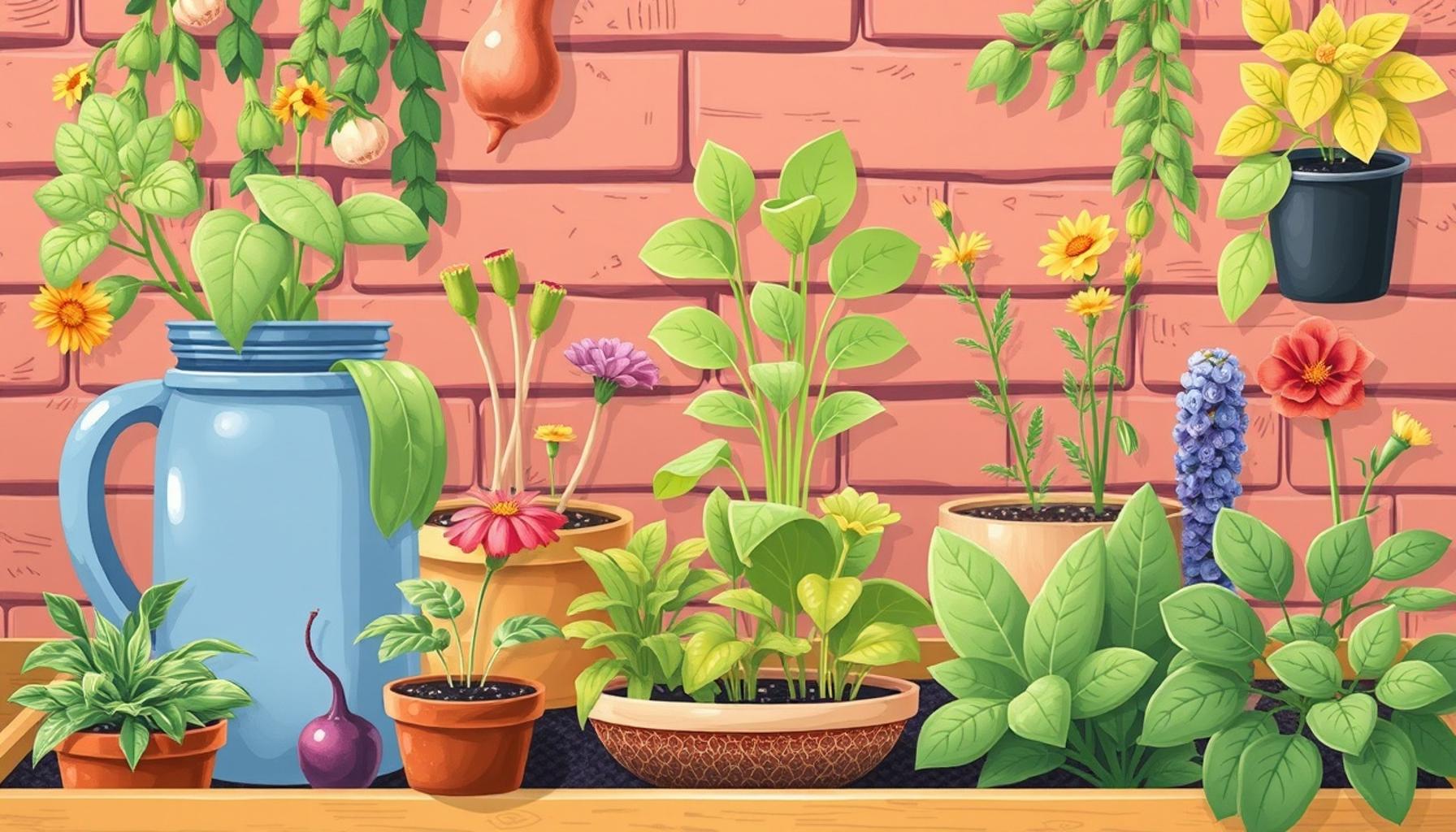
- Pots or garden beds: Choose containers with drainage holes for potting and ensure that garden beds are adequately prepared for planting.
- Quality potting soil: Herbs grow best in well-draining soil rich in nutrients. Consider purchasing a quality potting mix that is suited for herbs.
- Seeds or starter plants: You can either start from seeds or purchase young plants from a garden center. Seeds require a bit more time and patience, while starter plants provide a head start.
Planting Your Herbs
Now that you have everything ready, it’s time to plant your herbs. If starting from seeds, follow the instructions on the seed packet regarding planting depth and spacing. For starter plants, simply dig a hole in the soil, place the plant in, and gently cover the roots with soil. Water them lightly to help settle the soil around the roots.
Pay attention to the needs of individual herbs. For example, basil prefers warm weather and should be planted after the risk of frost has passed, while chives can handle cooler temperatures and can even be sown early in the spring.
Watering and Maintenance
Maintaining the right moisture level is crucial for your herb garden. Most herbs prefer to be watered when the top inch of soil feels dry to the touch. Overwatering can be just as harmful as underwatering, leading to root rot and other issues. To ensure proper growth, use a well-draining potting mix and avoid waterlogging the soil.
Regular maintenance includes trimming and harvesting your herbs. Frequent snipping encourages new growth, so don’t be afraid to use those fragrant leaves in your cooking! The more you harvest, the more your herbs will flourish.
By following these initial steps, you set yourself up for a successful herb gardening experience. As you experiment and grow, you’ll discover which herbs thrive best in your environment and how to care for them, ultimately enriching your culinary endeavors.
| Category | Advantages |
|---|---|
| Flavor Enhancement | Growing your own herbs ensures a fresh and vibrant flavor that is unmatched compared to store-bought options. |
| Culinary Versatility | Herbs like basil, parsley, and rosemary can elevate a wide array of dishes, making them an essential component in home cooking. |
As you begin your journey with “Herbs for Beginners: A Step-by-Step Guide to Growing Flavorful Plants at Home,” it is paramount to understand the rich benefits of cultivating these plants. One of the most notable advantages is the undeniable enhancement of flavor in your cooking. Imagine adding a sprig of fresh basil or a pinch of finely chopped chives to your dish. These flavors simply cannot be replicated with dried alternatives from the grocery store.Additionally, the versatility of homegrown herbs is worth noting. With just a few pots on your windowsill or balcony, you can create a garden bursting with culinary potential. Whether you are whipping up a traditional Italian pasta dish or experimenting with exotic cuisines, fresh herbs provide the perfect finishing touch, elevating the overall dining experience.By exploring how to cultivate these flavorful plants at home, you are not only enriching your meals but also embracing a rewarding hobby that brings nature’s bounty right to your kitchen. As you continue this exploration, stay tuned for insights on care, propagation, and harvesting techniques that will help you thrive as a herb gardener.
DISCOVER MORE: Click here for easy plant choices!
Caring for Your Herbs: From Pest Control to Fertilizing
Now that you have planted your herbs and they are beginning to grow, it’s important to focus on their ongoing care. Maintaining a healthy herb garden involves more than just watering; it requires an attentive approach to pest management, fertilization, and understanding the lifecycle of the plants. Let’s delve into these essential aspects to ensure your herbs remain fresh and robust.
Pest Management
Home herb gardens can attract pests that may threaten your precious plants. Common culprits include aphids, spider mites, and whiteflies. The key to handling pests is early detection. Regularly inspect your plants for signs of infestation, such as discolored leaves or tiny insects clinging to the stems.
If pests do invade your garden, consider using natural remedies. A solution of water mixed with a few drops of dish soap can effectively smother and wash away pests without harmful chemicals. Additionally, introducing beneficial insects, such as ladybugs, can provide a natural defense against unwanted guests. These insects feast on pests like aphids, making them a gardener’s best friend.
Fertilizing Your Herbs
While herbs can thrive in rich soil, fertilization can give them an added boost. A light application of balanced, organic fertilizer every four to six weeks during the growing season can help your herbs achieve their full flavor potential. Look for fertilizers labeled as suitable for herbs, as these products will have the right balance of nutrients.
If you prefer a more natural approach, consider using compost or worm castings, which enrich the soil and retain moisture effectively. Another option is to create your fertilizer mix using kitchen scraps; for instance, using banana peels can provide potassium, while crushed eggshells add calcium to the soil.
Understanding Water Requirements
As previously mentioned, keeping the soil at the right moisture level is vital for healthy herbs. However, different types of herbs may have varying water needs. For example, rosemary prefers drier conditions and can tolerate being slightly underwatered, while cilantro enjoys slightly more moisture.
One effective method to check soil moisture is to thrust your finger about an inch into the soil. If it feels dry, it’s time to water. Conversely, if it feels damp, hold off on additional watering. This method helps in avoiding the dreaded issue of overwatering, which can lead to root rot.
Harvesting with Care
Harvesting is one of the joys of herb gardening. Knowing when and how to harvest can influence the flavor and sustainability of your plants. As a general rule, you should start harvesting when your herbs are at least 6 inches tall. Use clean scissors or pruning shears to snip off the leaves, taking care not to damage the main stem.
Different herbs have specific harvesting techniques; for instance, when harvesting parsley, cut the outer leaves at the base of the stem to promote new growth in the center, while thyme can be snipped just above a leaf node to encourage branching. Remember, frequent harvesting encourages fuller growth, so don’t hesitate to use your herbs in your culinary adventures.
With consistent attention to these aspects of herb care, you’ll ensure your plants continue to thrive, yielding not just a flavorful addition to your kitchen, but also a sense of accomplishment as a budding herb gardener. Happy growing!
DON’T MISS: Click here for low-maintenance plant ideas!
Conclusion: Embrace the Joy of Growing Your Own Herbs
As you embark on your journey into the world of herb gardening, remember that patience, attention, and creativity will be your greatest allies. The art of growing your own flavorful herbs at home not only enhances your culinary adventures but also fosters a deeper appreciation for nature and the effort behind every dish you prepare. By understanding the unique needs of your herbs—such as their water, sunlight, and soil requirements—you equip yourself with the knowledge necessary for a thriving garden.
Moreover, caring for your plants should be a rewarding experience. Utilizing natural pest management techniques and organic fertilizers not only promotes healthier growth but also aligns with a sustainable approach that benefits the environment. As you foster these lush green plants, consider experimenting with different varieties to discover new flavors that can elevate your recipes.
The practical skills and knowledge you gain throughout this process will inspire confidence and ignite your passion for gardening. Whether whipping up a delicious basil pesto or flavoring your meals with a sprinkle of fresh dill, you will relish the fruits of your labor.
In conclusion, growing herbs at home is more than just a hobby; it’s a chance to connect with nature while enriching your kitchen experience. So, gather your pots, plant your seeds, and let the adventure of home herb gardening begin—one flavorful leaf at a time!