The Effects of Stress on Skin Health and Acceleration of Aging

The Skin-Stress Connection
As we navigate through the complexities of modern life, stress has become an omnipresent factor that often goes unnoticed. Its influence extends beyond mental fatigue, significantly affecting our physical appearance, particularly our skin health. The skin is often described as a mirror reflecting our internal state, and it reveals the consequences of stress in various ways. To understand this phenomenon better, it is essential to explore how stress translates into visible changes on our skin.
Aging Acceleration
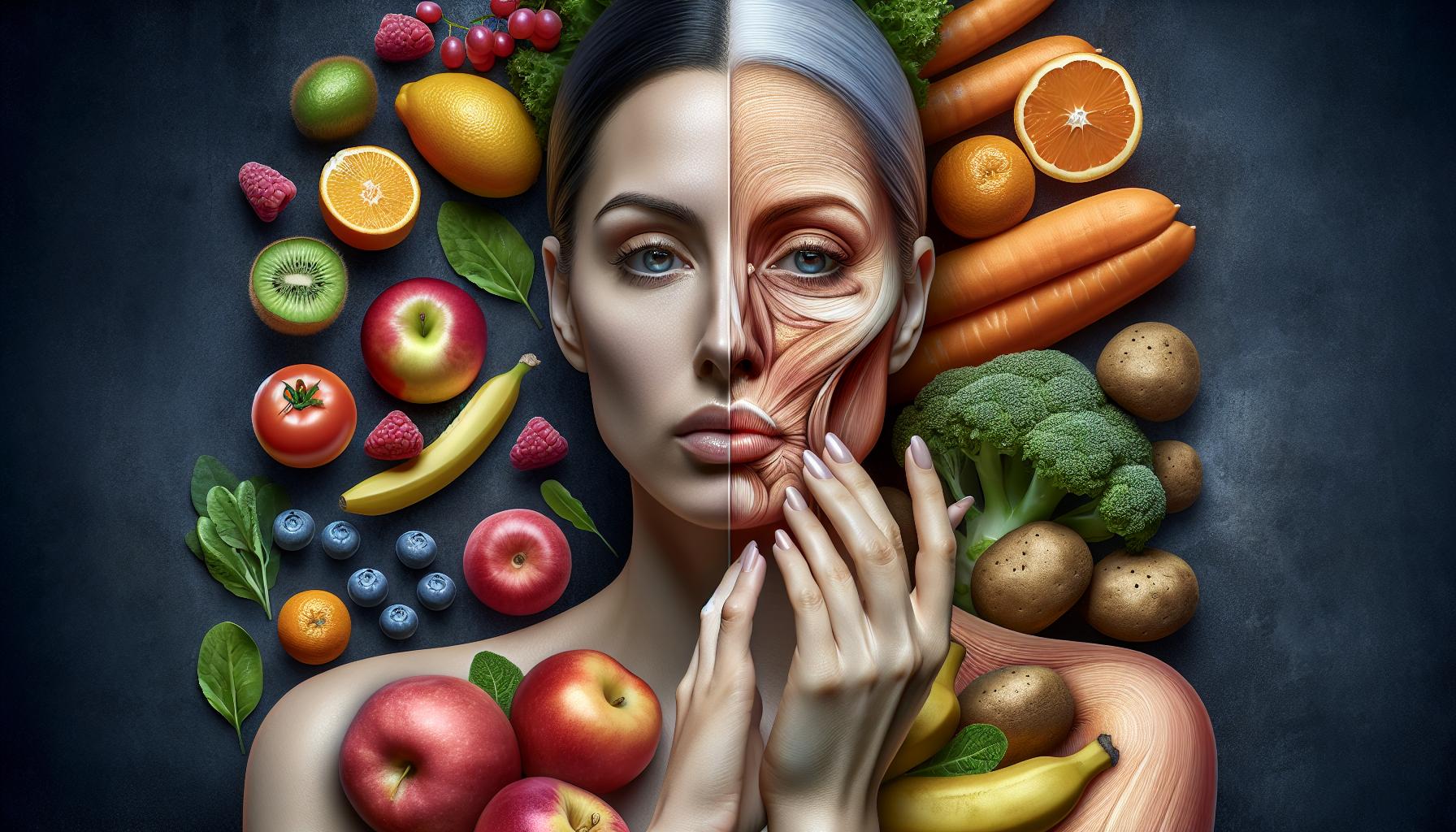
One of the most conspicuous effects of stress on our appearance is the acceleration of aging. Stress has been scientifically linked to the premature formation of wrinkles and fine lines. When faced with stress, the body releases elevated levels of cortisol, a hormone that negatively impacts collagen production. Collagen is critical for maintaining skin elasticity and firmness. As the skin loses its structural integrity, the result is sagging and the development of age-related lines far earlier than expected.
Increased Skin Conditions
Stress can also exacerbate existing skin conditions and predispose individuals to new ones. For example, those suffering from acne may notice a heightened severity during stressful periods due to increased oil production triggered by cortisol. Similarly, eczema and psoriasis can flare up as stress compromises the immune system, making the skin more reactive. The chronic inflammation associated with stress can lead to unsightly rashes or skin eruptions, creating a cyclical pattern where poor skin health further fuels psychological distress.
Complexion Issues
Beyond specific conditions, stress contributes to more general complexion issues. Many individuals report dull, tired-looking skin when under emotional strain. This lackluster appearance can be attributed to reduced blood flow, as stress redirects blood to vital organs while neglecting peripheral areas, including the skin. Consequently, this can result in an uneven skin tone and a lack of the natural glow associated with good health.
Physiological Responses
The physiological effects of stress trigger a complex cascade of biological responses. In addition to depleting collagen and inhibiting skin healing, elevated cortisol levels can impact other hormones and processes, further complicating skin health. For instance, stress can lead to increased oil production in sweat glands, creating an environment conducive to breakouts. Understanding this chain reaction emphasizes the importance of stress management for maintaining a healthy complexion.
As we continue to live in a fast-paced world, the correlation between stress and skin health becomes increasingly significant. By examining these effects closely, we can not only improve our skin care practices but also adopt a holistic approach to overall wellness. Strategies such as mindfulness, regular exercise, and proper skincare routines can mitigate the impact of stress. Thus, recognizing and addressing stress can lead to healthier skin and a more balanced life.
DISCOVER MORE: Click here to uncover the secrets to radiant skin
The Hidden Impact of Stress on Skin Health
When we think about stress, it’s easy to consider only its emotional toll. However, the physiological effects can be alarming, particularly when it comes to skin health. A surge of scientific research highlights the undeniable relationship between stress and the skin, uncovering how chronic stress contributes not only to superficial issues like breakouts or dullness but also plays a significant role in the acceleration of aging. To truly grasp the depth of this connection, we must take a closer look at the underlying mechanisms at play.
The Role of Cortisol
Stress triggers the body’s fight-or-flight response, leading to an increase in the production of cortisol, a hormone that has far-reaching effects on skin physiology. Elevated cortisol levels can be detrimental, as they hinder the natural rejuvenation processes of the skin. Specifically, cortisol can:
- Reduce collagen production: Collagen is essential for maintaining the skin’s structure and elasticity. A decrease in collagen leads to a tired appearance, with pronounced wrinkles and sagging.
- Impair wound healing: Stress impedes the skin’s ability to heal effectively, prolonging the visible signs of damage from cuts, acne, and other irritations.
- Increase skin oiliness: Overactive sebaceous glands can lead to acne flare-ups as a response to cortisol spikes, affecting complexion quality.
The Cycle of Inflammation
Chronic stress can also precipitate a cycle of inflammation within the body. This inflammation manifests in various ways, contributing to various conditions such as rosacea, eczema, and psoriasis. For individuals with pre-existing skin issues, this can create a vicious cycle—stress exacerbates a skin condition, making the individual more stressed by the worsening appearance, which in turn fuels further skin issues.
Age-Defying Strategies
While the effects of stress on skin health can seem daunting, there are proactive steps individuals can take to combat this impact:
- Mindfulness and Meditation: Techniques such as yoga and meditation can lower cortisol levels, improving stress management and, consequently, skin health.
- Hydration: Maintaining proper hydration aids skin elasticity and helps combat dryness exacerbated by stress.
- Quality Skincare Routine: Utilizing products designed to promote healing and hydration can counteract some of the damage done by stress.
Understanding the intricate connection between stress and skin health is more critical than ever in our fast-paced lives. The more we learn about how our emotions influence our physical state, the better equipped we become to make conscious choices about managing stress, which can lead to healthier, more youthful skin.
The Effects of Stress on Skin Health and Acceleration of Aging
Stress impacts our skin in remarkable ways, often revealing a complex interplay between our mental state and physical appearance. One significant manifestation of stress on skin health is through the increase in cortisol levels. Elevated cortisol can lead to a range of skin issues including increased oil production, which may trigger acne outbreaks. Furthermore, research has highlighted that stress can exacerbate chronic skin conditions such as eczema and psoriasis, making it vital to manage stress for optimal skin health.Moreover, the impact of stress extends beyond immediate blemishes; chronic stress can accelerate the aging process. This connection is predominantly due to oxidative stress, where free radicals damage skin cells. Notably, studies indicate that sustained stress can lead to a decrease in collagen production, which is essential for maintaining skin elasticity and firmness. As a result, individuals may notice an increase in fine lines and wrinkles, further accentuating the importance of mental well-being in preserving youthful skin.In addition, inadequate sleep often accompanies stress, which can further deteriorate skin health. During sleep, the body undertakes repair processes; however, stress can disrupt this restorative phase. Without sufficient rest, skin becomes dull and loses its natural glow, illustrating a direct correlation between stress management and maintaining a vibrant complexion. To comprehend this relationship better, understanding various stress management techniques is crucial. Techniques such as mindfulness meditation, regular exercise, and proper skincare routines can significantly mitigate stress-related skin issues. With growing awareness about the significance of mental health, integrating these practices into daily life may prove beneficial not just for emotional well-being but also for sustaining the health and youthfulness of our skin. To truly grasp the nuances of how stress influences skin health, exploring these avenues can provide valuable insights into effective skincare strategies that address both the mental and physical aspects of aging.
| Effects of Stress | Skin Health Implications |
|---|---|
| Increased cortisol levels | Leads to excess oil production, causing acne outbreaks. |
| Oxidative stress | Damages skin cells and decreases collagen production, leading to wrinkles. |
| Sleep disruption | Results in dull skin due to lack of repair processes during sleep. |
| Stress management techniques | Strengthen skin health and combat the aging process. |
Understanding the various impacts of stress on skin health is pivotal in addressing the challenges of aging. By acknowledging the interconnectedness of mental and physical wellness, individuals can better equip themselves in the pursuit of longevity and beauty. Embracing holistic approaches may unveil pathways to not only healthier skin but also a more serene mind.
DIVE DEEPER: Click here to learn more
Stress-Induced Skin Conditions: A Closer Examination
While the exacerbation of existing conditions is a significant concern, stress can also trigger a variety of skin issues that may become chronic if not properly managed. For instance, studies indicate that heightened stress levels can lead to increased cases of dermatitis, which includes conditions like atopic dermatitis and contact dermatitis. This often manifests as itchy, inflamed, or red skin, resulting not only in discomfort but also in a decline in self-esteem as visible symptoms emerge.
Acne: A Common Culprit
Perhaps one of the most prevalent skin conditions linked to stress is acne. Research shows that stress-induced hormonal fluctuations can lead to an uptick in sebum production, causing pores to become clogged. A 2020 study published in the Journal of Dermatological Science found that individuals with higher stress levels experienced significantly more frequent acne breakouts. Furthermore, the emotional toll of these flare-ups can lead to a detrimental cycle of stress and skin troubles, as individuals may find themselves feeling overwhelmed by their appearance.
Hair and Nail Health
Stress doesn’t just affect the skin; it can also have devastating effects on hair and nails. Conditions such as telogen effluvium—a temporary hair loss condition—often arise due to heightened stress. According to the American Academy of Dermatology, people facing significant stress may notice an increase in hair shedding, which can be alarming and lead to further anxiety. Similarly, nails can become brittle and weak under stress, increasing the likelihood of breakage and other nail disorders.
The Link to Skin Cancer Risks
Surprisingly, chronic stress could also influence the body’s ability to fend off skin-related diseases, including skin cancer. The immune system, which plays a crucial role in combating cancerous cells, can be compromised by prolonged stress. A study from Yale University in 2018 revealed that increased cortisol levels may lead to a dysregulated immune response, making it harder for the body to detect and destroy malignant cells. This highlights a direct correlation between prolonged stress exposure, immune function, and overall skin health.
A Holistic Approach to Skin Resilience
With the intricate connections between stress and skin aging, adopting a holistic approach can be beneficial. Key strategies include:
- Nutrition: Incorporating antioxidant-rich foods, such as berries, nuts, and leafy greens, can help combat oxidative stress and support skin health.
- Regular Exercise: Physical activity is a proven stress reliever, promoting endorphin release, which can enhance mood and indirectly benefit skin health.
- Professional Help: Consulting professionals like dermatologists can provide personalized treatments that address both the physical and emotional impacts of stress on the skin.
As we begin to explore the multifaceted effects of stress on skin health and aging, the evidence becomes increasingly compelling. The need for awareness and proactive measures is paramount, as our mental and emotional states can have profound implications on how our skin ages and responds to the world around us. Building resilience against stress is not only a pathway to emotional well-being but also a vital component of maintaining a vibrant complexion.
DISCOVER MORE: Click here to uncover the secrets of youthful skin
In Conclusion: Unmasking the Impact of Stress on Skin and Aging
Understanding the profound connection between stress and skin health reveals critical insights that impact not only our appearance but our overall well-being. Chronic stress, as discussed, correlates with various skin conditions like acne, dermatitis, and can even result in serious issues like compromised immune response, potentially opening the door to skin cancer. The detrimental cycle of stress-induced skin problems not only affects our external façade but significantly impacts self-confidence and mental health.
As we navigate our fast-paced lives filled with pressures, it becomes increasingly essential to prioritize stress management as part of a comprehensive skincare routine. Implementing holistic strategies, from nutrient-rich diets to regular physical activity and professional consultations, allows for a dual approach to enhancing both mental resilience and skin vitality. By understanding and tackling the root causes of stress, we can mitigate its effects and pave the way for healthier skin.
With stress playing a pivotal role in the acceleration of skin aging, this awareness serves as a critical reminder for individuals to adopt practices that not only nourish the skin but also foster emotional well-being. The journey towards healthier skin starts from within, and by embracing changes today, we empower ourselves to achieve a radiant complexion for years to come. The ongoing dialogue surrounding stress and skin health underscores an opportunity for personal growth and self-care, where the benefits extend far beyond the epidermis.