The Impact of Social Media Influencers on Cosmetic Product Trends and Consumer Choices
The Influence of Social Media on Beauty Trends
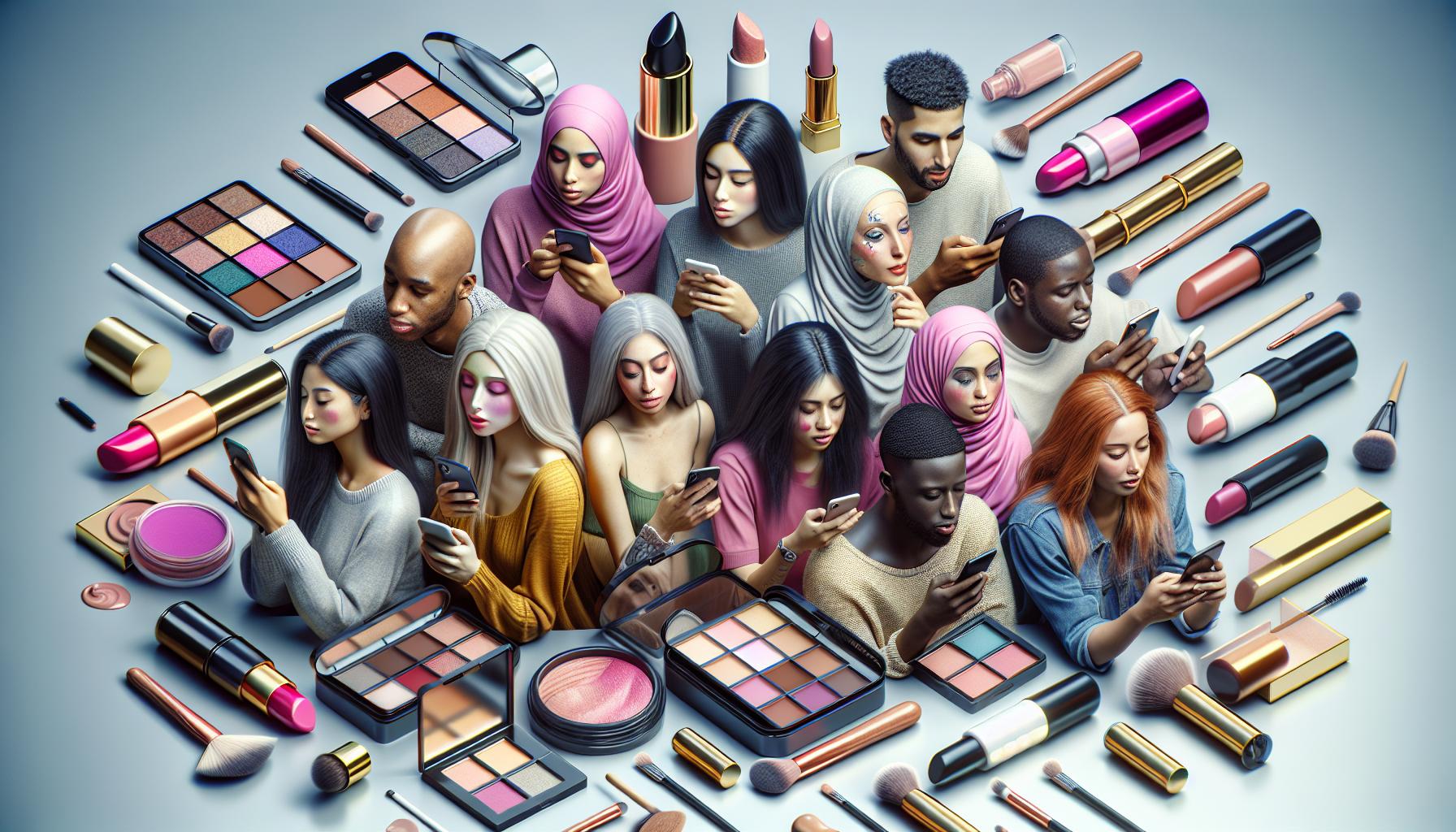
In today’s digital landscape, the rise of social media influencers has fundamentally altered how consumers engage with beauty products. From makeup tutorials to skincare regimens, influencers have the power to dictate trends and influence purchasing decisions. This shift not only highlights the changing nature of marketing but also raises questions about the authenticity of social media endorsements, the strategies brands employ, and the evolving behaviors of consumers in the beauty sector.
Key Factors in Influencer Impact
The impact of influencers on consumer behavior extends far beyond simple product endorsements. They play a multifaceted role that integrates a variety of powerful elements:
- Authenticity: In a world filled with advertisements, followers gravitate towards influencers who share candid experiences and genuine reviews of products. For example, a popular beauty vlogger might candidly discuss her struggles with sensitive skin while recommending a product that has worked for her. This personal touch fosters trust and encourages viewers to heed her recommendations.
- Engagement: The interactive nature of social media allows influencers to maintain regular communication with their audience. Commenting back on posts or asking viewers for their opinions on new products creates a sense of community. This rapport often leads to increased loyalty, ultimately affecting purchase decisions as followers feel more connected to the influencer and their lifestyle choices.
- Trends Creation: Creatively showcasing beauty looks via platforms like Instagram and TikTok, influencers often set the stage for new trends. Whether it’s a new lip color, a distinct hairstyle, or an innovative skincare ingredient, these influencers play a crucial role in making certain products go viral, showcasing their versatility through artistic videos and striking images.
Platforms such as Instagram, TikTok, and YouTube have become critical arenas for beauty brands aiming to increase their visibility. The rapid evolution of beauty standards and trends can largely be accredited to this new-age marketing approach, heavily driven by the creativity and extensive reach of influencers.
Market Response and Consumer Behavior
As they recognize this profound shift, brands are revising their marketing strategies to align with the influencer culture. Recent statistics underscore the necessity of adapting to this new landscape:
- Over 50% of consumers report being influenced by social media when deciding on cosmetic purchases.
- A staggering 73% of teenagers turn to influencer recommendations when selecting beauty products, illustrating the sway of social media on younger demographics.
- Collaborations with influencers can trigger a 20% increase in product engagement, showing the tangible impact influencers have on sales.
These statistics highlight the vital role influencers play in shaping consumer preferences. The beauty industry, for its part, has started to undergo significant transformations, adapting to meet the expectations of a new generation of savvy consumers. As we delve deeper into this and related topics, the broader implications for brands and consumers alike become strikingly clear, urging us to reconsider the value of authenticity and personal connection in marketing.

DISCOVER MORE: Click here to uncover the truths about skincare
Understanding Consumer Trust in Influencer Marketing
As the impact of social media influencers continues to grow, understanding their relationship with consumer trust has become paramount. Unlike traditional advertisements that often rely on polished visuals and catchy slogans, influencers bring a level of relatability that many consumers find appealing. Their ability to connect with audiences is largely attributed to their perceived authenticity and expertise, which can significantly sway consumer attitudes toward cosmetic products.
Building Trust through Transparency
One key aspect of influencer marketing is the emphasis on transparency. Influencers who are upfront about their partnerships with brands and disclose sponsored content are more likely to foster trust among their followers. Research indicates that consumers are increasingly looking for honesty when engaging with beauty products. In fact, a survey conducted by Influencer Marketing Hub showed that approximately 86% of consumers find it important for influencers to provide honest feedback on products they endorse. This transparency helps dispel the notion that endorsements are merely a transaction and can enhance the authenticity of the influencer’s recommendations.
Influencer-Audience Relationships
The nature of influencer-audience relationships plays a crucial role in shaping consumer choices. Influencers frequently share not just reviews, but also personal stories related to their beauty journeys. This can range from individual struggles with skin conditions to success stories involving specific cosmetic products. Such narratives create a deep emotional connection, encouraging followers to view influencers not just as marketers but as trusted friends. As a result, consumers are more inclined to adopt suggested products, perceiving them as solutions to their own beauty challenges.
Demographic Influences on Consumer Choices
Understanding the demographic factors at play is also essential when examining the influence of social media on cosmetic choices. Younger consumers, particularly those within the Gen Z and Millennial age groups, exhibit distinct preferences shaped by their social media experiences. For instance, over 70% of these consumers are influenced by the aesthetics of product presentations showcased by their favorite influencers. They are particularly drawn to visually appealing content that highlights unique features of beauty products.
Platforms like TikTok have revolutionized how consumers engage with beauty content. Short videos that demonstrate makeup tutorials or skincare routines attract significant attention, often leading to viral trends that rapidly impact cosmetic purchases. Brands are keenly aware of this phenomenon and are adjusting their marketing strategies accordingly, recognizing that capturing the interest of younger audiences requires engaging influencer collaborations on these dynamic platforms.
This interplay among trust, relationships, and demographics sets the stage for a new era of beauty marketing, where consumers are not only influenced by product availability but also by the personal narratives woven by influencers. It raises intriguing questions about the future of consumer behavior in the cosmetic industry, pushing brands to reevaluate their approaches to marketing while seeking meaningful connections with their target audiences.
The Influence of Credible Endorsements
Social media influencers wield significant power when it comes to shaping cosmetic product trends. By leveraging their credibility and authenticity, they connect with their audiences on a personal level. Research has shown that consumers are more likely to trust recommendations from influencers over traditional advertising. According to a recent study, over 70% of young adults feel influenced by social media posts when making cosmetic purchases. This trust is paramount in an industry where the perception of quality and efficacy can drive sales.
| Category | Key Features |
|---|---|
| Authentic Engagement | Influencers share personal experiences with products, enhancing relatability. |
| Heightened Visibility | Products featured in influencer posts often dominate trending social media hashtags. |
Moreover, the rise of platforms like Instagram and TikTok has revolutionized the way beauty brands approach marketing. With near-instant access to user-generated content, companies can capitalize on viral trends effectively. This newfound democratization of content allows smaller brands to gain traction quickly, with influencers often sharing under-the-radar products that can rapidly ascend in popularity. As consumers continue to seek out genuine connections and diverse perspectives, the collaboration between beauty brands and influencers remains increasingly crucial in the cosmetics landscape.
DISCOVER MORE: Click here to learn about the beauty industry’s environmental impact
The Role of User-Generated Content in Shaping Trends
Another significant factor in the influence of social media on cosmetic product trends is the proliferation of user-generated content (UGC). As consumers become creators, their feedback on beauty products can rival or even surpass traditional influencer endorsements in terms of authenticity. Social media platforms like Instagram and Pinterest encourage users to share their makeup looks, reviews, and tutorials, often employing dedicated hashtags that quickly spread throughout the beauty community. In this context, UGC not only enhances product visibility but also fosters a collaborative beauty culture that drives trends.
Creating Viral Trends through Challenges and Hashtags
Challenges and hashtags create a major avenue for fostering engagement and generating excitement around specific products. The #MakeupTransformation or #SkinCareRoutine trends showcase how everyday users can elevate their beauty routines using recommended products, illustrating genuine transformations that resonate with audiences. These types of trends amplify the reach of certain products and can lead to significant spikes in sales. Brands that are savvy enough to engage in these viral moments often find themselves at the forefront of consumer preferences.
Influencer Collaborations with Emerging Brands
Another trend emerging within the influencer landscape is the collaboration between influencers and emerging beauty brands. As consumers seek relatable alternatives to mainstream products, influencers who champion indie brands can significantly impact their success. For example, when a popular beauty influencer partnered with a little-known skincare line, their endorsement resulted in a dramatic increase in online sales, leading the brand to sell out within days. Such partnerships are increasingly common, as they align influencers’ personal brands with unique products that appeal to their audience.
Impact of Educational Content on Consumer Choices
The rise of educational content about beauty products is another component that influences consumer behavior. Many influencers now produce tutorials, product reviews, and informative videos that delve deep into ingredient safety, application techniques, and skin compatibility. This focus on education adds another layer of trust, as consumers feel more informed about their choices. A survey conducted by Influencer Marketing Hub revealed that 71% of consumers are more likely to purchase products from brands that offer educational content via influencers. This trend encourages brands to prioritize transparency and informative engagement in their marketing strategies.
The Authenticity Factor: Micro-Influencers vs. Macro-Influencers
There also exists a significant distinction between micro-influencers and macro-influencers, as the former often enjoy higher engagement rates with their followers. Micro-influencers typically have smaller, yet more engaged audiences, leading consumers to perceive their recommendations as more credible. A study by Affinio found that *micro-influencers can achieve a 60% higher engagement rate than their macro counterparts. This shift is prompting brands to reevaluate their partnerships, turning to micro-influencers for authentic endorsements that resonate with niche communities.
In light of these developments, it becomes clear that the impact of social media influencers on cosmetic product trends and consumer choices is one of the most transformative forces in the beauty industry today. The combination of trust, engagement, and the rise of user-generated content is not only reshaping trends but also altering the fundamental dynamics of how consumers interact with beauty products. As brands continue to navigate this evolving landscape, understanding the nuances of these influences will be essential for future marketing success.
LEARN MORE: Click here to discover the benefits of aloe vera
Conclusion
As we navigate the rapidly evolving landscape of the beauty industry, it’s evident that social media influencers play a critical role in shaping cosmetic product trends and influencing consumer choices. The relationship between influencers and their audiences has transformed from mere endorsements to a nuanced interaction underscored by authenticity and relatability.
The rise of user-generated content has further democratized beauty trends, allowing consumers themselves to become powerful stakeholders in the marketing ecosystem. With platforms buzzing with challenges, tutorials, and hashtags, the collaborative nature of beauty content has proven that engagement can lead to significant spikes in sales and brand visibility.
Moreover, partnerships between influencers and emerging beauty brands highlight a shift towards supporting indie products that resonate with more niche audiences seeking unique, relatable options. Simultaneously, educational content provided by influencers fosters trust and confidence among consumers, demonstrating the vital importance of transparency in an era where information is at everyone’s fingertips.
Lastly, the effectiveness of micro-influencers is reshaping traditional marketing strategies, as brands recognize the value of authentic, relatable connections over sheer follower counts. As the beauty industry continues to adapt, brands that harness the power of social media influencers while prioritizing innovation, education, and authenticity will undoubtedly stand at the forefront of consumer preferences.
In conclusion, the impact of social media influencers extends far beyond trends; it represents a paradigm shift in how consumers discover, engage with, and ultimately choose cosmetic products. As we look to the future, understanding these dynamics will be crucial for brands aiming to thrive in this vibrant marketplace.