The Relationship between Stress and Skin Types: How to Manage the Effects on Your Beauty

The Connection Between Stress and Skin Health
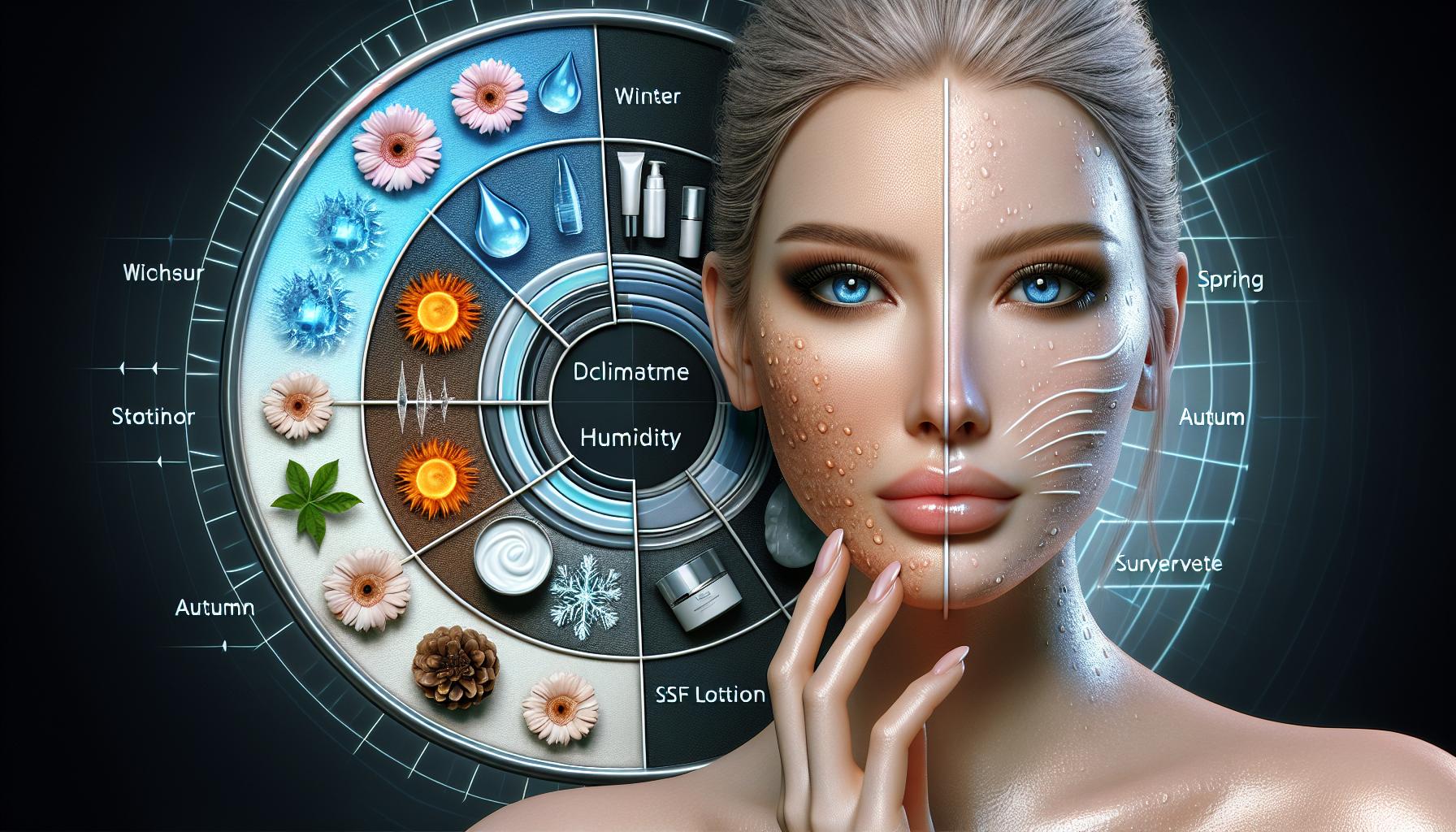
In the hustle and bustle of modern life, many people experience stress daily, often without recognizing its wide-ranging effects. Stress isn’t just a mental burden; it can manifest physically, especially in the skin. Stress triggers various biochemical reactions in the body, including the release of cortisol, which can lead to real changes in skin health and appearance. Understanding how stress affects different skin types is vital for anyone looking to maintain a vibrant complexion.
Stress impacts each skin type uniquely, resulting in a spectrum of concerns:
- Oily Skin: For those with oily skin, increased stress can lead to heightened oil production. This can create an unnecessary breeding ground for acne, as clogged pores become inflammation hotbeds. Stress-induced acne is often more severe and stubborn, requiring specialized treatment methods.
- Dry Skin: Conversely, individuals with dry skin may find their complexion worsens under stress. When the body is stressed, it can lose moisture more rapidly, leading to a rough, flaky texture. For instance, during high-pressure scenarios like tax season or job interviews, many report a noticeable decline in skin conditions.
- Sensitive Skin: For those with sensitive skin, stress can increase redness and irritation. Stress may exacerbate conditions such as rosacea or eczema, leading to visible discomfort. A stressed skin barrier becomes more susceptible to environmental aggressors, enhancing the risk of inflammation.
- Combination Skin: Those with combination skin often face the dual challenges of managing dryness and oiliness. Stress can exacerbate both conditions, resulting in fluctuating skin health. This can make skincare management feel like a balancing act, leaving many unsure of how best to care for their skin.
These physical manifestations of stress can lead to diminished self-esteem and confidence, compounding the very issue of stress itself. Recognizing how your skin reacts when under pressure allows for better management techniques and proactive skincare approaches. The first step is to identify personal triggers and patterns related to stress and skin changes.
To combat the adverse effects of stress on skin health, consider integrating stress management techniques and tailored skincare routines into daily life. Simple practices such as meditation, regular exercise, hydration, and proper nutrition can help mitigate stress levels significantly. Additionally, investing in targeted skincare—such as non-comedogenic products for oily skin or rich moisturizers for dry skin—can make a meaningful difference. In the sections that follow, we’ll delve deeper into each of these strategies, revealing how you can achieve and maintain radiant skin despite life’s inevitable stressors.
DISCOVER MORE: Click here to learn how your diet affects your skin
Understanding Your Skin Type and Stress Responses
Every individual possesses a unique skin type, which plays a crucial role in how stress affects their skin. Understanding these differences can empower individuals to tailor their skincare routines accordingly. Let’s explore these common skin types in greater detail, especially how they react under stress, to offer insights that can help revitalize your beauty regimen.
Oily Skin: The Challenge of Overproduction
For individuals with oily skin, the increased cortisol production during stressful moments leads to overactive sebaceous glands. This often results in excessive oil, which can aggravate acne conditions. Research indicates that hormonal fluctuations caused by stress can cause increased insulin levels, triggering even more oil secretion. Therefore, for those battling oily skin, incorporating products with salicylic acid and non-comedogenic qualities is vital. Furthermore, ensuring regular exfoliation can help clear clogged pores and reduce breakouts.
Dry Skin: The Impact of Moisture Loss
On the opposite side of the spectrum, individuals with dry skin may experience increased flakiness and irritation due to stress. The body’s natural response to stress often diverts essential hydration away from the skin, leaving it looking dull and lifeless. In urban areas, where pollution can exacerbate this condition, it is even more critical to utilize rich moisturizers and hydrators like hyaluronic acid and ceramides. A well-hydrated skin barrier can offer protection against environmental stressors, making it essential to prioritize moisture retention in your skincare routine.
Sensitive Skin: A Reaction to Environmental Aggressors
Those with sensitive skin frequently face challenges in maintaining skin balance during times of stress. Stress can trigger existing skin conditions, such as rosacea or eczema, making the skin more susceptible to irritants. According to dermatologists, maintaining a simplified skincare routine that minimizes exposure to fragrance and harsh chemicals can significantly benefit sensitive skin. Gentle cleansers and soothing ingredients, like aloe vera and chamomile, can help reduce inflammation and provide relief during stressful periods.
Combination Skin: The Balancing Act
People with combination skin often find themselves navigating the dual challenges of dryness and oiliness. Stress can cause fluctuations that exacerbate both conditions, making it a formidable adversary in skincare management. The key to addressing combination skin lies in adopting a balanced skincare approach. Using lightweight, hydrating formulas combined with targeted treatments for oily zones can help harmonize the skin without exacerbating dryness elsewhere. Regularly assessing your skin’s needs, particularly during high-stress periods, can help maintain that coveted equilibrium.
By recognizing how your specific skin type is affected by stress, you can be more proactive in managing its impact. Tailoring your skincare routine and incorporating stress-reduction strategies will not only enhance your skin’s appearance but also improve overall wellness. In the following sections, we will further explore effective techniques for mitigating the effects of stress, ensuring that your skin radiates beauty, regardless of external pressures.
| Stress Effects on Skin | Management Techniques |
|---|---|
| Acne and Breakouts | Incorporate anti-stress skincare products that help regulate oil production and clear pores. |
| Dry Skin and Dehydration | Use hydrating creams and maintain a balanced diet rich in antioxidants to combat the dryness linked to stress. |
| Sensitive Skin Reactions | Practice mindfulness and meditation to reduce stress-induced sensitivity and irritation. |
| Wrinkles and Premature Aging | Implement a consistent skincare routine with retinoids and sunscreen to prevent further damage. |
Understanding the interplay between stress and various skin types is crucial for maintaining your beauty regimen. Acne-prone skin can thrive when treated with products that specifically target oil regulation, while those suffering from dryness may find relief through hydration techniques enriched with antioxidants. Additionally, sensitive skin types can greatly benefit from stress-reduction practices like mindfulness to minimize irritation. The signs of stress, such as premature aging, highlight the need for a devoted skincare routine emphasizing anti-aging treatments. Properly managing stress effects can significantly enhance one’s overall appearance, making beauty regimes more effective and sustainable.
EXPLORE MORE: Click here to learn about genetics and skin aging
Effective Strategies for Managing Stress and Its Impact on Your Skin
Understanding how stress affects your skin types is just the beginning; implementing effective strategies to manage this relationship is essential for maintaining vibrant and healthy skin. Various techniques can cater to the unique needs of different skin types, allowing individuals to address stress-related skin issues effectively. In this section, we will examine practical solutions tailored to support skin well-being while combating daily stressors.
Incorporating Mindfulness Practices
Stress can wreak havoc on the skin, but mindfulness practices such as meditation and yoga can help mitigate its effects. Engaging in these activities leads to lowered cortisol levels, which can minimize the inflammatory responses that affect the skin. For instance, conducting short, daily mindfulness sessions—just ten to fifteen minutes—can be beneficial. Programs like Headspace or Calm offer guided meditations that can fit effortlessly into busy schedules. Regular practice promotes mental clarity and emotional balance, reflecting positively on your skin.
Adopting a Balanced Diet
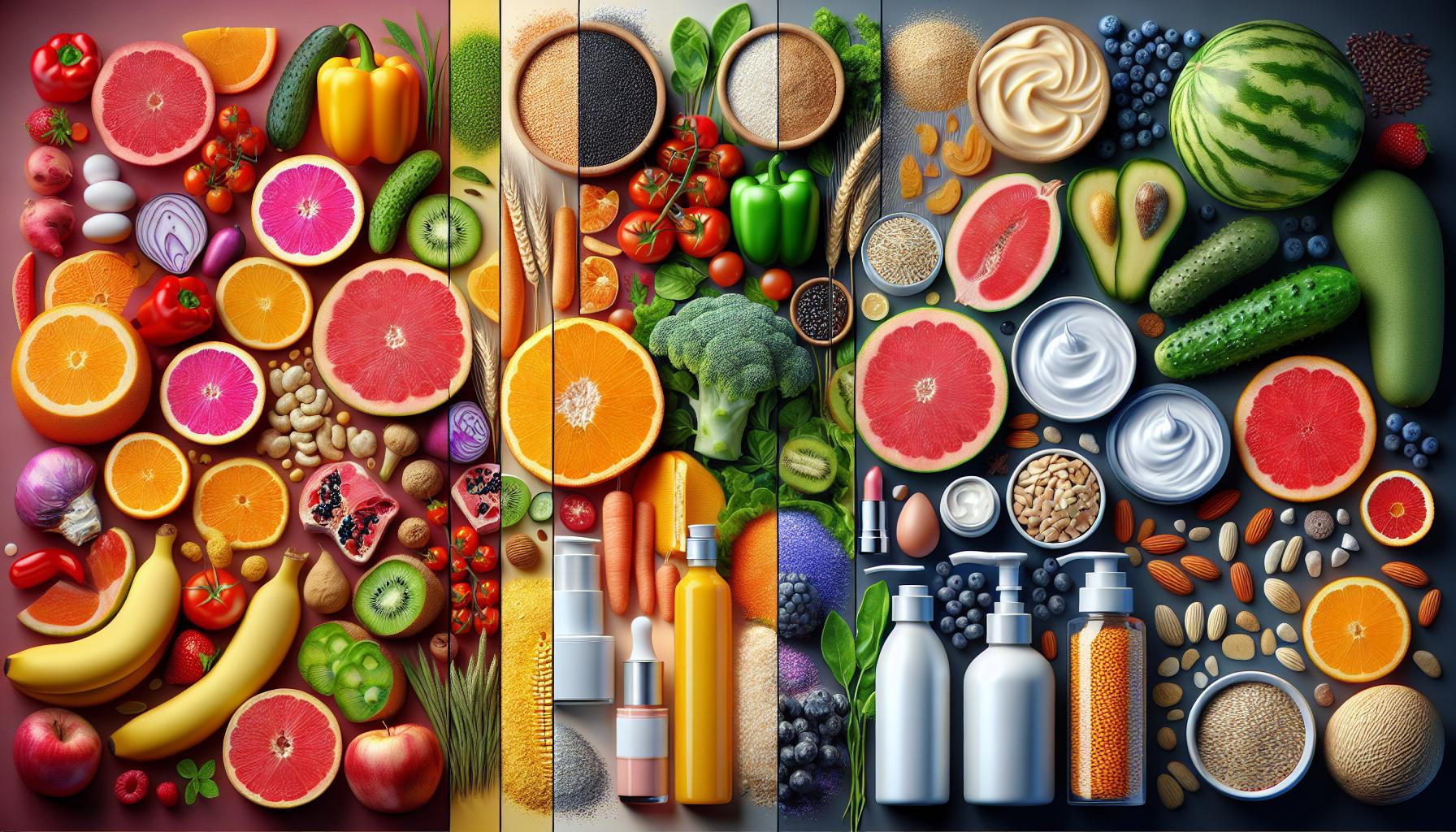
What you eat has a profound impact on your skin’s health, particularly during periods of stress. Research indicates that diets high in antioxidants, vitamins, and healthy fats can combat the effects of stress on the skin. Incorporate foods rich in omega-3 fatty acids—like salmon and chia seeds—alongside vibrant fruits and vegetables that are high in vitamins C and E, such as oranges and almonds. These nutrients help combat inflammation and promote collagen synthesis, essential for maintaining skin elasticity and radiance. Additionally, hydration is crucial; drinking plenty of water throughout the day can help flush out toxins and keep skin adequately hydrated.
Creating a Tailored Skincare Routine
Designing a skincare routine that aligns with your specific skin type is vital for stress management. For oily skin, consider incorporating products with charcoal or clay, which can help absorb excess oil while preventing breakouts. Individuals with dry skin should seek out rich creams containing shea butter or glycerin to lock in moisture. For those with sensitive skin, rely on gentle, hypoallergenic products, avoiding any fragrances and preservatives that might aggravate irritation. Implementing facial oils and serums can add an additional layer of nourishment, especially during high-stress periods.
Seeking Professional Help
Sometimes, managing stress and its effects on the skin may require professional assistance. Consulting with a dermatologist can provide insights tailored to your specific needs and skin conditions. It’s essential to discuss your stress levels, potential triggers, and any skin issues you are experiencing. A dermatologist can help to devise a skincare plan that could include treatments such as topical medications, chemical peels, or regular facials to rejuvenate your skin, helping it recover from the aftermath of stress.
Incorporating Lifestyle Changes
Beyond skincare products and practices, making deliberate lifestyle choices can contribute significantly to skin health. Regular exercise serves as a natural stress reliever and can promote circulation, enhancing the glow of your skin. Engaging in activities you enjoy—whether it’s hiking, dancing, or creative hobbies—can also alleviate stress levels. Prioritizing sleep is equally important; aiming for 7-9 hours a night can help your body repair and rejuvenate, leading to more resilient skin.
By employing these varied strategies tailored to your skin type, you can successfully manage the adverse effects of stress, fostering a more radiant, confident appearance even amidst life’s challenges. As you embrace these practices, you will find new ways to nourish both your skin and your well-being, ultimately enhancing your beauty from the inside out.
LEARN MORE: Click here to discover how exercise benefits your skin
Conclusion: Nurturing Your Skin amidst Stress
In conclusion, the intricate relationship between stress and skin types unveils the profound impact that our emotional well-being has on our physical appearance. By acknowledging how stress manifests differently across various skin types—whether it leads to breakouts in oily skin, exacerbates dryness in dehydrated skin, or triggers sensitivity—individuals can develop a greater understanding of their unique skin needs. Managing stress through mindfulness practices, a well-rounded diet, and tailored skincare routines is crucial not only for enhancing your complexion but also fortifying your overall health.
Engaging in activities that promote emotional balance and focusing on nourishing your body with whole foods creates an environment where your skin can thrive even in the face of daily pressures. Regular consultation with dermatologists and professionals can provide personalized insights that lead to successful strategies in combating stress-induced skin issues. Furthermore, integrating lifestyle changes, such as physical exercise and enhanced sleep hygiene, nourishes both skin and spirit, resulting in a radiant glow that reflects resilience.
As we navigate the complexities of modern life, adopting these empowering practices will not only enhance your beauty from within but also encourage a more profound relationship with your skin. Ultimately, by prioritizing your mental wellness alongside skincare, you pave the way for a healthier, more vibrant you, exemplifying that true beauty is indeed a holistic journey.