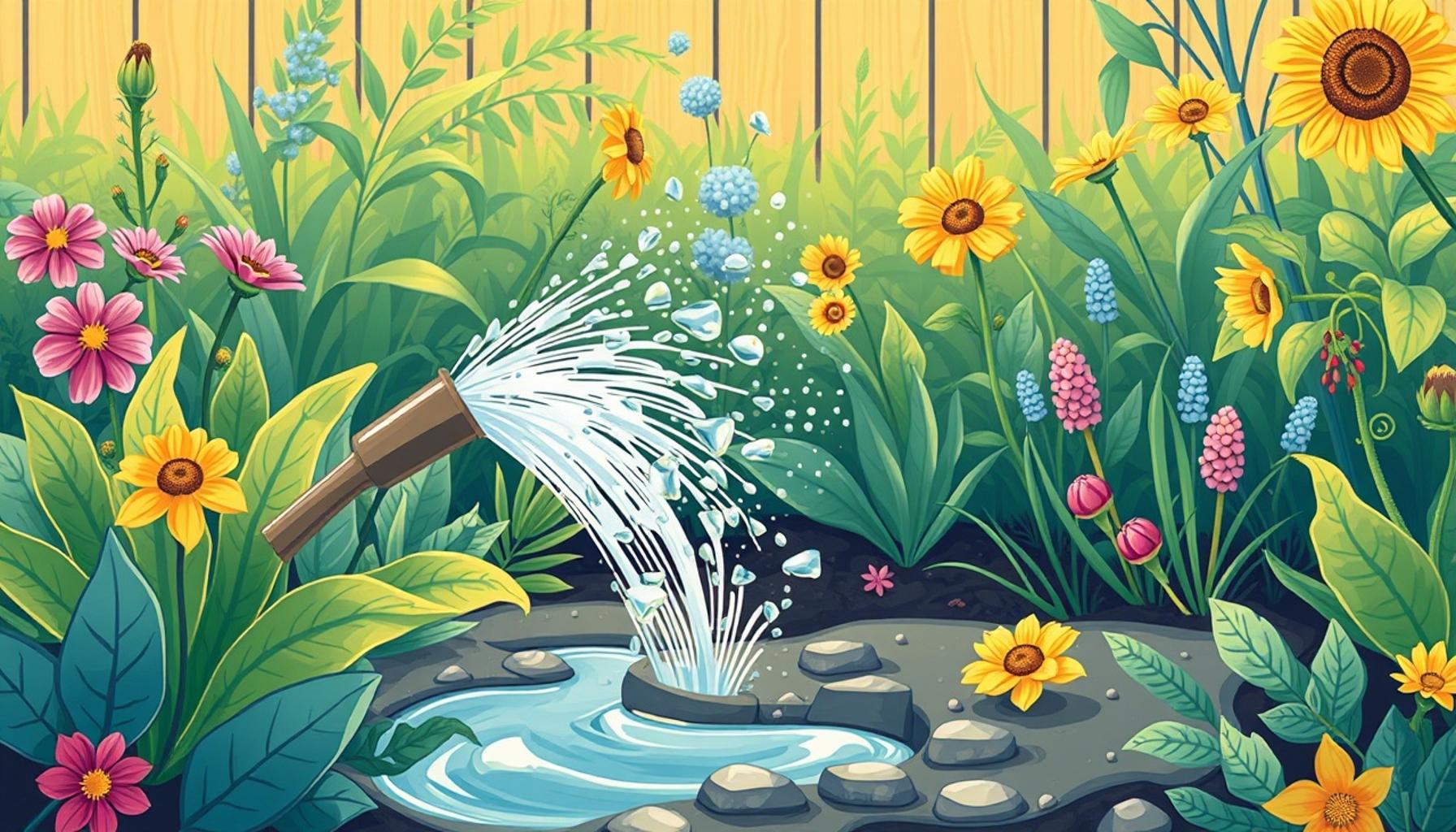
Timing Your Watering: Best Practices for Different Times of Day
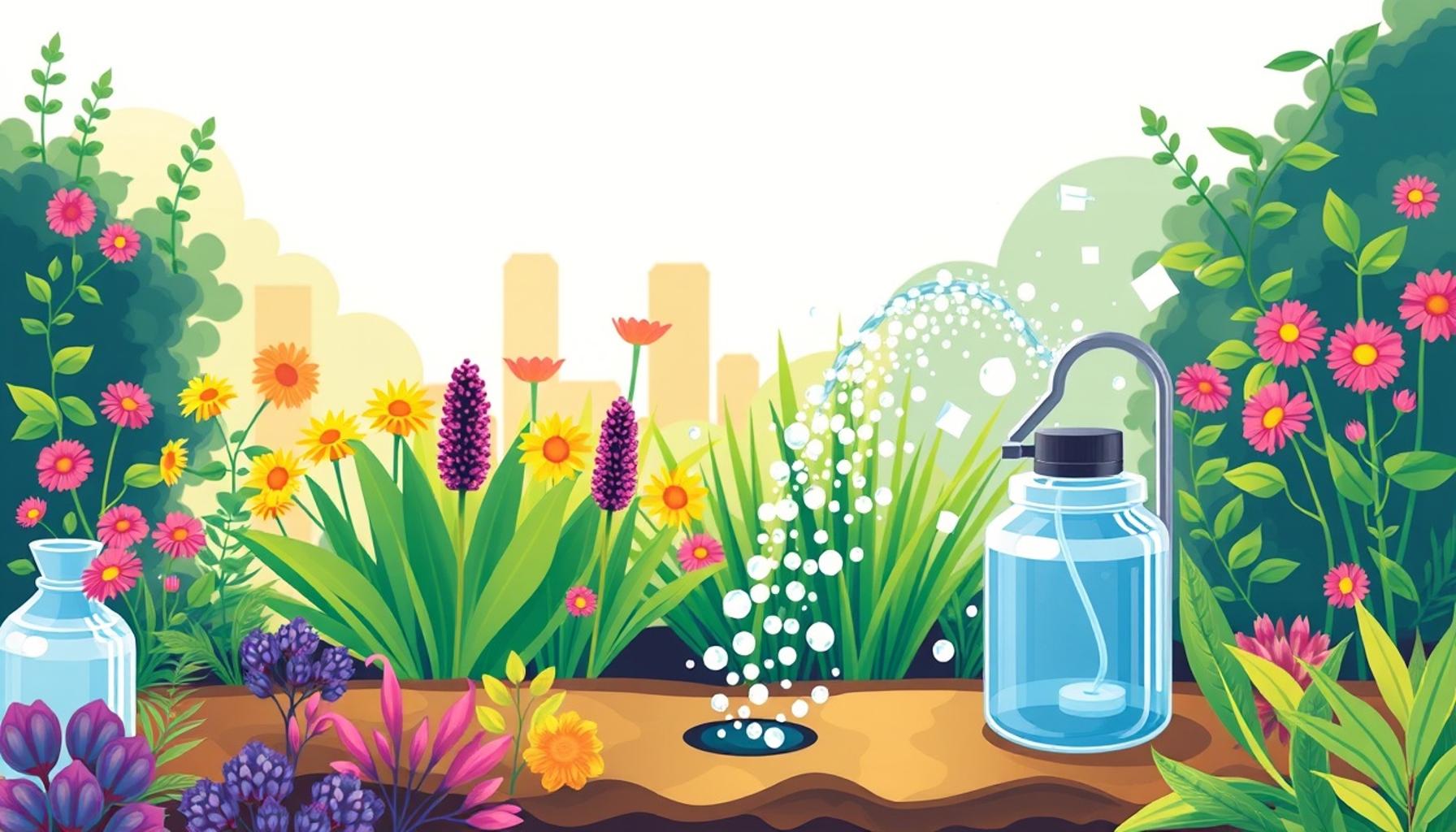
Understanding the Art of Watering
In the world of gardening, mastering the intricacies of watering is essential for cultivating flourishing plants. While turning on the hose may seem straightforward, numerous elements contribute to the effectiveness of watering practices. The implications of when to water extend beyond simply soaking the soil; they encompass the overall well-being of your plants and the conservation of precious water resources.
One of the primary factors to consider is evaporation rates. During the warm daylight hours, especially in sun-drenched regions like the Southwest, moisture can evaporate rapidly. For instance, in cities such as Phoenix, temperatures can soar above 100°F, leading to significant water loss if plants are irrigated during peak sunlight. By watering early in the morning, gardeners can ensure that more water penetrates the soil before it has a chance to evaporate.
Soil absorption is another crucial aspect. Soil compaction and type greatly influence how effectively water is absorbed. Sandy soils drain quickly and may require more frequent watering, while clay soils retain moisture but can take longer to soak up water. Understanding these dynamics allows a gardener to tailor their schedule accordingly. For example, a gardener in a humid climate might find that watering every few days is sufficient, whereas one in a drier area might need to check their soil daily.
Moreover, timing can significantly impact plant stress. Watering at inappropriate times, such as during high temperatures, can lead to wilting or even root rot. This is because water may sit on the soil surface without proper absorption, contributing to plant distress. Research indicates that plants have different hydration needs; for example, leafy greens require consistent moisture, while succulents thrive in drier conditions. Thus, recognizing the individual needs of your plants is fundamental.
Adopting the habit of watering in the early morning or the late evening not only promotes healthy growth but also minimizes water costs. Early watering provides plants with moisture to sustain them through the day, while evening watering prevents overnight evaporation and encourages robust root development. However, care must be taken to ensure that moisture does not lead to disease, particularly if foliage remains wet.
Best Practices for Your Garden
- The benefits of early morning watering: It allows plants to absorb moisture efficiently while minimizing evaporation. Evening dew can enhance this effect.
- Timing for evening watering and its advantages: Watering during twilight hours maintains soil moisture without the risk of scorching sun and also supports night-time growth cycles.
- Common mistakes to avoid while watering: Overwatering is prevalent; always check soil moisture levels before watering again to avoid drownings.
By being mindful of these essential watering strategies, gardeners can ensure that their plants receive the appropriate hydration, promoting overall health and vitality while also conserving water. So, as you prepare to nurture your garden, consider the importance of timing—it’s a simple yet effective way to enhance your gardening success.
DON’T MISS: Click here for essential watering techniques
Maximizing Water Efficiency: Optimal Times for Watering
When it comes to watering your garden, timing can make all the difference between a thriving landscape and a patch of wilted plants. Understanding when to water means considering the unique environmental factors that influence your garden’s hydration needs. The nuances of these factors can significantly affect not only the health of your plants but also your overall water consumption.
First and foremost, let’s delve into early morning watering. This is often hailed as the gold standard for gardeners aiming for optimal plant health. Watering during the early morning hours, ideally between 6 AM and 10 AM, allows the moisture to effectively penetrate the soil. During this time, temperatures are cooler, and winds are typically calm—conditions that significantly reduce evaporation. Research shows that early watering helps to ensure that plants have access to the moisture they need to thrive throughout the heat of the day.
Another significant aspect of morning watering is that it allows any remaining moisture on the leaves to evaporate as temperatures rise. This can help prevent diseases caused by water sitting stagnant on the foliage, which is particularly crucial for delicate plants like tomatoes and cucumbers that are susceptible to fungal ailments. For gardeners who live in areas with high humidity, implementing a regimen of early morning watering can dramatically decrease the incidence of leaf diseases.
Understanding Evening Watering Practices
If early morning watering isn’t feasible, late evening watering is a popular alternative. While it still provides much-needed moisture, it comes with particular considerations. Watering in the late evening, generally between 6 PM and 9 PM, ensures that your plants have ample hydration heading into the night. However, this practice can also lead to challenges. Standing water on foliage overnight may increase the risk of fungal diseases. Therefore, it’s essential to focus on watering the soil directly rather than the plant leaves during this time.
- Optimal window: Late evening watering is best done when temperatures have cooled down, allowing the plants to absorb water without the stress of midday heat.
- Shifting water hydrators: Use drip irrigation or soaker hoses to target the soil and minimize water on plant leaves.
- Assess and adjust: Test soil wetness before watering in the evening; adjust frequency to avoid waterlogging.
Ultimately, your choice between morning and evening watering should take into account your local climate and the specific needs of your garden. Soil types, plant varieties, and seasonal weather patterns can all affect the ideal watering timeframe. Remember, gardeners in hot and arid regions may lean towards early morning watering, while those in more humid climates must navigate the balancing act of evening watering to mitigate disease risk. By embracing these best practices and understanding the reasoning behind them, you’ll foster a robust garden capable of standing the test of time.
Understanding Optimal Watering Times
Timing your watering is crucial for ensuring that your plants receive the maximum benefits without wasting resources. The best practices vary depending on the time of day, as factors like temperature and wind can significantly affect how much water evaporates before it reaches plant roots.
Watering in the Early Morning
Early morning is often considered the ideal time for watering, generally between 6 AM and 10 AM. During these hours, temperatures are cooler, and humidity levels are higher, which reduces evaporation. Additionally, watering early allows your plants to absorb moisture before the heat of the day sets in, ensuring they remain hydrated throughout the day. This practice also minimizes the risk of fungal diseases, as the foliage can dry out more quickly in the lower morning temperatures.
Watering in the Evening
While less recommended, watering in the evening (around 6 PM to 8 PM) can still be effective, especially in extremely hot climates where midday watering leads to substantial evaporation. The downside includes a slower drying process, which can increase the risk of fungal infections. However, this time can be beneficial for deep-rooted plants that can potentially take advantage of the cooler nighttime temperatures.
Avoiding Midday Watering
The midday hours (especially between 10 AM and 4 PM) are generally not ideal for watering your garden. The high temperatures and intense sunlight can cause water to evaporate almost instantly, resulting in inefficient watering. Furthermore, wet foliage during the hottest part of the day can lead to stress on plants, as well as increase susceptibility to sunscald.By aligning your watering schedule with these best practices, you can enhance the health of your garden while promoting water conservation—a vital practice in today’s increasingly resource-sensitive environment. Effective timing not only aids in plant growth but also contributes to maintaining eco-friendly gardening methods.
| Category | Advantages |
|---|---|
| Early Morning Watering | Optimal moisture absorption, reduced evaporation, lower disease risk. |
| Evening Watering | Useful in hot climates, supports deep roots, but higher disease risk. |
By implementing these strategies and understanding which times yield the best results, gardeners can cultivate more resilient and thriving landscapes, while also fostering an environmentally conscious approach to gardening.
EXPLORE MORE: Click here to learn about sunlight needs for your plants
Midday Watering: A Cautionary Approach
While morning and evening watering are generally championed by experienced gardeners, midday watering is often viewed with skepticism. Watering during peak sunlight hours, typically between 10 AM and 4 PM, can lead to significant water loss due to evaporation. The heat of the sun can rapidly turn a generous soak into mere vapor, rendering the effort ineffective and often counterproductive.
Moreover, applying water during this period can shock plants due to the drastic temperature fluctuations. When cold water hits the warm soil, it can cause plant stress, leading to wilting or even shock that impairs growth. Therefore, it’s advisable to limit watering to cooler parts of the day unless absolutely necessary, such as in the case of transplanting or when plants show severe signs of distress.
If you find yourself in a position where you must water during the day, consider the following strategies:
- Focus on Targeted Delivery: Using techniques such as drip irrigation or soaker hoses can greatly reduce evaporation. By applying water directly to the soil, you ensure that moisture penetrates where it’s most needed without unnecessary exposure to heat.
- Check Soil Moisture: Before watering, check the soil moisture content with your fingers. If the soil is moist 1-2 inches down, it’s best to hold off, even if plants appear slightly stressed.
- Consider Timing Adjustments: If local laws or regulations restrict early morning or late evening watering, consult with your local extension service for best practices suited to your specific region.
Seasonal Considerations: Adapting Your Watering Schedule
<pUnderstanding not only the time of day but also the time of year is integral to mastering the art of watering. Different seasons bring unique environmental conditions that can significantly impact your garden's hydration needs. For instance, during the hot summer months, evaporation rates soar, making early morning watering essential to ensure that moisture reaches the roots before the daytime heat sets in.
Conversely, in cooler seasons like fall or even winter in milder climates, plants typically require less water. It can be tempting to maintain your regular watering schedule, but overwintering plants can suffer from root rot if the soil remains too wet. Adapting your watering practices to reflect the decreased need for hydration as temperatures drop can promote healthier root systems. This is particularly important in regions like the Pacific Northwest, where rainy winter conditions can lead to oversaturation.
Additionally, consider the impact of rain on your watering schedule. After a heavy downpour, assess the moisture levels in your soil before contemplating further watering. A rain gauge can help in determining whether your garden received adequate hydration from natural sources. Regularly adjusting your watering practices based on rainfall not only conserves water but also supports an environmentally-friendly gardening approach.
By paying close attention to both time of day and seasonal factors, along with the specific needs of your plants, you can cultivate a thriving garden that benefits from efficient water use, ultimately leading to sustainable gardening practices.
DISCOVER MORE: Click here to learn how to harness sunlight for your garden
Conclusion: Mastering Your Watering Timing for a Thriving Garden
As you embark on the journey of gardening, understanding the importance of timing your watering can prove to be a game-changer for your plants’ health and vitality. From the cool morning hours that allow for maximum absorption to the gentle evening watering that reduces evaporation, the timing of your watering can significantly influence the growth and resilience of your garden. While midday watering can be a risky endeavor due to heat and potential stress on your plants, employing targeted techniques such as drip irrigation can help mitigate the adverse effects.
Seasonal changes add another layer of complexity to your watering schedule. As the temperatures fluctuate throughout the year, so do the hydration needs of your plants. Adjusting your practices based on seasonal moisture levels not only fosters healthier roots but also encourages sustainable gardening. Furthermore, learning to adapt to environmental factors such as rainfall can enhance your garden’s resilience while minimizing waste. By keeping an eye on soil moisture and the specific requirements of your plants, you can tailor your watering habits effectively.
In conclusion, a thoughtful approach to timing your watering transcends mere habit—it is a blend of knowledge, environmental awareness, and adaptability. With the right practices in place, you can cultivate a vibrant garden that flourishes while also embracing responsible resource management. Dive deeper into this essential aspect of gardening, and watch as your nurturing efforts yield lush and thriving landscapes.