The Evolution of Packaging in Beauty Products: A Focus on Aesthetics and Functionality
The Shift in Beauty Packaging: A Closer Look
The competition within the beauty industry has intensified, with brands striving not only to produce innovative formulas but also to deliver captivating packaging that resonates with the ever-evolving preferences of consumers. The evolution in packaging is a fascinating blend of history, technology, and art, playing a pivotal role in how products are perceived and, ultimately, purchased. This transformation unfolds across various dimensions that impact both consumer behavior and brand growth.
One of the most significant shifts in beauty packaging is the trend towards material innovation. Glass containers, once a staple due to their luxurious feel and heft, are now being challenged by a surge of eco-friendly materials like recycled plastics and biodegradable substances. Brands such as Herbivore Botanicals showcase the appeal of using sustainable packaging options that not only minimize environmental impact but also cultivate a conscientious brand identity. The adoption of compostable tubes and post-consumer recycled (PCR) materials highlights a growing commitment to environmental sustainability, aligning with the values of eco-conscious consumers.
Aesthetic Appeal in Design
In addition to material choices, visual design has experienced a dramatic shift, inviting brands to attract and connect with diverse demographic segments. Bright colors, minimalist aesthetics, and collaboration with artists contribute to a visually exciting landscape. Think of how brands like ColourPop leverage playful graphics or how Pat McGrath Labs employs luxurious gold accents, creating an experience that goes beyond mere functionality. This strategic design approach not only makes a statement on the shelf but also amplifies brand stories, encouraging consumers to engage and share their experiences on social media.
Enhancing User Experience
Moreover, the user experience has taken center stage in packaging considerations. Traditional dispensers have evolved into pump bottles and airless jars, addressing challenges such as product wastage and contamination while delivering convenience. Rihanna’s Fenty Beauty exemplifies this, with its user-friendly packaging making application a breeze, enhancing customer satisfaction, and ensuring the contents are dispensed efficiently. The focus on ergonomics not only reflects the brand’s attention to detail but also encourages repeat purchases as consumers hunt for the most enjoyable and practical beauty routines.
In today’s marketplace, effective packaging transcends its primary function of safeguarding products; it acts as a medium for emotional connection with consumers. Drawing insights from these various aspects enables brands to stay relevant and ahead of the curve. As trends shift towards sustainability and personalization, understanding the interplay between environmental impact and consumer preferences will be crucial in driving future innovations. This responsiveness to changing dynamics not only enhances brand loyalty but also shapes purchasing decisions in the highly competitive beauty industry.
Ultimately, the metamorphosis of beauty packaging reflects more than just a visual or functional upgrade; it encapsulates a deeper narrative about brand identity, consumer engagement, and a collective movement towards sustainability.
DISCOVER MORE: Click here to dive deeper
The Drive for Sustainable Solutions
The rapid changes in consumer behavior and values have ignited a stronger push toward sustainability in the beauty industry, leading to profound advancements in packaging. As brand loyalty increasingly aligns with environmental consciousness, companies are innovating not only to meet but to exceed consumer expectations regarding their environmental footprint. Many brands are now embracing practices that prioritize eco-friendly packaging, aiming to reduce single-use plastic and promote reuse and recyclability.
This shift towards sustainable packaging reflects consumer trends that emphasize responsible consumption. According to a recent study, around 73% of U.S. consumers are willing to pay more for products packaged sustainably. This growing demand has prompted brands to adopt packaging solutions that not only serve aesthetic purposes but also significantly decrease their carbon footprint. Here are some notable examples of innovative packaging solutions in the beauty industry:
- Bamboo packaging: Known for being biodegradable, bamboo packaging has gained traction among brands looking for sustainable alternatives to traditional materials. Brands like 100% Pure have successfully incorporated bamboo tubes in their skincare lines.
- Refillable systems: Brands such as Kjaer Weis are pioneering a refillable approach that allows consumers to reuse containers, substantially reducing waste. This innovative strategy not only promotes sustainability but also enhances the product experience.
- Plant-based plastics: Some brands are exploring the use of plastics derived from plants, such as corn or sugarcane, to produce packaging that is less harmful to the environment. This shift showcases a commitment to environmentally responsible sourcing.
Beyond the tangible benefits to the environment, companies that actively promote sustainable packaging often find themselves engaging a more loyal customer base. Consumers increasingly view their purchasing decisions as a reflection of their values, which triggers a shift in spending patterns. For instance, brands that transparently communicate their sustainable practices often experience heightened customer trust and positive brand perception. This phenomenon is evident in the strategies of companies like Sephora, which actively champions sustainability initiatives and encourages customers to participate through recycling programs.
Balancing Aesthetics with Functionality
While the move toward sustainable packaging is essential, it is equally important for brands to maintain aesthetics and functionality. The visual appeal of beauty products can stimulate impulse purchases, making attractive designs a pivotal part of a brand’s success. Today’s aesthetically pleasing packages often feature design innovations such as:
- Customizable elements: Some brands are incorporating user customization in their packaging, allowing consumers to select colors or designs that resonate with their personal style.
- Luxury finishes: A combination of matte and glossy finishes, metallic accents, and unique textures create an enticing sensory experience for consumers.
- Smart packaging technology: Brands are beginning to explore digital elements, such as QR codes or augmented reality features, that allow consumers to interact with their products in novel ways.
This harmonious blend of sustainability, aesthetics, and functionality positions the beauty industry for continued evolution, ensuring brands can meet the demands of a discerning and environmentally conscious marketplace. As companies strive to differentiate themselves, the exploration of these facets is not merely a trend but a necessity in defining the future of beauty product packaging.
The Evolution of Packaging in Beauty Products: A Focus on Aesthetics and Functionality
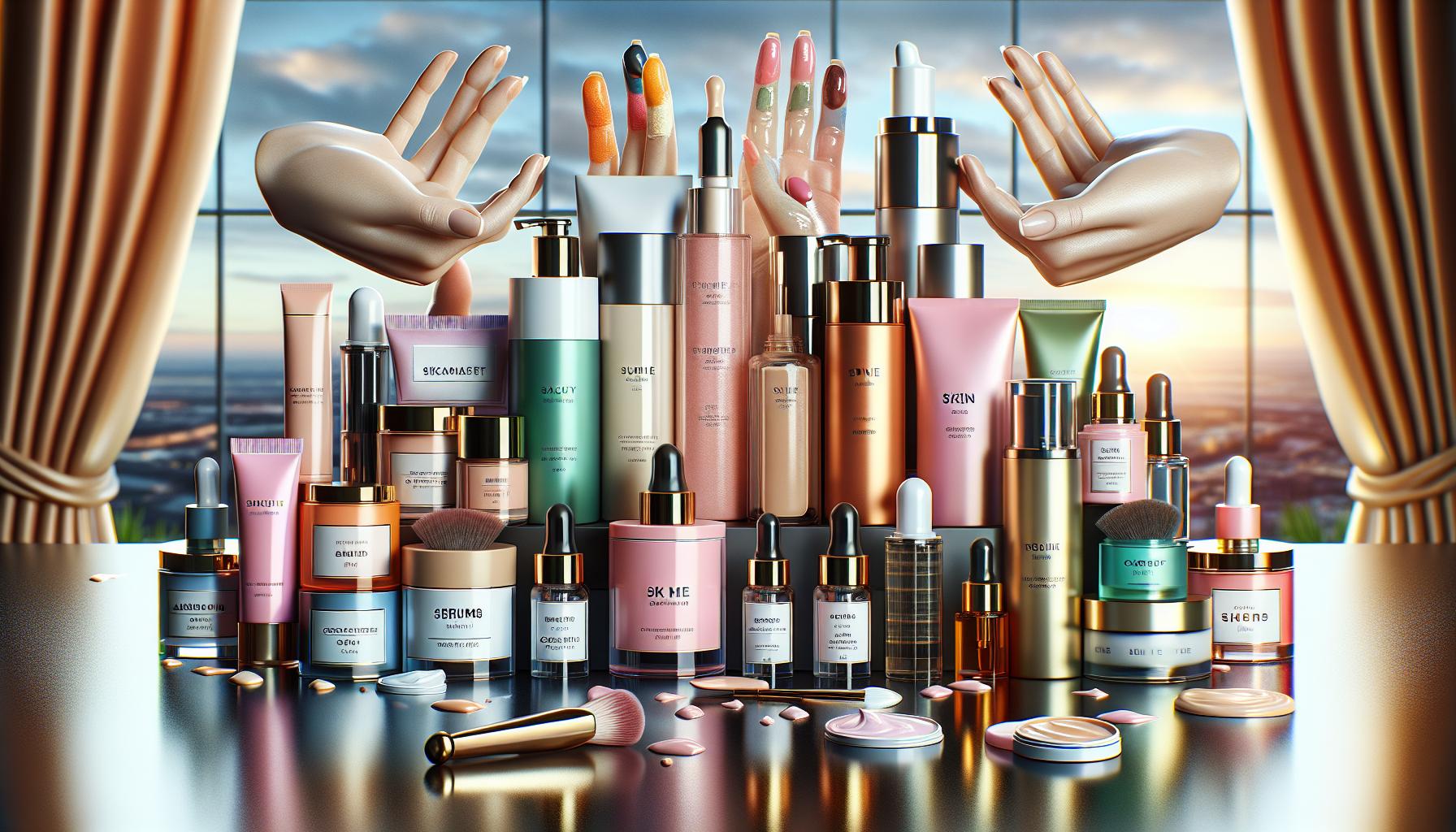
The world of beauty packaging has undergone a remarkable transformation over the past few decades, influenced by shifting consumer preferences, technological advancements, and sustainability concerns. One of the most significant changes has been the enhanced aesthetics of beauty product packaging. This evolution highlights not only the importance of visual appeal but also how brands use design to convey their identity and resonate with consumers. Elegant, luxurious bottles, innovative shapes, and eye-catching graphics now compete for attention on store shelves, emphasizing that packaging is as much a part of the product experience as the product itself.
In parallel with aesthetic improvements, functionality has also evolved dramatically. Brands are increasingly prioritizing the user experience, introducing features such as pump dispensers, airless packaging, and travel-friendly designs that not only improve usability but also minimize waste. For example, airless containers prevent oxidation and contamination, preserving the integrity of ingredients and enhancing product longevity. Consumers are now seeking out packaging that not only looks good but also performs exceptionally well, reflecting a deeper understanding of their health and beauty needs.
Furthermore, with the rise of eco-conscious consumers, sustainability has become a pivotal element in packaging design. Many beauty brands are embracing recyclable, biodegradable, and refillable options, shedding light on the industry’s responsibility towards reducing environmental impact. This shift not only satisfies the need for effective functionality but also appeals to the growing cohort of consumers who prioritize eco-friendly choices in their purchasing decisions.
| Aesthetic Features | Functional Benefits |
|---|---|
| Innovative design elements | Enhanced usability and convenience |
| Luxury and brand identity representation | Protection of product integrity |
This dual focus on aesthetics and functionality underscores the beauty industry’s adaptability in catering to evolving consumer demands. Future trends are likely to see even more integration of technology in packaging, such as smart features that provide users with product usage information or reminders, paving the way for a more interactive experience. As beauty continues to blend with technology, the role of packaging will only grow more pivotal in captivating consumers and enhancing their overall experience.
DISCOVER MORE: Click here to learn how technology is revolutionizing beauty
The Role of Technology in Packaging Innovation
As technology advances, its integration into packaging design is greatly transforming the beauty industry. Beyond mere aesthetics, innovations in packaging technology enhance functionality, convenience, and user experience. The incorporation of intelligent packaging solutions presents numerous opportunities to engage consumers while addressing their practical needs. Here are some noteworthy technological advancements shaping the packaging landscape:
- Smart sensors: These sensors can alert consumers when a product is nearing expiration or when they are running low on a specific item. Brands like Estée Lauder are now experimenting with packaging that not only keeps track of product usage but also communicates directly with users through mobile applications.
- Eco-sensitive printing: Brands are utilizing eco-sensitive ink technology to produce graphics and text on packaging that are both visually appealing and non-toxic. This means that even the design process of packaging is becoming more sustainable. Companies now have access to vibrant colors without the environmental cost associated with traditional inks.
- Capsule and airless technologies: These technologies ensure maximum product preservation by reducing air exposure, thus extending shelf life. Brands like Drunk Elephant have implemented airless pumps in their skincare lines, allowing consumers to extract every last drop of the product, minimizing waste.
These technological developments not only enhance product functionality but also align with consumers’ desires for convenience and efficiency. In a fast-paced world, beauty enthusiasts gravitate toward convenient packaging that offers ease of use without compromising on quality or sustainability.
Innovative Design Trends and Consumer Experience
The beauty industry is also witnessing design trends that actively engage consumers and elevate their experience. Innovative design is about creating a memorable moment of interaction between the consumer and the product. This can include:
- Multi-functional packaging: Some brands are transitioning away from single-use containers toward packaging that has a secondary purpose. For example, certain companies are designing jars that can later be used as decorative storage, thus providing added value to the consumer.
- Transparent designs: With the demand for transparency in ingredient sourcing and product formulation, brands are shifting toward clear packaging that showcases the product. This approach not only builds trust but also allows consumers to engage with the product visually before purchasing.
- Limited edition and collectible packaging: By creating limited runs of collectible packaging, brands can drive urgency and enhance desirability. The collaboration between influencers and established brands, resulting in unique packaging designs, is a growing trend that captures consumers’ attention and encourages them to share their purchases on social media.
As beauty consumers increasingly look for products that provide more than basic functionality, the aesthetics and visual storytelling of a brand’s packaging become critical. The integration of creativity and practicality allows brands to communicate their identity and values effectively while catering to an audience that is more discerning than ever.
In summary, the fusion of sustainable practices, technological innovations, and creative design trends shapes the future of packaging in the beauty industry. As brands evolve to keep pace with the changing landscape, they are not only redefining their approach to packaging but also setting new expectations for the entire market.
DIVE DEEPER: Click here to discover the myths and truths behind light and laser therapies</
Conclusion: The Future of Beauty Packaging
In the ever-evolving landscape of the beauty industry, packaging emerges not just as a means of containment, but as a vital element reflecting a brand’s identity and values. The evolution of packaging in beauty products highlights a profound shift towards a synergy of aesthetics and functionality, driven by consumer expectations and technological advancements. Today’s consumers demand more than just visually appealing designs; they seek innovative solutions that enrich their experience while ensuring sustainability.
As brands adopt cutting-edge technologies such as smart sensors and eco-sensitive printing, they not only enhance product longevity and user interaction but also affirm their commitment to environmental responsibility. Furthermore, emerging trends like multi-functional and transparent packaging resonate well with a discerning audience that values authenticity and creativity.
This dynamic environment fosters a culture of continuous innovation, compelling brands to rethink their packaging strategies to remain competitive. As the beauty industry progresses, staying attuned to these packaging trends will be imperative for brands to capture the attention of the modern consumer. The intersection of design and functionality, grounded in sustainable practices, will inevitably lead to packaging that not only protects the product but also elevates the overall brand narrative.
With this ongoing transformation, stakeholders across the beauty sector—including marketers, designers, and consumers—must engage in conversations that push the boundaries of what packaging can achieve. The ultimate challenge lies in maintaining an equilibrium where beauty and practicality coexist harmoniously, setting a standard that will shape the future of the industry for years to come.